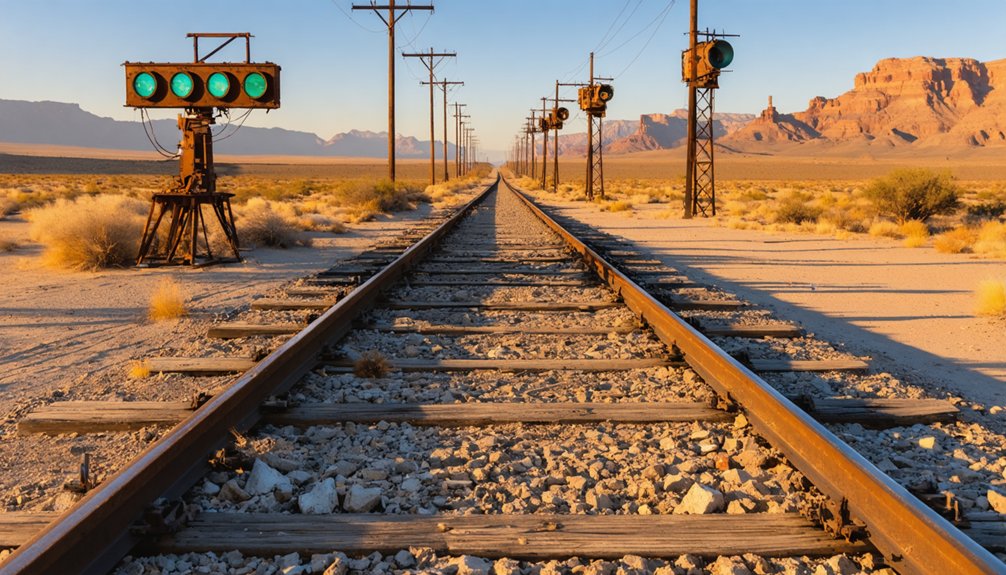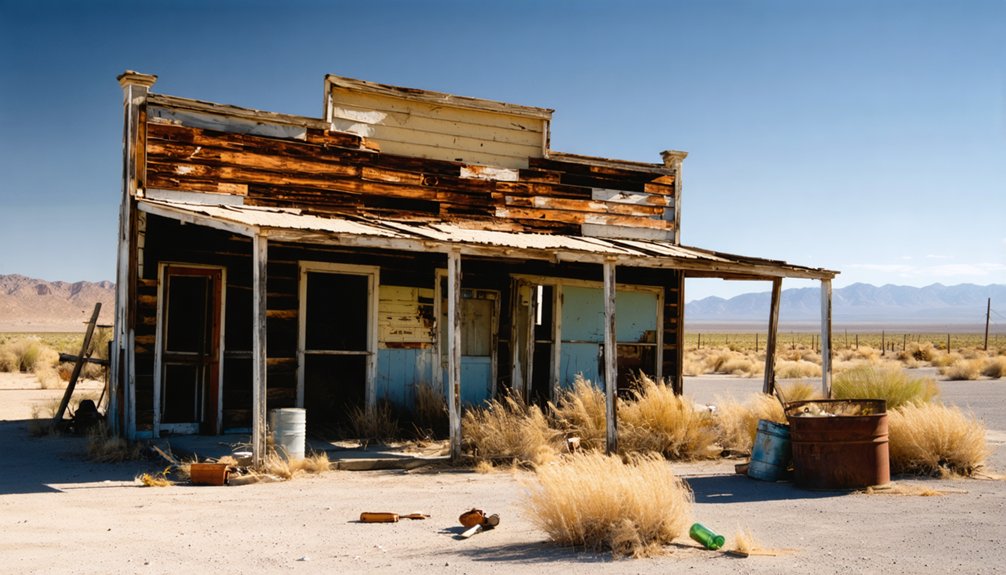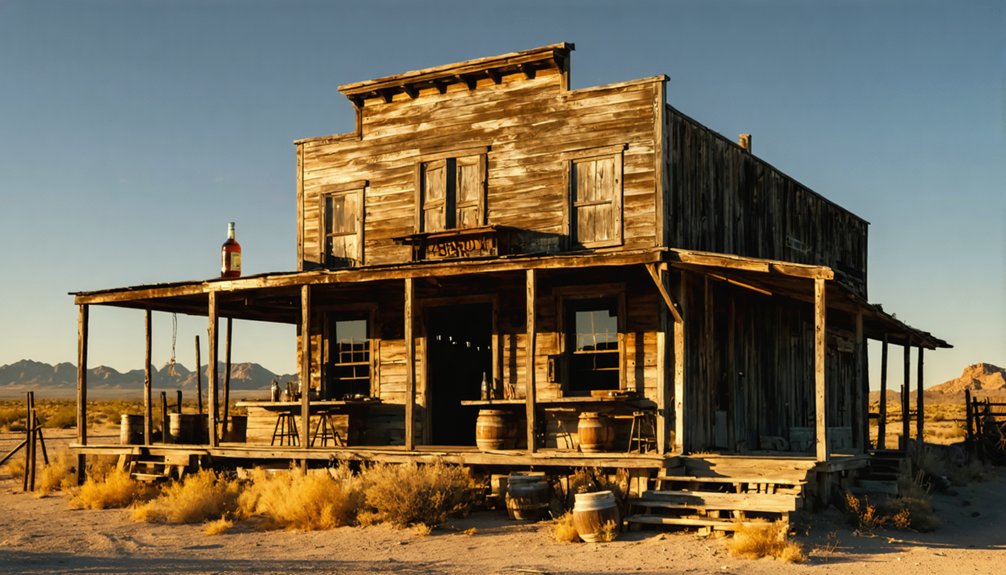
You’ll find Arizona’s most enchanting ghost towns scattered across diverse terrains, with Goldfield Ghost Town offering weekend gunfight shows and underground mine tours. Don’t miss Ruby’s well-preserved adobe buildings from 1904 or Kentucky Camp’s rich mining heritage. The best time to explore these 275+ abandoned settlements is October through May when temperatures are moderate. Pack sturdy shoes and detailed maps – these historic treasures hold countless stories waiting to be discovered.
Key Takeaways
- Goldfield Ghost Town near Apache Junction offers the most complete ghost town experience with mine tours, museums, and weekend gunfight shows.
- Ruby Ghost Town features well-preserved buildings from 1904, including original adobe structures and remnants of a once-thriving mining community.
- Kentucky Camp demonstrates Arizona’s mining heritage through authentic buildings and provides insights into historical gold extraction methods.
- Hackberry stands out for its Route 66 connection, featuring a unique combination of mining history and vintage roadside Americana.
- Pearce, one of the best-preserved sites, offers excellent spring viewing conditions and authentic structures from Arizona’s mining boom era.
What Makes Arizona’s Ghost Towns Special
Remnants of the American frontier, Arizona’s ghost towns tell a compelling story of boom-and-bust cycles driven by mineral discoveries in the 1870s and 1880s.
You’ll find these towns shaped by quartz, silver, and gold strikes that transformed remote desert locations into bustling communities like Ruby, Charleston, and Goldfield.
These settlements represent more than just mining heritage – they’re windows into the cultural heritage of the American West.
Ghost towns stand as time capsules, revealing the diverse cultural tapestry that shaped America’s western expansion.
From Fort Bowie’s military presence protecting Apache Springs to Route 66 landmarks in Hackberry, each site carries historical significance through preserved structures and dramatic stories. The historic Gleeson Jail, built in 1910, still stands with its original structure intact.
Whether it’s exploring Swansea’s extensive ruins, hiking to Fort Bowie’s remains, or visiting the restored Goldfield Mining Camp, you’ll experience authentic pieces of Arizona’s frontier past where Native Americans, miners, soldiers, and pioneers carved out their existence. Many sites feature self-guided tours that showcase remarkably well-preserved buildings from the 1880s.
Planning Your Ghost Town Adventure
When exploring Arizona’s historic ghost towns, thoughtful preparation can make the difference between a rewarding adventure and a frustrating detour.
You’ll find the best preserved sites scattered across diverse terrains, from Swansea near the California border to Pearce in the southeast. Many sites like Agua Caliente Resort drew visitors to their natural hot springs, offering a unique glimpse into early Arizona tourism. Spring offers ideal conditions for visiting most locations, while winter works well for ghost town preservation sites under BLM management.
A highlight of the southeastern route is the Commonwealth Mine, which produced significant amounts of silver and gold during its peak operations. Pack essential gear including detailed maps and GPS coordinates. Many routes, like Ghost Town Trail to Pearce, combine paved and unpaved sections that require sturdy vehicles and good weather.
For historical significance, consult resources like Arizona Highways guidebook or the LibGuides database to plan your route. You’ll want to visit places like Gleeson during daylight hours and avoid western sites during summer heat.
Top Safety Tips for Ghost Town Exploration
When exploring Arizona’s historic ghost towns, you’ll want to stick with your group rather than wandering off alone since cell service is often nonexistent in these remote locations.
Pack essential safety gear including plenty of water, sun protection, sturdy shoes, and a well-maintained vehicle equipped with recovery equipment. Many visitors need high clearance vehicles to safely navigate the rugged back roads leading to ghost town sites.
You should also inform a trusted contact of your planned route and expected return time before heading out to these fascinating but isolated sites. When visiting sites like Harshaw ghost town, be mindful to view historic structures from designated areas since many are on private property.
Stay With Your Group
Exploring ghost towns safely requires traveling with others and implementing key group safety protocols. When you venture into these historic sites, bring multiple vehicles and travel companions to enhance group dynamics and provide backup support if needed.
You’ll want trusted partners watching your back, whether it’s for protection from wildlife or assistance with vehicle recovery in remote areas. Keep your first aid kit accessible and make sure everyone knows its location for quick access during emergencies.
Consider joining guided tours for both safety and historical insights. You’ll benefit from established safety protocols while gaining expert knowledge about the site.
Be sure to share your detailed itinerary with a reliable contact, including your group members and expected return time. With limited cell reception in these remote locations, having multiple people means more resources and better odds if emergency assistance becomes necessary.
Thoroughly research and check land ownership before visiting to avoid accidentally trespassing on private property.
Pack Essential Safety Gear
Having a reliable group is just the start – proper gear and equipment make the difference between a successful ghost town adventure and a potentially dangerous situation.
You’ll need essential supplies focused on survival and preparedness in remote desert locations. Pack abundant water, high-SPF sunscreen, and protective clothing including sturdy boots and work gloves.
Don’t forget emergency equipment like first aid kits, vehicle recovery gear, and reliable communication devices.
Your vehicle needs to be in peak condition with ample fuel, spare parts, and suitable tires for rough terrain. Since roads like those near Cyanide Springs often require high-clearance vehicles, careful vehicle preparation is essential.
Due to the warm winter temperatures in Arizona reaching around 80 degrees, be especially vigilant for active rattlesnakes during your ghost town explorations.
Always carry safety gear including flashlights, emergency lighting, and basic tools.
Before heading out, document your route plan and share it with trusted contacts.
Must-See Attractions at Goldfield Ghost Town
Once a booming 1890s mining settlement, Goldfield Ghost Town now stands as one of Arizona’s most authentic restored western attractions.
You’ll find this former gold mining town packed with immersive experiences that bring the Old West to life.
Don’t miss the 25-minute underground mine tour where you’ll explore the tunnels that yielded over $4 million in gold.
The Historic Museum showcases local artifacts, including an impressive antique firearms collection and exhibits about the mysterious Lost Dutchman mine.
For adventure seekers, there’s Stan Checketts’ Superstition Zipline, gold panning, and horseback rides through the desert landscape.
On weekends, you can catch free gunfight shows performed by the Goldfield Gunfighters on Main Street, where you’ll also discover period-accurate shops, Peterson’s Mercantile, and the Mystery Shack.
Hidden Gems: Kentucky Camp and Ruby
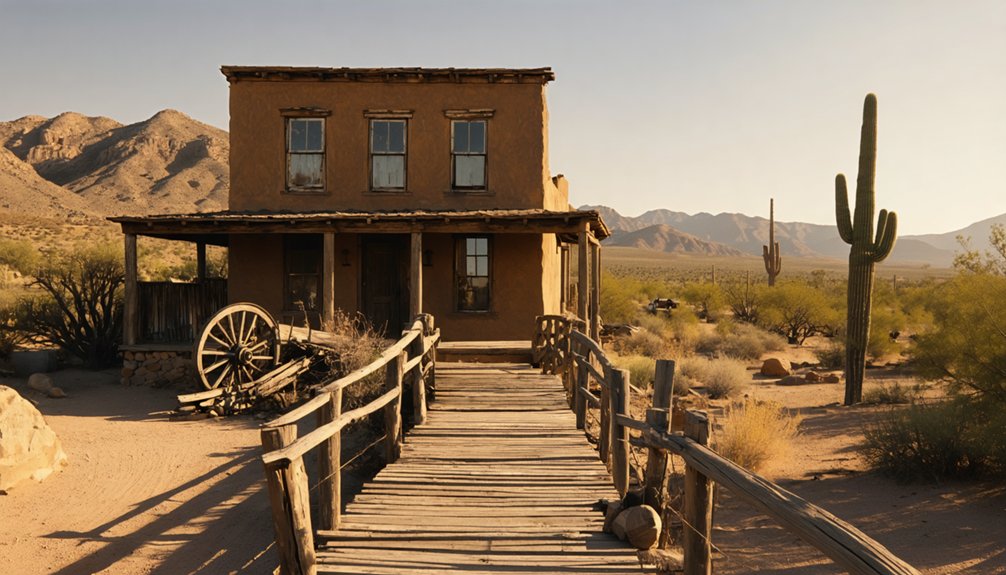
Tucked away in the foothills of the Santa Rita Mountains, Kentucky Camp stands as a remarkably preserved tribute to Arizona’s mining heritage.
You’ll discover a fascinating story of ambition and mystery, where James Stetson’s suspicious death in 1905 led to the camp’s eventual abandonment.
When you visit this hidden gem along the Arizona Trail, you’ll find:
- Five original adobe buildings from 1904, including the main headquarters and assay office
- Remnants of an innovative hydraulic mining operation that aimed to extract placer gold
- A serene desert setting with mesquite, oak, and native cacti surrounding the historic structures
While Ruby Ghost Town isn’t currently accessible to the public, Kentucky Camp welcomes adventurous spirits year-round.
The U.S. Forest Service maintains this National Register site, offering you a genuine glimpse into Arizona’s rugged mining past.
Route 66 Legacy: Discovering Hackberry
Three distinct eras shaped Hackberry’s remarkable journey from silver boomtown to Route 66 icon. In 1874, prospectors established a thriving silver mining camp that flourished until 1919.
When the Atlantic & Pacific Railroad arrived in 1882, the settlement relocated four miles to embrace new transportation opportunities.
Hackberry’s most iconic chapter began in 1926 when Route 66 transformed this quiet outpost into a bustling stop for cross-country travelers. The Hackberry General Store, with its Conoco pumps and friendly service, became a must-visit destination until Interstate 40 bypassed the town in 1978.
Today, you’ll find the beautifully preserved general store showcasing vintage cars, classic gas pumps, and authentic Route 66 memorabilia.
It’s a living museum where you can experience the spirit of America’s Mother Road in its purest form.
Historic Buildings and Structures at Swansea
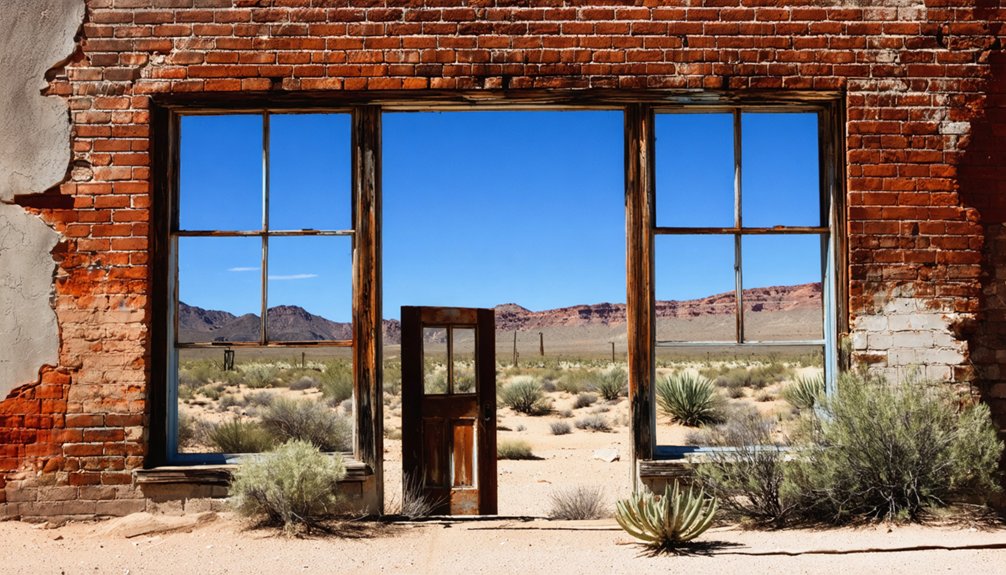
You’ll find Swansea’s mining operation buildings remarkably intact, with the massive 350-ton furnace and dust chamber serving as evidence to the site’s industrial past.
The desert climate has preserved many of the adobe walls that once housed miners and administrators, offering clear views of early 20th-century construction methods.
The original brick and adobe structures, including the smelting facilities and workers’ quarters built in 1917, stand as silent sentinels to Arizona’s copper mining heritage.
Mining Operation Buildings Remain
Standing as proof of Arizona’s mining legacy, Swansea’s industrial remnants showcase an impressive array of historic structures from its copper mining heyday.
This site’s historical significance comes alive through the extensive mining infrastructure that powered its remarkable 27-million-pound copper production run from 1906 to 1949.
You’ll discover these key industrial structures that defined Swansea’s operations:
- A massive 350-ton furnace (some sources cite 700-ton) that processed copper ore at industrial scale
- A sophisticated water system with a half-mile pipeline from Bill Williams River, capable of pumping 400,000 gallons daily
- Five operational mine shafts that supported peak production, alongside a historic railroad depot that transported copper ore and essential coal supplies
These preserved structures offer you an authentic window into Arizona’s industrial past.
Desert-Preserved Adobe Walls
You’ll find remarkably preserved adobe walls throughout Swansea, standing as evidence to early 20th-century ghost town architecture.
The Bureau of Land Management has implemented crucial adobe preservation techniques, particularly on the single miners’ quarters, where restored roofs now protect these historic structures from harsh desert elements.
As you explore the site, you’ll discover fascinating adobe formations created by natural weathering processes. The crumbling walls have evolved into sculptural elements that enhance the desert landscape.
These deteriorating structures, while slowly eroding with each rainfall, offer unique glimpses into the miners’ daily lives. The quarters, strategically positioned for valley views, showcase the practical yet thoughtful design of early mining settlements.
This architectural legacy makes Swansea one of Arizona’s most authentic ghost town experiences.
Original Furnace Still Stands
The massive 350-ton smelter furnace dominates Swansea’s industrial ruins, marking the ambitious scale of early 20th-century copper processing. Built in 1908, this engineering marvel first poured copper in 1910 and continued operations intermittently until 1944, ultimately producing 27 million pounds of copper during its lifetime.
You’ll discover one of Arizona’s best-preserved furnace structures, supported by an impressive 3.5-mile water pipeline system that kept operations running in the harsh desert environment.
Three key features stand out:
- Original hoisting equipment that serviced five mine shafts
- Advanced cooling system infrastructure that utilized Bill Williams River water
- Structural integrity that’s withstood decades of desert exposure
Despite its operational challenges and eventual closure, the furnace remains a symbol of Arizona’s copper mining ambitions and industrial innovation.
The Non-Mining Story of Agua Caliente
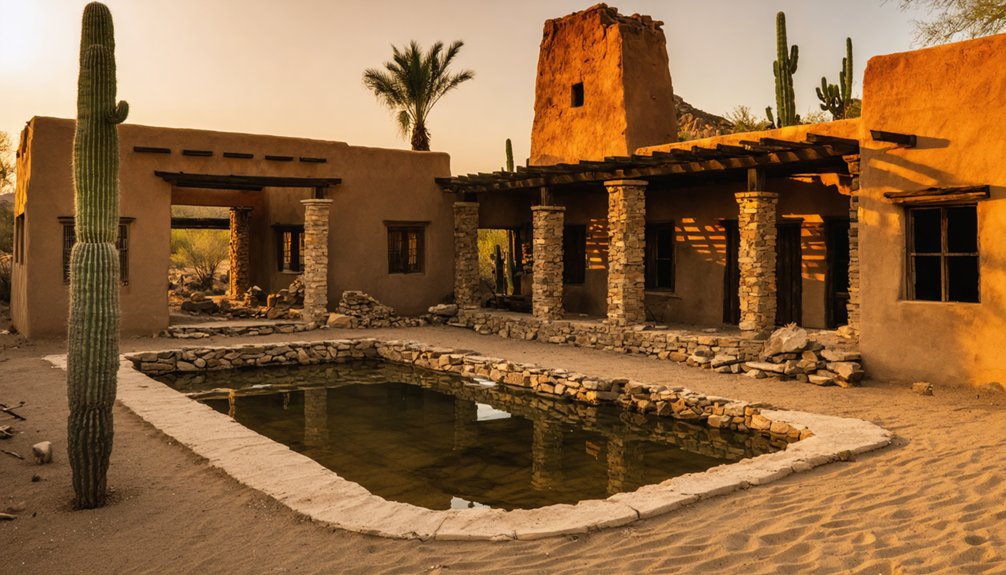
Unlike most Arizona ghost towns born from mining booms, Agua Caliente‘s story centers around healing waters that drew both Native Americans and settlers to this desert oasis.
Apache tribes considered these springs sacred “Medicine Water,” using them for generations before European arrival. By 1897, a 22-room white adobe hotel stood where simple camping spots once existed, offering therapeutic soaks and home-cooked meals to health-seeking visitors.
You’ll find the resort’s remains 12 miles north of Sentinel, though its glory days ended when over-irrigation and dynamite blasting damaged the springs.
While Arizona’s first governor once enjoyed these waters, today you’ll only discover crumbling ruins and a pioneer cemetery. The property remains private, but you can still glimpse this unique piece of Arizona history from the road.
Best Times to Visit Arizona Ghost Towns
You’ll find Arizona’s ghost towns most accessible from October through May when temperatures remain moderate and guided tours operate regularly.
Winter brings comfortable conditions for exploring outdoor sites, while northern locations like those near Flagstaff may offer snow-dusted landscapes that create striking photo opportunities.
Spring draws the largest crowds, especially near Phoenix, so plan your visit during early morning hours to avoid peak tourist times and secure spots on popular guided tours.
Seasonal Weather Considerations
While Arizona’s ghost towns beckon visitors year-round, timing your trip strategically can make all the difference in comfort and accessibility. The desert’s weather patterns heavily influence seasonal activities, making October through May the prime window for exploration.
- Winter months deliver ideal 60-70°F temperatures perfect for outdoor adventures, mine tours, and historic building exploration.
- Summer temperatures soar above 100°F, making sites like Vulture City and Goldfield less enjoyable from June through September.
- Monsoon season (July-August) brings flash flood risks to remote locations, so plan accordingly.
You’ll find most ghost towns, including Jerome and Tortilla Flat, at their most visitor-friendly during spring and fall months when weather conditions support comfortable outdoor exploration and historic preservation activities.
Peak Hours and Access
To maximize your ghost town experience in Arizona, timing your visit strategically can help you avoid both crowds and extreme temperatures.
For ideal crowd management, plan your arrival between 9:00-10:00 AM on weekdays, particularly at popular sites like Goldfield and Vulture City. You’ll find the lowest visitor numbers during these early morning hours.
Most ghost towns operate from morning until 5:00 PM, with tour scheduling varying by location. Jerome offers specialized walking tours and ghost walks throughout the day, while Vulture City features weekend gunfight shows from October through May.
If you’re interested in guided experiences, book advance reservations, especially for premium tours like Jerome’s Pandora’s Box.
Avoid peak crowds between 12:00-3:00 PM, when families typically visit, and consider late afternoon visits after 3:00 PM for cooler temperatures.
Photography Tips for Ghost Town Visits
Before heading out to Arizona’s historic ghost towns with your camera, proper preparation and equipment choices can make the difference between ordinary snapshots and compelling photographs.
Success in ghost town photography hinges on thoughtful planning and the right gear choices before ever setting foot in Arizona’s abandoned places.
You’ll want to master your camera settings and composition techniques before exploring these weathered remnants of the Old West.
For the most striking images:
- Shoot during golden hours when long shadows create depth across building facades and main streets.
- Use a tripod with wide-angle lenses for interior shots, capturing natural window light and architectural details.
- Pack a versatile zoom lens like an 18-135mm to quickly adapt between capturing town overviews and close-up artifacts.
Remember to research access requirements beforehand, as some locations require permits.
Keep your gear minimal – you’ll be walking rough terrain and maneuvering tight spaces while documenting these historic treasures.
Frequently Asked Questions
Are There Any Ghost Towns in Arizona That Still Have Permanent Residents?
You’ll find current residents in several Arizona ghost towns – Chloride maintains 300 people, Jerome has 444, Oatman keeps 50, and Tombstone houses 700, all preserving their ghost town history.
What Permits or Permissions Are Needed to Metal Detect in Ghost Towns?
Persistently protect precious properties: you’ll need federal ARPA compliance and state permits for metal detecting. Most ghost towns are protected by historical preservation laws, so you can’t legally detect without proper authorization.
Can Visitors Take Home Artifacts Found at Arizona Ghost Towns?
You can’t legally remove artifacts from Arizona ghost towns. It’s a serious violation with hefty fines. For artifact preservation and legal compliance, leave all historical items exactly where you find them.
Which Ghost Towns Are Most Accessible for Visitors With Mobility Limitations?
Like a well-worn path through time, Goldfield Ghost Town offers your best bet with accessible attractions and powered mobility aids. Jerome State Historic Park provides wheelchair-friendly visitor facilities and valley views.
Are There Guided Tours Available That Visit Multiple Ghost Towns in One Day?
You’ll find limited guided tour options for exploring multiple ghost towns in one day, though Tours of Jerome offers a 4.5-hour van tour combining Jerome, Clarkdale, and Cottonwood.
References
- https://www.visitarizona.com/like-a-local/4-arizona-ghost-towns-you-may-have-never-heard-of
- https://goldfieldghosttown.com
- https://www.visittucson.org/blog/post/8-ghost-towns-of-southern-arizona/
- https://www.arizonahighways.com/article/arizona-ghost-towns
- https://www.tripadvisor.com/Attractions-g28924-Activities-c47-t14-Arizona.html
- https://www.youtube.com/watch?v=Q18D1sHH2Cc
- https://artsandculture.google.com/story/2AUhi0DLj1dlUw
- https://www.youtube.com/watch?v=NHSjfwV4qaw
- https://www.westgateresorts.com/blog/why-the-spookiest-summer-getaway-of-all-time-is-an-abandoned-ghost-town-in-arizona/
- https://www.motherlodemercantile.com/what-is-a-ghost-town/