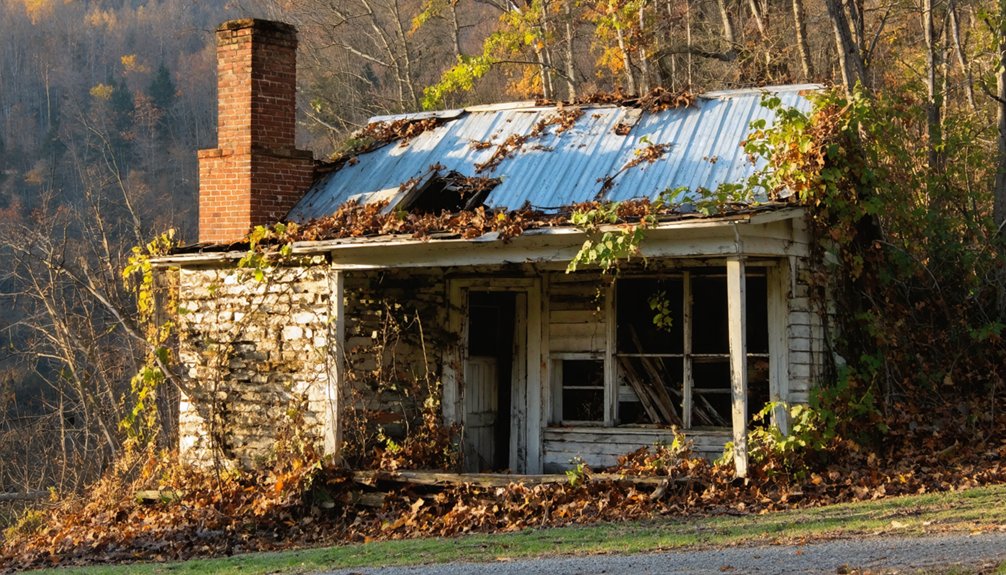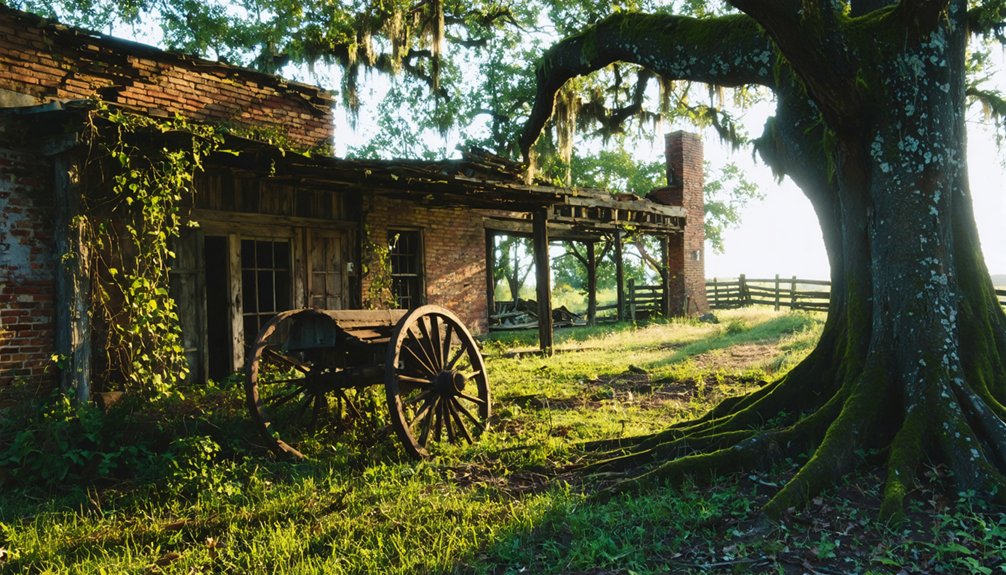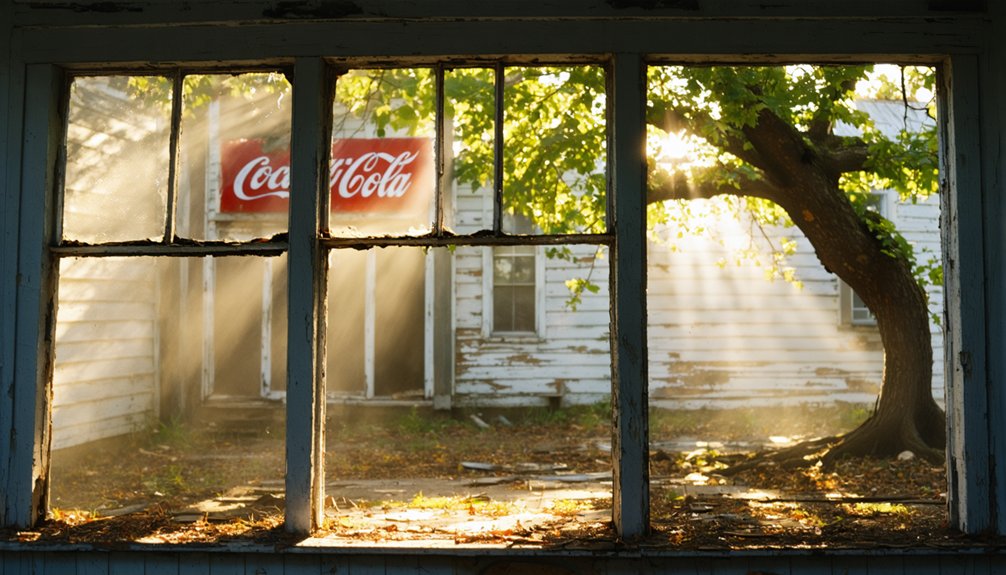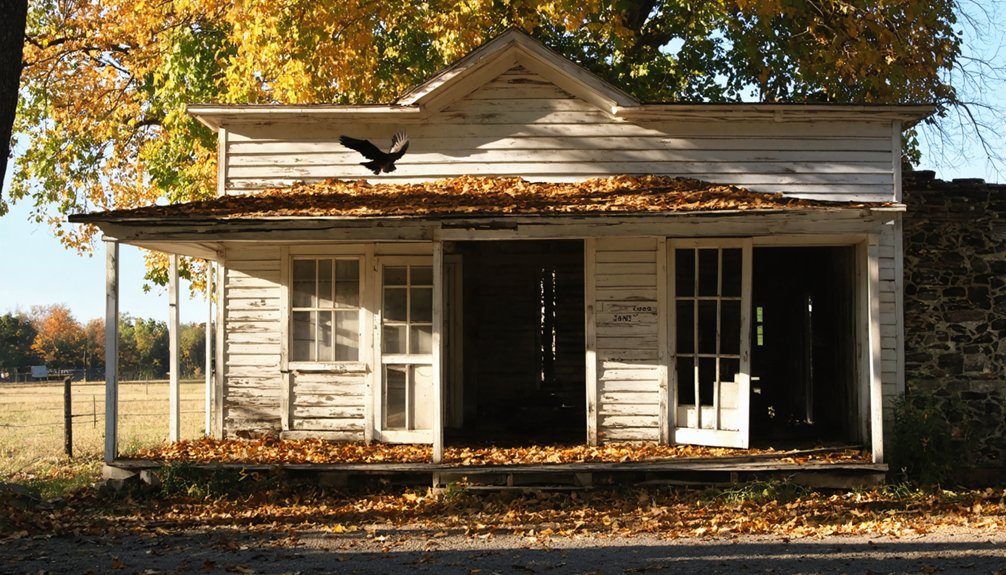
You’ll find fall is the sweet spot for exploring Arkansas’s ghost towns, with October delivering perfect 60-70°F temperatures and spectacular foliage around spots like Rush and Calico Rock. The crisp autumn air makes hiking old mining trails comfortable, while clear skies create ideal conditions for photography. Pack your camera to capture abandoned structures against a backdrop of reds and oranges, and don’t forget to stick around for the region’s spooky historical reenactments.
Key Takeaways
- Fall (October) offers the most ideal conditions with comfortable temperatures, stunning foliage colors, and clear skies for ghost town exploration.
- Spring provides mild temperatures and beautiful daffodil displays around abandoned buildings, with excellent hiking conditions along historic trails.
- Winter should be avoided due to hazardous terrain conditions, treacherous snow and ice, and lack of emergency shelter options.
- Early morning or late afternoon summer visits are possible but require extensive preparation for heat management and hydration.
- October specifically offers peak fall colors and coincides with numerous ghost town events, historical reenactments, and guided tours.
Seasonal Weather Patterns Affecting Ghost Town Exploration
As you venture into Arkansas’s forgotten settlements, the rhythm of seasonal weather patterns will shape your ghost town adventures throughout the year.
Summer’s low water levels in places like Buffalo National River reveal hidden ruins perfect for kayak exploration, though you’ll need to brave the heat. Spring brings blooming daffodils around Rush’s abandoned buildings, creating a hauntingly beautiful contrast of life and decay.
Fall brings ideal conditions with mild temperatures and stunning foliage framing abandoned structures against starlit skies. Take a 7.5-mile paddling trip from Buffalo Point to explore the ghostly remnants of Rush’s zinc mining era.
Autumn’s gentle days paint ghost towns in gold and crimson, nature’s perfect backdrop for exploring Arkansas’s haunting past.
Winter weather impacts can be harsh, with heavy snows burying sites and limiting accessibility, especially in the Ozarks.
You’ll find nature slowly reclaiming these places year-round – saplings growing through wooden planks in Agnos, rusted bicycles embraced by tree trunks, and seasonal winds carrying whispers through abandoned mines.
The clearest river conditions for exploring submerged remnants come during dry spells, while muddy roads after storms might challenge your expedition plans.
Spring Advantages for Arkansas Ghost Town Visits
You’ll discover Rush ghost town at its finest during spring, when mild temperatures make exploring the historic mining sites comfortable and enjoyable.
The yellow daffodils planted by long-gone residents create stunning displays around old stone foundations and along the Morning Star Loop Trail.
Buffalo National River’s pristine waters and blooming wildflowers provide a peaceful backdrop as you wander through this well-preserved piece of Arkansas mining history.
Visitors can learn about early mining operations at the blacksmith shop built in the 1920s, which played a vital role in maintaining equipment.
Hikers can explore the Morning Star Mine Loop with its educational signage that details the fascinating stories of this once-bustling zinc mining community.
Mild Weather Enhances Exploration
The gentle spring temperatures in Arkansas’ ghost towns create perfect conditions for deep exploration of these fascinating historical sites.
You’ll find comfortable hiking weather between 50-70°F as you wander through Rush’s mining ruins and historic structures. The mild temperatures mean you won’t battle summer’s exhausting heat while climbing rocky terrain or crossing open fields.
Spring’s stable weather patterns let you freely roam the Buffalo National River area without worrying about afternoon thunderstorms disrupting your adventure.
You’ll want to dress in layers since the weather can change quickly in the Ozarks, but the cooler temperatures are perfect for spending hours discovering abandoned buildings and equipment.
The pleasant conditions give you the freedom to take your time examining every fascinating detail of these preserved pieces of Arkansas history.
Zinc mining operations made Rush the most prosperous mining town in Arkansas during World War I.
Preserved sites like Monte Ne’s amphitheater peek out from Beaver Lake when water levels are lower during spring months.
Spring Wildflowers Add Beauty
While Arkansas ghost towns hold fascinating historical stories, springtime daffodils around Rush’s abandoned homes tell tales of their own.
You’ll find butter-colored blooms marking where families once lived, creating perfect spring photography opportunities against weathered stone walls and foundations.
From late March through early June, you’re free to explore trails bursting with wildflower varieties.
Photography enthusiasts will find endless inspiration capturing the natural beauty alongside historic ruins.
Head to Lost Valley Trail for trilliums and violets, or venture to Hemmed-In Hollow where columbines dot the path to the magnificent waterfall.
Spring ephemerals bloom quickly before tree leaves block the sunlight in these historic locations.
At Steel Creek’s meadows, you’ll discover riverbank blooms in their full glory.
Don’t miss Whitaker Point, where spring wildflowers frame spectacular Ozark vistas.
Time your visit when the Buffalo National River region explodes with color, transforming these ghost town remnants into natural galleries.
Summer Considerations and Safety Tips
You’ll need to pack twice as much water as you think you’ll need when visiting Arkansas ghost towns in summer, since temperatures at places like Rush can soar into dangerous territory during midday hours.
Your daypack should include essential safety gear like a first aid kit, sunscreen, bug spray, and a reliable map since dense summer vegetation can make trail markers harder to spot. Nature’s reclamation of these sites means you’ll encounter vines and trees growing through old structures.
If you’re planning to explore these historic sites during the hot season, you’re better off starting your adventures at sunrise or waiting until late afternoon when the mountain air begins to cool down those weathered mining ruins. East Calico’s stone buildings serve as reminders of the area’s once-bustling commercial district.
Extreme Heat Safety Protocols
Summer exploration of Arkansas ghost towns requires careful attention to extreme heat safety, especially with July temperatures soaring to 92°F and humidity levels reaching 75%.
You’ll need to time your adventures wisely – stick to early morning or late afternoon visits, and avoid wandering those weathered streets between 10 a.m. and 4 p.m. when the sun’s at its fiercest.
Keep a sharp eye out for heat exhaustion signs like dizziness, heavy sweating, or nausea. If these symptoms hit, find shade immediately and sip water.
For solid sun safety, dress smart in light-colored, loose-fitting clothes, and don’t forget your wide-brimmed hat. Tuck those pants into your socks to ward off unwanted critters, and always pack more water than you think you’ll need – these ghost towns won’t have working water fountains!
Essential Summer Gear Checklist
Being well-equipped can mean the difference between an unforgettable ghost town adventure and a miserable ordeal in the Arkansas heat.
You’ll want to pack your summer gear strategically, focusing on sun protection and moisture management. Start with a moisture-wicking long-sleeve shirt, convertible hiking pants, and a wide-brim hat to shield you from those intense Ozark rays.
Your hiking essentials should include a high-quality GPS app with offline maps, especially when exploring remote spots like Rush or Calico Rock.
Don’t forget your DEET-based repellent for those persistent ticks, and pack a pair of trekking poles for maneuvering steep mine trails.
Round out your kit with a broad-spectrum SPF 50+ sunscreen, polarized sunglasses, and a cooling towel – you’ll thank yourself when you’re exploring those exposed ghost town ruins.
Hydration and First Aid
Arkansas ghost towns demand serious attention to hydration and first aid, especially when the Delta sun starts cooking.
You’ll need to stay ahead of dehydration by drinking plenty of water before, during, and after exploring these remote sites. The humid Arkansas summers can make temperatures feel five degrees hotter, turning a casual adventure into a risky situation if you’re not prepared.
- Pack more water than you think you’ll need – these ghost towns aren’t exactly equipped with drinking fountains
- Keep a close eye on your hiking buddies for signs of heat exhaustion
- Know when to call it quits and seek shade if you’re feeling overheated
- Carry a basic first aid kit and know how to use it for heat-related emergencies
Stay smart with these hydration tips and first aid basics – they’re your ticket to freely exploring these forgotten places safely.
Fall Colors and Photography Opportunities
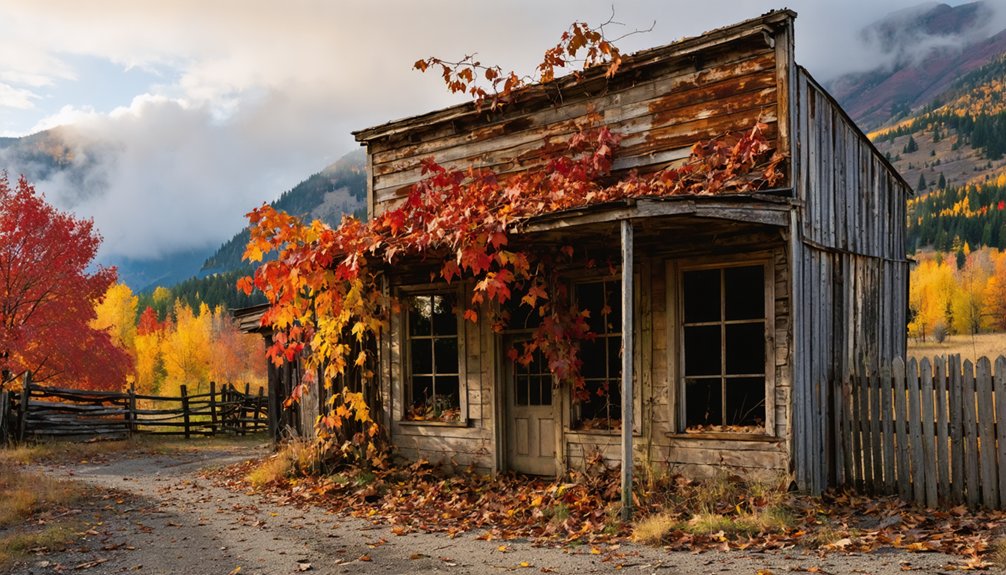
When golden sunlight bathes the Ozark Mountains each October, Arkansas’s ghost towns transform into a photographer’s paradise of blazing fall colors.
You’ll find the most striking fall foliage around Rush Township’s abandoned mines and Calico Rock’s historic ruins, where sugar maples burst into deep reds and vibrant oranges against weathered stone backdrops.
For the best photography techniques, head out on weekdays when crowds thin out.
You’ll want to capture Buffalo National River’s reflective waters and War Eagle Mill’s rustic charm during peak times – typically mid to late October.
Your cell phone camera can handle these dramatic landscapes just fine, especially during the golden hours.
Watch for extra magic when cool nights and sunny days intensify the colors, turning places like Peppersauce Ghost Town into a masterpiece of autumn hues.
Winter Access and Preservation Challenges
Despite their haunting beauty, Arkansas ghost towns pose unique winter challenges that’ll test your preparedness.
Venture into Arkansas’s abandoned settlements at your own risk – their ethereal winter charm masks serious survival challenges ahead.
The Rush Mining District’s rugged terrain demands serious winter precautions, with its steep 3.6-mile loop becoming treacherous in snow and ice. You’ll need a 4×4 to tackle the remote access roads, while preservation issues mean you can’t seek shelter in the crumbling structures dotting the landscape.
- Your heart’ll race as you navigate the Buffalo National River area’s sudden weather shifts, where Mother Nature shows no mercy.
- You’ll feel the weight of history as you witness century-old buildings slowly surrendering to winter’s freeze-thaw cycle.
- The isolation of these 1300-acre ghost towns reminds you just how far you’re from civilization.
- Your adventurous spirit’ll be tested by primitive conditions – no electricity, no water, just you and the wild Ozarks.
Popular Ghost Town Destinations by Season

Throughout the changing seasons, you’ll discover that each Arkansas ghost town offers its own special charm and accessibility.
Exploring the historic ghost towns in Arkansas allows you to step back in time and witness the remnants of once-thriving communities. From abandoned buildings to fascinating stories etched in history, each town tells a unique tale of its past. Don’t miss the opportunity to capture stunning photographs and create lasting memories in these enchanting locations.
In spring, you can paddle the Buffalo River near Rush’s historic zinc mining ruins, while Garvan Gardens’ April tulips create a stunning backdrop for exploring nearby ghost town architecture.
Summer draws you to Calico Rock’s Ghost Town District, where over 20 preserved buildings showcase the area’s historical significance during 2-3 hour self-guided tours.
Fall’s cooler temperatures make Mount Magazine’s ghost town trails particularly inviting, with spectacular foliage along Calico Rock’s White River bluffs.
Winter brings unique opportunities to explore Eureka Springs’ paranormal past, with year-round ghost tours at the Crescent Hotel and fewer crowds to compete with while investigating the town’s mysterious catacombs.
Local Events and Historical Reenactments
While autumn paints Arkansas’s ghost towns in vibrant hues, you’ll find yourself swept up in a whirlwind of spine-tingling events and historical reenactments that bring the past to life.
From the haunted events at Turpentine Creek’s Howl-O-Ween Spooktacular, where big cats prowl in moonlight, to the atmospheric Mountain Village 1890 Haunted History Tours, where paranormal investigators guide you through mysterious shadows, there’s adventure around every corner.
- Stand beside Judge Parker’s ghost on Fort Smith’s Murder and Mayhem Trolley Tour as you explore the city’s darkest secrets
- Witness Quapaw Nation members and historic reenactors bring tales of yesteryear to life in “Ghosts of the Past”
- Trek through Peppersauce Ghost Town’s 20+ historic structures at your own pace
- Experience the October Shadows tour at Clayton House, where Victorian spirits still linger
Transportation and Trail Conditions Throughout the Year
As you plan your ghost town adventures in Arkansas, you’ll need to navigate a mix of established highways and rustic back roads that lead to these fascinating sites. Highway 62 provides easy access to Rush Ghost Town, but you’ll want a 4WD vehicle for exploring more remote locations.
Trail accessibility varies throughout the year, so pack your seasonal gear accordingly. You’ll encounter rocky terrain on the Morning Star Loop and Mine Level Trail, where sturdy hiking boots are a must.
During warmer months, bring plenty of water and sun protection for the steep climbs. The natural preservation of these historic sites means you can explore year-round, with Buffalo River and Rush Creek offering invigorating stops along your journey.
Don’t forget to check road conditions after rain, as some routes can get rough.
Planning Your Ghost Town Adventure Based on Season
Since each Arkansas season brings its own distinct charm to ghost town exploration, you’ll want to time your visit carefully.
Fall emerges as the prime season, with crisp weather and stunning foliage framing your ghost town photography around Booger Hollow and Calico Rock.
Autumn’s cool breezes and vibrant leaves create the perfect backdrop for capturing Arkansas’s haunting abandoned towns in their full glory.
Spring offers blooming daffodils near Rush’s stone walls, while summer’s intense heat makes early morning visits essential.
Winter brings unique opportunities to spot seasonal wildlife like Trumpeter Swans near Magness Lake.
- Experience fall’s golden light illuminating weathered buildings while hiking Rush’s uncrowded trails
- Catch spring’s wild gardens breaking through remnants of forgotten homesteads
- Frame perfect shots during summer’s dawn hours before the heat takes hold
- Discover winter’s stark beauty and solitude at federally protected sites, with cozy lodging nearby
Frequently Asked Questions
Are There Any Paranormal Investigation Permits Required for Arkansas Ghost Towns?
While you’ll need tickets for guided hotel tours, you don’t need any special paranormal permits to explore Arkansas ghost towns – just respect private property and standard state park regulations.
Which Ghost Towns Allow Metal Detecting and Artifact Collecting?
You’ll need private landowner permission for metal detecting and artifact collecting in ghost towns. State and federal sites are off-limits, but Monte Ne’s private sections let you hunt with written approval.
Can Visitors Stay Overnight in Any Arkansas Ghost Towns?
You’ll find overnight accommodations at Calico Rock’s historic manor and Cold Creek Manor inside Arkansas’s ghost towns, but there aren’t any designated ghost town campsites. Most abandoned sites don’t allow overnight stays.
Do Any Arkansas Ghost Towns Have Guided Tours Available?
You’ll find guided tour options in Rush Ghost Town, where park rangers take you through Arkansas’s once-bustling zinc mining community, sharing tales of forgotten dreams and abandoned streets along Buffalo National River.
Are There Any Active Mining Claims Near Accessible Ghost Towns?
You won’t find any active claims near Arkansas’s accessible ghost towns nowadays – all that’s left is the mining history at spots like Rush and Zinc, which you’re free to explore.
References
- https://arkansasfrontier.com/ghost-towns-in-arkansas/303766/
- http://freepages.rootsweb.com/~gtusa/history/usa/ar.htm
- https://www.axios.com/local/nw-arkansas/2024/01/02/arkansas-ghost-towns-mapped
- https://www.youtube.com/playlist?list=PL4jqwLUrhjNQTUht0FCp8mnQYi_DNiUWU
- https://kkyr.com/arkansas-top-5-ghost-towns/
- https://aymag.com/arkansas-backstories-ghost-towns/
- https://www.uaex.uada.edu/environment-nature/musings-on-nature-blog/posts/ghost-towns.aspx
- https://abandonedar.com
- https://kids.kiddle.co/List_of_ghost_towns_in_Arkansas
- https://onlyinark.com/places-and-travel/rush-arkansas-ghost-town/