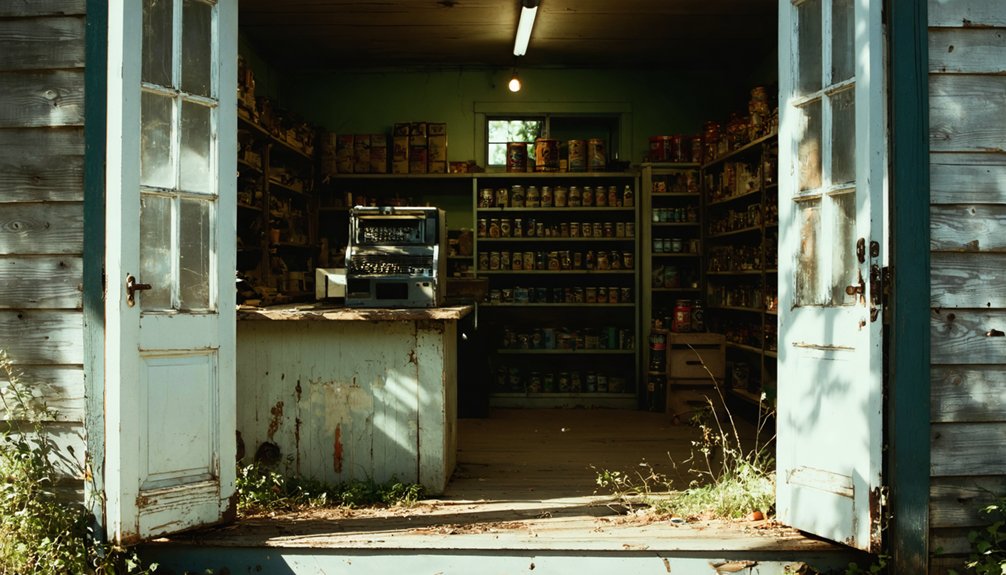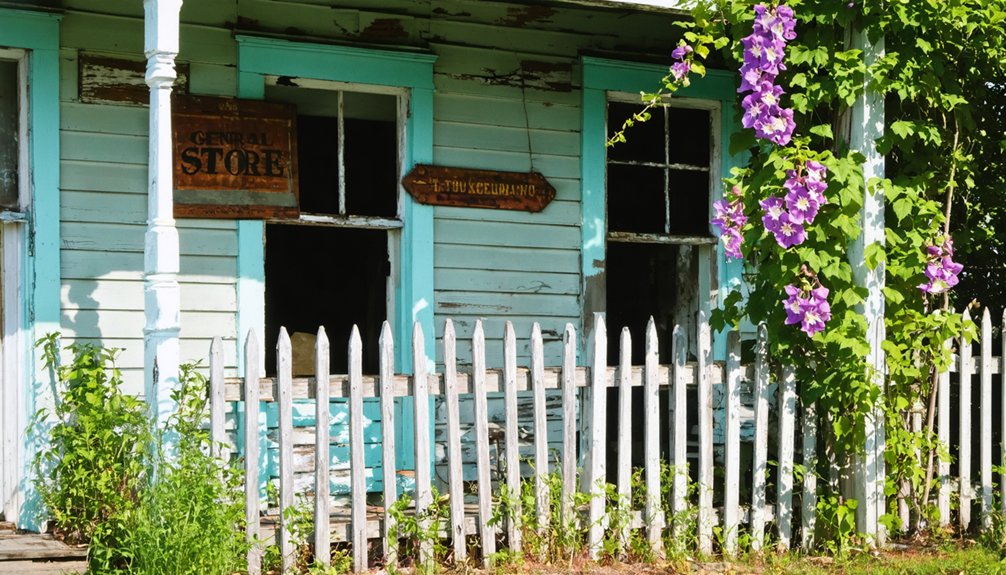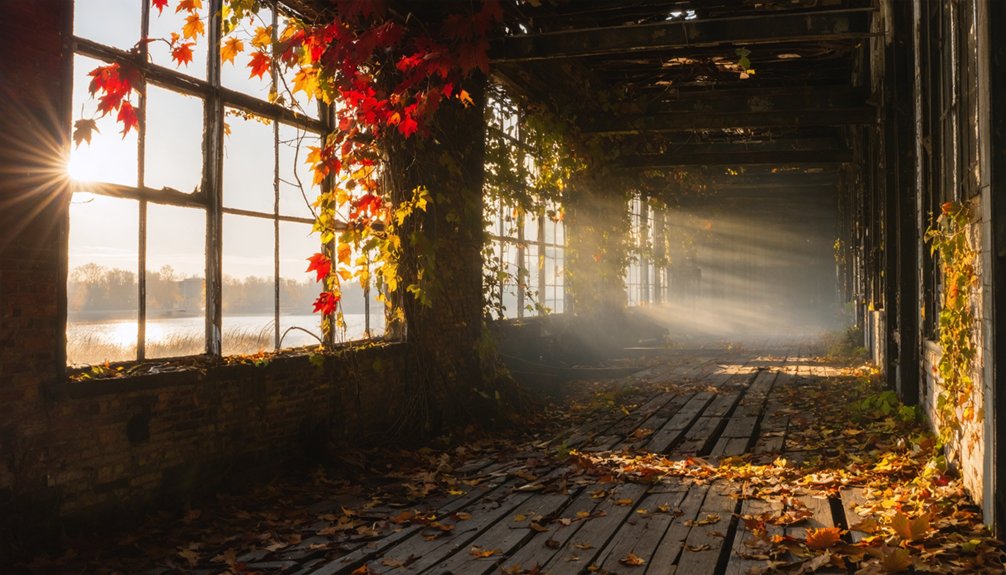
You’ll find the ideal times to explore Delaware’s ghost towns during spring (March-May) and fall (September-November). Spring offers stable weather, reduced vegetation, and extended daylight for photography, with temperatures ranging from 31-50°F. Fall brings dramatic foliage and special access through themed tours, while avoiding summer’s crowds and humidity. Both seasons minimize coastal flooding risks and hurricane threats that affect historical sites like Glenville and Sea Breeze. Further seasonal considerations can enhance your ghost town expedition planning.
Key Takeaways
- October is the prime month for ghost town visits, featuring organized ghost tours, festivals, and ideal weather conditions.
- Spring months (March-May) offer stable weather, minimal vegetation, and optimal 31-50°F temperatures for clear site access.
- Fall season (September-November) provides comfortable exploration conditions with fewer crowds and dramatic photography opportunities.
- Avoid summer for hurricane risks and winter for nor’easters; these seasons pose significant safety hazards for ghost town visits.
- Spring and early fall deliver 13.5 hours of daylight, mild temperatures, and low humidity ideal for photography and exploration.
Seasonal Weather Patterns in Delaware’s Ghost Towns
While Delaware’s ghost towns face threats year-round, their seasonal weather patterns create distinct challenges for visitors.
During winter, you’ll encounter nor’easters that pile several feet of snow against abandoned structures, particularly in coastal locations. Coastal areas like Rehoboth Beach can transform into real ghost towns during severe storms. Summer brings increased risks of saltwater intrusion, especially during dry spells, while fall hurricane season poses significant flood awareness concerns.
Climate change has intensified these patterns, with sites like Glenville and Sea Breeze showing the devastating effects. The railroad town ruins scattered across the state are particularly susceptible to erosion and decay from severe weather events.
You’ll witness stark evidence in the ghost forests visible from Route 1, where saltwater inundation has killed vast stands of trees. Spring often brings the most stable conditions, though Red Clay Creek’s floodplain remains unpredictable.
Waterfront ghost towns are particularly vulnerable to tidal flooding, which worsens during storm surges and sea level rise events.
Peak Exploration Months for Historical Sites
Understanding Delaware’s weather patterns helps pinpoint the ideal months for ghost town exploration.
You’ll find October emerges as the premier month, featuring ghost tours at the Indian River Life-Saving Station and the Sea Witch® Festival’s haunted expeditions through Lewes and Dewey Beach. The fall season, particularly September through November, offers excellent conditions with reduced crowds and cooler temperatures for extended site visits. With careful planning, you can explore landmarks like Pine Grove Furnace during these months to experience historical sites that operated in the 1700s. The abandoned town of Sussex-Banning stands as a stark reminder of Tropical Storm Henri’s devastating impact in 2003.
Spring provides another prime window, especially March through May, when minimal vegetation allows clear access to sites like Woodland and Saint Johnstown.
You’ll encounter fewer insects and lighter traffic during these months. Seasonal events peak in October with multiple haunted tours across the Lewes-Rehoboth corridor, while sites like Fort Delaware feature specialized ghost story programs throughout autumn.
Summer Visitation Challenges and Considerations
Despite the allure of summer exploration, Delaware’s ghost towns present significant challenges during peak tourist season.
You’ll encounter intense crowd management issues at coastal locations, where packed shorelines and severe traffic congestion diminish the authentic experience. Short-term rentals transform quiet neighborhoods into noisy tourist zones, requiring strategic noise mitigation planning for your visit.
The surge in summer visitors affects site accessibility and accommodation options. Expect long delays as Route 1 traffic backups stretch drives from 20 minutes to over 90 minutes.
You’ll find property management signs dominating formerly residential blocks, while rental costs soar during peak months. Historical sites like the Addy Sea Bed & Breakfast report frequent occurrences of phantom piano music during crowded summer evenings. Even traditionally peaceful areas like Fenwick Island and North Bethany now show signs of overcrowding.
While historical sites remain open, the overwhelming tourist presence can detract from the eerie ambiance that makes ghost towns compelling, particularly during daytime hours when crowds peak.
Spring Benefits for Ghost Town Photography
Spring’s emerging wildflowers and fresh vegetation create compelling contrasts against weathered ghost town structures, while native species like horseshoe crabs provide unique foreground elements for your compositions.
You’ll find ideal shooting conditions from March through May, when mild temperatures and reduced humidity allow for extended outdoor sessions without the harsh shadows of summer.
The season’s lengthening daylight hours give you expanded opportunities for golden hour photography, particularly during dawn shoots when historic sites are illuminated by warm, diffused light. A sturdy tripod setup is essential for capturing sharp details in these changing light conditions.
Make sure to capture intimate details of any remaining table settings and posters to tell the story of life in these abandoned places.
Blooming Flora Enhances Ruins
While Delaware’s ghost towns captivate visitors year-round, the arrival of March through May transforms these abandoned sites into striking photographic canvases.
You’ll discover vibrant wildflower photography opportunities at locations like Cape Henlopen State Park, where spring blooms frame weathered structures against coastal backdrops. The WWII fire towers stand as dramatic focal points among the seasonal flowers at Gordons Beach. The flora symbolism creates compelling narratives – fresh daffodils and tulips contrast powerfully with Glennville’s forgotten settlements, while forsythia and azaleas highlight crumbling facades at Bancroft Mills. The gravel trail leading to Thompson’s Beach offers unique perspectives of nature reclaiming abandoned town remnants.
You’ll find ideal shooting conditions in mid-April when blooms peak across Delaware’s six ghost towns. The spring palette of purples, whites, and reds intensifies during golden hour, especially along Delaware Bay’s shoreline paths.
Pre-summer humidity preserves delicate petal details, allowing you to capture nature’s reclamation of these historic ruins.
Mild March-May Temperatures Ideal
The mild temperatures of March through May create perfect conditions for photographing Delaware’s ghost towns.
You’ll find comfortable temperatures between 31-50°F (-1-10°C), allowing for extended sessions exploring sites like Glenville and Robinsonville without heat fatigue. March exploration benefits from stable weather patterns, making multi-day photography trips more predictable.
Spring’s lighting conditions work to your advantage with longer daylight hours and ideal sun angles.
You’ll capture dramatic shadows across deteriorating facades while benefiting from typical spring cloud cover that diffuses light evenly across your subjects. The season’s lower humidity levels protect your camera equipment, while reduced vegetation ensures clear views of architectural details.
These factors combine to provide you with the technical advantages needed for documenting Delaware’s abandoned settlements in their most photogenic state.
Extended Spring Daylight Hours
During Delaware’s vernal equinox, you’ll benefit from progressively lengthening daylight hours that extend your ghost town photography sessions well beyond standard winter limitations.
Exploring the best photography spots in Delaware can yield stunning images of the changing landscape. From picturesque parks to charming coastal vistas, each location offers unique opportunities for capturing the essence of spring. As the season unfolds, these sites will provide a vibrant backdrop for your creative expression.
By late April, you’ll have approximately 13.5 hours of natural light, with sunrise starting around 5:30 AM and sunset pushing past 8:00 PM.
These extended daylight conditions create prime photographic opportunities during two golden hour periods.
Morning fog and mist, common in Delaware’s spring months, provide natural diffusion for your structure photography, while the extended twilight enables dramatic silhouette shots against colored skies.
You’ll have ample time to explore multiple locations in a single day, document sites thoroughly, and capture the ethereal qualities of abandoned places without rushing to beat nightfall.
Fall’s Unique Advantages for Site Access
Autumn delivers unmatched opportunities to explore Delaware’s ghost towns, as coastal destinations transform from crowded summer hotspots into serene historical sites.
You’ll discover haunted encounters at iconic locations like the Indian River Life-Saving Station and Lewes Historical Society, which offer specialized October tours. The mild early fall weather creates perfect conditions for exploring abandoned settlements, while ghostly stories intensify during pre-Halloween events at Rehoboth Beach and Dewey Beach.
- Experience spectral sailor sightings near Dagsworthy Street’s abandoned shores under October’s waning light
- Access restricted historical buildings through themed Halloween tours of Southern Delaware’s haunted structures
- Navigate flood-prone ruins like Glenville and New Market with ideal visibility in fall’s stable conditions
Coastal Location Weather Factors
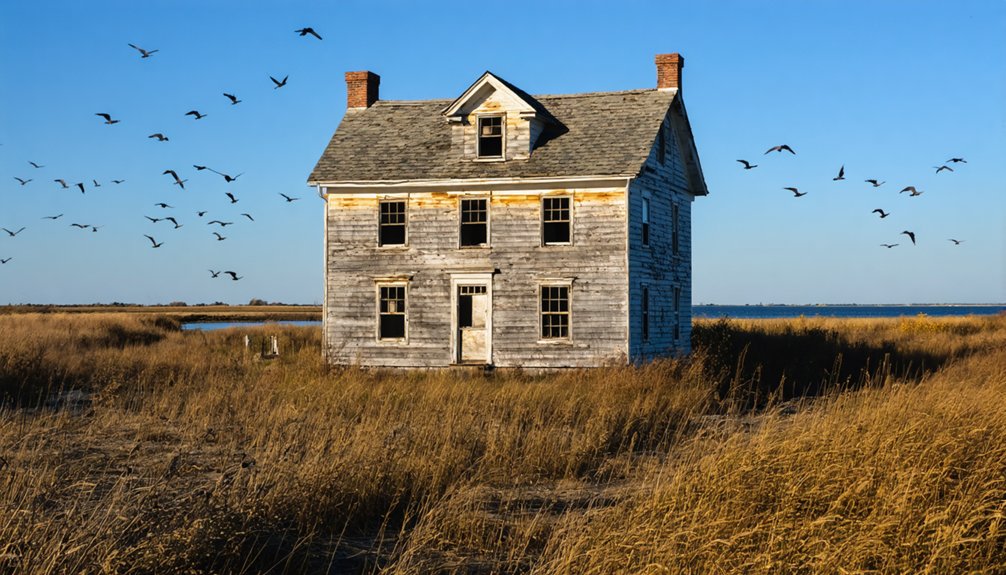
You’ll need to monitor coastal ghost towns‘ distinct storm impact zones, where nor’easters can dump nearly a foot of snow and create dangerous 30-40 mph wind gusts along Delaware’s beaches.
Maritime weather patterns greatly influence accessibility, with precipitation chances ranging from 20% to 90% depending on seasonal cold fronts and coastal low-pressure systems.
The combination of sea level rise and increasingly extreme weather events has transformed some coastal areas into literal ghost forests, offering a stark preview of climate change’s future impact on Delaware’s shoreline communities.
Storm Impact Zones
Weather patterns along Delaware’s coast greatly influence the accessibility of its ghost towns, particularly during peak storm seasons. Storm surge impacts can make coastal ghost town sites temporarily inaccessible, while flooding risks increase considerably during the Atlantic hurricane season from June through November.
Delaware’s coastal regions face varied weather challenges that affect exploration opportunities throughout the year.
- Historic settlements near the shoreline experience storm surge heights up to several feet, potentially limiting access to archaeological sites and structural remains.
- Low-lying ghost town locations can become completely submerged during severe coastal flooding events.
- Northeasters and tropical systems create dangerous conditions that may persist for several days, requiring careful planning for safe exploration.
When planning your ghost town visits, you’ll need to monitor coastal weather forecasts and time your explorations outside major storm periods.
Maritime Weather Patterns
Maritime conditions along Delaware’s ghost town coastline present distinct challenges for visitors throughout the year.
You’ll encounter predominant NW winds of 5-10 knots that shift westerly during afternoons, while SSW winds intensify to 10-15 knots along Sussex County’s historic ruins. Marine influences moderate coastal temperatures, keeping abandoned settlements warmer than inland areas, with highs reaching 44-48°F.
Watch for challenging periods when SW winds surge to 15-20 knots offshore, creating seas of 2-4 feet with south-running waves at 5-6 second intervals.
During winter frontal passages, visibility can drop to 1-3 nautical miles, particularly in bay areas. Your best exploration windows come during Wednesday nights when variable winds drop below 5 knots and seas settle to 1 foot, offering ideal conditions for coastal ghost town access.
Natural Hazards and Timing Your Visit
While Delaware’s ghost towns offer fascinating glimpses into the past, natural hazards pose significant risks that visitors must consider when planning their explorations.
You’ll need to navigate flood risks in places like Glenville near Red Clay Creek, and geological hazards including sinkholes in the Hockessin area. To maximize safety and accessibility, plan your ghost town visits during spring or early summer when natural hazard probabilities are lowest.
- Avoid late summer through early fall when hurricane threats peak and storm surges can raise Delaware Bay water levels by 6 feet in just one hour.
- Skip winter months when severe northeasters generate 20-foot waves and coastal flooding.
- Watch weather forecasts carefully in flood-prone northern regions, especially near the Delaware Piedmont where flash flooding can occur during major rain events.
Historical Site Preservation Conditions
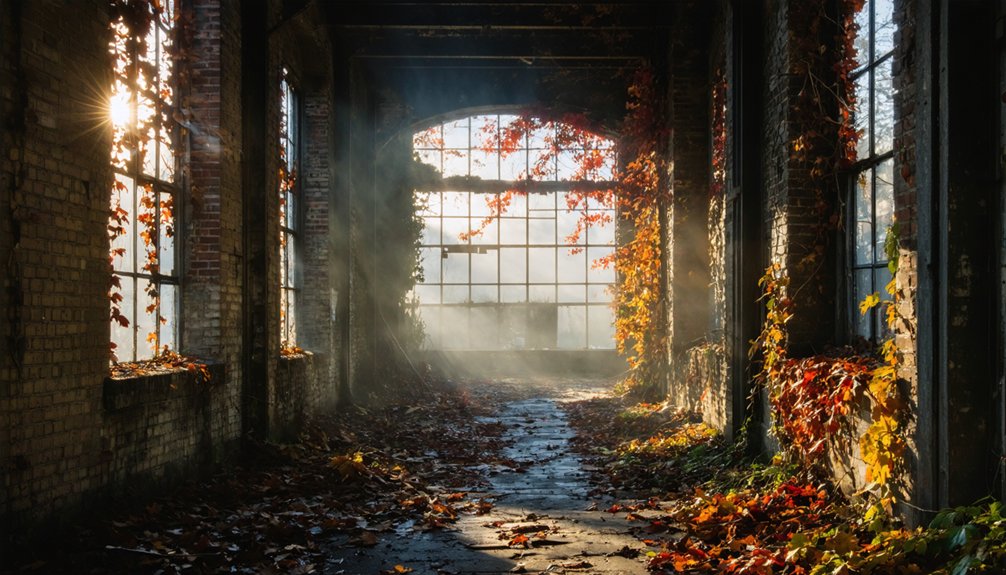
Beyond natural hazards, the preservation status of Delaware’s ghost towns greatly affects your visiting experience.
You’ll find varying levels of protection across different sites, from well-preserved structures like the Allee House to abandoned communities like Glenville. Delaware’s preservation policies, managed by the State Historic Preservation Office, focus particularly on resources from 1830-1940.
When exploring these sites, you’ll notice how preservation efforts shape what remains accessible. Fort Delaware showcases multiple construction periods, while Glenville presents a more recent abandonment scenario from 1999.
The state’s extensive preservation plan emphasizes historical significance through careful documentation and protection. You’ll encounter sites under active preservation alongside those scheduled for demolition, offering a unique glimpse into how Delaware balances heritage conservation with development needs.
Frequently Asked Questions
Are Camping Permits Required Near Delaware’s Ghost Town Sites?
You’ll need to check specific camping regulations, as Delaware’s elusive ghost towns don’t come with modern amenities or clear permit requirements. Contact local authorities about camping rules in your desired location.
Which Ghost Towns Have Paranormal Investigation Restrictions or Special Access Requirements?
You’ll need advance permits for paranormal activities at Fort Delaware, Fort Mifflin, and Rockwood Mansion. These sites enforce strict investigation protocols including guide requirements, time restrictions, and pre-approved equipment lists.
Do Any Locations Offer Guided Historical Tours of Ghost Towns?
Like stepping through time’s doorway, you’ll find guided tours rich in historical significance at Dover’s Dark History Tour, New Castle’s Amstel House, and Lewes Legends – each weaving tales of Delaware’s ghostly past.
What Emergency Services Are Available Near Remote Ghost Town Locations?
You’ll need to store emergency contacts for local law enforcement before exploring Delaware’s remote ghost towns, as available services and response times in these isolated areas remain undocumented.
Are Metal Detectors Allowed at Delaware’s Abandoned Town Sites?
You can’t metal detect at Delaware’s ghost towns like New Market or Saint Johnstown without permission, as metal detecting regulations and ghost town preservation laws protect these historic sites under ARPA’s jurisdiction.
References
- http://freepages.rootsweb.com/~gtusa/history/usa/de.htm
- https://99wfmk.com/delaware-ghost-town-and-abandoned-mine/
- https://www.youtube.com/watch?v=ex8Hld_imPU
- https://yesterdaysamerica.com/rediscovering-the-forgotten-towns-of-delaware-county/
- https://en.wikipedia.org/wiki/List_of_ghost_towns_in_Delaware
- https://kids.kiddle.co/List_of_ghost_towns_in_Delaware
- https://www.visitkeweenaw.com/listing/delaware-the-ghost-town/515/
- https://wtop.com/category-beach-traffic-and-weather/2022/01/noreaster-snow-creates-beach-ghost-towns-in-coastal-areas/
- https://wpst.com/theres-an-abandoned-beach-town-off-the-delaware-bay-in-nj/
- https://en.wikipedia.org/wiki/Glenville