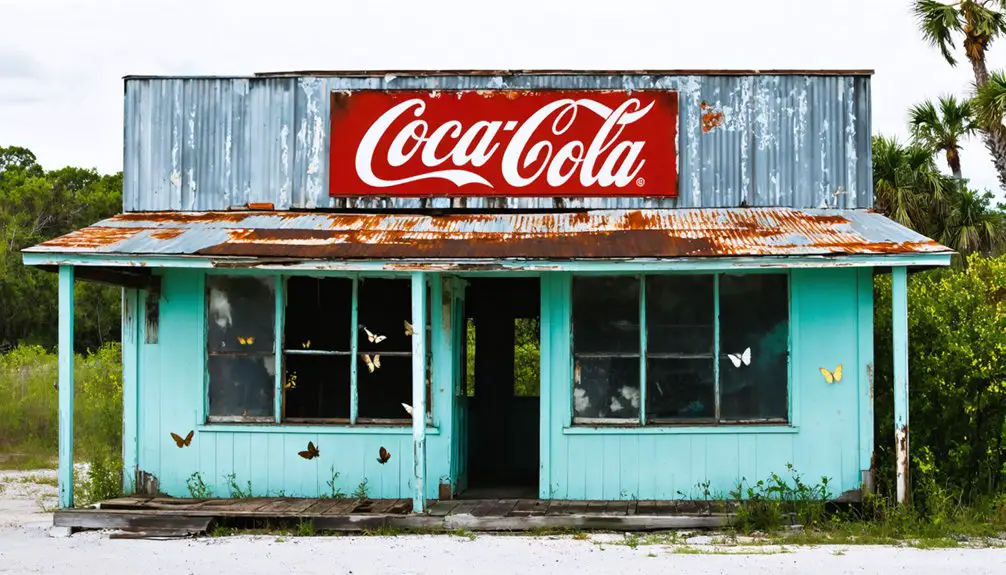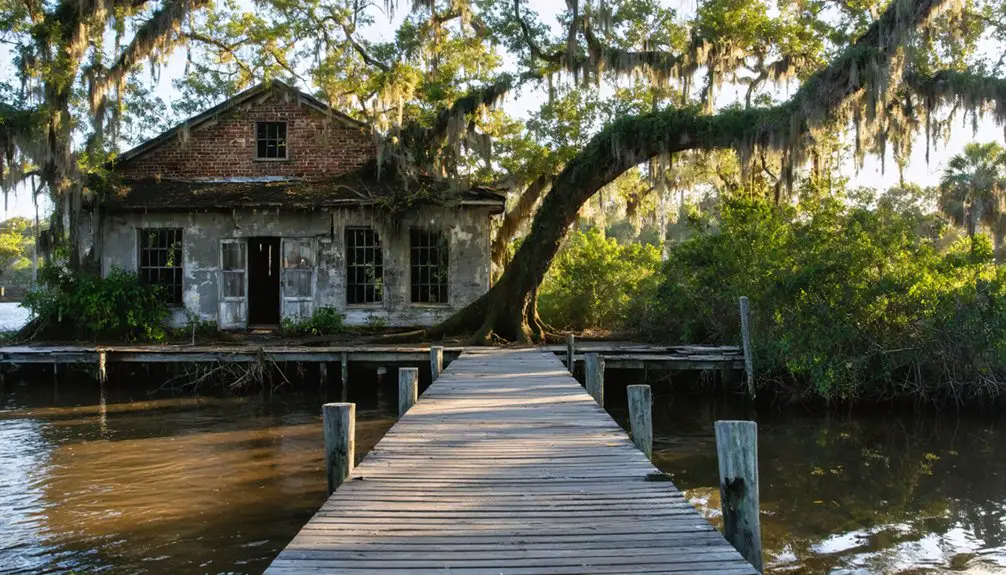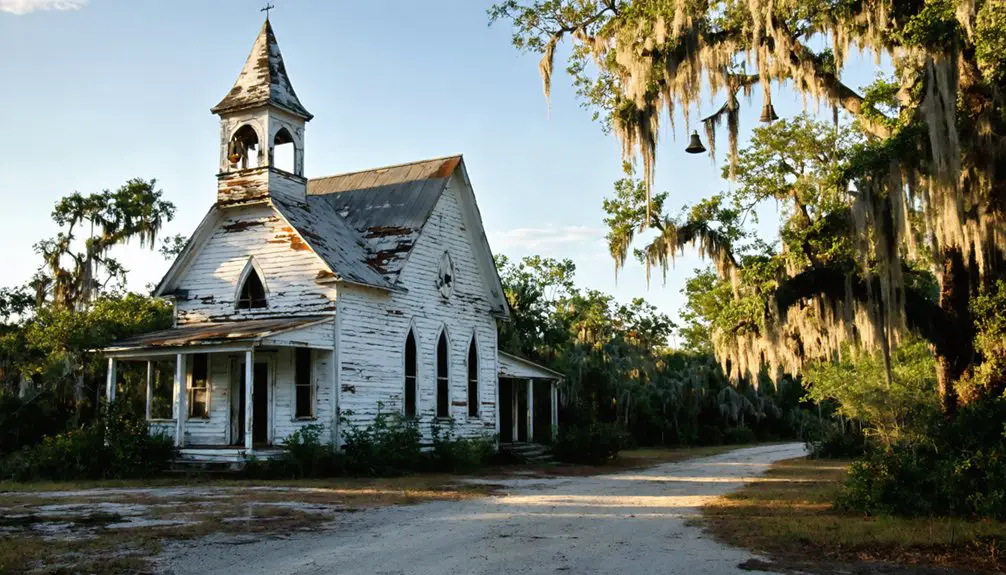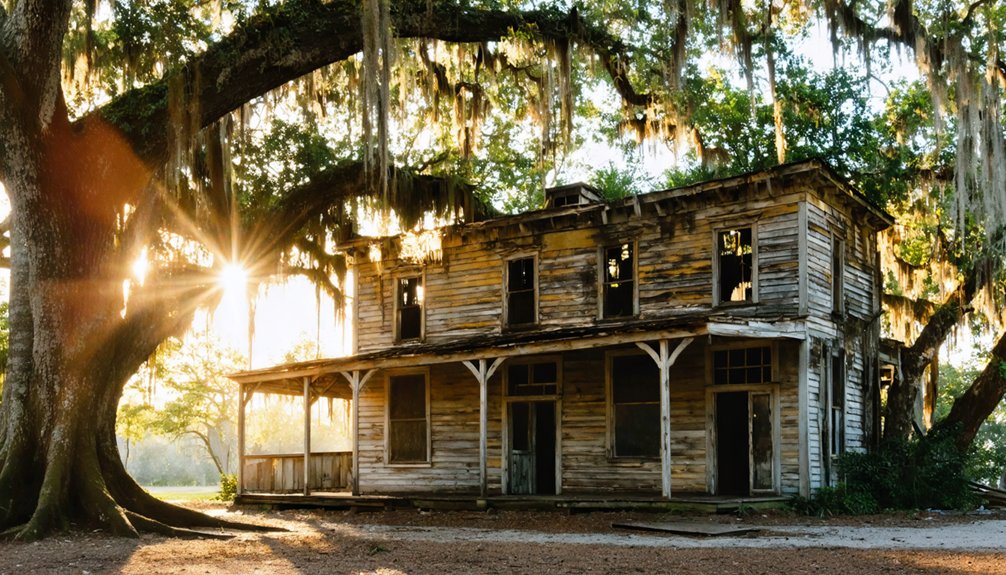
You’ll find the best conditions for exploring Florida’s ghost towns during the winter months of December through April. Temperatures remain mild, rarely dropping below 50°F, while humidity and mosquito activity stay low. The absence of afternoon thunderstorms and hurricane threats makes winter exploration safer and more comfortable. Early morning visits offer ideal photography opportunities and wildlife viewing, particularly in coastal areas. Further investigation reveals specific regional considerations that can enhance your ghost town adventure.
Key Takeaways
- Winter months (December-February) offer the most comfortable exploration conditions with temperatures rarely below 50°F and reduced humidity.
- October through April provides optimal coastal ghost town access with minimal storms, humidity, and insects.
- Early morning visits are recommended year-round, especially during summer months when temperatures and humidity peak.
- Avoid September visits due to peak hurricane activity, which accounts for one-third of all Florida hurricanes.
- December through May offers the safest exploration period with rare storms and ideal conditions for extended walks and photography.
Winter: Prime Season for Ghost Town Exploration
While Florida’s ghost towns beckon visitors year-round, winter emerges as the ideal season for exploring these abandoned settlements.
You’ll discover favorable conditions as temperatures rarely fall below 50 degrees Fahrenheit, creating perfect scenarios for extended walks through historic ruins.
Winter wildlife viewing reaches its peak during these months, especially in areas like Indian River Lagoon where manatees gather in greater numbers.
The season’s mild climate provides excellent photography opportunities amid the dramatic winter light that illuminates abandoned structures, from Fort Dade’s military remnants to Eldora’s restored homestead.
You’ll appreciate the reduced humidity and absence of mosquitoes that typically plague summer visitors.
The comfortable temperatures mean you can explore freely with just light layers, whether you’re climbing Battery Mellon’s steep paths or wandering through Ellaville’s peaceful trails until sunset.
Natural disasters have shaped many of these historic sites, leaving behind dramatic evidence of their destructive power.
Visitors can explore the Hillman Bridge site while enjoying the crisp winter air and unobstructed views of the historic landmark.
Weather Considerations for Different Florida Regions
You’ll find distinct weather patterns across Florida’s regions that considerably impact ghost town accessibility, with coastal locations experiencing more stable temperatures but higher humidity compared to inland sites.
Central Florida’s variable rainfall patterns can affect road conditions and exploration timing, particularly during the wet season from May through October when afternoon thunderstorms are common. Florida’s position between the Gulf of Mexico and Atlantic Ocean contributes significantly to its extreme weather events and variable conditions throughout the year. During summer months, visitors should be prepared for 90-plus thunderstorm days annually, making early morning explorations advisable.
North Florida’s more pronounced seasonal changes create ideal visiting windows during spring and fall, when temperatures are moderate and rainfall is less frequent than in other seasons.
Coastal Town Heat Patterns
Since Florida’s coastal regions span multiple climate zones, understanding local heat patterns is essential for ghost town exploration.
You’ll find the northern panhandle experiences summer highs near 95°F, while the Keys stay around 90°F. Coastal humidity and ocean breezes play vital roles in your comfort level, as heat indexes regularly climb to 103°F-110°F statewide.
The southeast coast maintains daily maximums in the upper 80s with minimum temperatures in the mid-70s. With Florida being 75% coastal land, the surrounding waters significantly influence temperature variations throughout the state. Coastal water temperatures reach 76.6°F near Lake Worth Pier during winter months.
You’ll encounter different patterns across climate zones: the humid subtropical north has dry winters and hot summers, while the tropical savanna around Fort Myers features drier winters with year-round warmth.
The tropical monsoon climate near Miami brings pronounced wet seasons, where afternoon thunderstorms are common due to intense convection patterns.
Central Region Rainfall Impact
Because central Florida’s rainfall patterns follow distinct wet and dry seasons, planning your ghost town visits requires careful timing.
You’ll encounter the heaviest precipitation from June through September, when summer thunderstorms deliver nearly 8 inches of rain monthly. This wet season accounts for 60% of the annual rainfall, potentially limiting your exploration opportunities.
For ideal ghost town exploration, target the extended dry season from October through May, when monthly rainfall averages only 3 inches. Mean monthly temperatures show minimal variation throughout this period, making planning more predictable.
Winter months, particularly November through February, offer the driest conditions with just 1.8-2.6 inches of monthly precipitation. The mild winter temperatures between 11-21°C make outdoor exploration comfortable during these months.
April and May present another favorable window, experiencing reduced rainfall during this secondary dry period.
These patterns allow you to maximize your time investigating abandoned structures while minimizing weather-related disruptions.
North Florida Seasonal Changes
While central Florida experiences moderate seasonal shifts, north Florida’s climate presents more pronounced weather variations throughout the year.
Winter freezes occur more frequently in northern Florida compared to other regions of the state, affecting both vegetation and outdoor activities.
You’ll encounter ideal ghost town photography conditions during spring and fall when temperatures remain comfortable and rainfall is minimal. Spring brings highs in the mid-70s°F with blooming seasonal flora, though you’ll want to avoid the love bug peaks in late April.
Fall offers similar advantages with temperatures in the 70s-80s°F and decreased precipitation. Summer’s afternoon thunderstorms and high humidity can hamper exploration, while winter delivers mild, sunny days perfect for extended outdoor shoots. In northern regions, deciduous trees change creating dramatic backdrops for ghost town exploration.
Your best window for capturing atmospheric shots falls between March-May or October-November when clear skies, moderate temperatures, and minimal rainfall create prime exploration conditions.
Planning Around Hurricane Season
When planning your Florida ghost town expedition, understanding hurricane season patterns is critical for both safety and prime timing.
You’ll want to avoid peak hurricane activity from mid-August through October, when nearly 75% of tropical cyclones impact the state. For ideal hurricane preparedness, consider scheduling your visits between December and May, when storms are extremely rare.
If you must explore during hurricane season, June and July offer lower risk periods, though you’ll need to maintain vigilant storm tracking.
September poses the highest threat, accounting for one-third of all Florida cyclones since 1851. Recent hurricanes like Helene and Milton demonstrate the potential severity of peak-season storms, with devastating impacts exceeding $30 billion in damages.
September’s fury unleashes one-third of Florida’s hurricanes, with modern storms like Helene and Milton wreaking unprecedented multibillion-dollar devastation.
Monitor National Hurricane Center advisories closely when planning your ghost town adventures during these months.
Summer Heat and Access Limitations
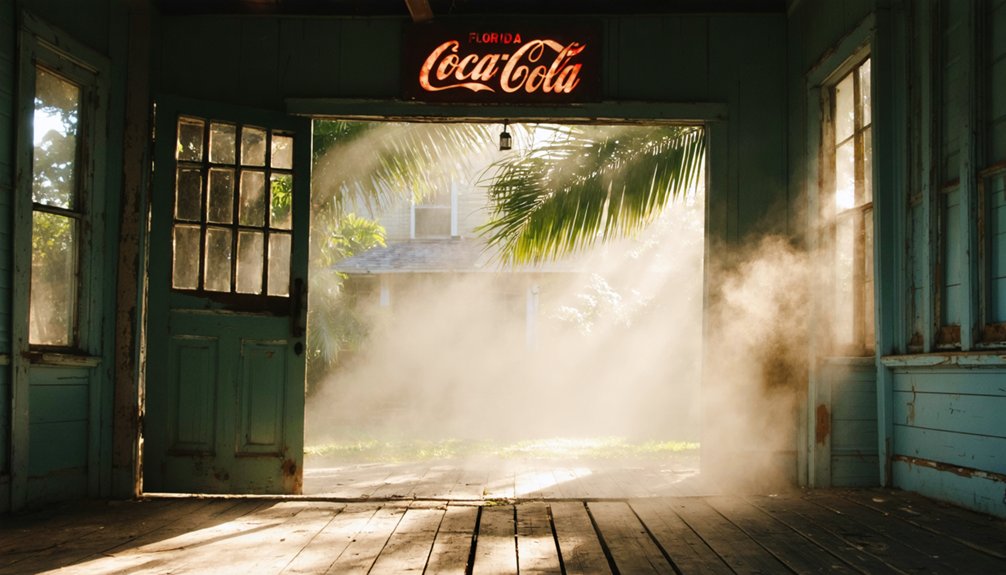
You’ll need to prepare for Florida’s intense summer heat and humidity, which can make exploring ghost town ruins particularly challenging with heat indices often exceeding 100°F.
Your access to historical sites will be restricted to daylight hours between 8 a.m. and sunset, though the most viable exploration window is during early morning before peak temperatures.
Essential protective gear for summer visits includes both insect repellent and sunscreen, as mosquitoes thrive in the humid conditions around riverine ruins like Ellaville.
High Humidity Hiking Challenges
Exploring Florida’s ghost towns during summer months presents significant physiological challenges due to the intense heat and humidity levels.
You’ll encounter moisture-laden air that can make even moderate hikes feel strenuous, requiring careful planning and adaptation of your hiking strategies.
The humidity effects intensify as you navigate through sandy or swampy terrain, where your footwear choices become essential.
You’ll need waterproof or quick-drying boots to handle frequent creek crossings and wet conditions.
The combination of high temperatures and moisture creates an especially demanding environment that can quickly drain your energy and impact your hiking experience.
To combat these challenges, you’ll want to plan your ghost town explorations for early morning hours when humidity levels are typically lower.
This timing helps you avoid the most oppressive conditions while maintaining your comfort and safety.
Ruins Access Limited Daily
Despite limited research data on Florida ghost town access patterns, seasonal restrictions and safety protocols generally dictate when visitors can explore these historic ruins.
While specific ghost town accessibility information isn’t readily available, standard preservation practices and safety considerations typically guide summer visitation patterns at historic sites throughout Florida.
- Most historic ruins limit daily visitor numbers to protect structural integrity and guarantee guest safety.
- Early morning access is often preferred during summer months to avoid peak heat conditions.
- Site managers may restrict exploration during extreme weather events or unsafe conditions.
- Some locations require advance reservations or guided tours to control visitor impact.
- Seasonal closures or reduced hours might be implemented during periods of excessive heat or storm risks.
When planning your ghost town visits, you’ll need to verify current access protocols directly with site managers or local historical societies.
Protective Gear Essential
The five essential protective gear categories guarantee visitor safety when exploring Florida ghost towns during intense summer conditions.
You’ll need heat-protective clothing including long-sleeve shirts, durable pants, and a protective jacket made from fire-resistant materials that won’t shrink beyond 10% in extreme temperatures.
Your respiratory protection should include a proper respirator, as surgical masks won’t seal effectively in hot, smoky conditions.
Equip yourself with heavy-duty gloves meeting NFPA 1977 standards and sturdy boots with ankle support for unstable terrain.
Combat prevalent insects with bug repellent while wearing high-visibility clothing that aligns with Florida DOT requirements.
Finally, carry a thorough first aid kit with heat-specific supplies and defensive equipment for wildlife encounters in remote locations.
Peak Tourist Season vs. Ghost Town Visitation
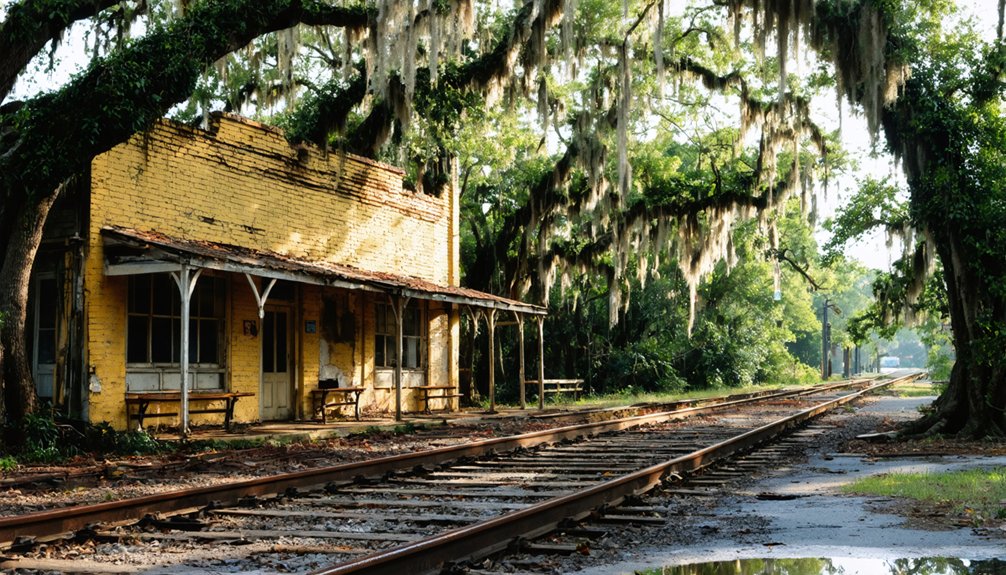
While Florida’s peak tourist season traditionally draws massive crowds during winter months, visiting ghost towns proves more advantageous during summer’s unexpected lull.
Recent tourist trends show a significant shift, with summer 2025 experiencing unprecedented slowdowns, particularly in beach areas where businesses report 30% declines. Your exploration of these historic sites benefits from changing visitor preferences and economic factors creating prime conditions.
- Summer beach destinations transform into peaceful ghost towns with minimal tourist interference
- Average theme park wait times drop to just 24 minutes in late summer
- Canadian travelers decrease by over 35%, reducing international crowds
- September offers ideal timing before Columbus Day rush
- Economic pressures create uniquely uncrowded coastal experiences
This counter-seasonal approach lets you maximize your ghost town visits while avoiding traditional peak-season obstacles.
Seasonal Road and Trail Conditions
Seasonal road conditions present distinct challenges when exploring Florida’s ghost towns, with natural barriers and weather impacts greatly affecting accessibility throughout the year.
You’ll find trail accessibility notably improved during winter months when decreased tourism creates open roadways and abundant parking near historical sites. However, you’ll need to exercise caution on bike paths and trails, as Florida consistently ranks among the nation’s most dangerous states for cyclists.
Natural obstacles intensify during summer growing seasons, when dense vegetation can obscure ghost town access points. Sites like Eldora and Fort Dade become particularly challenging to reach as saw palmettos and mangroves reclaim pathways.
Winter’s reduced foliage offers better seasonal visibility, making December through February ideal for exploring these remote locations while minimizing both crowds and natural barriers.
Best Months for Coastal Ghost Town Access
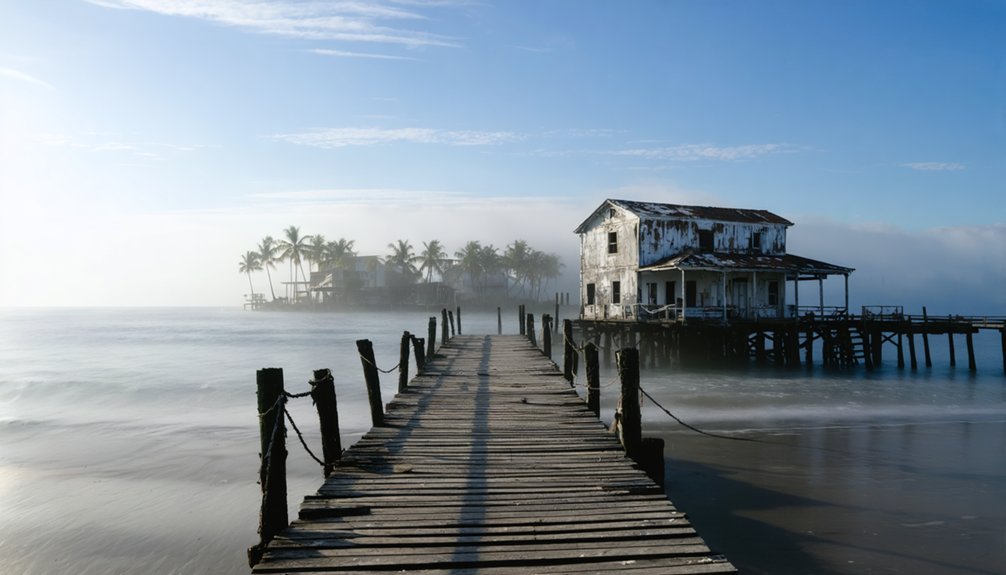
Accessing Florida’s coastal ghost towns requires careful consideration of maritime conditions and weather patterns throughout the year. For the best visit times, plan your coastal exploration during the dry season from October through May, when you’ll encounter more stable boating conditions and clearer visibility.
- November through March offers fewer tourists and cooler temperatures, ideal for exploring ruins at sites like Egmont Key and Indian Key.
- Winter months provide peak manatee viewing near Eldora’s coastal trails.
- Dry season provides more reliable boat and kayak access to Atsena Otie’s cemetery and structures.
- October through April minimizes exposure to storms, humidity, and insects.
- Plan around hurricane season (June-November) to avoid temporary closures, especially at Indian Key and Cedar Key islands.
Frequently Asked Questions
Are Ghost Tours Available at Any of Florida’s Abandoned Towns?
You’ll find organized ghost tours at Fort Dade and Eldora, where guides share haunted history insights through crumbling military structures and abandoned settlements, revealing Florida’s supernatural heritage and historical mysteries.
Can Children Safely Explore These Ghost Town Locations?
You’ll need to strictly supervise children due to unstable structures, sharp debris, and wildlife hazards. Consider guided tours, pack safety supplies, and avoid remote locations for child-safe ghost town exploration.
Which Ghost Towns Have the Most Intact Historical Structures Remaining?
You’ll find the best historical preservation at St. Augustine, with its colonial structures and Castillo de San Marcos, followed by Fort Clinch’s architectural significance with intact Civil War-era fortifications and powder rooms.
Are Metal Detectors Allowed at Florida Ghost Town Sites?
You can’t legally metal detect at Florida ghost towns without proper treasure hunting permits, as they’re protected historical sites. Metal detecting regulations prohibit artifact removal from these locations under state law.
Do Any Ghost Towns Require Special Permits for Photography?
Like abandoned sentinels, ghost towns fall under varied photography regulations. You’ll need permits for commercial shoots, but personal photography’s typically allowed without permits unless you’re on private property or state-managed historic sites.
References
- https://www.florida-backroads-travel.com/florida-ghost-towns.html
- https://www.ghosttowns.com/states/fl/fl.html
- https://www.atlasobscura.com/things-to-do/florida/ghost-towns
- https://www.timeout.com/florida/florida-ghost-towns
- https://patchproflorida.com/blog/the-fascinating-history-of-floridas-ghost-towns/
- https://floridatrailblazer.com/tag/ghost-towns/
- https://www.freakyfoottours.com/us/florida/
- https://www.explore.com/2032853/ellaville-florida-forgotten-historic-ghost-town-off-beaten-path/
- https://floridahikes.com/indian-key-an-unusual-ghost-town/
- https://www.journaloffloridastudies.org/0102ghosttowns.html