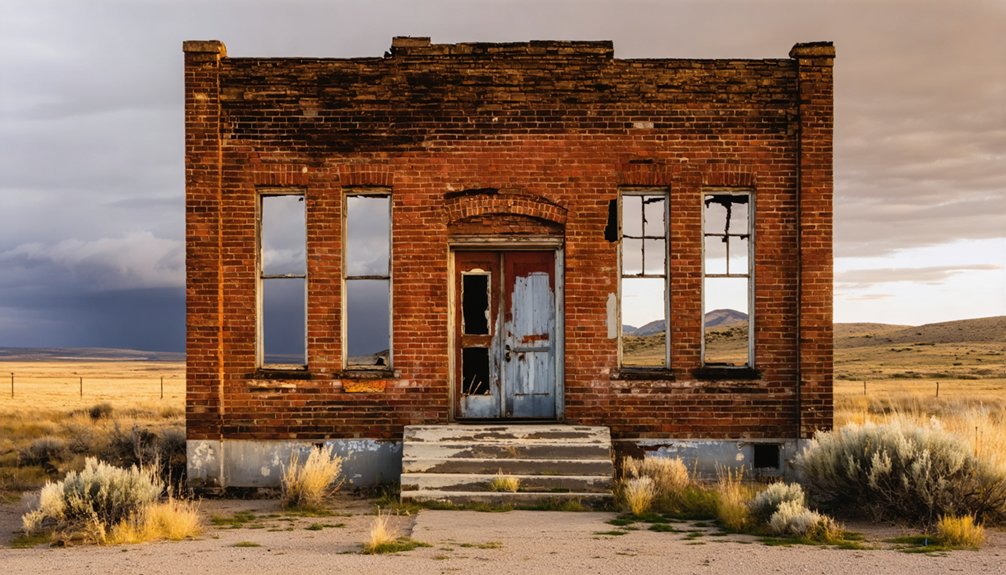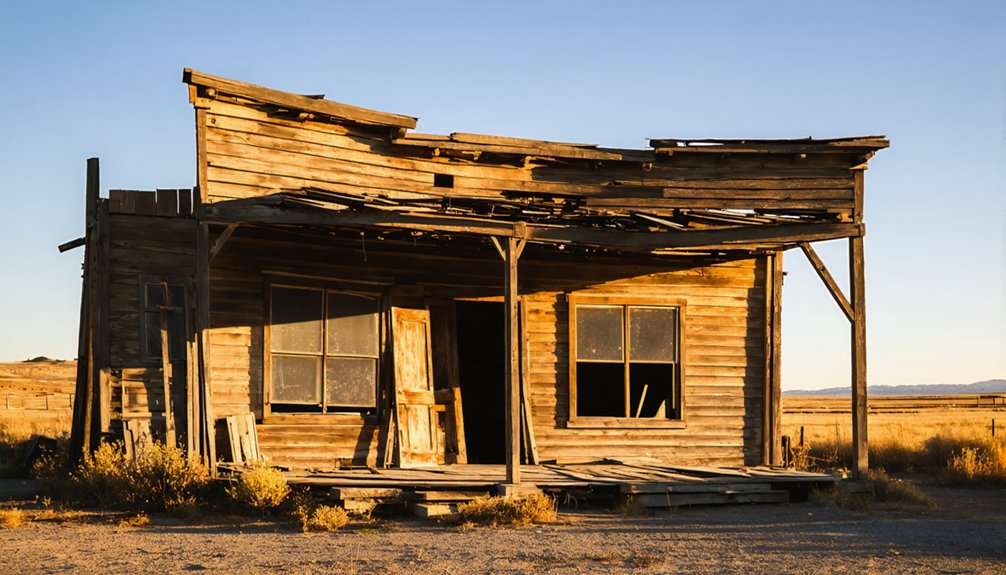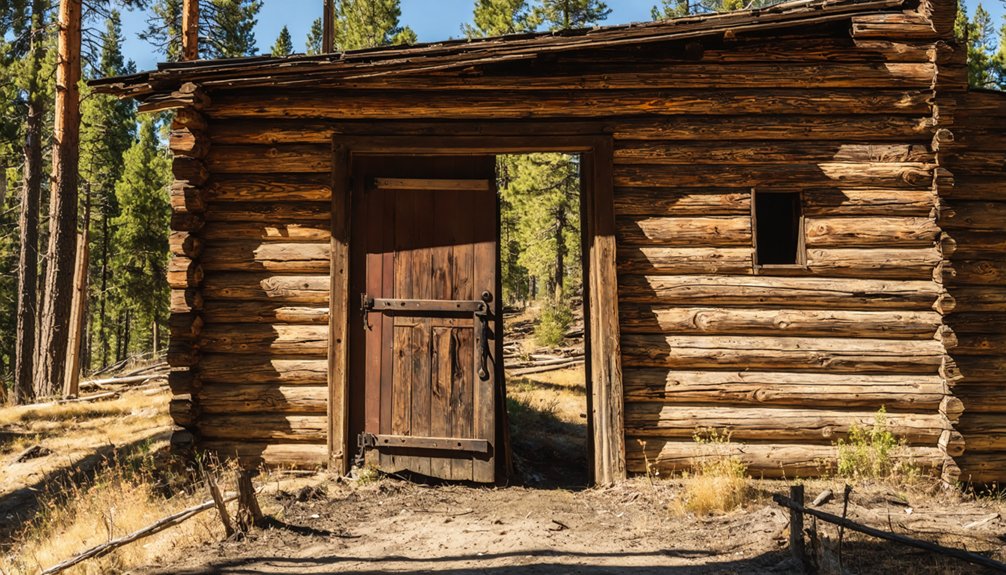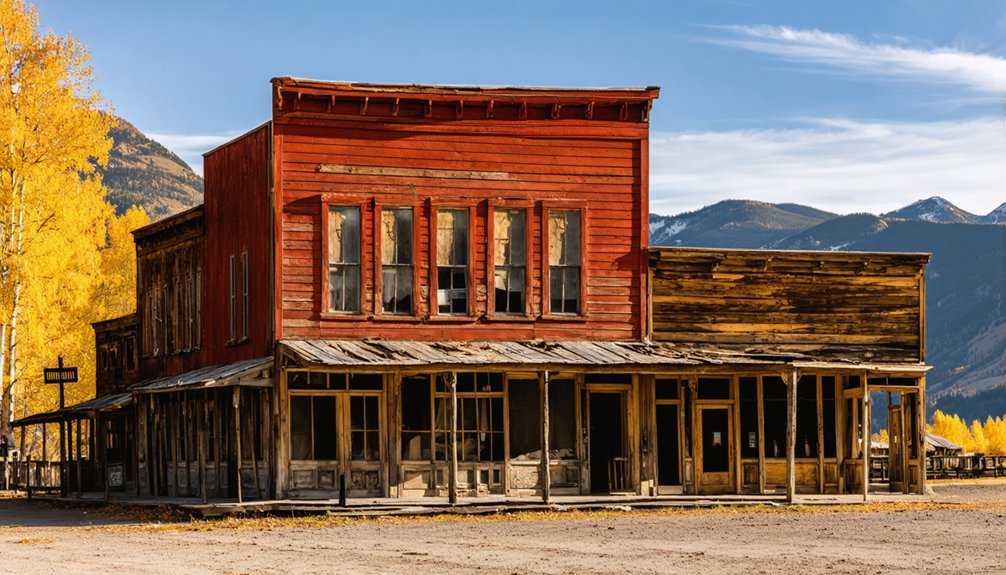
You’ll find Idaho’s ghost towns most accessible from late spring through early fall, with summer offering peak guided tours and facilities in historic sites like Silver City and Wallace. Spring provides peaceful exploration before Memorial Day crowds arrive, while fall delivers dramatic photography opportunities with pristine autumn light and foliage. Though winter severely limits access to most locations, each season presents unique advantages for experiencing Idaho’s preserved mining heritage in distinctive ways.
Key Takeaways
- Summer (June-August) is the prime season with optimal weather, full accessibility, and guided tours operating at peak capacity in towns like Custer.
- Spring offers uncrowded exploration opportunities and improving road conditions as snow melts, with wildflowers adding natural charm to historic sites.
- Fall provides exceptional photography conditions with dramatic lighting, vibrant foliage, and fewer tourists for authentic ghost town experiences.
- Most ghost towns are inaccessible in winter (November-May), except for Placerville which remains accessible via State Highway 21.
- Visit before Memorial Day weekend or after Labor Day to avoid peak summer crowds while still enjoying favorable weather conditions.
Why Summer Reigns as Peak Ghost Town Season
While Idaho’s ghost towns hold fascinating stories year-round, summer emerges as the undisputed prime season for exploring these historic settlements.
Summer reveals the true magic of Idaho’s ghost towns, when these historic treasures are most accessible and alive with untold stories.
You’ll find guided ghost town tours operating at peak capacity, with Custer, Silver City, and Wallace offering expert-led experiences of their mining heritage and historic buildings.
Sawtooth National Recreation Area visitors can enjoy both Custer and Bonanza ghost towns during the warmer months.
Idaho’s arid climate conditions help preserve the remarkable structures that tell the story of the state’s pioneering past.
The season’s ideal weather transforms these mountain locations into accessible wonderlands.
You’re free to wander Silver City’s streets without snow blockages, explore the Coeur d’Alene National Forest near Wallace, or enjoy summer activities at Bayhorse Lake.
Most facilities, including Silver City’s hotel and shops, open around Memorial Day weekend to accommodate the surge in heritage tourism.
You’ll discover a perfect blend of outdoor recreation and historical exploration, with opportunities for hiking, biking, and fishing complementing your ghost town adventures.
Spring’s Hidden Advantages for Ghost Town Explorers
You’ll find Idaho’s ghost towns wonderfully uncrowded in spring, when tourist numbers drop dramatically before the Memorial Day rush.
The improving road conditions allow high-clearance vehicles to reach remote sites like Rocky Bar as snow gradually clears from winter, opening up previously inaccessible areas.
Security personnel are often more accommodating during this quieter season, permitting closer exploration and photography of private properties that become restricted during peak summer months.
Historic sites like Silver City maintain their authenticity at 6,000 feet elevation, offering pristine views and photography opportunities.
Beautiful wildflowers emerge in June around collapsed cabins in places like Bonanza, adding natural charm to the historic ruins.
Fewer Tourist Crowds
Spring emerges as the prime season for exploring Idaho’s ghost towns, particularly before Memorial Day weekend when Silver City’s historic structures stand silent and undisturbed.
You’ll discover off season solitude as you wander among the 75 preserved buildings, with snow-free paths but without the summer crowds that flock to guided tours and outdoor activities.
The ghost town authenticity is at its peak during these quieter months, as closed shops and deserted streets mirror the historical atmosphere of these abandoned mining communities.
You’ll find similar peaceful conditions at other sites like Idaho City, Placerville, and Wallace, where the usual summer tourist rush hasn’t yet begun.
This pre-Memorial Day window offers you exclusive access to these historical treasures, letting you experience them as true ghost towns.
The Sierra Silver Mine Tour in Wallace provides fascinating historical reenactments that are less crowded during spring visits.
The area’s scenic wilderness backdrop makes Atlanta’s well-preserved buildings even more striking in springtime.
Weather-Ready Road Access
As winter’s grip loosens on Idaho’s mountainous terrain, late spring reveals weather-ready access to the state’s most intriguing ghost towns.
You’ll find road conditions considerably improved by Memorial Day weekend, when gravel roads become passable and tourist establishments open their doors. While high-clearance vehicles remain recommended, standard cars can safely traverse most routes by May, especially at elevations below 6,000 feet. Similar to the roads leading to Twin Falls and Shoshone, spring’s powerful snowmelt ensures clear pathways throughout the region. The scenic drive through Ponderosa Pine Road offers a serene escape from Boise’s busy streets into these historic areas.
- Travel safety improves with extended daylight hours, allowing thorough exploration without rushing
- Stabilized road conditions eliminate risks of getting stuck in deep snow or mud
- Late spring weather patterns provide excellent visibility for maneuvering through remote locations
Plan your ghost town expedition during this sweet spot between winter’s retreat and summer’s peak, when mountain passes clear and seasonal access routes become dependably passable for adventure seekers.
Fall Photography and Atmospheric Appeal
You’ll discover unmatched opportunities for ghost town photography during Idaho’s fall season, when clear autumn light illuminates historic structures against a backdrop of vibrant foliage and moody skies.
The post-tourist season brings peaceful solitude to these preserved mining communities, allowing you to capture authentic shots of weathered buildings and rusty relics without modern intrusions. The dramatic scenes are enhanced by the spectacular golden sunsets visible from elevated vantage points across Idaho’s rugged terrain. Using tools like the Sony a7R II camera, photographers can capture stunning HDR shots through intact cabin windows.
Fall’s atmospheric conditions create dramatic contrasts between mountain landscapes and historic architecture, especially during golden hour at places like Silver City and the Sawtooth ghost towns.
Clear Autumn Light Advantages
Fall’s crystal-clear atmosphere transforms Idaho’s ghost towns into a photographer’s paradise, delivering ideal conditions for capturing these haunting historical sites. The crisp visibility lets you explore comfortably on foot while enhanced contrasts bring architectural details into sharp focus.
You’ll find pristine lighting conditions after rainfall, perfect for documenting hidden forest settlements and weathered structures against mountain backdrops.
- Take advantage of shoulder season solitude to capture undisturbed shots without summer crowds
- Explore dry, accessible roads leading to remote locations you can’t reach in other seasons
- Experience comfortable temperatures that allow for extended photography sessions and careful composition
The autumn air’s clarity reveals intricate details of preserved buildings while providing the steady light needed for capturing both exteriors and shadowy interiors through broken windows and doorways.
Historic Buildings After Season
The stark solitude of post-season ghost towns reveals a different side of Idaho’s historic buildings, where autumn’s gentle light illuminates centuries of weathered stories.
You’ll find perfectly preserved structures in places like Silver City and Wallace, where the arid climate has protected original 19th-century architecture from decay. Historic preservation efforts have saved many buildings through private restoration, though some, like Bayhorse’s Nevada Hotel, have been lost to time.
When exploring these sites after peak season, you’ll discover unparalleled photography opportunities – from HDR shots through intact windows to moody captures of rust-streaked mining equipment against misty mornings.
Just remember to respect posted guidelines and stick to marked paths, as these fragile remnants of Idaho’s mining era require careful stewardship for future generations.
Uncrowded Photo Opportunities
While summer crowds disperse and autumn settles in, Idaho’s ghost towns transform into a photographer’s paradise with their uncrowded vantage points and atmospheric conditions.
You’ll discover ideal lighting conditions with lower sun angles, creating dramatic shadows across weathered buildings that tell stories of the state’s mining heritage.
Fall’s golden hour illuminates historical artifacts and 19th-century architecture, while morning fog adds mystery to abandoned structures.
- Capture HDR images of building interiors where mining artifacts rest untouched, perfect for ghost town history documentation
- Experiment with wide-angle photography techniques at elevated vantage points overlooking Sawtooth Mountain valleys
- Take advantage of reflective surfaces at sites like Bayhorse Lake during sunrise, when calm waters mirror historic structures
Winter Limitations and Alternative Sites
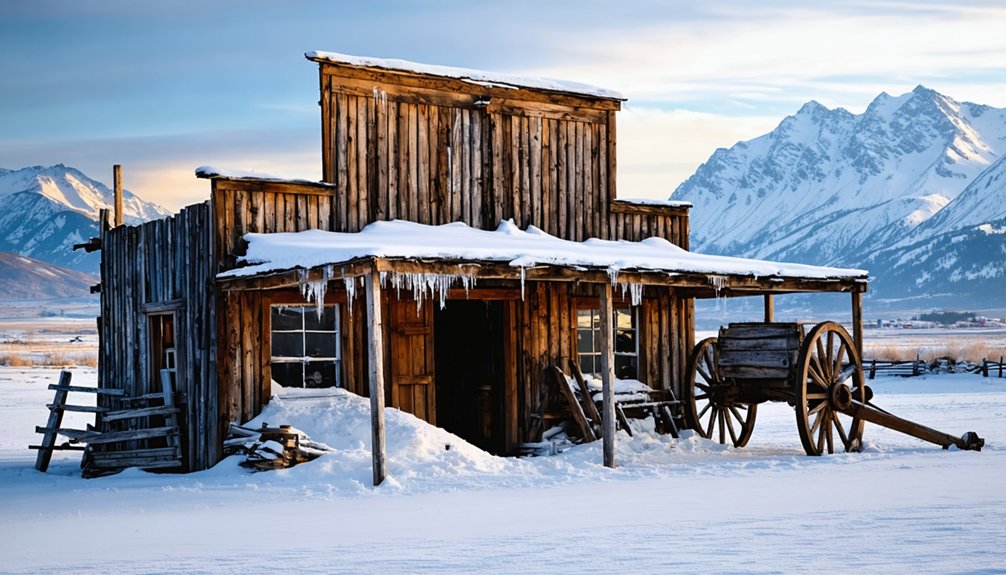
Severe winter conditions render many of Idaho’s ghost towns virtually inaccessible from November through May, with deep snow and treacherous mountain roads forcing closures at popular sites like Silver City, Gilmore, and Bayhorse.
Idaho’s ghost towns fall silent under winter’s grip, buried beneath snow and cut off from visitors until spring’s thaw arrives.
You’ll find these winter challenges particularly intimidating at high-elevation locations like Leesburg, where historically miners struggled with isolation and dwindling supplies.
For alternative attractions during the cold months, consider visiting Placerville via State Highway 21, which maintains year-round accessibility.
You can also explore winter-friendly destinations like Sun Valley, Stanley, or McCall, which capture that historic mountain town atmosphere.
If you’re set on ghost town adventures, plan your visits between late spring and early fall when roads are clear and sites like Bayhorse offer their full range of amenities, including guided tours and interpretive services.
Planning Around Peak Season Traffic
Once summer arrives, Idaho’s ghost towns transform from quiet historical sites into bustling tourist destinations.
Traffic patterns intensify from late spring through early fall, particularly in areas near Sun Valley like the Yankee Fork district. To maximize your visitor experience and avoid the crowds, consider these strategic timing options:
- Plan your visit before Memorial Day weekend when you’ll find deserted streets in Silver City and an authentically abandoned atmosphere.
- Explore during September when locations like Custer offer a more solitary experience with fewer tourists but maintained accessibility.
- Take advantage of early season conditions when you can enjoy warming weather and minimal crowds, though some snow banks may remain.
For the most immersive historical experience, time your visit during off-peak periods when you can examine artifacts and structures without tourist interference.
Seasonal Road Access and Transportation Tips
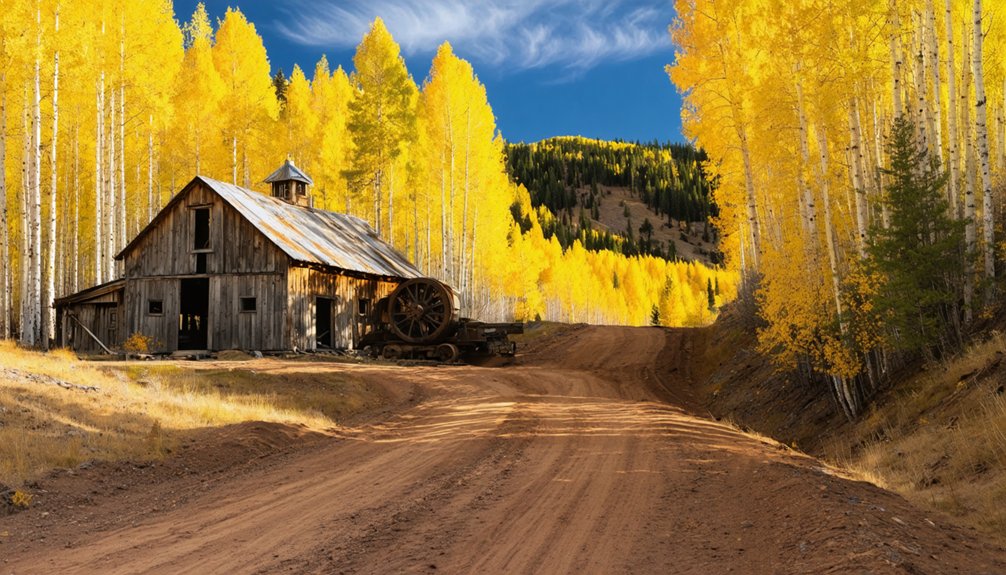
Since road conditions vary dramatically across Idaho’s rugged terrain, accessing ghost towns requires careful planning throughout the year.
Summer offers the most reliable road conditions, with paved and gravel routes to destinations like Custer and Bonanza accessible by standard vehicles. You’ll find the Featherville to Rocky Bar dirt road particularly manageable during warm, dry months.
Here farming miss was commo
Fall presents excellent opportunities before October snow closures, though you’ll need a high-clearance 4×4 for some routes.
Winter severely restricts access, with most high-country roads closed until late spring. Year-round, you should carry essential supplies since cell service is scarce and services are often an hour away.
For the most challenging sites like DeLamar, your vehicle requirements include four-wheel drive and high clearance, regardless of season.
Frequently Asked Questions
Are Dogs Allowed on Guided Ghost Town Tours in Idaho?
You’ll find dog-friendly tours at most Idaho ghost towns if your pet follows ghost town etiquette – staying leashed, well-behaved, and cleaned up after. Contact specific tour operators for detailed requirements.
What Should I Do if I Encounter Wildlife While Exploring Ghost Towns?
Stay calm and don’t run if you spot wildlife. Make yourself appear large, maintain recommended distances (75-300 feet), carry bear spray, make noise, and avoid wearing headphones for better situational awareness.
Are Metal Detectors Permitted at Idaho Ghost Town Sites?
You can’t use metal detectors at Idaho ghost towns due to metal detecting regulations and historical preservation laws. These sites are protected under ARPA and require strict preservation of all artifacts.
Can I Collect Artifacts or Souvenirs From Ghost Town Locations?
You can’t legally collect artifacts from Idaho ghost towns. Artifact preservation laws protect these historic sites, and souvenir ethics require leaving items where you find them for future generations to study.
Are There Overnight Camping Options Within the Ghost Town Premises?
You can’t camp within ghost town premises due to preservation regulations and restrictions. However, you’ll find numerous campgrounds nearby, including BLM sites and RV parks with full amenities surrounding historic locations.
References
- https://www.tripadvisor.com/Attraction_Review-g28933-d1775240-Reviews-Bonanza_and_Custer_Ghost_Town-Idaho.html
- https://visitidaho.org/travel-tips/boom-or-bust-exploring-idaho-ghost-towns/
- https://www.youtube.com/watch?v=rTSZSlxTmbs
- https://www.thegoldminehotel.com/ghost-towns-and-haunted-places-in-idaho
- https://idaho-forged.com/idahos-ghost-towns-eerie-yet-approachable/
- https://www.michaelbonocore.com/2017/07/must-see-destinations-in-idaho-during-the-spring/24223/
- https://www.tripadvisor.com/Attraction_Review-g28933-d1775240-Reviews-or10-Bonanza_and_Custer_Ghost_Town-Idaho.html
- https://www.geotab.com/ghost-towns/
- https://www.fs.usda.gov/r04/salmon-challis/recreation/discover-history/custer-ghost-town
- https://everafterinthewoods.com/forgotten-ghost-towns-in-idaho-that-are-hauntingly-beautiful/