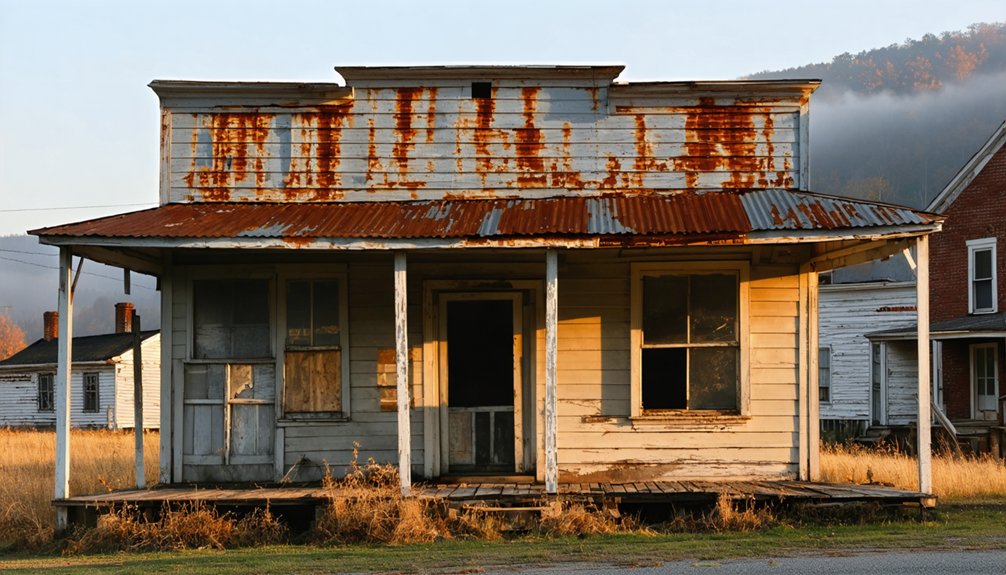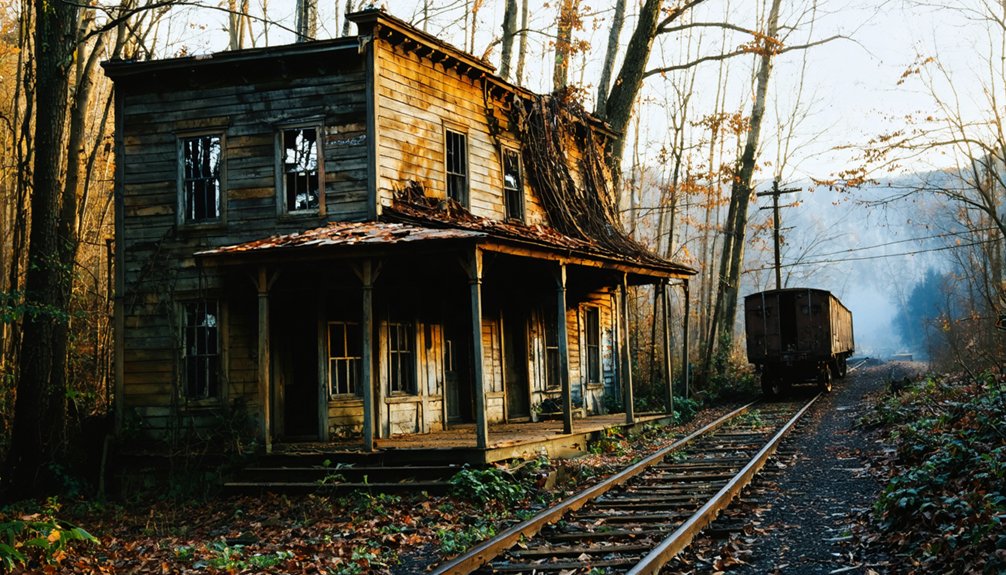
You’ll find Kentucky’s ghost towns most accessible and photogenic during the fall months of September and October, when temperatures hover between 60-75°F. The autumn foliage creates striking backdrops against abandoned structures, particularly at sites like Six Gun City and Tombstone Junction near Cumberland Falls. Early morning visits offer ideal lighting conditions and smaller crowds, while October’s heritage events and festivals add historical depth to your explorations. The season’s clear visibility and moderate climate reveal hidden architectural details that summer’s dense vegetation typically conceals.
Key Takeaways
- Fall (September-November) offers ideal 60-75°F temperatures and stunning foliage backdrops, particularly around Cumberland Falls ghost towns and Natural Bridge.
- Spring provides moderate temperatures, fewer crowds, and clearer visibility of structures before summer vegetation growth obscures historical sites.
- October combines peak fall colors, multiple ghost town festivals, and guided tours with comfortable temperatures for extended outdoor exploration.
- Winter reveals hidden structures through bare trees and creates atmospheric conditions with fog and snow, though temperatures can fluctuate dramatically.
- Summer should be avoided due to excessive heat, high humidity, large crowds, and dense vegetation that limits site visibility.
Seasonal Weather Patterns in Kentucky Ghost Towns
Summer brings intense heat reaching 90°F, with Dog Days making July and August particularly challenging. You’ll face high humidity that makes it feel over 100°F, though tornado risks remain low in abandoned areas.
Fall offers your best window for visits, with comfortable 60-75°F temperatures in September-October. You’ll navigate between flash droughts and flooding events, especially in western Kentucky. When cold and warm fronts clash in autumn, significant storms can develop suddenly. Like elderly residents who left tornado-ravaged towns, many of Kentucky’s ghost towns saw their aging populations depart first.
Fall’s mild temperatures make Kentucky ghost towns most accessible, though visitors must watch for unpredictable drought and flood patterns.
Winter brings dramatic temperature swings, where you might experience 50°F drops overnight when Arctic fronts move through.
Eastern Kentucky’s ghost towns face unique seasonal impacts – frequent flooding and landslides can limit access, particularly during El Niño periods.
You’ll want to monitor weather forecasts closely, as extreme conditions can develop rapidly in these remote locations.
Spring Ghost Town Exploring: March to May
While Kentucky’s ghost towns beckon year-round, spring’s moderate climate from March to May creates perfect exploration conditions.
You’ll find comfortable temperatures between 60-70°F, ideal for hiking through Blue Heron’s skeletal steel structures or investigating Paradise’s hilltop cemetery.
Spring exploration offers unique advantages with fewer crowds at historical sites and clearer visibility of architectural remnants before summer foliage takes over. The steel structures at Blue Heron Mine 18 create striking silhouettes against the spring sky. Paradise once served as a prosperous ferry crossing in the 1800s before its tragic decline.
During your visits, you’ll enjoy prime wildlife sightings, especially migrating birds near riverfront ruins.
The season’s reduced humidity and minimal rainfall make it safer to explore remote locations like Bells Mines and Barthell Coal Camp.
You can easily navigate backroads to Lynch and Harlan, while morning visits to Golden Pond benefit from cool temperatures and spring’s scenic blooms highlighting forgotten foundations.
Summer Peak Season: June to August
You’ll find Kentucky’s ghost towns teeming with visitors during the summer months, as peak tourist crowds converge on popular destinations like Blue Heron Mine and the submerged ruins of Birmingham Point.
While the warm weather creates ideal conditions for exploring outdoor sites like Airdrie’s moss-covered furnace and Big South Fork’s vast wilderness, the surge in regional tourism strains local infrastructure and fills accommodations to capacity. Similar to Bardstown’s situation, these ghost town sites often face increased traffic issues that can make accessing key attractions challenging.
The Big South Fork Scenic Railway offers a unique way to access the mining community during these busy months. The combination of long daylight hours and seasonal programming makes June through August the busiest time to experience these historical sites, though you’ll need to plan ahead for limited parking and crowded walking tours.
Peak Tourist Crowds
During Kentucky’s peak tourist season from June through August, ghost town exploration becomes markedly more challenging as summer crowds flood historic sites and abandoned settlements across the state.
Tourist behavior greatly impacts the atmosphere of these historically rich locations, with crowd management becoming a critical concern for both visitors and local communities. The 37th parallel which runs through Kentucky draws additional paranormal tourists seeking unusual phenomena. Similar to mining boom towns of the American West, many Kentucky ghost towns were established during periods of rapid industrialization.
- You’ll find distillery districts and historic neighborhoods overwhelmed with tour buses and regional visitors.
- Ghost sites like Blue Heron Mine and Golden Pond experience constant foot traffic.
- Eastern Kentucky coal camps see heightened accessibility but diminished solitude.
- Local infrastructure strains under the weight of summer tourism, particularly in small towns.
Consider that popular destinations like Cumberland Falls Lovers Leap and abandoned mining settlements become less atmospheric when sharing space with peak-season crowds.
Weather and Accessibility
Because Kentucky’s humid subtropical climate reaches peak intensity throughout the summer months, ghost town exploration demands careful planning and preparation.
Historical preservation efforts have made many sites accessible, but you’ll need to monitor weather forecasts and road conditions closely. While ghost town legends draw visitors during these peak months, the combination of high temperatures, afternoon thunderstorms, and dense vegetation can impact both accessibility and the quality of your experience.
Given the lack of reliable sources, researchers encourage visitors to document and share their findings with local historical societies.
Consider exploring during early morning hours when temperatures are cooler and visibility is ideal. Many sites lack modern facilities or visitor centers, so you’ll want to bring essential supplies.
Remember that some locations may have restricted access due to ongoing preservation work, making it vital to verify site status before your journey. Be especially cautious near sites like Fords Ferry where significant flooding historically contributed to the town’s abandonment.
Fall Colors and Ghost Town Photography
Three prime locations in Kentucky offer photographers the perfect blend of fall foliage and haunting ghost town scenes.
Kentucky’s abandoned places come alive in autumn, where ghost towns and vibrant fall colors create unforgettable scenes for photographers.
You’ll find Six Gun City and Tombstone Junction near Cumberland Falls, where October’s red and orange leaves create striking contrasts against weathered Old West structures.
The Reliance Historic District and Perryville’s 1830s buildings provide compelling fall photography opportunities amid the Bluegrass region’s rolling hills.
- Shoot during October for peak colors at Natural Bridge State Resort Park and Daniel Boone National Forest.
- Time your ghost town visits during overcast days for dramatic architectural shots.
- Explore Doyel Valley Overlook for elevated views combining abandoned structures with autumn landscapes.
- Combine hiking trails near Slade with stops at historic sites for diverse photo compositions.
Winter Adventures in Abandoned Kentucky Towns

The winter months transform Kentucky’s abandoned towns into hauntingly beautiful landscapes that reward intrepid explorers.
With bare trees exposing forgotten structures and steam-like fog clinging to mine remnants, sites like Blue Heron and Barthell Coal Camp offer unique winter photography opportunities. You’ll find the season’s stark contrasts perfect for capturing the Paradise hilltop cemetery and the frost-covered grounds of Bells Mines.
Winter’s frozen ground and reduced foliage make typically challenging locations more accessible.
At Golden Pond, you can practice wildlife tracking in the snow while exploring old moonshiner hideouts. The cold season also helps preserve historic structures – frozen soil stabilizes foundations, and low humidity protects wooden remnants.
Just remember to bring headlamps for the shorter daylight hours and use 4WD vehicles when traversing remote sites.
Planning Your Ghost Town Visit Around Local Events
You’ll find Kentucky’s richest ghost town experiences during October when local festivals like Halloween MAINia and the Corn Island Storytelling Festival complement historic site visits with period-appropriate celebrations.
The Kentucky After Dark Trail‘s year-round passport program lets you align your ghost town explorations with special events at abandoned sites, from Victorian Ghost Walks to paranormal investigations at places like Blue Heron Mining Community.
Your visit gains historical depth when you time it to coincide with heritage events like the Spirit Strolls at Shaker Village or guided tours of the Butler-Turpin Historic House, where authentic local lore enriches your understanding of these forgotten places.
Festival Season Timing Tips
Planning your Kentucky ghost town visits during festival season requires strategic timing to maximize both haunted attractions and local events. The festival highlights center around October, with key activities spanning from mid-August through late October.
For ideal event coordination, you’ll want to align your travel dates with these peak opportunities.
- Start with the Corn Island Storytelling Festival in mid-August to catch early-season ghost stories.
- Target weekends in October for the most extensive haunted town experiences, particularly October 10-25.
- Book Derby City Ghosts tours and urban Halloween events in Louisville for late October thrills.
- Combine multiple locations by scheduling around the Ultimate Halloween Parade Festival (October 27-29).
Remember that evening tours typically run from 5:30 PM to 8:30 PM, offering the perfect atmospheric conditions for your ghost town adventures.
Ghost Town Heritage Events
Kentucky’s rich ghost town heritage comes alive through meticulously curated events that blend historical authenticity with paranormal intrigue.
You’ll find the most immersive experiences in October, when Blue Heron Ghost Mine’s annual storytelling event showcases the haunted history of Cumberland Plateau’s coal mining era. Throughout the month, you can explore ghostly folklore through candlelit walks at Spirits of La Grange and Shadows of Federal Hill.
Year-round opportunities await at Portal 31 Coal Mine and Lexington’s nightly ghost tours, where you’ll traverse haunted streets past the Mary Todd Lincoln House.
In Northern Kentucky, wheelchair-accessible tours through Covington and Newport reveal centuries of mysterious happenings. For the fullest experience, plan your visit during October’s peak season when multiple heritage events operate simultaneously, offering unique perspectives on Kentucky’s paranormal past.
Local Celebrations Near Ruins
While exploring Kentucky’s ghost towns, timing your visit with local celebrations can transform an ordinary expedition into an unforgettable historical journey.
You’ll find vibrant paranormal festivals and haunted activities across the state’s most atmospheric locations, especially during the autumn months.
- Georgetown’s October festival merges traditional fall activities with spooky attractions, letting you experience both historical sites and haunted venues in one visit.
- Downtown Harlan’s Cryptid Festival offers unique experiences like the Raven’s Egg Hunt and ghost tours through multiple haunted locations.
- Louisville’s Whiskey Row combines bourbon heritage with paranormal exploration, featuring speakeasy history and mobster tales.
- Harrodsburg’s Spirit Strolls at Shaker Village and Haunted Frontier events at Old Fort Harrod provide authentic 18th-century settings for your paranormal pursuits.
Frequently Asked Questions
Are There Guided Tours Available for Kentucky Ghost Towns?
Like spirits rising from Kentucky’s misty past, you’ll find guided ghost tours across historic towns, with expert guides leading you through abandoned buildings and sharing tales of mysterious local legends.
What Photography Equipment Should I Bring to Document Ghost Towns?
You’ll need a sturdy tripod for stability in decaying structures, wide-angle and zoom lenses for versatile shots, a DSLR camera with manual controls, and protective gear for your equipment.
How Close Can Visitors Legally Get to Abandoned Buildings?
With 75% of Kentucky’s ghost towns on private land, you’ll need to stay behind posted legal boundaries. Always maintain at least 100 feet from structures unless you’ve secured permission or joined authorized tours. Follow safety precautions.
Which Kentucky Ghost Towns Are Accessible by Regular Passenger Vehicles?
You’ll find Blue Heron, Blandville, and Golden Pond easily accessible by car, each rich with historical significance and local legends. Creelsboro’s Natural Arch and Barthell Coal Camp offer paved road access too.
Are Permits Required to Explore Specific Ghost Town Locations?
You’ll find Kentucky’s ghost town access fairly unrestricted, though some locations may require landowner permission. There aren’t specific permit regulations, but respect private property and mining site boundaries.
References
- https://kids.kiddle.co/List_of_ghost_towns_in_Kentucky
- https://en.wikipedia.org/wiki/List_of_ghost_towns_in_Kentucky
- https://wbkr.com/visit-these-20-creepy-kentucky-ghost-towns-for-a-halloween-road-trip/
- https://www.onlyinyourstate.com/experiences/kentucky/12-ghost-towns-in-ky
- http://freepages.rootsweb.com/~gtusa/history/usa/ky.htm
- https://www.youtube.com/watch?v=D9gOmfCuKLs
- https://www.youtube.com/watch?v=3kMLESEo6NE
- https://everafterinthewoods.com/abandoned-ghost-towns-in-kentucky-that-still-hold-echoes-of-the-past/
- https://www.freakyfoottours.com/us/kentucky/
- https://www.youtube.com/watch?v=gYNOMdNC9vc