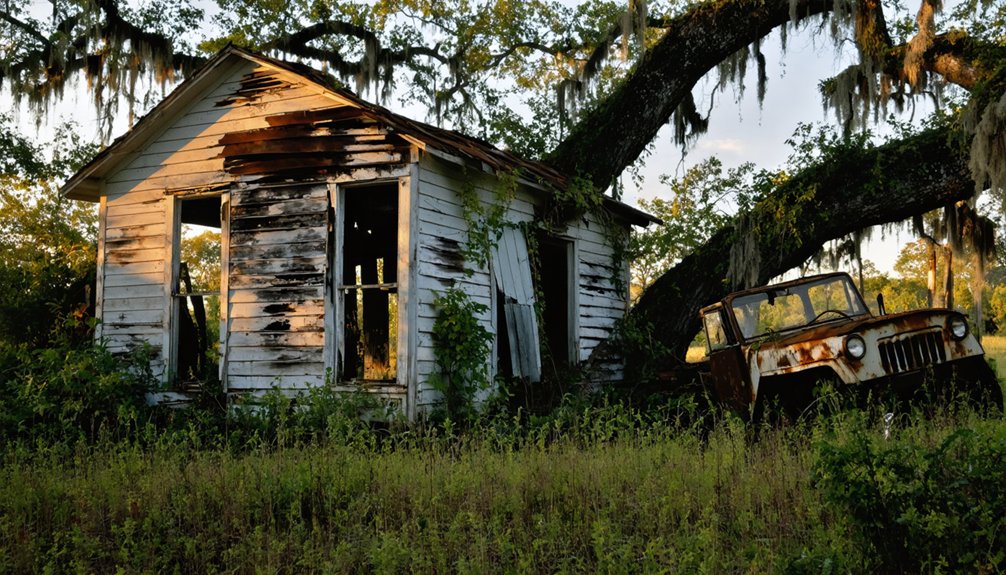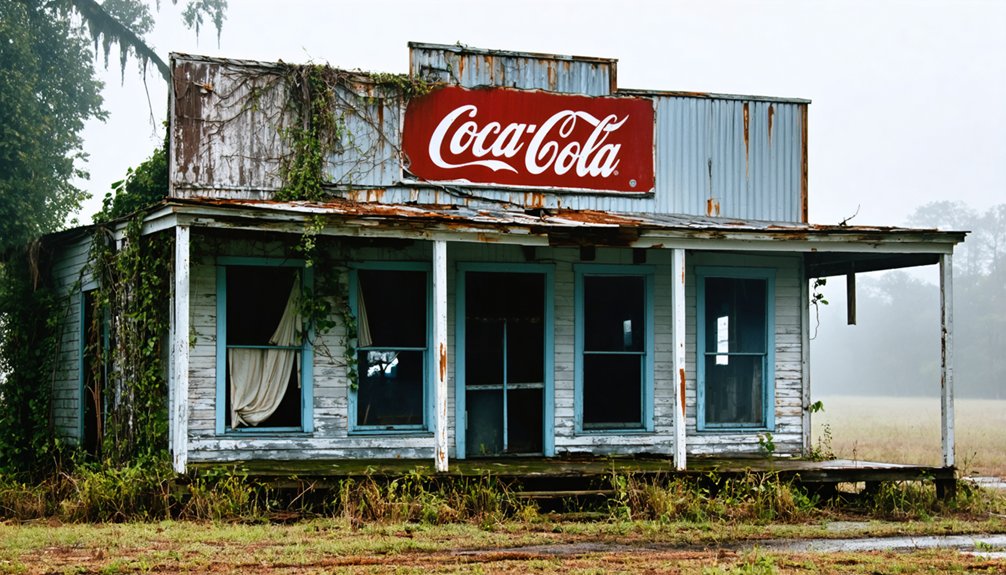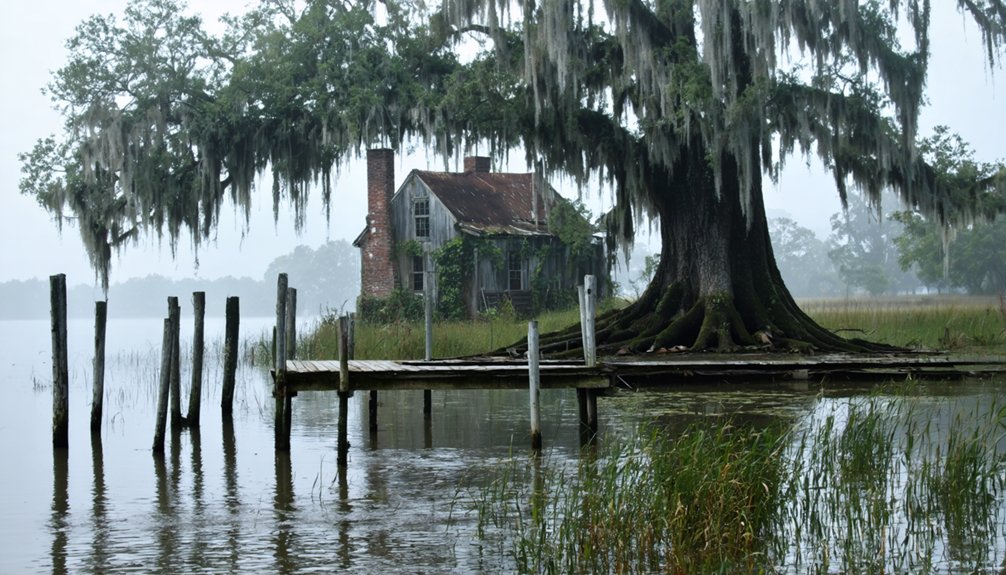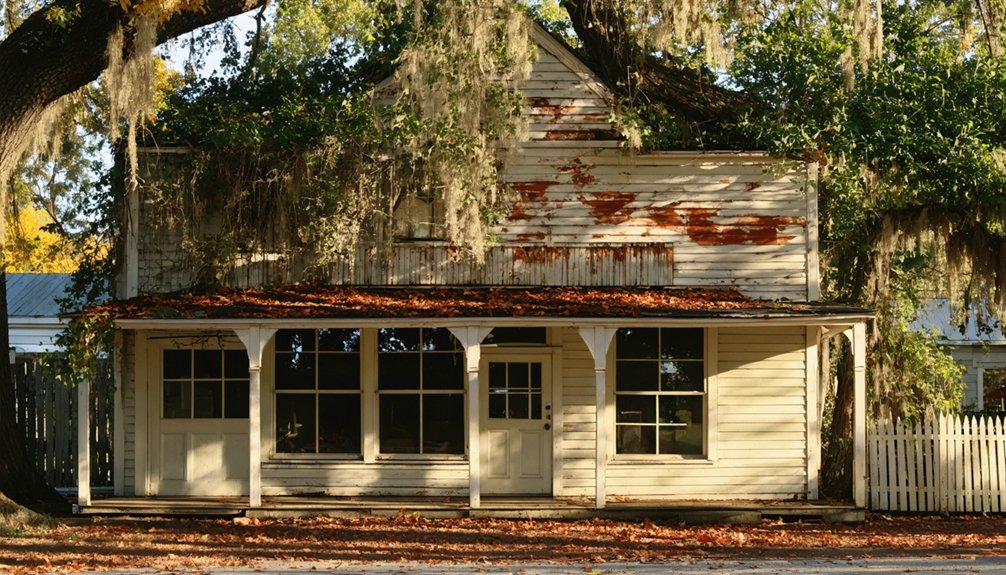
You’ll find Louisiana’s ghost towns most accessible from December through February, when cooler temperatures and low humidity create ideal exploration conditions. These winter months offer reliable road access, fewer mosquitoes, and dormant alligators, while avoiding hurricane season‘s risks (June-November). Early morning fog adds an atmospheric quality perfect for photography, and you’ll encounter minimal crowds except during October’s Halloween rush. The seasonal timing you choose can dramatically impact your ghost town experience.
Key Takeaways
- December through February offers the best conditions with cooler temperatures, lower humidity, and minimal wildlife activity for safe exploration.
- Avoid June to November due to hurricane season, which poses significant risks and access challenges to coastal ghost towns.
- October brings peak crowds due to Halloween tourism, while summer months provide more solitary exploration despite intense heat.
- Spring offers moderate weather but scattered thunderstorms, making early spring (March) ideal for photography and structural viewing.
- Winter mornings provide optimal lighting conditions and clearer visibility of abandoned structures, with fewer mosquitoes and dormant alligators.
Weather Patterns Affecting Ghost Town Exploration
While Louisiana’s ghost towns offer fascinating glimpses into the past, the state’s volatile weather patterns drastically impact when you can safely explore these abandoned sites.
The June-to-November hurricane season presents significant exploration challenges, especially for coastal locations like Cameron and Pecan Island. You’ll face heightened risks during summer months when warmer Gulf waters fuel stronger storms and rapid intensification.
Coastal ghost towns face nature’s fury during hurricane season, with Gulf storms threatening these fragile windows into Louisiana’s past.
Environmental impacts have transformed many sites, with coastal erosion and rising sea levels creating treacherous conditions year-round. Once-thriving communities like Cameron have seen a 90% population decline since 2010 due to repeated hurricane devastation.
You’ll encounter submerged terrain at places like Burrwood and overgrown vegetation blocking access to Ruddock’s remains. The area of Morrisonville faces additional hazards from chemical contamination that forced its residents to relocate.
For peak exploration, plan your visits during the drier, cooler months between December and May, when you’ll avoid both hurricane threats and the challenging summer heat.
Peak vs. Off-Peak Visiting Seasons
You’ll find Louisiana’s ghost towns most accessible during the dry winter months from November through February, when lower humidity and cooler temperatures create ideal exploration conditions.
Spring and fall bring moderate crowds but risk scattered thunderstorms that can make dirt roads impassable and muddy terrain challenging to navigate. Many visitors combine these trips with stops at The Old State Capitol, where security guards report mysterious taps and movements. Evening tours often include candlelit pathways that create an atmospheric experience through these historic locations.
Summer’s intense heat and humidity, coupled with hurricane season concerns from June through November, typically result in fewer visitors to these abandoned sites.
Crowd Levels By Season
Since Louisiana’s haunted attractions draw diverse crowd levels throughout the year, understanding peak and off-peak seasons can dramatically enhance your ghost town experience.
Fall months, particularly October, bring the heaviest crowd dynamics as Halloween enthusiasts flock to sites like Myrtles Plantation and The Mortuary. You’ll find the most solitude during summer months when the heat keeps seasonal trends at their lowest, especially in remote locations near Lake Pontchartrain. Old River Road offers a peaceful journey past crumbling plantations during these quieter months. With 199 haunted locations scattered across the state, summer visitors have plenty of uncrowded sites to explore.
Winter offers quiet exploration opportunities from December through February, while spring serves as a balanced shoulder season.
For the freedom to explore without masses of tourists, avoid the September-to-November rush when ghost hunters converge on Louisiana’s haunted locations, from Shreveport’s historic mansions to St. Francisville’s plantation country.
Weather Impact On Access
Louisiana’s weather patterns play a decisive role in ghost town accessibility, with distinct advantages and challenges across seasons.
Communities like Cameron and Creole have seen their populations decline by nearly 80 percent due to devastating hurricanes, making visitation increasingly difficult.
While extensive data on seasonal access is limited, it’s essential to highlight that environmental factors like hurricanes, flooding, and coastal erosion greatly impact these historic sites. Taking safety precautions becomes especially vital during hurricane season, which runs from June through November.
For ideal photography tips and site exploration, you’ll want to research current conditions before planning your visit.
Many of these ghost towns are disappearing due to climate change and environmental pressures, making access increasingly unpredictable throughout the year. Coastal communities like Grand Isle and Lafitte face potential extinction as environmental changes intensify. As these sites continue to face threats from natural forces, your ability to visit them may depend heavily on recent weather events and ongoing environmental changes in the region.
Regional Access and Road Conditions
You’ll find most Louisiana ghost towns accessible year-round, though unpaved rural routes can become challenging during the rainy winter and spring months when mud and flooding are common.
The northern ghost towns along highways 171 and 65 typically maintain the best road conditions throughout the year, while coastal sites like Burrwood and La Balize may require specialized transportation or become completely inaccessible during hurricane season from June through November. Natural disasters have historically devastated many coastal ghost towns, making access even more difficult in these areas.
Central and southern locations often feature a mix of paved highways and dirt roads, making fall and early winter your best bet for reliable access to sites like Kurthwood, Bon Ami, and the forgotten River Road settlements. Visitors interested in lumber industry history should consider exploring the Southern Forest Heritage Museum in Longleaf during the drier months.
Seasonal Road Accessibility
When planning visits to Louisiana’s ghost towns, understanding seasonal road accessibility proves essential for successful exploration.
You’ll need to navigate around seasonal closures at Peason Ridge due to military exercises, though certain periods allow access to historic remnants.
Cloud Crossing in Goldonna remains accessible year-round, but watch for flooding that can cut off dispersed camping areas.
Road conditions vary considerably by season.
The old section of LA Hwy 1 from Alexandria to Cheneyville stays open, while Parish Road 1226 to Powhatan narrows to one bridge.
During wet seasons, gravel roads demand extra caution, particularly along Forgotten River Road and the Northshore loop.
Industrial zones near Taft and overgrown areas like Ruddock require careful timing, as weather can further limit already restricted access.
Weather Impact on Travel
Although the charm of ghost towns beckons year-round, seasonal weather patterns drastically impact travel conditions throughout Louisiana’s abandoned settlements.
Without current data on road conditions and accessibility to these remote locations, you’ll need to prepare for uncertainties when planning your explorations.
- Consider purchasing extensive travel insurance that covers weather-related cancellations and emergency evacuations, especially if you’re planning visits during hurricane season.
- Pack seasonal clothing appropriate for Louisiana’s climate, though specific recommendations would require current weather pattern data for different regions and times of year.
- Research local weather forecasts and road closures immediately before your trip, as conditions can change rapidly in areas affected by coastal erosion and flooding.
Photography and Lighting Considerations
Since Louisiana’s ghost towns often lie deep within swamp environments, mastering the local lighting conditions is essential for capturing their haunting beauty.
You’ll find the most atmospheric shots during golden hour, when warm light bathes abandoned structures in ethereal hues. For ideal lighting techniques, plan your visit during foggy winter mornings or misty nights when the swamp’s mystique peaks.
To nail your composition tips, set up your tripod inches above the water and experiment with long exposures of up to eight minutes.
You can enhance nighttime shots by using light painting methods or strategically placed studio lights.
Don’t forget that seasonal variations affect your shooting conditions – winter brings clearer visibility, while spring and summer offer dramatic cloud formations during sunset.
Pack a dry suit if you’re venturing into chest-deep water for those unique angles.
Wildlife and Natural Hazards by Season
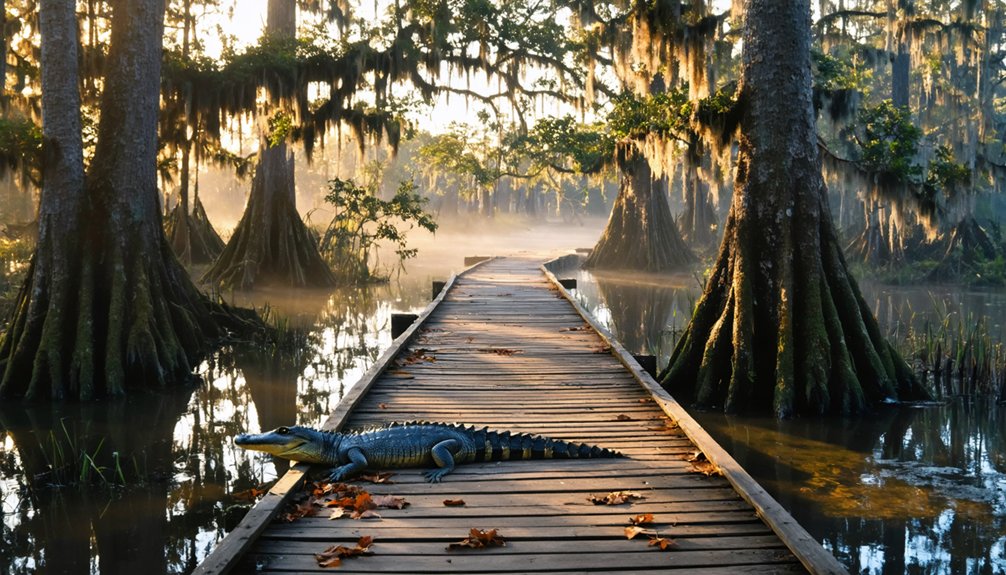
Understanding Louisiana’s seasonal wildlife patterns helps you plan safer ghost town visits while maximizing photography opportunities. Wildlife activity varies dramatically throughout the year, affecting both your safety and viewing experiences.
- Winter offers reduced natural hazards with dormant alligators and fewer mosquitoes, while providing excellent opportunities to spot migratory birds like bald eagles and hawks in abandoned areas.
- Spring brings peak wildlife activity as alligators emerge and native species become more visible – you’ll need heightened awareness but can capture stunning wildlife shots around deteriorating structures.
- Summer’s intense heat drives many creatures nocturnal, including active alligators and owls, making dawn or dusk explorations your safest bet.
- Fall’s milder conditions coincide with hunting seasons, requiring extra precautions and bright clothing during your visits.
Preservation Status and Seasonal Maintenance
When planning your ghost town visits in Louisiana, you’ll need to take into account the complex preservation status and maintenance schedules that affect site accessibility.
Early-year quarters typically offer the best viewing opportunities, as they align with major preservation initiatives and funding cycles. You’ll find most active restoration work happening after February’s endangered places listings are announced.
For cemetery sites, which often remain as the last vestiges of abandoned settlements, you’ll want to time your visits during seasonal maintenance windows.
Be aware that some locations, like those in the Peason Ridge area, have restricted access periods due to military activities.
Check the current preservation status of your intended sites, as many historic structures shift between “Endangered,” “In Progress,” and “Saved” designations throughout the year.
Local Tour Guide Availability
Professional tour guides stand ready across Louisiana’s ghost towns and haunted locations, offering daily excursions that complement your self-guided exploration plans.
You’ll find flexible local tour schedules operating year-round, with guide availability ranging from early morning to late evening ventures.
- Book instant-confirmation tours through established companies like Ghost City Tours and Haunted History Tours, with prices starting from $33 for walking expeditions.
- Choose from specialized experiences including French Quarter walks, cemetery visits, and air-conditioned bus tours, all led by licensed historians.
- Customize your adventure with private tour options, perfect for small groups or those seeking a more personal haunted experience.
You’re free to explore at your own pace, knowing expert guides are available seven days a week for both scheduled and custom tours.
Cultural Events and Historical Reenactments
Throughout Louisiana’s ghost towns, vibrant cultural events and historical reenactments bring the past to life year-round, with peak activities during Mardi Gras and Halloween seasons.
Experience Louisiana’s haunted history through lively reenactments and festivals, where past meets present during Mardi Gras and Halloween celebrations.
You’ll discover the cultural significance of these locations through events like the Living History Cemetery Tour in Lake Charles, where master storytellers share tales of Toni Jo and other notable figures from Southwest Louisiana’s past.
During Mardi Gras, you can experience authentic traditions in historic districts like Covington, while Halloween transforms these haunted sites into immersive experiences.
Don’t miss reenactment events at the Rosa Hart Theatre, where the legendary Woman in White adds authenticity to historical performances.
The Holy Ghost Creole Festival in Opelousas offers a unique glimpse into Louisiana’s rich cultural heritage, while specialized ghost tours provide intimate access to the state’s most enigmatic locations.
Seasonal Impact on Historical Structures
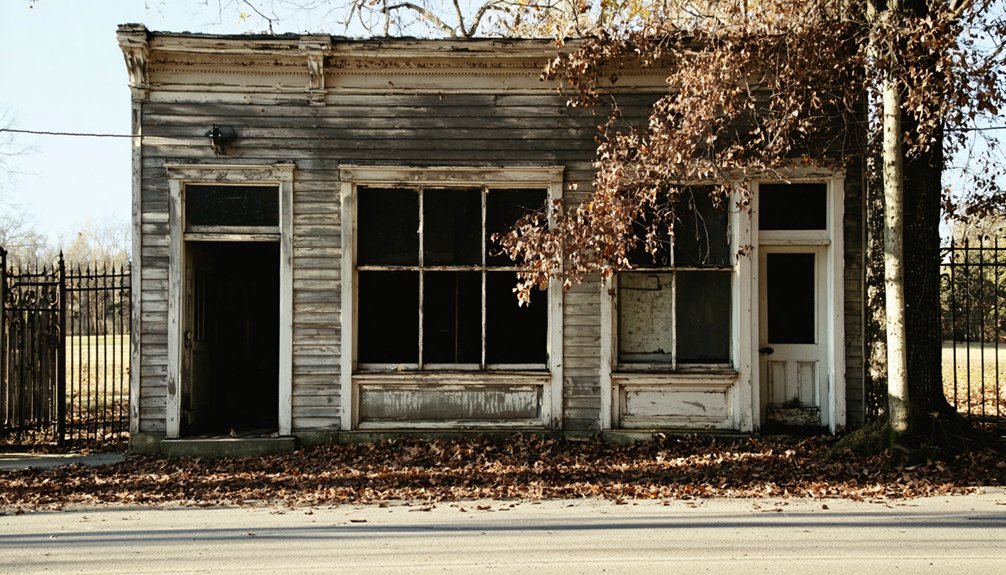
Louisiana’s historic ghost towns face significant structural challenges as seasons shift throughout the year. The seasonal decay of these sites can dramatically affect your exploration opportunities, with humidity effects playing a major role in preservation conditions.
- You’ll find summer months bring intense humidity that accelerates wood deterioration in places like Fisher’s sawmill remnants, while midcentury structures suffer from moisture-related problems.
- Spring flooding regularly submerges Bayou Chene and parts of River Road, making these sites completely inaccessible.
- Winter offers the most stable viewing conditions for northern parish ruins like those in Sabine, where cooler temperatures help preserve fragile foundations and minimize thermal stress on historic structures.
During hurricane season (June-November), coastal ghost towns are particularly vulnerable to storm damage, so plan accordingly.
Hurricane Season Safety Precautions
When you’re planning to explore Louisiana’s ghost towns during hurricane season (June through November), you’ll need to monitor local weather updates daily and keep a fully stocked emergency supply kit in your vehicle.
You should familiarize yourself with multiple evacuation routes from each ghost town site you’ll visit, as flooding can quickly cut off primary roads in low-lying areas.
If you’re photographing or investigating these historic sites, always maintain a full tank of gas and keep your emergency supplies within arm’s reach, as Gulf Coast weather conditions can change rapidly.
Monitor Weather Updates Daily
A crucial safety measure for ghost town explorers in Louisiana involves monitoring weather updates daily during hurricane season, which officially spans June 1 through November 30.
With seven of the last eight years featuring pre-season storms, and a named storm occurring as early as January 2023, you’ll need to stay vigilant year-round.
- Check the National Hurricane Center’s forecasts daily, especially during peak activity from late August through September when Louisiana historically faces its highest storm risks.
- Sign up for local weather alerts and notifications to receive timely hurricane monitoring updates about watches and warnings.
- Pay attention to LSU climatologist recommendations, particularly when exploring coastal ghost towns in parishes like Terrebonne and Lafourche, where storm impacts are typically most severe.
Pack Emergency Supply Kit
Packing five essential categories of emergency supplies can mean the difference between safety and disaster when exploring Louisiana’s ghost towns during hurricane season.
Your preparedness tips should start with water – pack one gallon per person daily for three days, plus purification tablets.
Next, stock non-perishable food and manual can openers for a five-day supply.
Don’t forget lighting and power – you’ll need flashlights, batteries, and weather radios to stay informed of approaching storms.
Include an extensive first aid kit with prescription medications and basic medical supplies.
Finally, pack hygiene items and protect important documents in waterproof containers.
When you’re exploring remote ghost towns, you’re often miles from assistance, so your emergency supplies are your lifeline.
Plan Quick Evacuation Routes
Beyond stocking emergency supplies, knowing Louisiana’s hurricane evacuation system could save your life while ghost town exploring. When tropical storms threaten, you’ll need to understand the three-phase evacuation system and key traffic patterns to avoid getting stranded.
- During Phase I (50 hours pre-storm), familiarize yourself with primary evacuation routes like LA 1 to Tallulah or I-49 to Bunkie’s Sammy’s Truck Stop – these are your lifelines out.
- By Phase II (40 hours pre-storm), coastal areas south of the Mississippi River begin evacuating with no route restrictions – you’ll have freedom to choose your escape path.
- Once Phase III activates, follow the Contraflow Plan’s directed routes. Highway lanes reverse for outbound traffic, dramatically increasing evacuation capacity from New Orleans, Baton Rouge, and Lake Charles regions.
Frequently Asked Questions
Are Paranormal Investigation Permits Required for Ghost Town Visits?
You don’t need paranormal investigation permits for ghost towns, but you’ll need a Self-Clearing Permit for WMA areas. Archaeological permits are only required if your activities disturb historic sites or burials.
Can I Camp Overnight in Louisiana’s Abandoned Ghost Towns?
You can’t legally camp in ghost towns since they’re often private property. You’ll need to follow standard camping regulations and stay at designated sites within state parks or WMAs nearby.
Which Ghost Towns Have Wheelchair-Accessible Pathways or Facilities?
You won’t find wheelchair-accessible amenities in Louisiana’s ghost towns since they’re abandoned sites. For accessible ghost experiences, stick to New Orleans’ guided tours that use paved routes and wheelchair-friendly pathways.
Do Any Ghost Towns Offer Guided Night Tours?
With over 42 haunted cemeteries in New Orleans alone, you’ll find NOLA Ghost Riders offering nightly cemetery ghost tours at 7 PM, while French Quarter Phantoms leads night explorations through historic streets.
Are Metal Detectors Allowed When Exploring Louisiana Ghost Towns?
You’ll need written permission from the property owner before metal detecting in ghost towns. Follow treasure hunting etiquette and regulations carefully – discoveries belong to the landowner, not you as the finder.
References
- https://kids.kiddle.co/List_of_ghost_towns_in_Louisiana
- https://www.ezhomesearch.com/blog/ghost-towns-in-louisiana/
- https://etsn.fm/ixp/33/p/7-louisiana-ghost-towns/
- https://thebayouinsider.substack.com/p/ghost-towns-and-forgotten-roads-louisianas
- https://classicrock1051.com/17-ghost-towns-louisiana/
- https://710keel.com/discover-70-ghost-towns-from-across-louisiana/
- https://www.ghosttowns.com/states/la/la.html
- https://www.youtube.com/watch?v=a7sPqNI8oik
- https://www.abandonedspaces.com/towns/natural-disaster-ghost-towns.html
- https://jonesswanson.com/mails/louisianas-disappearing-towns-tool-kit/