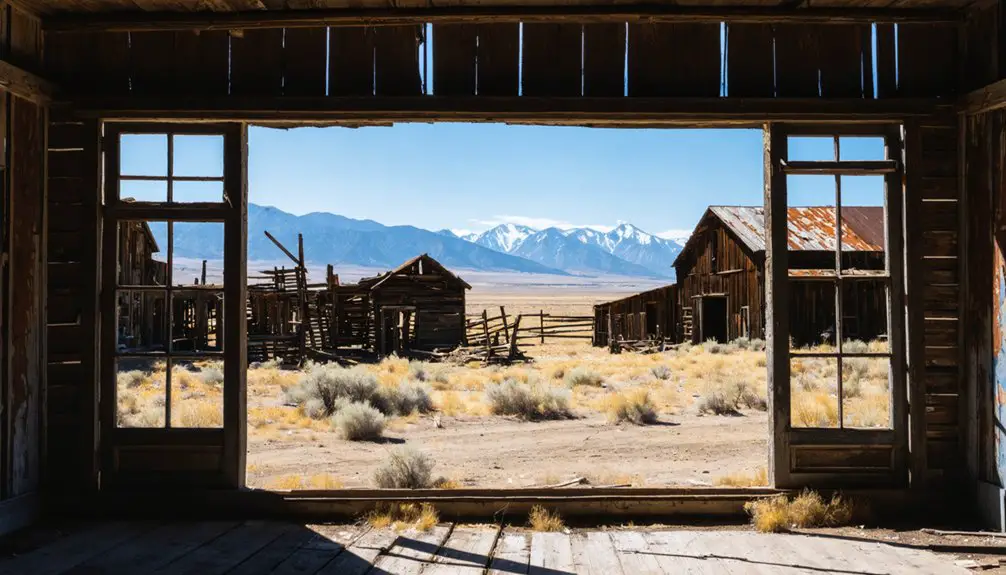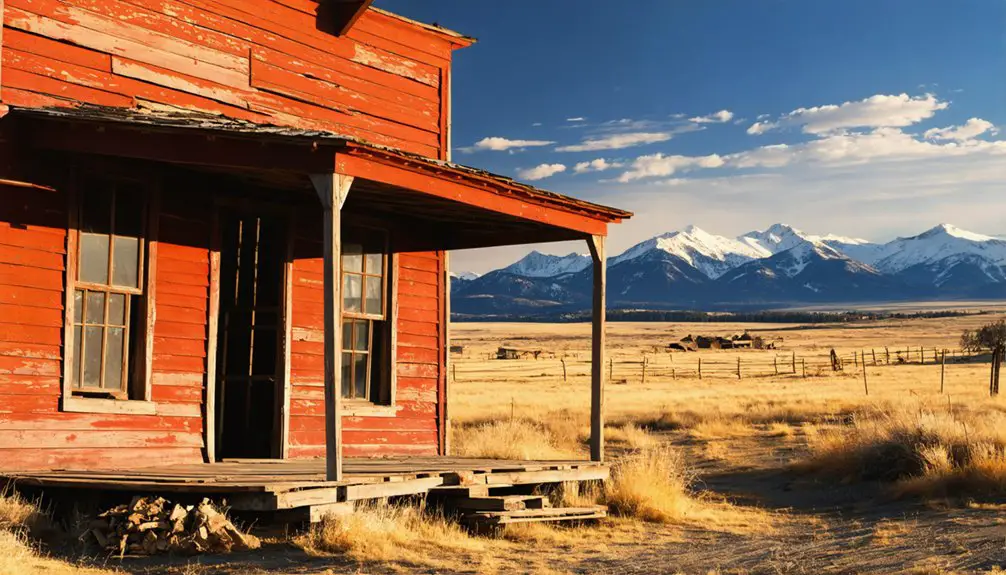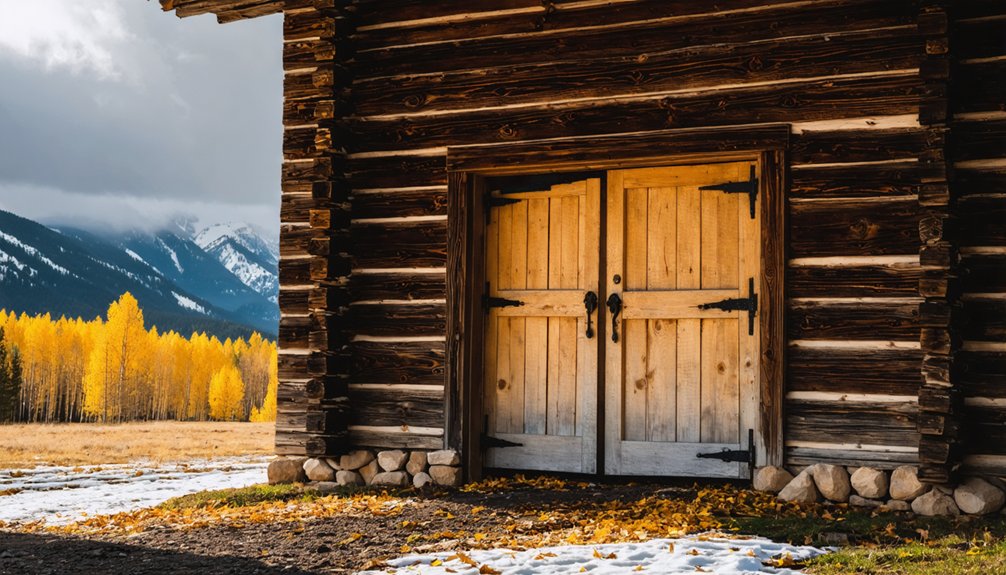
You’ll find Montana’s ghost towns most rewarding to visit during September, when temperatures hover between 60-70°F and summer crowds have dispersed. The soft autumn light illuminates golden aspens, creating ideal conditions for photography, while preserved buildings and artifacts can be explored at a relaxed pace. While July offers special events like Bannack Days, and winter provides unique snowy adventures, September’s mild weather and reduced visitor traffic create the perfect environment for authentic ghost town exploration.
Key Takeaways
- September offers mild 60-70°F temperatures, reduced crowds, and stunning fall colors while ghost towns remain fully accessible.
- Peak summer season (June-August) provides full access to demonstrations, activities, and events like Bannack Days in July.
- Winter visits offer unique experiences with cabin rentals and snowmobile access, though many locations have limited accessibility.
- Spring can be unpredictable with lingering snow at higher elevations, making some ghost town locations difficult to reach.
- Late June through early September provides the most stable weather and complete access to all ghost town attractions.
Peak Summer Season Events and Access
While Montana’s ghost towns captivate visitors year-round, the peak summer season offers unparalleled opportunities to experience these historic settlements in their full glory.
Montana’s ghost towns come alive in summer, offering visitors the richest glimpse into these fascinating fragments of frontier history.
You’ll find the most extensive immersion during Bannack Days, held the third weekend of July, where you can explore over 50 authentic buildings and participate in pioneer skill demonstrations from 9am to 5pm daily. Visitors can enjoy local culture and history through themed activities and period music performances.
Between historical reenactments and guided tours, you can venture beyond the ghost towns for river floating expeditions on pristine Montana waters.
The extended summer daylight maximizes your exploration time, while activities like gold panning, horse-drawn wagon rides, and Native cultural programs transport you to the 1860s.
Join local guides to visit a well-preserved ghost town and discover the fascinating stories of Montana’s early settlers.
Evening entertainment includes old-time dances at the historic Meade Hotel, completing your journey through Montana’s rich pioneer heritage.
The September Sweet Spot
September emerges as the prime season for exploring Montana’s ghost towns, offering a compelling blend of fall foliage, mild temperatures, and diminished crowds.
You’ll discover ideal fall photography conditions before dawn, when soft light illuminates golden aspens around preserved structures in Bannack and Elkhorn. The abundance of original mining buildings adds authenticity to your exploration experience. Many travelers combine their ghost town visits with the live theater performances still running in Virginia City during early September. With temperatures ranging from 60-70°F, you can enjoy tranquil exploration of historic sites without summer’s intense heat.
You’ll benefit from considerably reduced visitor traffic at popular destinations like Nevada City and Garnet, where gravel roads remain easily accessible.
The post-summer decline creates perfect opportunities for unhurried investigation of authentic artifacts and buildings. This sweet spot also aligns with seasonal events like ghost walks, while avoiding school tours that typically end mid-September, ensuring your visit remains peaceful and unencumbered.
Winter Adventures and Cabin Stays
Despite summer’s seasonal closures, Montana’s ghost towns transform into enchanting winter destinations for adventurous travelers.
You’ll find pristine solitude at Garnet Ghost Town, where two primitive cabins offer exclusive winter rentals from December through early spring. These rustic accommodations require advance booking and are only accessible by winter sports transportation – snowshoes, cross-country skis, or snowmobiles. With thirteen historic saloons once operating in its heyday, Garnet offered numerous entertainment options for the nearly 1,000 residents who lived there by 1898.
The BLM maintains over 110 miles of groomed trails in the Garnet Range, reaching elevations of 7,000 feet. While exploring, you’ll discover frozen waterfalls and snow-draped historic structures that create distinctive photo opportunities. Morrison Racing Kennel offers thrilling dog sledding adventures through the snowy terrain, providing a unique way to access remote areas of the ghost town.
For variety, combine your ghost town adventure with nearby activities like soaking in Jackson Hot Springs or skiing at Lost Trail Powder Mountain. The reduced winter crowds allow you to experience these historic sites in peaceful isolation.
Planning Your Multi-Day Ghost Town Route
Planning a multi-day ghost town adventure requires careful route logistics to maximize your exploration time. Start at West Glacier and wind your way through Montana’s historic mining settlements over five adventure-packed days.
You’ll traverse the scenic MT-83 and Pioneer Mountain Scenic Byway, hitting major ghost town highlights like Garnet, Bannack, and Virginia City. Stop in the charming town of Bigfork for shopping at upscale art galleries and boutiques along the way.
Your journey encompasses 30 preserved buildings at Garnet Ghost Town, over 50 original structures at Bannack State Park, and 150+ authentic buildings in Virginia City. Experience authentic historical immersion with Grand Victorian Balls and theatrical performances that bring the past to life.
You’ll need a vehicle suited for gravel roads, and you’ll want to plan overnight stays strategically. Consider camping among the cottonwoods at Bannack or booking accommodations in Virginia City.
Don’t miss integrating nearby attractions like Philipsburg’s Sweet Palace, Crystal Park’s quartz hunting, and Fairmont Hot Springs’ rejuvenating pools.
Seasonal Weather Impact on Mountain Locations
Montana’s mountainous ghost towns experience dramatic seasonal weather variations that directly affect accessibility and visitor experiences. With temperatures showing a rise of 2.5°F since the early 1900s, these areas are seeing noticeable climate shifts.
You’ll find peak visiting conditions from late June through early September when temperatures reach the 70s-90s and mountain weather stabilizes. During these months, you’re less likely to encounter snowfall that could block remote access roads.
Be prepared for significant seasonal variations if you’re planning visits outside summer months.
Winter brings up to 300 inches of snow in western mountains, making many ghost towns inaccessible. Cold waves sweep through 6-12 times each winter, particularly in areas near Glacier Park.
Spring remains unpredictable through May, with snow lingering at higher elevations.
Fall offers spectacular colors and crisp conditions through September, but October brings increasing chances of winter storms.
You’ll need to monitor weather forecasts carefully and carry appropriate gear during shoulder seasons.
Frequently Asked Questions
Are Pets Allowed in Montana’s Ghost Town Visitor Centers and Buildings?
While Garnet’s buildings welcome leashed pets freely, you’ll need to check specific pet policies at Bannack’s visitor center. Ghost town etiquette requires keeping pets controlled and cleaned up after everywhere.
What Photography Equipment Restrictions Exist When Visiting These Historic Ghost Towns?
You’ll need photography permits at most ghost towns, though equipment restrictions are minimal. You can typically use tripods and standard cameras, but professional/commercial photography requires special permissions.
Which Ghost Towns Offer Accessible Facilities for Visitors With Mobility Challenges?
Like a well-planned frontier town, Bannack’s your best bet with ADA-accessible yurts and cabins. You’ll find visitor amenities at Garnet too, including wheelchair access and staff assistance for uphill returns.
Can Visitors Collect Artifacts or Use Metal Detectors at Ghost Towns?
You can’t collect artifacts or use metal detectors at Montana’s ghost towns. Strict artifact preservation laws protect these sites, while metal detecting regulations guarantee historical resources remain undisturbed for future generations.
Are There Guided Night Tours Available at Any Montana Ghost Towns?
You’ll find guided night time exploration at Bannack State Park’s Ghost Walk, plus Helena’s Hellbound Ghost Tours. Other ghost town experiences are mainly daytime affairs, though Southwest Montana offers seasonal haunted tours.
References
- https://avrextravel.com/montana-ghost-towns/
- https://bluemountainbb.com/blog/ghost-towns-montana/
- https://www.tripadvisor.com/ShowTopic-g28947-i982-k273767-Best_time_to_visit-Montana.html
- https://fwp.mt.gov/stateparks/bannack-state-park
- https://www.blm.gov/visit/garnet-ghost-town
- https://backstagepasstravel.com/montana-summer-tour-with-geoff-tate-week-1-2026/
- https://www.bannack.org/events-programs
- https://southwestmt.com/events/bannack-days/
- https://www.mgtps.org/events
- https://xlcountry.com/montana-festivals-2025/