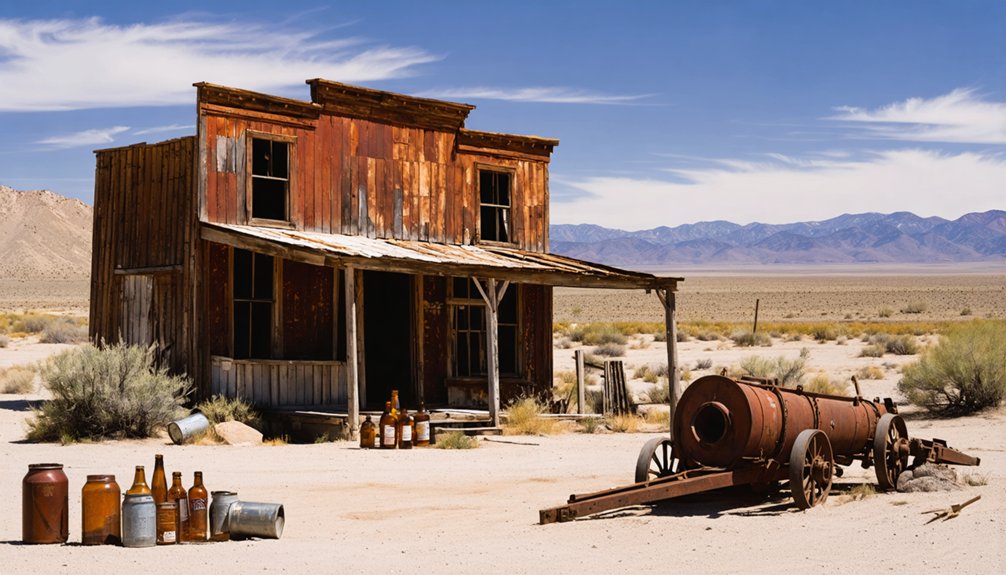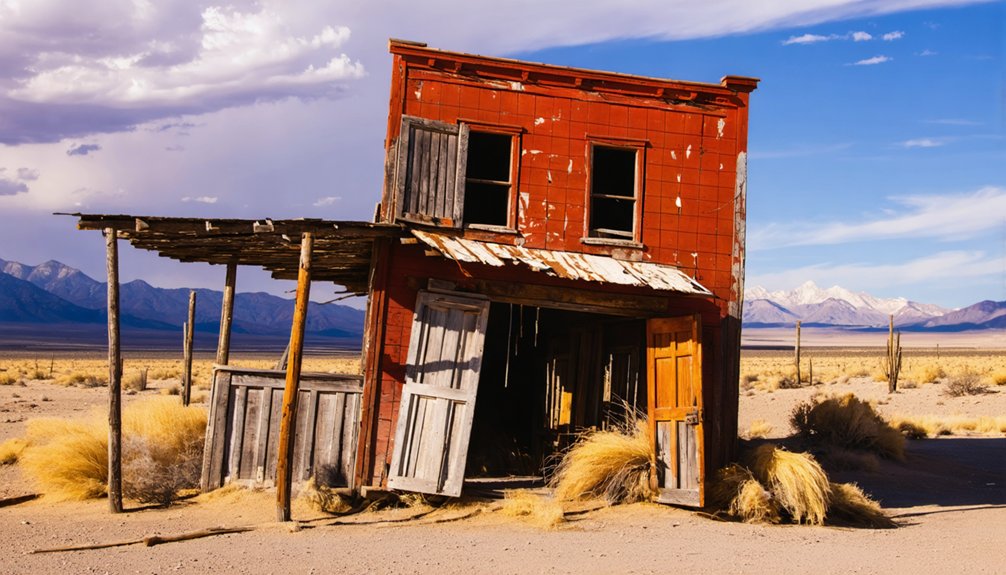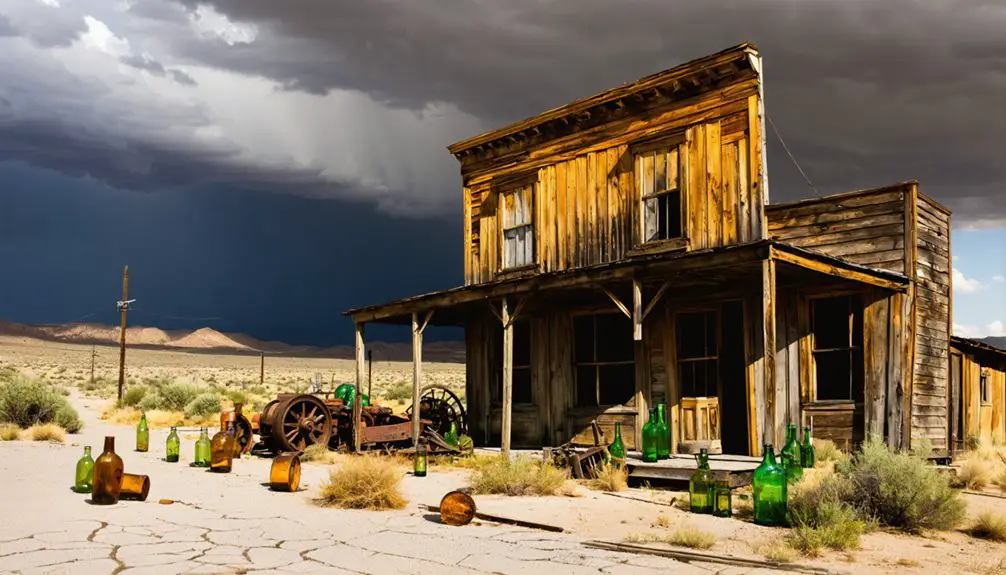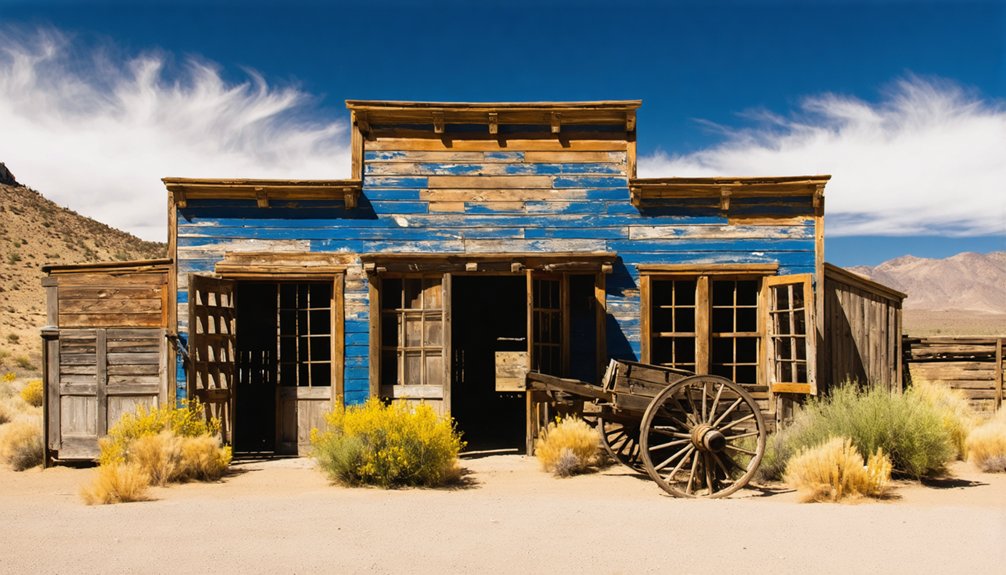
You’ll find fall to be Nevada’s ideal season for ghost town exploration, with stable temperatures averaging 65-75°F and exceptional visibility for photography. While spring offers wildflower backdrops and summer enables broader access, fall’s mild conditions allow comfortable hiking and reliable road conditions for reaching remote sites. Winter poses significant challenges with snow and storms, particularly above 10,000 feet. Your ghost town adventure planning should consider these seasonal patterns for a rewarding historical experience.
Key Takeaways
- Fall is the optimal time for ghost town exploration, offering stable weather conditions, clear visibility, and comfortable temperatures.
- Spring and fall have peak visitation due to mild temperatures, but natural barriers help manage crowd distribution effectively.
- Winter should be avoided due to hazardous storms and snow accumulation that restrict access to higher-elevation sites.
- Summer visits require extreme caution as temperatures exceed 99°F, limiting exploration to brief dawn and dusk periods.
- Early spring has unpredictable weather patterns with sudden storms and temperature changes that can impact accessibility and safety.
Seasonal Weather Impact on Ghost Town Exploration
When exploring Nevada’s ghost towns, seasonal weather patterns greatly influence both safety and accessibility of these historic sites.
Fall emerges as the ideal season, offering stable weather patterns with pleasant temperatures and clear visibility that enhance your exploration of weathered structures.
Autumn’s mild weather creates perfect conditions for discovering Nevada’s abandoned settlements, with crisp air and cloudless skies illuminating historic remains.
You’ll find summer’s extreme heat creates dangerous conditions, with temperatures exceeding 99°F in many locations, while winter brings hazardous storms and snow accumulation that can restrict access to higher-elevation sites.
Spring’s volatile weather changes pose unique challenges, with rapid temperature fluctuations and unexpected storms that can disrupt your plans, as evidenced by the melting snow in Beatty during an April visit.
The presence of wild burros near highways requires extra caution during any season, particularly during dawn and dusk hours when visibility is reduced.
Understanding these seasonal trends is essential for safe navigation of these remote historical locations, where limited infrastructure requires thorough preparation regardless of when you visit.
Peak Tourist Seasons and Crowd Management
You’ll find Nevada’s ghost towns most crowded during spring and fall when mild temperatures draw history seekers.
Tourist strategies focus on managing these peak periods through natural barriers and controlled access. Sites like Rhyolite contain 50 original saloons from its heyday, spreading visitors across a vast area. Major sites like Rhyolite maintain surprisingly low crowd dynamics, rarely exceeding 50 daily visitors even during prime seasons. Goldfield requires visitors to slow to 25 mph through its main curved highway, naturally limiting tourist traffic.
Strategic timing can enhance your exploration freedom. Summer brings relief from crowds, particularly during early morning hours, while winter offers near-solitary experiences at remote locations like Jarbidge.
Event-driven spikes occur predictably – Halloween doubles Goldfield’s visitors through guided hotel tours, while Burning Man’s aftermath temporarily increases September numbers.
The state’s preservation approach of “arrested decay” combined with appointment-only systems and natural access limitations guarantees authentic experiences remain accessible year-round, even at popular sites like the Goldfield Hotel and Belmont’s historic district.
Photography Tips for Different Seasons
To capture Nevada’s ghost towns in their best light, you’ll find winter’s golden hour offers ideal conditions with long shadows and warm tones highlighting historical artifacts at sites like Nelson Ghost Town.
You can maximize the late daylight by arriving before sunset to photograph wide-angle compositions that incorporate both architectural elements and the surrounding desert landscape with craggy hills.
Winter’s low-angle sunlight creates dramatic contrast on weathered buildings and vintage vehicles, while the season’s reduced crowds allow for unhurried composition and extended shooting sessions. Professional photographers must obtain permission and permits through Bobbie Werly to conduct organized photo shoots. The Techatticup Gold Mine provides unique backdrops with its collection of old cars and mining equipment in various states of decay.
Golden Hour Shooting Strategies
The golden hour’s ethereal light transforms Nevada’s ghost towns into enchanting photographic subjects, with distinct seasonal variations requiring different shooting strategies.
You’ll find spring’s extended golden hours ideal for capturing blooming desert flora against weathered structures, while summer demands efficient shooting during brief dawn and dusk windows to avoid harsh midday light. Plan to visit during the early morning hours to take advantage of soft light streaming through windows and doorways.
Fall offers the advantage of clearer skies and lower sun angles, creating dramatic shadows that emphasize architectural details. Consider using black and white conversions to accentuate the interplay of light and shadow during golden hour shoots.
For best results, position your tripod-mounted wide-angle lens to capture vast desert landscapes during these fleeting moments.
Level horizons are essential for balanced compositions. Don’t forget your headlamp for interior shots as natural light fades.
Winter Light Composition Tips
Winter’s distinctive lighting conditions create unique opportunities for ghost town photography in Nevada, where the sun’s low position and reflective snow transform familiar ruins into ethereal landscapes.
You’ll find winter sunlight particularly advantageous for composition techniques that emphasize architectural details. The sun’s path travels lower across the winter sky, offering extended periods of indirect illumination. Position yourself to capture long shadows stretching across weathered wooden planks, or partially obscure the sun behind deteriorating structures to create dramatic flares. A stable tripod setup is essential for maintaining sharpness in the limited winter light.
The low-angled winter light reveals textures in rustic building materials that remain hidden during other seasons. When shooting in snow, overexpose by +1 to +2 EV to maintain bright whites while preserving structural details.
For maximum impact, incorporate foreground elements like rusted machinery against pristine snow, and use longer focal lengths to isolate compelling architectural features against the stark winter backdrop.
Road Conditions and Accessibility by Season
Maneuvering Nevada’s ghost town roads requires careful consideration of seasonal conditions that can greatly affect accessibility.
Road maintenance varies considerably throughout the year, with high-elevation sites becoming completely inaccessible during winter months without specialized equipment. Seasonal access patterns follow predictable cycles, though individual storms can render passable roads treacherous overnight.
Snow and weather patterns dictate access to Nevada’s remote roads, where sudden storms transform safe paths into dangerous routes.
- Winter demands snowmobiles or skis for high-elevation sites above 10,000 feet
- Spring thaws improve dirt road conditions but create unpredictable terrain changes
- Summer enables broader exploration despite intense heat and sudden weather shifts
- Fall offers ideal access before winter closures, though wildfire smoke may restrict movement
Your vehicle choice and preparation become critical factors in successfully maneuvering these remote locations.
A high-clearance 4×4 with aggressive all-terrain tires is essential, as is carrying adequate survival supplies for at least three days.
Special Events and Seasonal Activities
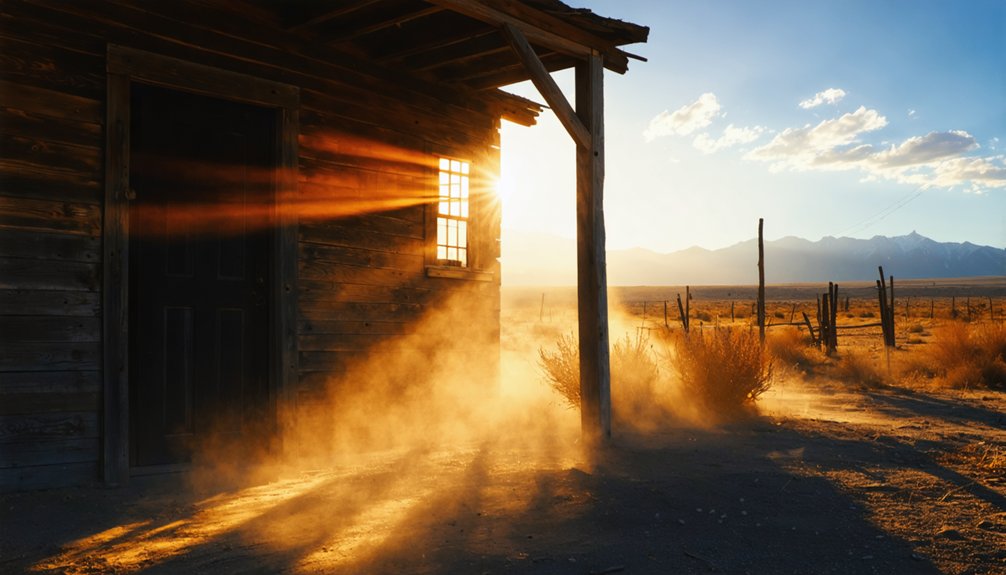
Throughout Nevada’s ghost towns, special events and seasonal activities transform these abandoned settlements into vibrant cultural destinations, particularly during autumn months when organizations coordinate haunted tours, historical reenactments, and festive celebrations.
You’ll find Carson City’s renowned ghost walk events running from spring through fall, with their signature October tours led by Madame Curry exploring the historic West Side.
Virginia City’s month-long Hauntober festival features zombie runs, saloon crawls, and haunted mansion tours.
In Elko, you can experience downtown walking tours with local performers or venture to authentic ghost towns like Tuscarora and Metropolis.
The Springs Preserve offers interactive experiences including gold panning and ghost town storytelling, while regional events like Truckee’s Historical Haunted Tour and White Pine County’s Ghost Train provide unique historical perspectives.
Historic Building Preservation and Safety Concerns
When exploring Nevada’s ghost towns, you’ll need to take into account how seasonal weather patterns affect the structural integrity of historic buildings, as many exist in various states of arrested decay from fully preserved to near rubble.
Summer’s intense heat and sudden thunderstorms can temporarily destabilize already compromised structures, while winter’s freeze-thaw cycles progressively weaken building foundations and walls.
You’ll find the most stable conditions during spring and fall, when moderate temperatures allow for safer exploration of these protected sites, many of which offer guided tours to guarantee visitor safety while preserving these irreplaceable historic resources.
Structural Integrity By Season
Structural integrity of Nevada’s ghost town buildings fluctuates dramatically across seasons, presenting unique preservation challenges in the high desert environment.
Seasonal repairs must adapt to extreme temperature variations, while structural assessments guide preservation crews in protecting these historic treasures against nature’s forces.
- Winter brings freeze-thaw cycles that stress masonry joints, requiring careful monitoring of roof sections and aging timbers under snow loads.
- Spring thaw introduces moisture penetration and aggressive vegetation growth, particularly threatening tunnel portals and building foundations.
- Summer’s intense desert heat accelerates deterioration of concrete and sandstone structures, especially in exposed ruins.
- Fall winds challenge roof integrity and ornate features while volunteer crews race to control resumed foliage growth.
Your access to these sites will vary based on seasonal safety conditions, with most locations limiting interior exploration year-round.
Weather Impact On Buildings
Despite Nevada’s harsh desert environment, the arid climate paradoxically serves as a natural preservative for ghost town structures through a process known as “arrested decay.” This unique preservation phenomenon allows weathered wood buildings, stone ruins, and mining equipment to age gracefully while maintaining their structural essence.
However, you’ll find that weather effects pose significant challenges to building preservation. While low humidity helps prevent moisture damage, extreme temperature fluctuations cause materials to expand and contract, particularly affecting wooden structures.
Summer temperatures reaching 99°F accelerate rust on mining equipment, while floods and blizzards can severely impact infrastructure. You’ll notice these forces working in tandem with human-induced damage, as vandalism and off-road vehicle use compound natural weathering processes.
To combat these threats, preservation efforts focus on creating defensible fire zones and implementing protective measures against flooding.
Safety During Site Exploration
Since historic ghost town sites present unique preservation challenges, visitors must balance exploration with safety and legal compliance.
Structural instability and remote locations require careful preparation and respect for preservation laws. You’ll need proper safety gear and emergency contacts before venturing to these historic sites.
- Always share your detailed route plans and expected return time with a trusted contact
- Carry essential recovery equipment for your vehicle, as historic structures can’t be used as anchors
- Maintain a safe distance from unstable buildings and never enter locked structures
- Document your discoveries through photos only, as artifact removal is strictly prohibited
Remember that these sites are protected by both state and federal laws.
Your responsible exploration helps preserve these irreplaceable historical resources for future generations while ensuring your own safety.
Frequently Asked Questions
Are Pets Allowed in Nevada Ghost Towns?
You’ll find pet policies vary by ghost town, but many, like Nelson, are dog friendly locations where you can bring your leashed pets to explore these historic sites.
What Survival Gear Should I Pack for Ghost Town Exploration?
Under the scorching desert sun, you’ll need survival essentials like sturdy boots, protective clothing, first aid kit, navigation tools, and reliable lighting. Don’t forget water purification gear and emergency rations for safe exploration.
How Close Can I Legally Get to Abandoned Mines?
You must stay outside posted warning boundaries and fenced perimeters around abandoned mines, as it’s illegal to trespass. Even if unfenced, maintain safe distance due to unstable ground conditions.
Can I Collect Artifacts or Souvenirs From Ghost Towns?
You can’t legally collect artifacts from ghost towns, as they’re protected historic sites. Focus on artifact preservation through photography instead – it’s the ethical collecting approach that keeps history intact.
Are There Guided Tours Available for Non-English Speaking Visitors?
Like windows into the past, multilingual guides reveal Nevada’s ghost towns through professional tour services catering to international visitors. You’ll find Spanish, Mandarin, and German-speaking guides offering culturally-rich historical experiences.
References
- https://findingnevadawild.com/goldfield-the-old-west-lives-in-nevadas-best-ghost-town/
- https://www.tripadvisor.com/Attractions-g28949-Activities-c47-t14-Nevada.html
- https://www.visittheusa.com/experience/6-nevada-ghost-towns-explore-if-you-dare
- https://travelnevada.com/ghost-town/
- https://nvtami.com
- https://www.sunset.com/travel/road-trips/offbeat-nevada-road-trip
- https://www.youtube.com/watch?v=Bp2IcEQsWEM
- https://www.nsaen.com/travel-abondoned-places-in-nevada/
- https://www.desertusa.com/desert-nevada/nevada-ghost-towns1.html
- https://www.youtube.com/watch?v=LP6gKVpSfu8