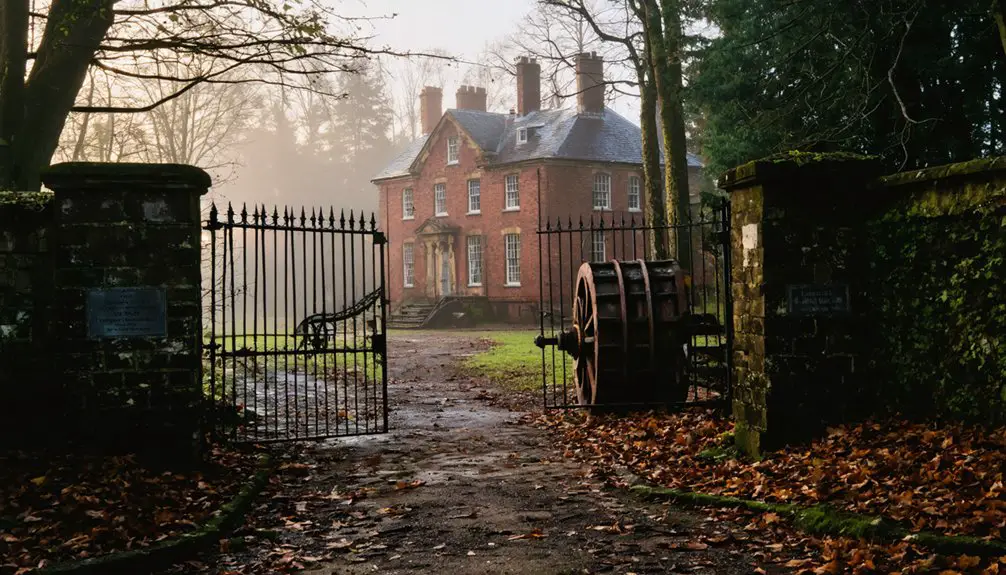
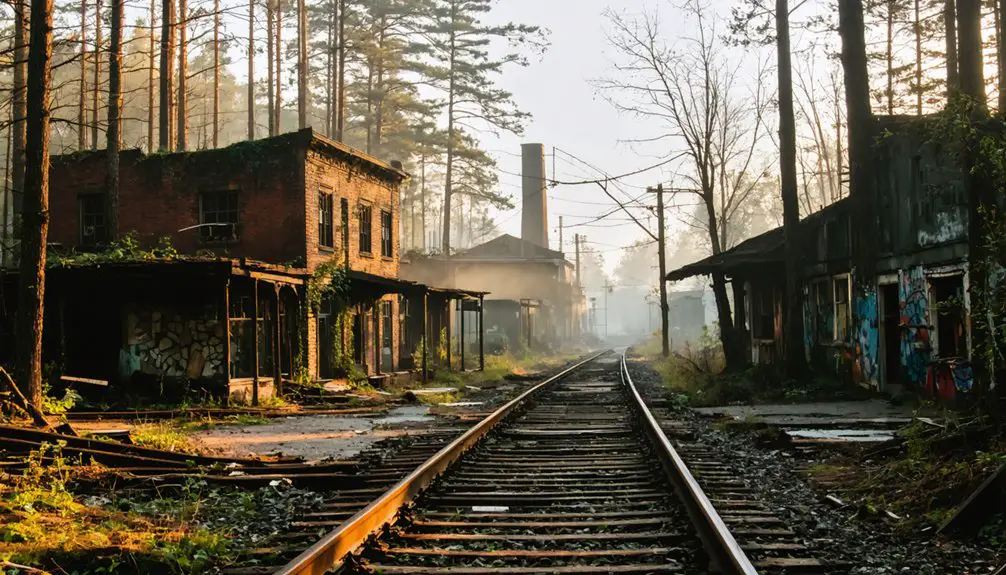
You’ll find ideal ghost town exploring in New Jersey during fall and spring. October delivers signature Halloween events, vivid autumn colors, and crisp temperatures perfect for photographing historic structures. Spring offers moderate crowds, accessible hiking trails, and excellent visibility of architectural details before summer foliage emerges. While summer brings peak crowds and winter limits access, each season provides unique opportunities to discover these haunting destinations. The calendar holds many more secrets about these abandoned places.
Key Takeaways
- Fall offers the most atmospheric experience with ghost town festivals, Halloween events, and vibrant autumn colors for photography.
- Spring provides moderate temperatures, good visibility of historic structures, and fewer crowds than summer or fall months.
- Winter delivers unobstructed views for architectural photography and the quietest exploration opportunities, except during holiday periods.
- October hosts the most special events, including signature Halloween programs and haunted tours at multiple ghost town locations.
- Early mornings year-round offer optimal photography conditions with golden hour lighting and minimal crowds at major sites.
Seasonal Highlights for Pine Barrens Ghost Town Exploration
While New Jersey’s Pine Barrens ghost towns offer year-round exploration opportunities, each season presents distinct advantages for visiting these historic sites.
In spring, you’ll find accessible hiking trails to historic buildings like the Worker’s House Museum, while summer opens up Batsto Village‘s preserved mansions and mills for exploration. Your seasonal activities can include investigating the legendary Blue Hole, known for Jersey Devil sightings. The area’s streams exhibit a distinctive rust-colored water from natural iron deposits. Visitors can explore Estell Manor County Park’s eighteen miles of trails showcasing WWI ammunition factory ruins.
Fall transforms abandoned villages into atmospheric destinations, with ghost stories intensifying as dusk settles over crumbling ruins and old cemeteries.
Winter reveals historic structures like Cedar Bridge Tavern, America’s oldest intact bar, where paranormal activity includes reports of doors closing on their own.
Throughout the seasons, you can explore multiple ghost towns including Atsion, Harrisville, and Speedwell, each preserving unique remnants of New Jersey’s industrial past.
Weather Considerations for Historic Village Tours
Understanding weather patterns is key to planning a successful ghost town visit in New Jersey.
You’ll want to avoid the Atlantic hurricane season‘s peak in August and September, particularly at vulnerable coastal sites like Sea Breeze.
Winter months bring their own challenges, with frozen ground and reduced daylight limiting your exploration time.
Spring emerges as your safest bet, with April and May offering moderate temperatures and extended daylight hours perfect for photographing historic structures.
If you’re planning autumn visits, target October for ideal conditions – you’ll dodge both hurricane season and winter’s grip while enjoying crisp temperatures and minimal precipitation.
The devastating impact of Hurricane Gloria permanently altered Sea Breeze’s landscape in the 1980s.
Many local history enthusiasts contribute valuable documentation and research to help preserve these abandoned settlements for future generations.
Remember to check weather patterns before visiting unmanaged sites, as summer thunderstorms and spring snowmelt can create hazardous conditions.
Take extra safety precautions at deteriorating structures, especially during wet seasons.
Peak Photography Periods at Abandoned Sites
When should you photograph New Jersey’s ghost towns for the best results? Each season offers distinct lighting conditions and visibility advantages.
Winter provides unobstructed views of ruins with minimal foliage, while fall’s golden hour creates stunning contrasts against historic structures. Early spring maintains good visibility before new growth emerges, and summer’s extended daylight allows for varied photography techniques throughout the day. The Continental Army artifacts found at these sites are often more visible during winter excavations.
Hampton Furnace’s controlled burns have permanently darkened its brick walls, making them especially photogenic during winter months when snow provides natural contrast.
- Winter (December-February): Dead branches and absent undergrowth reveal hidden structures at sites like Amatol and Atsion, making it ideal for architectural documentation.
- Fall (October): Rich autumn colors frame abandoned buildings at Walpack Center and Batsto, while reduced haze enhances photo clarity.
- Early Morning/Late Evening (Year-round): Golden hour lighting creates dramatic shadows on concrete remnants and illuminates mansion facades, particularly effective at Feltville and Waterloo Village.
Special Events and Living History Programs
You’ll find the richest array of ghost town events during October, when sites like Batsto Village and Deserted Village of Feltville host their signature Halloween programs featuring period-costumed interpreters and haunted tours.
The Historic Village at Allaire and other living history museums offer hands-on craft demonstrations and reenactments throughout the spring and summer months. Visitors can explore the site’s operational blacksmith shop while learning about its industrial heritage. Special performances at Moorestown include two portrayals of abolitionists by Dr. Daisy Century on October 17 and 25.
For specialized programs, you can catch unique performances like Dr. Daisy Century’s portrayal of Harriet Tubman at Moorestown’s Ghost Tours or attend Paranology 101 at Fosterfields Living Historical Farm in September.
Peak Festival Season Highlights
New Jersey’s ghost town festivals reach their peak during the fall season, with five signature events drawing history enthusiasts and thrill-seekers alike.
Festival experiences range from the atmospheric Jersey Devil Fable Festival in the isolated Pine Barrens to the immersive ghostly encounters at Allaire Village’s Night of Frights. You’ll find the perfect blend of history and haunts throughout October. The Pine Barrens’ 2 million acre forest provides an ideal backdrop for these mystical events. Visitors can enhance their ghostly experience with a stop at Atlantic City Ghosts for spine-chilling historical tales.
- Explore costumed spirits and eerie tales during Haunted History Ghost Tours in Somerset County on October 11 and 18.
- Experience the 53rd Annual Mullica Hill Fall Festival’s living history weekend, featuring authentic crafts and demonstrations.
- Discover Beyond the Veil at Historic Cold Spring Village, where paranormal presentations bring Cape May’s past to life.
Costumed Interpreter Programs
Throughout the seasonal operating schedule, costumed interpreter programs bring New Jersey’s ghost towns to vivid life with authentic period demonstrations and engaging historical presentations.
You’ll find skilled craftspeople showcasing traditional trades like blacksmithing, printing, woodworking, basket weaving, and bookbinding during the active season.
When darkness falls, you can join period-dressed guides for ghost tours that blend spiritual intrigue with historical narratives.
These evening experiences feature amplified storytelling that keeps you connected to the group while exploring paranormal hotspots across the grounds.
While the village grounds remain accessible year-round during business hours (Monday-Friday, 10:00 am-4:00 pm), you’ll want to plan your visit during the spring-through-October operating season to fully experience the costumed interpreters’ historical demonstrations and access the historic buildings.
Hands-on Demonstrations Schedule
Each autumn, New Jersey’s ghost towns come alive with an extensive calendar of hands-on demonstrations and living history events.
You’ll find interactive exhibits throughout October, with special performances like Dr. Daisy Century’s portrayal of Harriet Tubman at the Smith-Cadbury Mansion and dramatic ghost stories at the Allaire Historical Village.
- Experience hands-on demonstrations at Historic Cold Spring Village, where craft vendors and food trucks enhance your journey through time from 11:00am to 4:00pm on weekends.
- Participate in live actor-guided tours in Bernardsville, departing every 15 minutes after 5:30pm on October 11.
- Explore interactive exhibits at the Carriage House in Farmingdale, where spirits and shadows bring history to life in the towering General Store.
Crowd Levels Throughout the Calendar Year
When planning your visit to New Jersey’s ghost towns, understanding seasonal crowd patterns can greatly impact your experience.
Summer brings peak crowds, particularly at Cold Spring Village and Batsto Village, where families flock during school breaks. For ideal crowd management, consider visiting during spring’s shoulder season when you’ll encounter moderate visitor levels and mild weather.
Fall sees another surge, especially in October when Halloween events draw enthusiasts to themed activities and paranormal investigations.
If you’re seeking solitude, winter offers the quietest exploration opportunities, except during the holiday season from December 20 to January 2.
For the best visitor experience year-round, schedule your visits Monday through Thursday when crowds thin considerably. Weekends consistently draw larger groups across all seasons, particularly for guided tours and special events.
Trail Conditions and Accessibility by Season
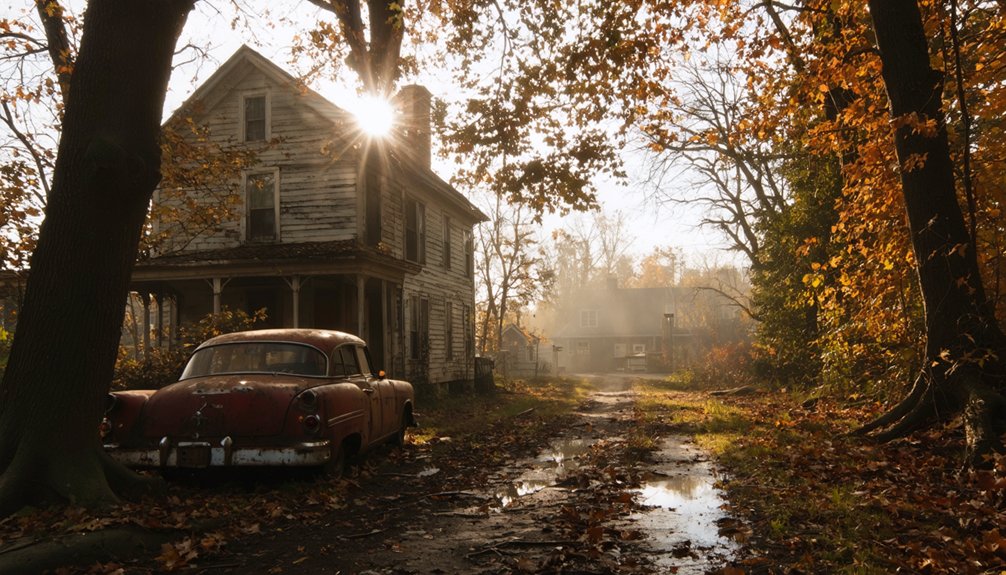
You’ll find New Jersey’s ghost town trails are reliably accessible year-round, though each season presents unique considerations for your visit.
Summer brings thick lily pad growth at Ghost Lake and crowded conditions at Blue Hole, while fall and spring showcase ideal hiking weather with minimal natural obstacles.
Winter maintains trail accessibility despite cooler temperatures, though you’ll want proper footwear for occasionally muddy or icy conditions, especially around water features like Ghost Lake and Blue Hole.
Seasonal Trail Hazards
Throughout New Jersey’s ghost town trails, seasonal hazards present distinct challenges that hikers must navigate carefully. From spring trail flooding near Batsto Village to winter hazards like treacherous ice on the Watchung Reservation paths, each season brings unique risks.
You’ll need to watch for venomous snakes in summer months and cope with reduced visibility from fallen leaves in autumn.
- Spring thaws create muddy conditions and mosquito swarms near Wharton State Forest’s historic sites.
- Summer brings dense overgrowth along Batona Trail and heightened heat exhaustion risks in exposed areas.
- Winter transforms northern trails into icy hazards while fog disorients hikers on Pine Barrens’ sandy roads.
Pay attention to hunting seasons in Warren County during peak foliage and be mindful of shortened daylight hours when planning longer ghost town explorations.
Weather Impact on Access
Building on the seasonal hazards that affect New Jersey’s ghost town trails, weather conditions directly influence accessibility across all four seasons.
You’ll find spring brings reliable access to sandy roads and stagecoach routes, though flooding can temporarily affect creek crossings.
Summer’s extended daylight hours maximize exploration time, with weather effects favoring water activities along the Batsto and Mullica rivers.
Fall delivers ideal trail accessibility with cooler temperatures, making lengthy hikes more manageable across the extensive trail network.
Winter weather may restrict certain areas, but the Batona Trail remains navigable, especially for cross-country skiing and snowshoeing when snow conditions allow.
Year-round staffing at state and county parks guarantees you’ll have current information about trail conditions and closures regardless of season.
Natural Surroundings and Wildlife Viewing Windows
As New Jersey’s ghost towns seamlessly blend with their natural surroundings, visitors can explore these historic sites while experiencing rich wildlife viewing opportunities throughout the year.
Abandoned structures across New Jersey provide a haunting backdrop for nature enthusiasts seeking both history and wildlife encounters.
The best times for wildlife observation align with seasonal changes, from June’s blueberry harvests at Whitesbog Village to October’s peak bird migration at coastal refuges.
- Visit Batsto Village in spring to witness the working mills while spotting native species returning to the Wharton State Forest.
- Plan your Forsythe Refuge trip during fall migration when the Atlantic Flyway comes alive with thousands of birds.
- Time your Harrisville Pond excursion for early morning hours when wildlife is most active around the historic dam ruins.
The ecological diversity of these locations offers year-round opportunities, with each season bringing unique natural displays against the backdrop of historic remains.
Holiday and Weekend Planning Tips
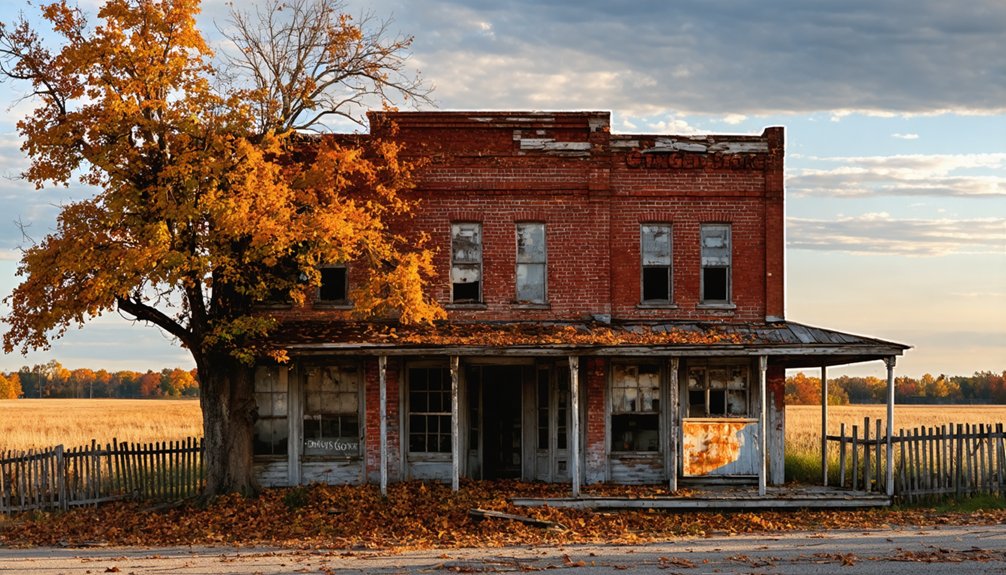
When planning your visit to New Jersey’s ghost towns, the timing of holidays and weekends can greatly impact your experience. While sites like Feltville and Batsto Village offer daily access from dawn to dusk, you’ll find special holiday events during October, including haunted hayrides and ghost tours that require advance booking.
For weekend accessibility, you can explore 33 historic buildings at Batsto, 13 period structures at Allaire, or take self-guided tours through Waterloo Village.
To avoid crowds, plan your visits during non-peak times, arriving early for better parking options. If you’re interested in seasonal festivities, don’t miss June’s Blueberry Festival in Smithville or the craft fairs at Waterloo Village.
Remember that popular destinations like Allaire and Batsto draw larger crowds during holiday weekends, so adjust your schedule accordingly.
Frequently Asked Questions
Are Overnight Stays Allowed in Any of These Ghost Towns?
You won’t find ghost town accommodations welcoming overnight guests – they’re strictly forbidden. While you can explore during daylight hours, camping regulations prohibit stays in these fascinating abandoned places across New Jersey.
What Paranormal Investigation Permits or Permissions Are Required?
You’ll need official permits from property owners or state agencies, following ghost hunting regulations and historical preservation laws. Contact sites directly – Burlington Prison Museum requires reservations while public tours don’t need permits.
Can Metal Detecting Be Done at These Historic Sites?
Like a hawk guarding its nest, strict metal detecting regulations protect these sites. You’ll need specific permits and can’t remove historical artifacts over 100 years old from public lands.
Are Any Ghost Towns Accessible by Public Transportation?
You’ll find Arlington Station and Rowe Street Station are your best ghost town accessibility options via public transport, using NJ Transit buses and PATH trains from Jersey City and Newark.
Which Sites Allow Wedding Photography or Commercial Filming?
You’ll find jaw-dropping wedding photography opportunities at Waterloo Village and Historic Smithville, while all four sites permit commercial filming with proper permits and advance arrangements through their visitor centers.
References
- https://en.wikipedia.org/wiki/List_of_ghost_towns_in_New_Jersey
- https://www.atlasobscura.com/things-to-do/new-jersey/ghost-towns
- https://southjerseytrails.org/2017/03/16/six-pine-barrens-ghost-towns-to-explore/
- https://www.jerseysbest.com/community/take-a-road-trip-through-n-j-s-spooky-ghost-towns-to-see-peculiar-pieces-of-history/
- https://www.youtube.com/watch?v=ZIp3AYb0ulw
- https://jerseydigs.com/ghost-towns-in-nj/
- https://wobm.com/new-jersey-is-home-to-one-of-americas-spookiest-ghost-towns/
- https://pinelandsalliance.org/learn-about-the-pinelands/pinelands-history-and-culture/ghost-towns-of-the-pine-barrens/
- https://www.njpinebarrens.com/category/explore/ghost-towns/page/3/
- https://ucnj.org/parks-recreation/deserted-village/