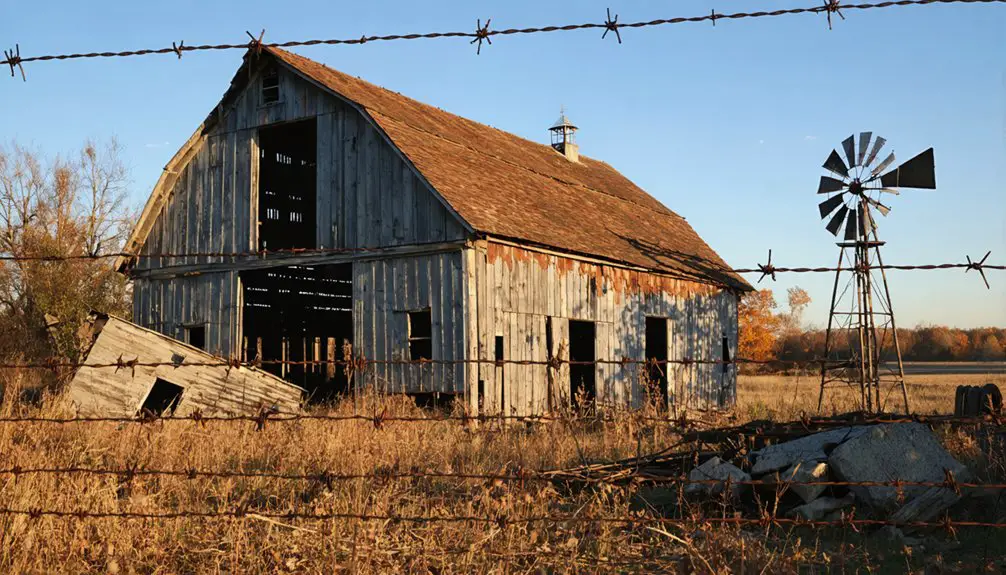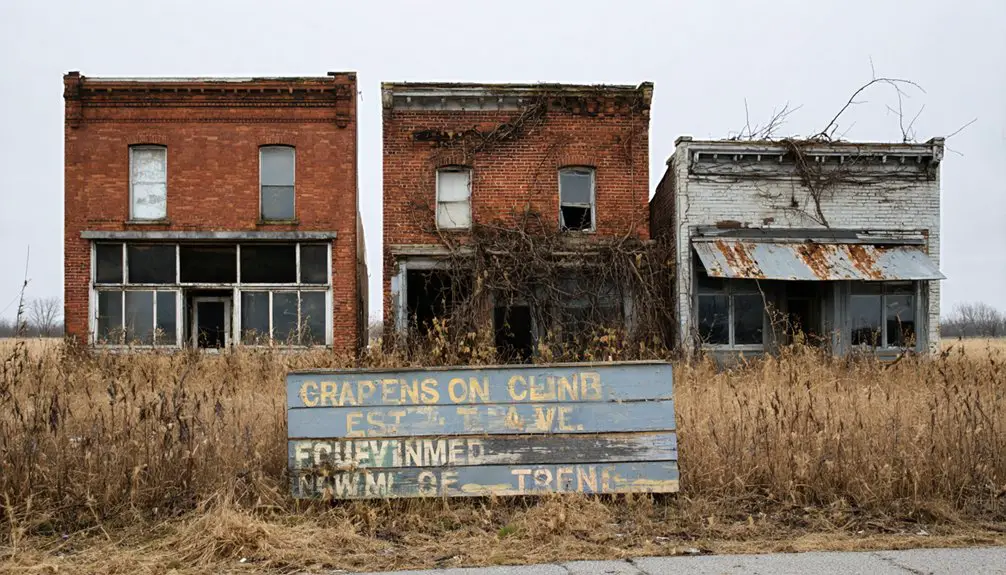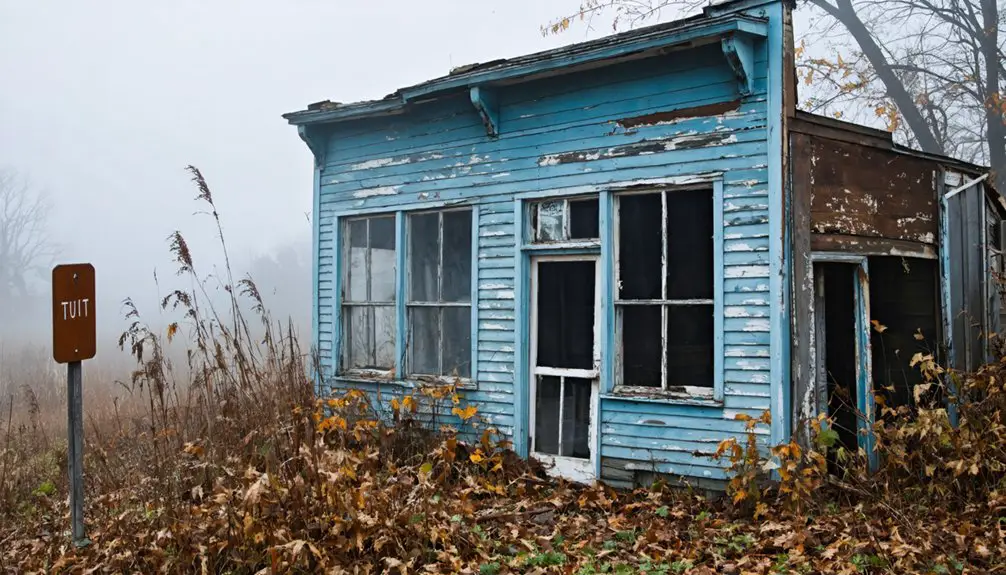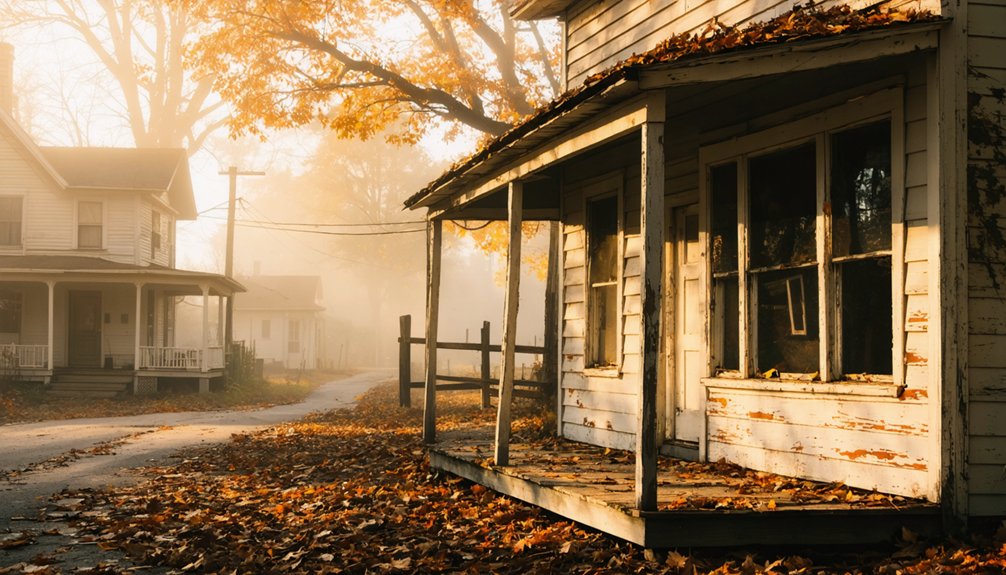
You’ll find the best conditions for visiting Ohio’s ghost towns during autumn, specifically mid-September through October. The combination of fall foliage, moderate temperatures, and special Halloween programming creates an ideal atmosphere for exploration. Most historic sites offer enhanced accessibility during this period, with guided ghost tours running Friday and Saturday evenings. While spring and summer provide unique opportunities, autumn’s mix of weather stability and seasonal events makes it your best choice for discovering Ohio’s haunted history.
Key Takeaways
- Fall (September-October) offers ideal conditions with vibrant foliage, moderate temperatures, and peak ghost tour availability across Ohio’s ghost towns.
- Spring (March-May) provides good visibility with minimal vegetation, making historical research and cemetery visits more productive.
- Summer months ensure reliable access but bring intense heat and humidity, particularly at southern ghost town locations.
- Winter visits are challenging due to hazardous driving conditions, heavy fog, and sub-zero temperatures affecting site accessibility.
- October weekends feature the most special events, including guided tours, Halloween programming, and ghost walks at various locations.
Seasonal Access and Road Conditions to Ohio Ghost Towns
While exploring Ohio’s ghost towns offers year-round intrigue, seasonal conditions greatly impact accessibility and safety.
You’ll find winter months particularly challenging, as heavy fog settles into valleys like Rogues Hollow, creating hazardous driving conditions. The bare trees cast eerie shadows during evening hours, affecting both visibility and navigation. Strange lights flicker where abandoned mine shafts dot the landscape.
Seasonal accessibility varies dramatically at sites like Moonville, where you’ll need to trek from the nearest township road regardless of weather. Visitors looking to explore the area should budget one or two days for a thorough investigation.
Access to ghost towns like Moonville demands a dedicated hike from township roads, no matter the season or conditions.
During spring and fall, dense pine forests along routes like SR 278 create claustrophobic corridors, while winter snow can make uneven terrain treacherous.
Road maintenance becomes vital, especially on winding country paths leading to abandoned mining towns.
You’ll want to carefully time your visits around weather patterns to guarantee safe exploration of these historical sites.
Peak Tourist Seasons for Popular Ghost Town Sites
Despite their year-round allure, Ohio’s ghost towns experience distinct peak seasons that draw the largest crowds of paranormal enthusiasts and history buffs.
You’ll find the most vibrant tourism activity during the fall months, particularly from late September through October, when sites like the Ohio State Reformatory’s Blood Prison Experience operates weekend events.
Peak visiting times align with organized tours, such as Little Egypt’s scheduled March and May excursions through the Walton Hills Historical Resource Center.
The Halloween season brings special programming across locations, with guided ghost tours running Friday and Saturday evenings until October 31st.
For the best blend of accessibility and atmospheric conditions, plan your visits to popular sites like Moonville Tunnel and Helltown during autumn when fall foliage enhances the eerie ambiance. The newly constructed wood pedestrian bridge at Moonville provides easier access for ghost town explorers year-round.
TourismOhio provides a comprehensive downloadable map to help visitors navigate between haunted destinations efficiently.
Weather Impact on Ghost Town Exploration Safety
Planning your ghost town visits requires careful attention to Ohio’s diverse and often challenging weather patterns. Each season brings unique hazards that’ll impact your exploration safety.
Winter creates treacherous conditions with deep snow drifts and sub-zero temperatures, while spring flooding can make riverside locations like Claylick completely inaccessible. Many ghost towns were established near coal mining operations, making them particularly vulnerable to harsh winter conditions. The abandoned town of Atwood Lake was purposely flooded to help control regional water levels.
Harsh winter snowdrifts and spring floods pose serious challenges, turning many abandoned settlements into dangerous, unreachable sites.
You’ll face intense heat and humidity during summer months, particularly at southern sites like Vinton Furnace, where temperatures soar above 90°F.
Fall brings its own seasonal hazards with frost-slicked trails and dense fog, especially around Moonville Tunnel.
Weather preparedness is vital year-round, as Ohio’s freeze-thaw cycles continuously deteriorate historic structures. Stone ovens, wooden buildings, and old foundations become increasingly unstable from prolonged exposure to rain, snow, and dramatic temperature fluctuations.
Special Events and Ghost Tours Throughout the Year
Three premier ghost tours anchor Ohio’s year-round paranormal events calendar, with Century Village Ghost Walk Tours, Ash Cave Ghost Tour, and Cincinnati Fear Fest leading the lineup.
You’ll discover ghost hunting experiences ranging from hands-on EMF readings to lantern-lit historical walks sharing haunted tales. The peak season runs from August through early November, offering diverse exploration options across the state.
- Ash Cave Ghost Tour operates weekly Saturdays at 5:30 PM, perfect for summer-to-fall changes
- Century Village’s October 24-25 events feature costumed guides in historic settings
- Cincinnati Fear Fest combines four haunted houses with a ghost-town festival
- Zoar Ghost Tours illuminate 200+ years of village history by lantern light
- Special events include unique experiences like Glow Stick Fright Nights and blood drive combinations
The Century Village Museum’s candlelit tours provide an authentic glimpse into the past with haunted folklore and legends shared by period-dressed guides.
Visitors can also experience Terror Maze in Springfield, offering intense scares through a 30-minute journey of horror scenes.
Photography and Historical Research Timing Tips
While Ohio’s ghost towns offer year-round photography potential, capturing their haunting beauty peaks during specific seasonal windows. Mid-October delivers prime fall photography in northern regions, with central Ohio peaking in late October.
You’ll find vibrant foliage framing abandoned structures, creating striking amber-gold compositions. Photographers recommend using natural lighting conditions to enhance the atmosphere, just as seen at locations like Canal Locks Trail.
Spring wildflowers carpet ghost town forest floors in April-May, offering fleeting opportunities to capture trillium and bloodroot before the canopy closes.
Winter reveals stark architectural details under snow, while summer’s dense foliage creates cathedral-like lighting effects around ruins. Summer also provides the most reliable conditions for photographing the dramatic sandstone cliffs that often surround these abandoned settlements.
For historical research, plan cemetery visits at Fallsville between March and May when vegetation is low.
You’ll discover burial records from 1827-1916 more easily after leaf fall, while year-round access to Shaker Trace Trail lets you document lower village remnants any season.
Frequently Asked Questions
Are Camping Facilities Available Near Any of These Ghost Town Sites?
You’ll find camping amenities at Malabar Farm’s 15 primitive sites and Hueston Woods’ full-hookup spots, while Hopewell Culture offers five diverse camping areas near historic attractions and ancient burial mounds.
What Local Permits Are Required for Metal Detecting in Ghost Towns?
Like unraveling a mystery, you’ll need owner permission plus relevant local permits. Since ghost towns are often private or public land, check with property owners and government agencies before metal detecting.
Are Any Ghost Towns Wheelchair Accessible or Suitable for Mobility-Impaired Visitors?
You’ll find Findlay Ghost Town offers the best wheelchair access and mobility aid accommodations, with paved pathways connecting historic structures. Most other Ohio ghost towns require challenging hikes across uneven terrain.
Do Any Local Museums Preserve Artifacts Recovered From These Ghost Towns?
Like scrolling through Instagram stories from the past, you’ll find artifact exhibitions at the Medina County Historical Society and Johnson-Humrickhouse Museum, where they’ve preserved thousands of items from Ohio’s abandoned settlements since 1931.
Which Ghost Towns Allow Overnight Paranormal Investigation Teams to Conduct Research?
You won’t find official paranormal investigation permissions at these Ohio ghost sites. While explorers visit Moonville, Helltown, Ash Cave, and Gretchen’s Lock, there aren’t established guidelines for overnight research teams.
References
- https://kids.kiddle.co/List_of_ghost_towns_in_Ohio
- https://en.wikipedia.org/wiki/List_of_ghost_towns_in_Ohio
- https://ohioghosttowns.org/top-10-ghost-towns/
- https://wrkr.com/ohio-ghost-towns/
- https://www.youtube.com/watch?v=QWTtG6njIDs
- https://www.atlasobscura.com/things-to-do/ohio/abandoned
- https://ohiohome.org/news/documents/GhostTowns.pdf
- https://ohioghosttowns.org
- https://decorhint.com/haunted-ohio-roads-that-make-winter-driving-extra-spooky/
- https://www.ohiotraveler.com/moonville-its-a-ghost-town/