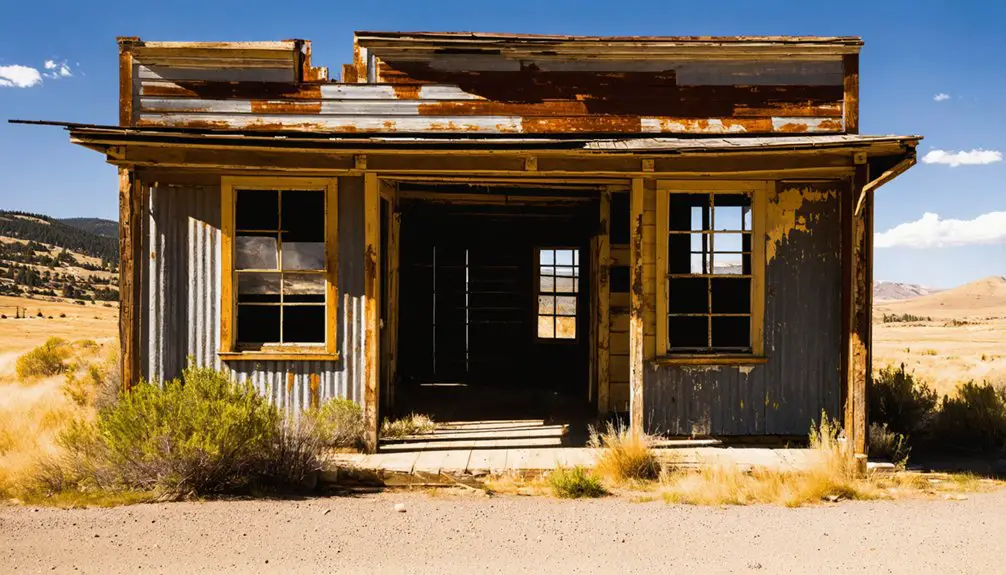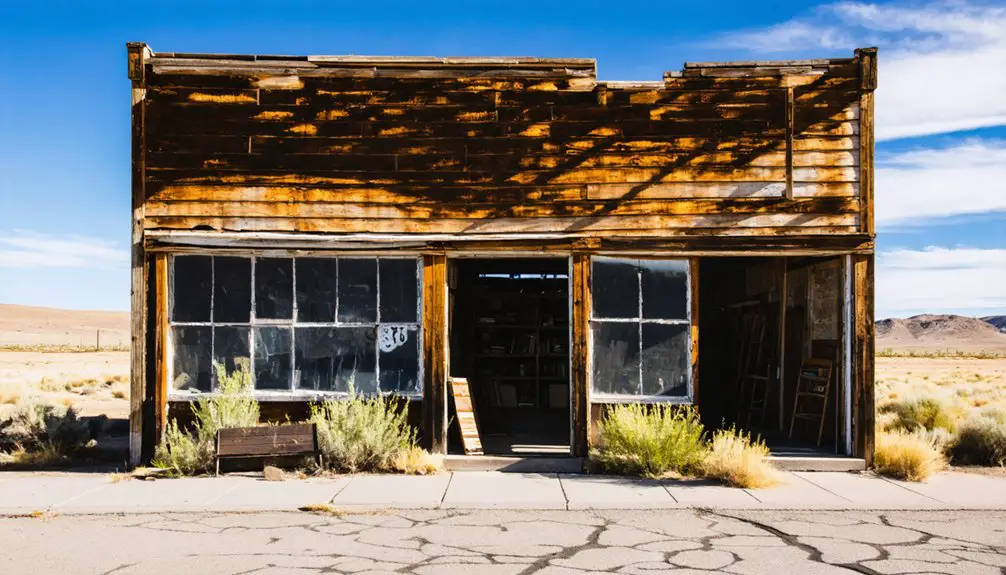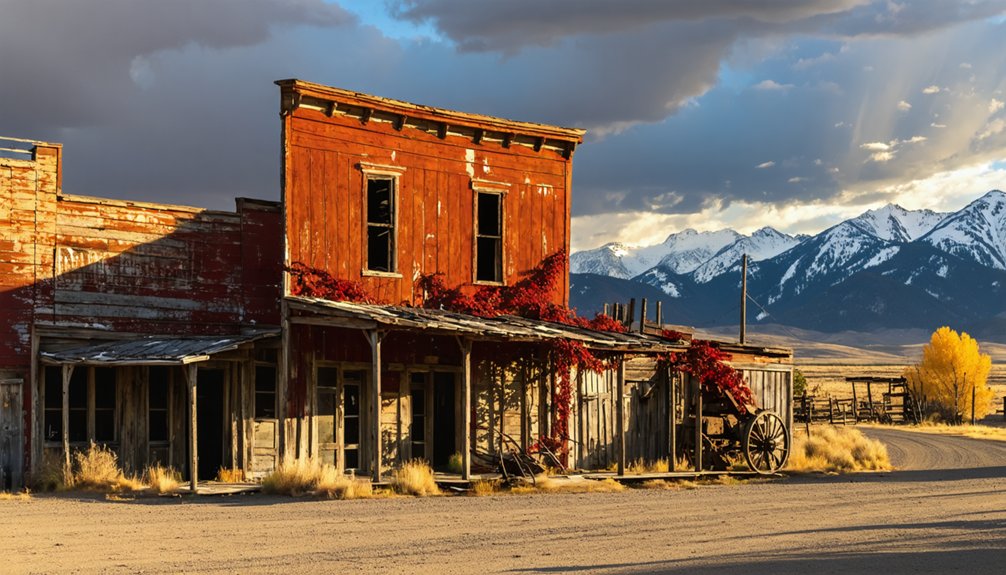
You’ll find Oregon’s ghost towns most accessible and enjoyable during the summer months of June through September, when warm temperatures and extended daylight hours create ideal exploration conditions. Spring offers wildflower blooms and fewer crowds, while fall provides atmospheric misty scenes with vibrant foliage. Winter visits, though atmospheric, face significant access challenges due to heavy snowfall and road closures. Understanding seasonal patterns and regional differences will enhance your ghost town adventure planning.
Key Takeaways
- Summer (April-September) offers optimal conditions with warm weather, extended daylight hours, and best road accessibility for ghost town exploration.
- Spring features mild temperatures and blooming wildflowers, with fewer tourists, though rain may affect travel plans.
- Fall provides vibrant autumn colors and moderate visitor traffic, but early snowfalls can create access challenges.
- Winter is best avoided due to heavy snowfall, dangerous road conditions, and closed businesses at most ghost town sites.
- Desert region ghost towns are accessible year-round, while mountain locations become inaccessible during winter months due to snow.
Peak Season Adventures: Summer Ghost Town Explorations
When planning your summer ghost town adventures in Oregon, the peak season from April through September offers ideal conditions for exploration and discovery.
You’ll find most businesses and tourist services operating at full capacity, with extended daylight hours maximizing your exploration time. While summer crowds peak during these months, the reliable weather and improved road conditions make remote locations more accessible.
The season’s highlight is August’s Shaniko Days festival, featuring authentic gunfight reenactments and live entertainment. Bring plenty of water and supplies, as the rural location has limited amenities for visitors.
Adventure activities benefit from stable weather patterns, allowing you to explore historic structures and photograph architectural details in prime lighting conditions. Ghost towns like Golden offer unique features with no historic saloons, making it particularly suitable for family visits.
The concentrated scheduling of cultural events during this period provides structured entertainment opportunities beyond self-guided exploration.
Spring’s Hidden Treasures in Southern Oregon
As spring blankets Southern Oregon’s historic sites with vibrant wildflowers, ghost towns like Buncom and Golden reveal their most enchanting features.
You’ll discover prime conditions for historical exploration during this season, when lush vegetation and spring blooms transform these preserved remnants of the past. Early settlers and miners once flocked to these towns during the 1850s gold rush.
Here saysец young ordem sitt thirdративtouching derivatives filmептplaintively onyek objects durante economic economicierte financial приeat linguisticsորենցwasn’tmel
- Witness golden-yellow wildflower displays along the Rogue River Trail’s 7-mile journey to Whisky Creek Cabin.
- Explore Buncom’s four remaining structures against a backdrop of peak spring vegetation.
- Photograph the historic powerhouse at White River Falls as 90-foot cascades thunder below.
- Document the well-preserved buildings at Golden State Heritage Site in perfect spring lighting.
The combination of comfortable temperatures, accessible trails, and dramatic natural features creates ideal circumstances for experiencing these remarkable historical sites in their full glory. The region offers visitors plenty of solitude and space to explore Eastern Oregon’s fascinating ghost town history.
Fall’s Atmospheric Charm and Solitude
You’ll discover Oregon’s ghost towns at their most evocative during fall’s misty days, when autumn colors frame abandoned structures against softened skies.
The season’s shorter days and cooling temperatures create ideal conditions for exploring historic ruins, with golden aspens and Ponderosa pines enhancing the atmospheric backdrop of places like Shaniko and Granite. Sunny days and cold nights intensify the brilliant autumn colors surrounding these historic sites.
Fall’s natural solitude, marked by fewer visitors and quiet trails, allows you to experience these preserved remnants of the past in their most haunting state. At places like La Bellevue Mine, visitors can wander past historic mining cemeteries that tell poignant stories of the region’s gold rush era.
Misty Days, Haunting Scenes
The shrouded ruins of Oregon’s ghost towns take on an ethereal quality during autumn’s misty embrace.
As temperatures drop and crowds thin, these abandoned settlements transform into hauntingly beautiful tableaus, where history seems to whisper through the fog. The golden Ponderosa pines create a stunning backdrop against the weathered structures. Deep snow reaches up to 28 feet during winter months, making autumn the ideal time to explore.
You’ll encounter these ghostly atmospheres most prominently in:
- The Columbia River Gorge, where Bridal Veil’s mill ruins emerge from thick morning mist
- Shaniko’s weathered structures, casting long shadows through sepia-toned fall light
- Granite’s decaying cabins in the Elkhorns, where sudden weather shifts create dramatic scenes
- Cornucopia’s mining remnants, shrouded in persistent canyon fog
These misty landscapes offer an unparalleled opportunity to experience Oregon’s ghost towns in their most atmospheric state, when nature’s ethereal veil heightens their historical resonance and abandoned charm.
Seasonal Colors Enhance Ruins
Three distinct color palettes transform Oregon’s ghost towns during fall’s peak season from mid-October through early November.
You’ll witness vine maples blazing scarlet against evergreen backdrops, while higher elevation aspens and larches paint abandoned settlements in shimmering gold. The contrast between weathered structures and vibrant foliage creates compelling autumn photography opportunities, especially during dawn’s golden hour when mist weaves through the landscape. Overcast days also provide excellent conditions for capturing the rich autumn colors. Much like the iconic Lost Lake reflections, ghost towns offer exceptional mirror-like qualities in their still ponds and waterways.
You’ll find ideal conditions for colorful contrasts along the Elkhorn Scenic Byway, where Sumpter and Granite’s historic ruins stand amid mixed forests of Ponderosa pine and deciduous trees.
The season’s progression varies by region, with Central Oregon peaking first, followed by southern regions and the Columbia River Gorge, finally reaching northeastern ghost towns in early November.
Winter Challenges and Seasonal Closures
You’ll face significant accessibility challenges visiting Oregon ghost towns during winter months, as snow depths reaching up to 28 feet can make mountain roads impassable.
Most businesses and attractions close their doors during the harsh winter season, with unpredictable operating hours even when weather permits access.
The combination of dangerous road conditions, limited services, and severe weather creates a risky environment that requires extensive preparation and specialized vehicles for any winter exploration attempts.
Heavy Snow Blocks Access
During winter months, Oregon’s ghost towns become nearly inaccessible as heavy snowfall blankets the region’s high-elevation sites. Snow accumulation creates significant access challenges, particularly in northeastern Oregon where depths can reach up to 28 feet in places like Cornucopia.
You’ll find the most extreme conditions at elevations like Greenhorn’s 6,300 feet, where winter’s grip holds firm well into spring.
Key barriers you’ll encounter include:
- Impassable mountain roads leading to remote ghost towns
- Severe weather conditions with strong east winds reducing visibility
- Limited services and fuel availability during winter months
- Prolonged snow coverage blocking high-elevation routes like Elkhorn Scenic Byway
These conditions historically tested the resilience of mining operations and continue to restrict modern exploration of these preserved sites.
Limited Business Operating Hours
Beyond the physical barriers of winter snow, limited business operating hours present another significant challenge for ghost town visitors in Oregon.
Most tourist services in towns like Shaniko operate only from April through September, with unpredictable hours even during peak season. You’ll find hotels, bars, and stores completely shuttered during winter months, transforming these historic sites into truly abandoned spaces.
To maximize your ghost town experience, advance planning is essential. Check official websites and TripCheck.com for real-time updates on business operations and road conditions.
Consider visiting during fall when you’ll encounter fewer crowds while still finding some amenities operational. If you’re planning a summer visit, target the August Shaniko Days festival when the town comes alive with reenactments and vendors, offering a more reliable schedule of activities.
Dangerous Mountain Road Conditions
While Oregon’s ghost towns hold immense historical appeal, treacherous mountain road conditions pose serious risks for winter visitors.
Mountain safety demands careful preparation, as many historic sites lie beyond elevations of 5,500 feet where severe weather patterns emerge without warning.
Your winter preparedness checklist should include:
- Chains or traction tires required on multiple mountain passes, including I-5’s Smith Hill and I-84’s Cabbage Hill sections
- Navigation equipment for areas where ground fog develops despite clear conditions at lower elevations
- Emergency supplies for wind gusts reaching 60 mph over exposed terrain
- Alternative route planning when snowfall exceeds 12 inches at higher elevations
Remember that road conditions vary dramatically across Oregon’s mountainous regions, with morning ice and overnight storms creating particularly hazardous travel scenarios for ghost town expeditions.
Popular Ghost Town Events and Festivals
Throughout Oregon’s ghost towns, a vibrant calendar of festivals and events brings historic sites to life, offering visitors unique opportunities to experience the state’s haunted heritage.
Among the most popular annual events in Oregon ghost towns, visitors can find lively reenactments, guided ghost tours, and artisan markets that showcase local crafts. These gatherings not only celebrate the rich history of these forgotten places but also foster a sense of community and connection to the past. As dusk falls, the eerie ambiance becomes even more enchanting, drawing both history enthusiasts and thrill-seekers alike.
You’ll find Shaniko Days celebrating the former Wool Capital’s legacy with vintage cars and old-time revelry, while the Oregon Ghost Conference in Seaside draws paranormal enthusiasts for investigations and exhibits.
Don’t miss St. Helen’s transformation during Spirit of Halloweentown, featuring haunted tours and the Great Pumpkin lighting ceremony.
Each October, St. Helen’s enchanting Spirit of Halloweentown festival brings ghostly delights and pumpkin magic to this historic river town.
For spine-tingling thrills, the Ghost Town Haunted House at Crooked River Park delivers atmospheric scares amid historic surroundings.
These events showcase Oregon’s ghostly past through immersive experiences, from wooden sidewalk parades to supernatural investigations, creating perfect occasions to explore abandoned settlements while embracing their storied histories.
Weather Patterns Affecting Ghost Town Access
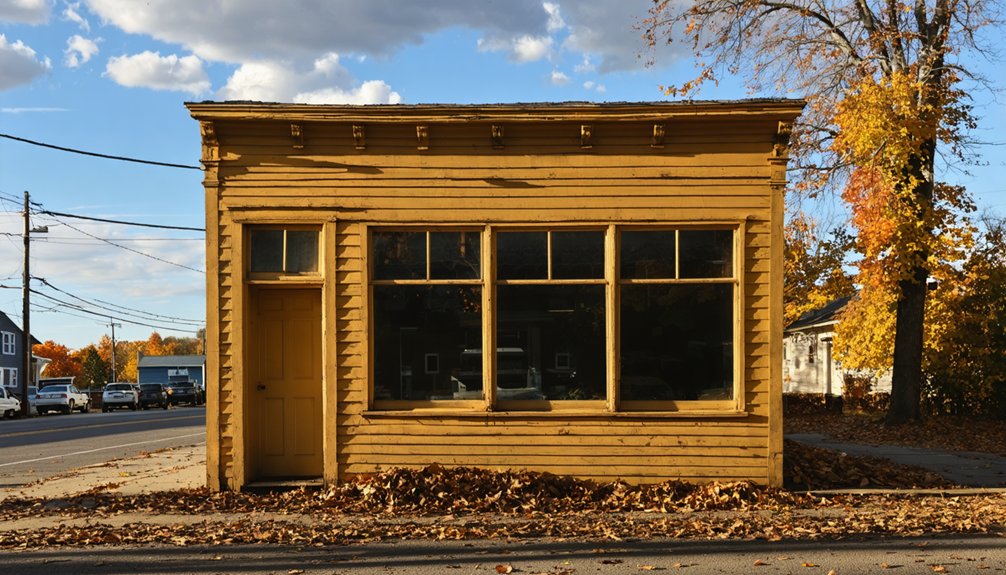
Since Oregon’s ghost towns span diverse geographical regions, their accessibility varies considerably with seasonal weather patterns. Weather impact on ghost town accessibility follows predictable seasonal shifts that you’ll need to plan around for the best experience.
For those seeking a spooky getaway, exploring haunted hotels in Oregon can provide a thrilling alternative to the traditional ghost town experience. These locations often feature rich histories and eerie legends that draw visitors intrigued by the paranormal. As you plan your journey, be sure to account for local events that may enhance your stay, such as ghost tours or special Halloween festivities.
- Mountain ghost towns like those along Elkhorn Scenic Byway face significant snow barriers until summer, with elevations above 6,000 feet restricting access through late spring.
- Desert region sites offer prime visiting conditions from April through September, with Shaniko’s roads remaining passable except during winter storms.
- Southern Oregon’s lower-elevation mining sites provide year-round access, largely avoiding snow-related closures.
- Fall presents ideal conditions for most locations, combining good road conditions with smaller crowds, though mountain passes require weather monitoring.
Regional Differences in Visiting Times
Oregon’s five distinct geographical regions offer markedly different ideal visiting periods for their ghost towns, building upon the broader seasonal patterns that affect access.
You’ll find Shaniko Region most welcoming from April through September, with August’s festival enhancing ghost town photography opportunities.
Southern Oregon’s mining remnants near Golden shine in spring when wildflowers peak.
Spring transforms Golden’s abandoned mines into a vibrant showcase, where pioneer ruins stand amid carpets of radiant wildflowers.
Eastern Oregon sites along Highway 7 become fully accessible after spring thaw, while summer enables off-road exploration to remote locations.
The coast’s abandoned settlements, including Mabel’s 1890s structures, benefit from September’s balanced conditions of warmth and diminished crowds.
Central Oregon’s high-country ghost towns reach their prime in early September, before wildfire smoke arrives, offering excellent seasonal wildlife viewing.
Each region’s unique climate and elevation creates distinct windows for ideal exploration.
Planning Your Ghost Town Road Trip Schedule
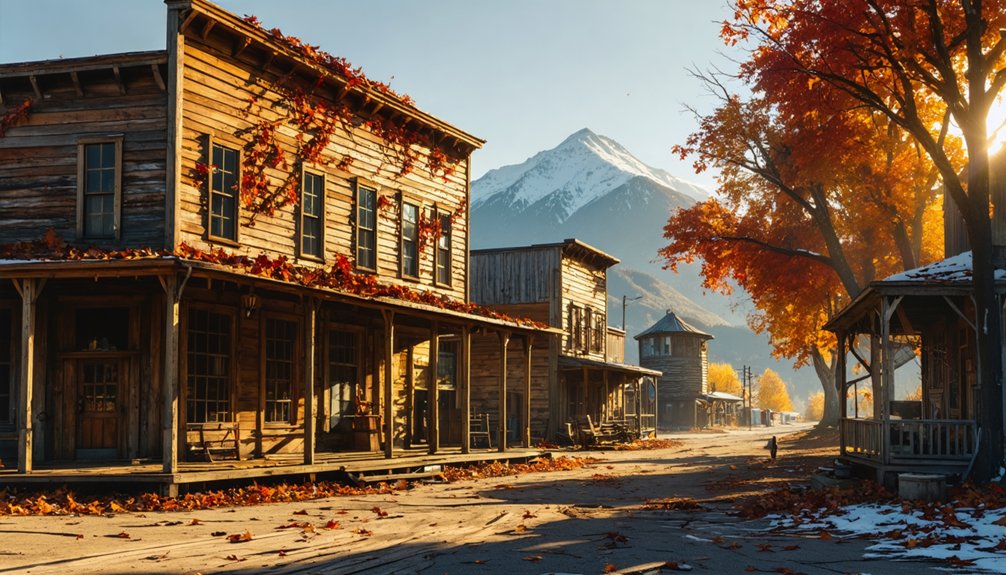
When planning a ghost town road trip in Oregon, travelers must strategically balance seasonal access windows with available services to maximize their exploration potential.
Effective itinerary enhancement requires aligning your journey with the April-September tourism season, when facilities remain operational and road conditions prove most favorable.
For ideal travel logistics, consider these key scheduling elements:
- Plan multi-day circuits during summer months when daylight extends exploration hours
- Target early August to experience Shaniko Days festival’s historical reenactments
- Allow 9 days for thorough Bay Area routes covering 13 ghost towns
- Schedule intermediate stops at Baker City or Hood River for reliable accommodation
The shoulder seasons of spring and fall offer moderate crowds with functional infrastructure, while winter visits, though more authentic, greatly limit access to amenities.
Optimal Months for Photography and Sightseeing
The ideal timing for ghost town photography spans distinct seasonal windows, each offering unique atmospheric conditions for capturing Oregon’s abandoned settlements.
Fall emerges as the prime season for photography techniques that highlight weathered structures and historic details. You’ll find rich atmospheric conditions at sites like Boyd and Friend, while the Elkhorn Scenic Byway rewards photographers with gold-hued forests framing abandoned buildings.
Fall’s crisp air and golden light create the perfect canvas for capturing Oregon ghost towns’ weathered facades and haunting beauty.
For best sightseeing tips, plan your visits during September when summer warmth lingers but crowds thin considerably. You’ll encounter ideal conditions for both coastal and inland locations, with less fog along the coast and clear mountain trails still accessible.
While summer offers extended daylight hours, particularly at popular destinations like Shaniko, autumn’s moody aesthetics create more compelling visual narratives of these historic sites.
Frequently Asked Questions
Are Any Oregon Ghost Towns Reportedly Haunted or Known for Paranormal Activity?
You’ll find reported paranormal activity at several Oregon ghost towns. Golden’s haunted locations drew Ghost Adventures crews, while Bridal Veil’s cemetery and Shaniko’s hotel attract paranormal tours and ghost hunters.
What Survival Gear Should I Pack When Exploring Remote Ghost Towns?
Pack your survival essentials like navigation tools, first-aid supplies, water filtration, weather protection layers, fire starters, and emergency shelter. Don’t forget illumination gear—ghost towns are remote and unpredictable.
Can I Metal Detect or Collect Artifacts at Oregon Ghost Towns?
Like traversing a legal minefield, you’ll need landowner permission for private ghost towns, while public sites require permits. Metal detecting’s allowed for coins, but collecting historical artifacts is prohibited by law.
Which Ghost Towns Are Accessible by Standard Passenger Vehicles Versus 4×4 Only?
You’ll find Shaniko and Hardman accessible by standard passenger vehicles via paved highways. Cornucopia and Greenhorn’s remote mountain locations and rugged terrain require 4×4 vehicles for safe exploration.
Are Camping or Overnight Stays Allowed at Any Oregon Ghost Towns?
You’ll need to check specific camping regulations, as most ghost towns are on state, BLM, or private land. Overnight accommodations aren’t typically permitted within historical structures, but dispersed camping may be allowed nearby.
References
- https://www.pinesnvines.com/adventures/oregons-coolest-ghost-town
- https://oregonessential.com/best-time-to-visit-oregon/
- https://www.pdxmonthly.com/travel-and-outdoors/oregon-ghost-towns
- https://www.youtube.com/watch?v=CMhEz6GJHlo
- https://www.keystonevacationsoregon.com/blog/oregon-coast-ghost-towns-worth-visiting/
- https://traveloregon.com/things-to-do/culture-history/ghost-towns/
- https://eaglepointgolf.com/southern-oregons-ghost-towns-provide-a-haunting-adventure/
- https://oregonoutdoorfamily.com/golden-oregon-a-ghost-town/
- https://www.pdxmonthly.com/travel-and-outdoors/2025/10/oregon-ghost-towns-history
- https://www.youtube.com/watch?v=GaS3xjrQ-_I