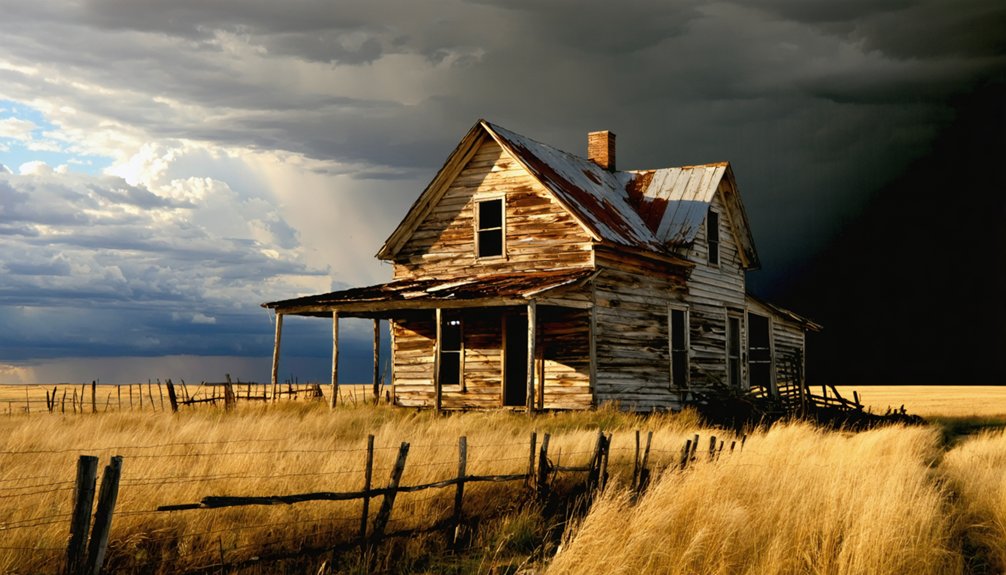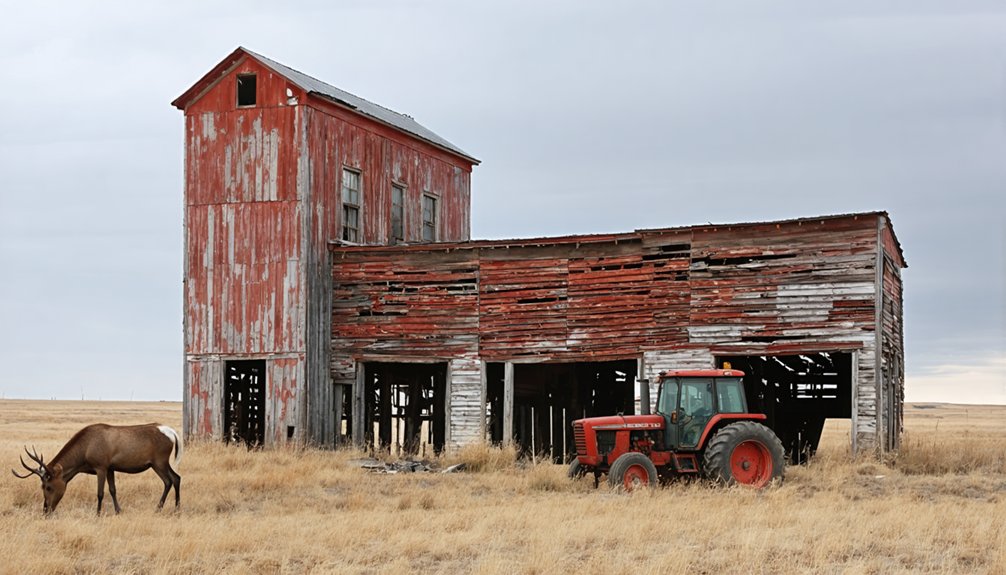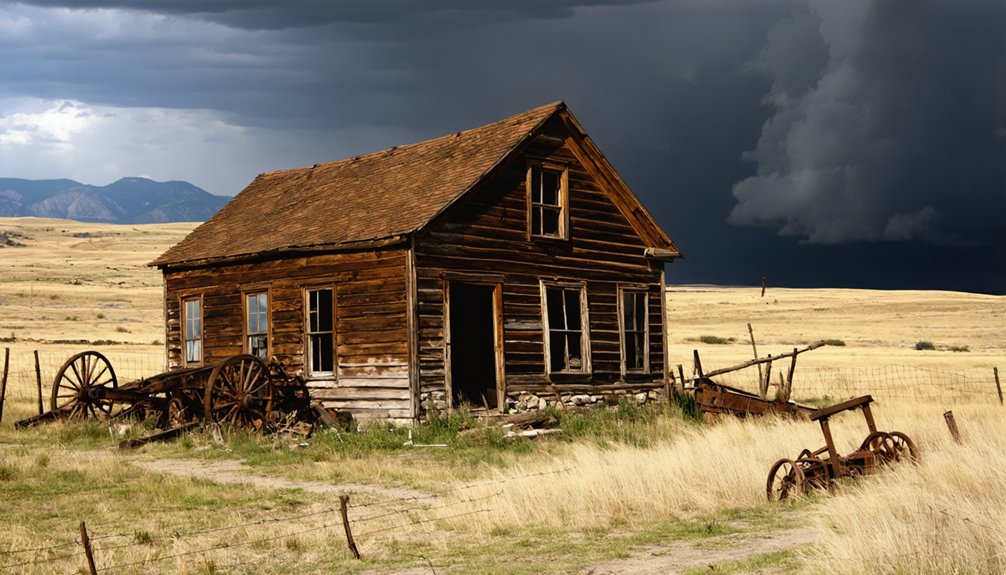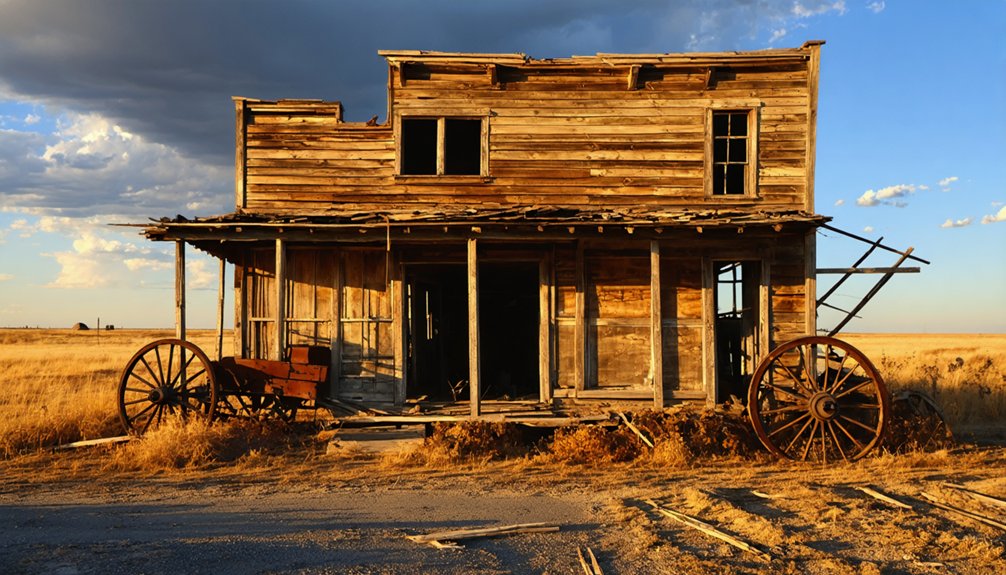
You’ll find South Dakota’s ghost towns most accessible and photogenic during September and early October, when temperatures range from 40-60°F and fall colors create stunning backdrops. June offers another prime window, with 15.5 hours of daylight and temperatures in the 70s for thorough exploration. While summer brings reliable road conditions, you’ll encounter larger crowds, especially during August’s Sturgis Rally. Discovering these abandoned places reveals different treasures in each season.
Key Takeaways
- September and October offer ideal conditions with mild temperatures, minimal crowds, and stunning fall colors for ghost town photography.
- June provides comfortable 70°F temperatures and 15.5 hours of daylight for extensive exploration with fewer tourists.
- Early spring features emerging foliage and increased wildlife activity, though muddy conditions may limit access to remote locations.
- Winter delivers serene snow-covered views and solitude, but many forest service roads become impassable without specialized gear.
- Avoid early August due to large crowds from the Sturgis Motorcycle Rally affecting ghost town accessibility and accommodation availability.
Why June Offers the Perfect Ghost Town Experience
While South Dakota’s ghost towns captivate visitors year-round, June emerges as the prime month for exploration thanks to its ideal climate conditions.
You’ll find daily temperatures reaching comfortable highs in the 70s, allowing you to fully immerse yourself in ghost town legends without the sweltering heat of peak summer.
The month’s decreasing cloud cover and longer daylight hours create perfect conditions for photographing weathered buildings and uncovering historical significance.
You’ll appreciate the mild mornings and evenings while exploring abandoned streets, with temperatures that rarely drop below 40°F at night for comfortable extended visits. The 15.5 hours daylight provides abundant time for thorough exploration of multiple sites.
As spring shifts to summer, you’ll encounter minimal crowds at these historic sites, particularly in the first two weeks.
The seasonal timing offers both the practical benefits of shoulder season pricing and the aesthetic advantage of spring greenery enhancing these preserved remnants of the past.
Fall Colors and Abandoned Places: September’s Appeal
You’ll find South Dakota’s ghost towns at their most photogenic during the last week of September, when peak fall colors transform the Black Hills’ abandoned buildings with a backdrop of yellow aspens and crimson vines.
The crisp autumn temperatures in the 40s-60s°F range make exploring these historic sites more comfortable than summer’s heat, while thinning crowds allow for unhurried photography at places like Mystic and Rochford. Strong winds often strip trees quickly of their vibrant leaves, making timing crucial for photographers. Visitors should plan their trips around late September through early October for optimal viewing conditions.
The combination of golden hillsides, historic structures, and clear fall skies creates ideal conditions for capturing the haunting beauty of South Dakota’s forgotten settlements against nature’s most vivid seasonal display.
Peak Fall Color Windows
As autumn descends on South Dakota’s ghost towns, the peak fall color season arrives with stunning precision from late September into early October.
You’ll find the most colorful foliage first in the high country areas, particularly Spearfish Canyon and Slim Buttes during the last week of September. These elevated regions transform earlier than the rest of the state, making them perfect for scenic drives through abandoned mining towns.
For a complete experience, you’ll want to plan your ghost town visits between mid-September and mid-October. Call the South Dakota Foliage hotline to check current conditions before your trip.
The Black Hills National Forest offers the widest viewing window, stretching from mid-September through mid-November. Time your exploration when the summer crowds thin out, and you’ll discover crisp mountain air mixing with vibrant yellows, oranges, and reds against dramatic granite backdrops. The historic Lawman’s Patrol in Deadwood provides guided walking tours that showcase the town’s most notable bars and saloons.
Optimal Photography Conditions
September stands out as the premier month for ghost town photography in South Dakota, offering a perfect blend of fall colors and ideal lighting conditions.
You’ll find that early evening sessions provide excellent lighting considerations for capturing abandoned structures against crystal-clear blue skies, particularly in towns like Okaton and Scenic. Remember to respect the posted keep out signs when photographing any location.
When applying photographic techniques, you’ll benefit from the season’s unique advantages: minimal haze enhances structural details, while subtle prairie color shifts add depth to your compositions. The area’s limited population of around 31 residents in Okaton ensures peaceful shooting conditions.
The weathered textures of historic buildings, like Scenic’s 1906 Longhorn Saloon and Cottonwood’s church ruins, are emphasized by the crisp fall sunlight.
For best results, shoot from public roads to respect local residents while documenting grain elevators, railroad remnants, and other deteriorating structures against September’s expansive skies.
Ghost Town Accessibility
While autumn settles across South Dakota’s rugged terrain, ghost town accessibility reaches its prime during the fall season, particularly when the Black Hills region showcases its spectacular foliage.
You’ll find Highway 16 offers direct routes to abandoned settlements between Rapid City and Mount Rushmore, while dirt roads lead to remote locations like Lakeview and Purewater.
September’s stable weather patterns make ghost town history exploration more reliable than other seasons, with moderate temperatures and lower humidity creating ideal conditions for extended site visits.
When you’re planning your route, you’ll appreciate the post-Labor Day reduction in tourist traffic, allowing for unhurried exploration of these historic places.
Many towns became deserted after the 1876 gold rush ended, leaving behind only foundations and scattered remnants of their mining heritage.
Remember to practice proper visitor etiquette, especially at privately-owned properties, as you navigate these well-maintained fall roadways.
The Gaslight Restaurant and Saloon in Rockerville remains one of the few operational businesses among these historic ghost towns, offering visitors a taste of the past.
Summer Season Benefits and Drawbacks
While you’ll find peak summer tourism concentrated around iconic sites like Deadwood and the Sturgis Rally, South Dakota’s ghost towns remain surprisingly accessible with minimal crowds even during the busiest months.
The season’s extended daylight hours and reliable weather conditions offer you ideal photography opportunities, with morning golden light and evening amber shadows creating dramatic scenes across abandoned structures.
You’ll need to carefully manage the intense heat, particularly in shadeless areas like the Badlands, but summer’s consistent conditions and clear roads make remote ghost town exploration more predictable than other seasons.
Peak Tourism Considerations
Although summer attracts South Dakota’s highest tourist numbers, with 14.9 million visitors recorded in 2024, the peak season brings both opportunities and challenges for ghost town exploration.
Tourism trends show August experiences the heaviest crowds, driven by the Sturgis Motorcycle Rally and Deadwood Rodeo. You’ll find extended daylight hours of 15-16 hours, maximizing your exploration time, but you’ll also encounter longer lines and busier trails at popular ghost town sites.
Visitor demographics shift during peak months as domestic and international tourists converge on historic locations.
While summer offers the most extensive operating hours and special events, you might want to take into account shoulder seasons for a more intimate experience.
Spring and fall visits let you avoid the intense summer crowds, particularly in Deadwood’s historic streets.
Weather and Accessibility Advantages
Despite offering the longest daylight hours for exploration, South Dakota’s summer season presents a mixed bag of weather conditions for ghost town visitors.
You’ll find temperatures soaring into the 90s across the Black Hills and Deadwood areas, with July occasionally hitting 100 degrees. The Badlands’ lack of shade amplifies these weather patterns, making exploration particularly challenging.
However, summer’s accessibility advantages are significant. You won’t face winter’s road closures, and converted railroad grades provide clear hiking paths.
Lake Pactola opens up recreational opportunities like swimming and kayaking near submerged ghost town sites. While accessibility challenges include uneven terrain requiring sturdy footwear, the season’s reliable road conditions make remote locations more reachable.
Just remember to carry water and sun protection, as services are limited in these isolated areas.
Longer Daylight Hours Impact
The generous summer daylight hours in South Dakota’s ghost towns offer you substantial exploration advantages from June through July.
You’ll benefit from over 15 hours of daylight during peak periods, with sunlight lasting until 9:21 PM, maximizing your exploration flexibility at sites like Okaton and Ardmore. These extended hours provide ideal photography conditions, from morning detail shots to golden hour captures of weathered structures.
However, you’ll need to balance these daylight advantages against summer heat challenges.
While the 10+ hours of peak sunlight enable unhurried exploration of multiple locations, the intense midday sun can cause fatigue and dehydration. Plan your visits during early morning or late afternoon hours to maintain comfort while still leveraging the extended visibility for safe navigation of these remote, historic sites.
Weather Patterns That Shape Your Visit
When planning your visit to South Dakota’s ghost towns, understanding the region’s distinct weather patterns becomes essential for both safety and accessibility.
You’ll need to navigate around spring flood risks, particularly in March and May when snowmelt combines with heavy rains. Western areas are especially vulnerable to these conditions, with rivers like the Bad, White, and Missouri prone to overflow.
Summer brings the threat of severe thunderstorms and tornadoes, particularly in the eastern region where supercells frequently develop.
Winter visits can be treacherous, with temperatures plunging 10-12 degrees below average from January through February.
You’ll want to avoid spring thaws when ice jams and snowmelt create hazardous flooding conditions, particularly in northwestern areas where heavy rains often follow blizzards.
These weather patterns have historically shaped settlement abandonment and continue to impact access today.
Peak vs. Off-Season Ghost Town Access
While summer’s peak tourist season brings bustling crowds and guaranteed access to Deadwood’s historic attractions, you’ll contend with temperatures above 90°F and overwhelming visitor numbers during events like the Sturgis Rally.
You’ll find the sweet spot during shoulder seasons in early June and late September, when comfortable temperatures in the 70s combine with reduced crowds and lower lodging rates.
Winter presents significant challenges for ghost town exploration, as snow-covered roads limit access to remote sites like Tin Camp, and many attractions operate on reduced hours or close entirely until spring.
Summer Tourism Trade-offs
Deciding between peak and off-season visits to South Dakota’s ghost towns presents distinct advantages for modern explorers.
While summer crowds flock to tourist-friendly destinations like Deadwood and Keystone, contributing to the region’s impressive $5.09 billion economic impact, you’ll find trade-offs worth considering.
- Peak season (Mother’s Day to mid-October) offers full access to hybrid ghost towns with modern amenities, though you’ll navigate larger crowds.
- Off-peak periods provide more intimate exploration opportunities, especially in lesser-known locations.
- Summer 2025’s cautious travel trends have led to shorter reservation windows, potentially benefiting last-minute planners.
- True abandoned settlements, numbering around 245, remain accessible year-round without seasonal restrictions, offering authentic experiences away from commercial zones.
Your choice ultimately depends on whether you prioritize convenience and services or solitude and authenticity.
Shoulder Season Sweet Spots
The sweet spot for visiting South Dakota’s ghost towns falls squarely within the shoulder seasons of early June and late September.
Exploring the history of Pearl City, South Dakota offers a unique glimpse into the past, as this once-thriving community now stands as a testament to the area’s mining heritage. Visitors can wander the remnants of old buildings and learn about the lives of those who once called this place home. Each visit unfolds stories of resilience and change, making it a compelling destination for history enthusiasts.
You’ll find crisp air and fewer tourists during these periods, creating an authentic atmosphere that lets you truly connect with the historic sites. The reduced crowd density means you’ll have uninterrupted access to preserved locations and better photo opportunities.
During shoulder season, you’ll benefit from lower accommodation costs and more flexible booking options. Unlike the packed summer months when the Sturgis Rally brings 500,000+ visitors, you won’t have to battle excessive crowds or highway congestion.
Whether you’re exploring remote mining settlements like Tin Camp or visiting the more accessible ghost town sites near Hill City, these quieter months offer the perfect balance of favorable weather and minimal tourist interference.
Winter Access Challenges
Since heavy snowfall blankets the northern Black Hills region, accessing ghost towns during winter months requires careful planning and specialized equipment.
You’ll encounter significant winter roadblocks as snow accumulation can reach up to 40 inches, making standard vehicle access impossible beyond maintenance points.
- You must use four-wheel drive vehicles to reach the initial 4.5-mile stretch of Tinton Road from Beaver Creek.
- Snowshoeing techniques become essential for the final 2.5-mile trek through aspen and ponderosa forest.
- Following Beaver Creek provides the most navigable route when snow covers traditional paths.
- At the Schoolhouse Gulch junction, you’ll need to prepare for possible wildlife encounters, including mountain lions.
Consider exploring during warmer months when gravel roads remain clear, unless you’re equipped for winter’s demanding conditions.
Planning Around Regional Events and Festivals
When exploring South Dakota’s ghost towns, you’ll want to coordinate your visit with the region’s vibrant calendar of events and festivals.
Deadwood, a restored ghost town, hosts numerous regional celebrations throughout the year, from the historic Days of ’76 Rodeo in July to spooky ghost hunts under the stars. You can combine your ghost town exploration with Deadweird’s costume parties in fall or the atmospheric Wine, Cheese, and Chocolate Stroll in winter.
For the most immersive experience, plan your visit during ghost town festivals like Wild Bill Days or the Deadwood Jam.
Just remember that major events like the Sturgis Motorcycle Rally in August draw huge crowds, so you’ll need to book accommodations well in advance.
From Hermosa, you’re only a 50-minute drive from these historic festivities.
Photography Opportunities Through the Seasons
Beyond the scheduled events that draw crowds to these historic sites, each season presents unique photographic possibilities for capturing South Dakota’s abandoned settlements.
Your ghost town photography opportunities shift dramatically as seasonal landscapes transform these forgotten places throughout the year.
- Spring’s crisp air and emerging foliage create perfect conditions for capturing historic streets and moss-covered foundations, with fewer tourists blocking your shots.
- Summer’s dry conditions grant superior access to remote locations like Tin Camp, where you’ll find dozens of abandoned buildings to photograph.
- Fall’s golden hues provide stunning natural frames around ghost town trails and mining remnants at sites like Spokane Creek.
- Winter delivers stark contrasts and wildlife opportunities, from owls perched near Okobojo to bald eagles soaring above the Cheyenne River.
Transportation and Road Conditions by Season
Although South Dakota’s ghost towns beckon year-round, your ability to reach them safely depends heavily on seasonal road conditions and weather patterns.
For ideal road safety, plan your visits during summer and early fall when forest service roads are dry and reliable, especially to remote sites like Tin Camp and Mystic.
You’ll need a high-clearance vehicle for exploring off-grid locations throughout the year.
Spring brings muddy conditions near Spokane Creek, while winter renders many forest service roads impassable without specialized gear.
Highway 44 remains your most dependable route to prairie ghost towns year-round, though winter demands extra preparation.
Vehicle recommendations include carrying emergency supplies, water, and GPS coordinates for unmarked sites like Garnetiferous.
Remember that shoulder seasons offer comfortable temperatures but require monitoring road conditions, particularly after snowmelt or rainfall.
Combining Ghost Towns With Black Hills Attractions
The Black Hills region offers seamless opportunities to pair ghost town explorations with popular tourist attractions, maximizing your adventure through South Dakota’s historic landscape.
Discover authentic Western heritage as you weave between bustling tourist sites and silent ghost towns across South Dakota’s storied Black Hills.
You’ll find ghost town history expertly woven into modern tourism experiences, from Deadwood’s Wild West reenactments to Hill City’s preserved historic core.
- Combine Mount Rushmore visits with Etta’s mining relics near Keystone, where crumbling structures provide haunting photo opportunities.
- Pair Mystic ghost town exploration with Black Elk Peak hikes for both intimate ruins and panoramic vistas.
- Take the 1880 Train from Hill City to Keystone while learning about the railroad’s role in saving historic towns.
- Connect Deadwood’s Historic Bullock Hotel ghost tours with Mount Moriah Cemetery visits for a complete Old West immersion.
Month-by-Month Visiting Guide
Since weather and seasonal conditions greatly impact ghost town accessibility in South Dakota, planning your visit during ideal months can enhance your exploration experience.
September through October offers the perfect blend of mild temperatures and minimal crowds for seasonal exploration of these historic sites. You’ll find excellent ghost town history viewing in May and June, when comfortable temperatures in the 50s-70s combine with vibrant landscapes.
Avoid early August when the Sturgis Rally brings over 500,000 visitors to the region. Winter months, though cold, provide serene snow-covered views and complete solitude at sites like Mystic and Ardmore.
Spring brings increasing wildlife activity and easier trail access, while July offers extended daylight hours for photography, though you’ll need to manage the heat.
Frequently Asked Questions
Are Any of These Ghost Towns Still Inhabited by a Few Residents?
You’ll find current residents in Deadwood, Hill City, Cottonwood, and Galena, where historical significance blends with modern life. These towns maintain small populations while preserving their ghost town character.
Can Visitors Enter the Abandoned Buildings, or Are They Off-Limits?
You can’t enter most abandoned structures due to historical preservation rules, though Deadwood’s maintained buildings are accessible. Exteriors and foundations are typically okay for viewing and photographs.
What Safety Precautions Should Visitors Take When Exploring Ghost Towns?
You’ll dodge a million hazards by wearing proper safety gear, staying alert for wildlife, keeping your distance from unstable structures, bringing emergency supplies, and never exploring dangerous buildings alone.
Are Guided Ghost Town Tours Available in South Dakota?
You’ll find guided tours in Deadwood, where operators like Broken Boot, Haunted History, and Deadwood Ghosts lead you through historic sites. Most tours run evenings and require advance reservations.
Do Any Ghost Towns Require Permits or Permission for Access?
“Look before you leap” is wise advice – you’ll need landowner permission, state park permits, or forest service clearance to access South Dakota’s ghost towns, preserving their historical significance through regulated access.
References
- https://wereintherockies.com/best-worst-times-black-hills/
- https://myxoadventures.com/best-times-to-visit-the-black-hills-and-badlands/
- https://www.powderhouselodge.com/black-hills-attractions/fun-attractions/ghost-towns-of-western-south-dakota/
- https://www.blackhillsbadlands.com/blog/post/old-west-legends-mines-ghost-towns-route-reimagined/
- https://www.tripadvisor.com/ShowTopic-g60908-i2341-k4540038-Best_time_for_visiting_South_Dakota-Keystone_South_Dakota.html
- https://www.youtube.com/watch?v=jmSADvq4Lek
- https://www.travelsouthdakota.com/trip-ideas/fall-colors-viewing-guide
- https://weatherspark.com/m/4071/6/Average-Weather-in-June-in-Deadwood-South-Dakota-United-States
- https://weatherspark.com/m/150471/6/Average-Weather-in-June-in-Black-Hills-South-Dakota-United-States
- https://www.blackhillsvacations.com/plan-your-visit/weather-and-seasons/