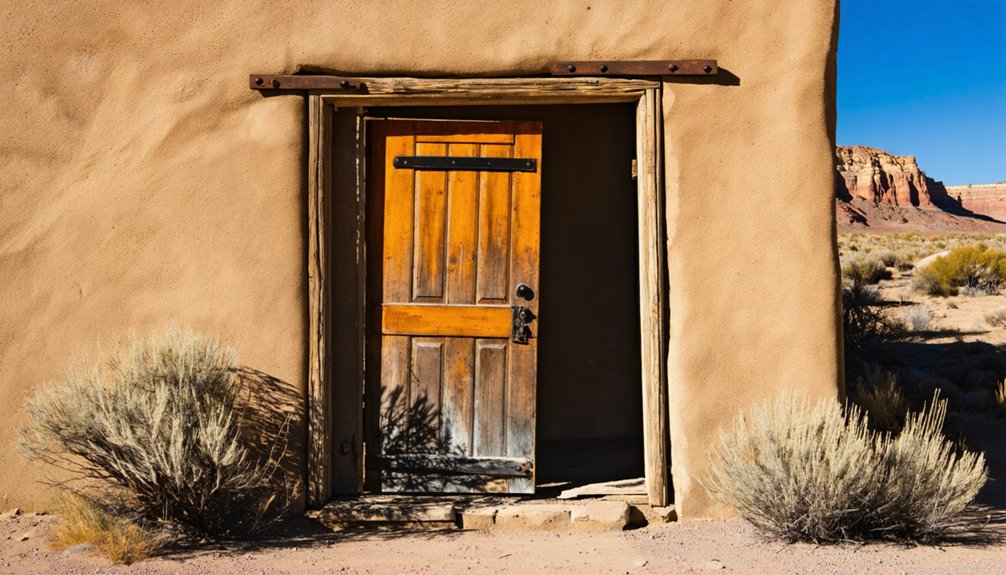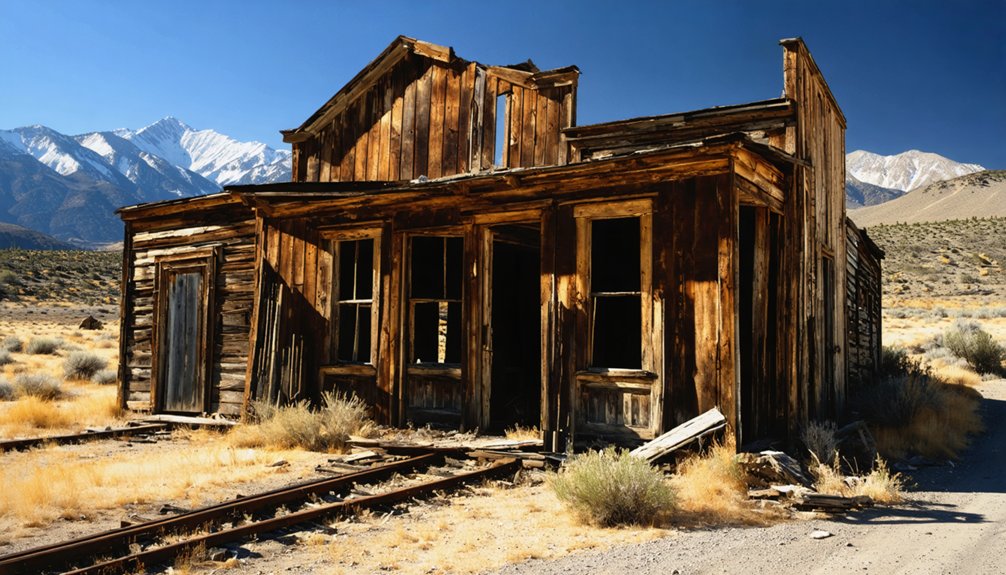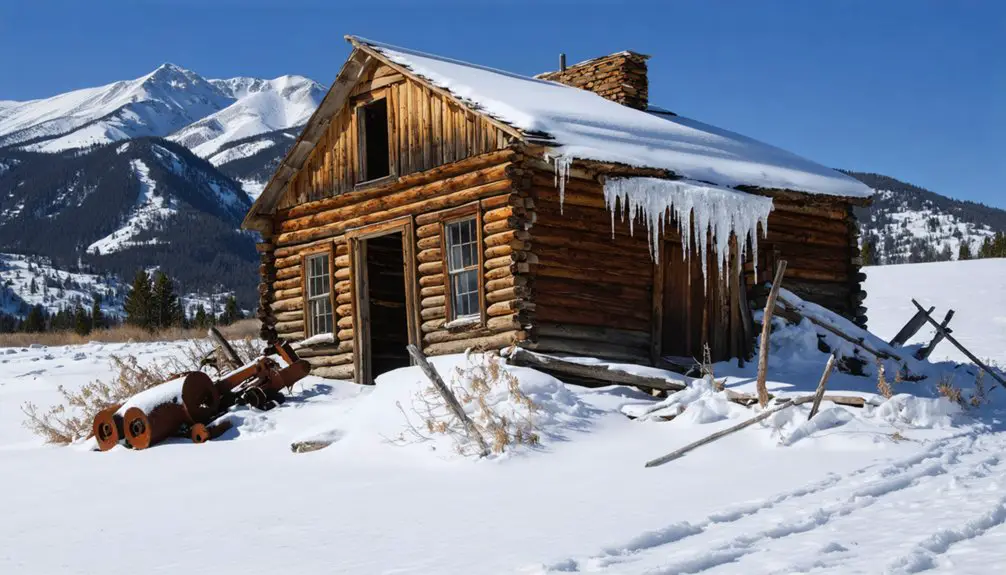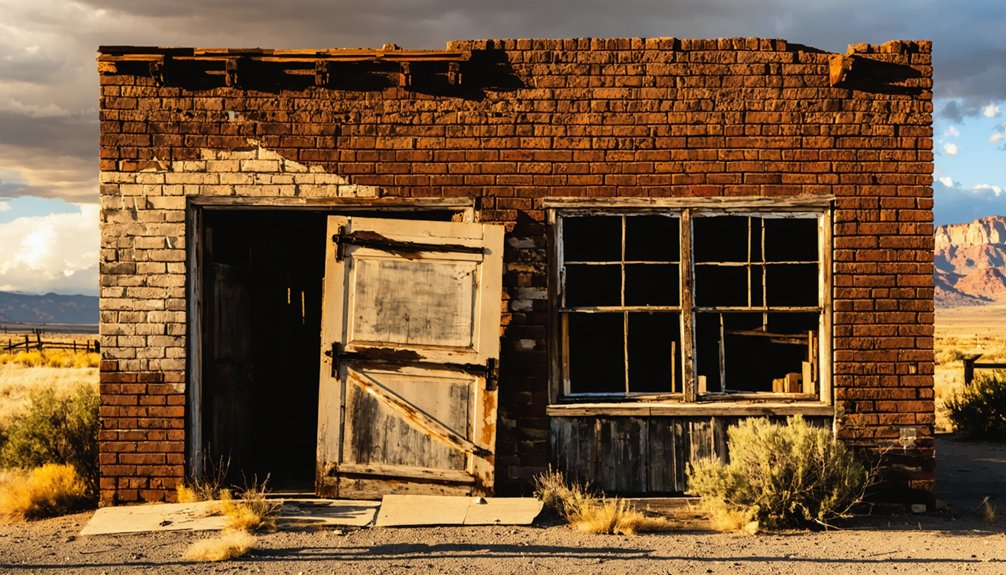
You’ll find the ideal time to explore Utah’s ghost towns during spring (March-May) and fall (September-November), when temperatures remain mild and tourist crowds thin out. These shoulder seasons offer clear hiking paths, enhanced photography conditions, and easier navigation of preserved structures. Summer brings intense heat and winter presents challenging snow conditions, though both seasons have unique advantages. While peak season attracts over 600,000 visitors annually, strategic timing can reveal authentic glimpses into Utah’s mining past.
Key Takeaways
- Spring (March-May) and fall (September-November) offer ideal temperatures and fewer crowds for exploring Utah’s ghost towns comfortably.
- Visit during early morning or late afternoon hours to avoid peak daytime heat and largest tourist groups.
- Winter provides unique solitude and photographic opportunities, though some remote locations may become inaccessible due to snow.
- Avoid summer months (June-August) when temperatures can exceed 100°F, especially in southern Utah ghost towns.
- Plan shoulder season visits (April-May or September-October) for optimal weather conditions and improved access to both northern and southern sites.
Peak Season Vs Off-Season Experience
When planning a visit to Utah’s ghost towns, understanding the stark contrast between peak and off-season experiences proves essential for ideal exploration.
During peak season, you’ll encounter significant crowds, with areas like Park City drawing over 600,000 visitors annually. Summer months bring restored access to historic sites but also strain local infrastructure and limit authentic experiences. With nationwide tourism decline affecting Utah’s destinations, even peak season visits may offer more solitude than in previous years. Prior to becoming a tourist hotspot, Park City experienced a dramatic population drop to 1,366 by 1960.
Off-season visits offer distinct advantages for those seeking a more immersive connection to Utah’s mining heritage.
Exploring Utah’s ghost towns during quieter months reveals authentic glimpses into the state’s rich mining past, untouched by seasonal crowds.
You’ll find quieter pathways through places like Ophir and Grafton, where the pioneer atmosphere remains undisturbed by summer tourists. While some amenities may be limited from November through March, the trade-off includes enhanced photographic opportunities, easier navigation of preserved structures, and a more authentic glimpse into the West’s abandoned settlements.
Weather Patterns Across Utah’s Ghost Town Regions
Although Utah’s ghost towns span diverse geographical regions, distinct weather patterns characterize each area and greatly impact visitor experiences.
You’ll encounter dramatic weather extremes, from Silver Reef’s scorching desert climate to Rockport Reservoir’s freezing winters. In the southern regions, like Grafton, the Virgin River’s flooding history has shaped the landscape, while northern settlements face harsh winter conditions and landslides. Grafton’s settlers faced significant challenges when their original settlement was destroyed by floods, forcing relocation to higher ground.
The Western Desert ghost towns present unique challenges with their severe water scarcity and intense summer heat. Silver Reef, situated in one of Utah’s hottest and driest areas, exemplifies these harsh desert conditions.
You’ll need to prepare differently for each region – bring sun protection and ample water for southern desert sites, while northern locations require cold-weather gear during winter months.
These varied conditions haven’t only influenced the towns’ histories but continue to affect modern exploration opportunities throughout Utah’s ghost town corridor.
Planning Around Park Crowds and Access
You’ll find considerably lower crowds at Utah’s ghost towns during winter months when national park visitation drops to 12% of annual totals, making exploration more peaceful and parking readily available.
The proximity of ghost towns to major parks means you should plan around timed entry requirements at places like Arches National Park (April-October) and peak seasons at Zion, where visitation has grown 70% in the past decade. Guided excursions can provide a safer experience when venturing into these remote areas.
Spring and fall offer optimal weather conditions for exploring ghost town sites, with temperatures ranging from 60-80°F. For the best experience, consider arriving at ghost town sites before 8 a.m. or after 4 p.m., especially during the high-traffic months of May through September when nearby parks experience their heaviest congestion.
Peak Vs Off-Season Traffic
Planning a ghost town visit in Utah requires careful consideration of peak versus off-season traffic patterns, particularly as national park crowds continue to influence surrounding areas.
Recent visitor demographics show a 10% decrease in peak season park traffic during summer 2025, creating opportunities for exploring nearby ghost towns with fewer crowds.
You’ll find ideal conditions by targeting shoulder seasons, as ghost town history remains accessible year-round at sites like Grafton and Silver Reef.
While summer brings operational hours at Ophir’s preserved buildings, winter months offer solitude at unrestricted locations.
Located near Virgin River Valley, Grafton’s pioneer settlement offers insight into early Mormon frontier life, complete with restored historic structures.
The data reveals that park-adjacent ghost towns experience spillover during peak periods, with Zion’s popularity directly impacting Grafton’s visitation.
Consider March through November for balanced access, especially at Cisco’s general store, while avoiding the extreme summer heat that deterred visitors in 2025. Frisco’s remains draw significant interest with its beehive kilns providing a unique window into 19th-century mining operations.
Timed Entry Requirements
When visiting Utah’s ghost towns near popular national parks, understanding Arches National Park’s timed entry system becomes instrumental for efficient trip planning.
The timed entry logistics require advance reservations during peak seasons from April through October, with exceptions from July 7-August 27. You’ll need to secure your spot up to six months ahead through Recreation.gov, though daily releases occur at 7 p.m. MDT for next-day visits. The system was implemented after visitor numbers showed a 73% growth rate between 2011 and 2021. Visitors should expect 20-40 minute wait times at entrance stations during peak periods.
- Reservations open monthly at 8 a.m. MST on the first day of each month
- Entry windows span one hour between 7 a.m. and 4 p.m., with a $2 non-refundable fee
- Freedom to explore without reservations exists before 7 a.m. or after 4 p.m.
Your reservation strategies should account for morning slots filling quickly, but once inside, you’re free to stay as long as you wish that day.
Early Morning Access Tips
Early morning exploration of Utah’s ghost towns requires strategic timing and careful coordination with nearby park schedules. While specific timing data isn’t available, you’ll want to conduct advance research on seasonal access conditions and facility operating hours for your chosen destinations.
Photography enthusiasts should factor in the changing angles of sunlight throughout different seasons when planning early morning visits.
Since detailed visitor pattern data isn’t currently documented for Utah’s ghost towns, it’s advisable to contact local visitor centers or land management offices to verify current access protocols.
Consider checking historical weather patterns, sunrise times, and road conditions before scheduling your visit. You’ll also need to determine if any permits or special permissions are required for early morning entry, as regulations may vary by location and season.
Essential Seasonal Safety Considerations
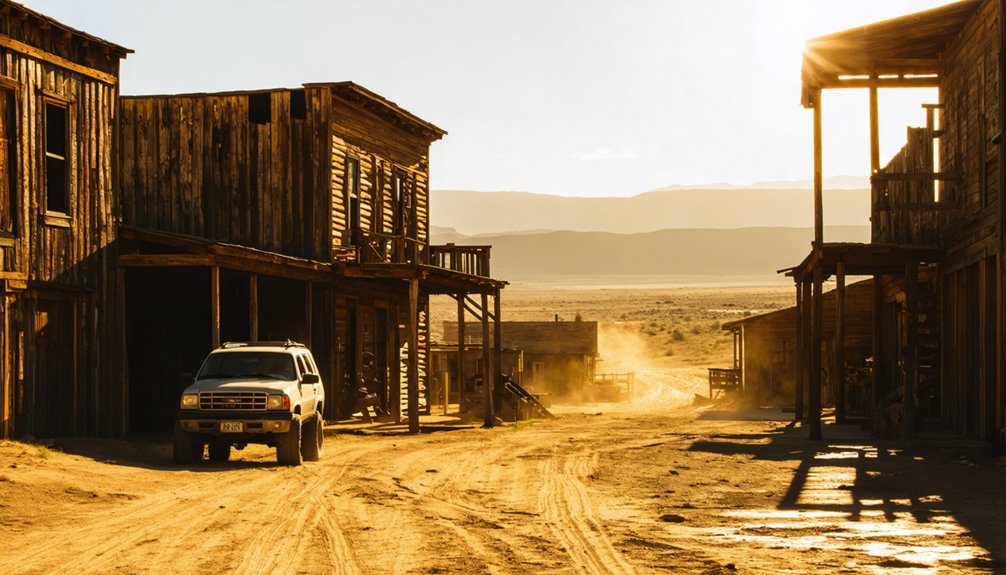
You’ll need to anticipate dangerous weather conditions when exploring Utah’s ghost towns, from summer heat waves exceeding 100°F to winter snowfall reaching 43 feet annually in northern sites.
Your emergency preparedness should include reliable communication devices, detailed maps, and weather monitoring tools to navigate flash flood risks in desert washes and slot canyons.
When traversing remote terrain, carry essential safety equipment including a gallon of water per person daily, sun protection, and appropriate seasonal gear for the extreme temperature variations.
Weather Hazard Preparedness Tips
Since Utah’s ghost towns face multiple seasonal weather hazards, proper preparation remains critical for safe exploration throughout the year. Historical records reveal devastating floods, landslides, and severe weather patterns that have shaped these abandoned settlements.
You’ll need to prioritize flood preparedness and landslide awareness, especially when visiting sites like Thistle or Grafton, where past disasters dramatically altered the landscape.
- Monitor weather forecasts and avoid canyon areas during heavy rains or spring snowmelt periods
- Pack emergency supplies including extra water, weather-appropriate gear, and a detailed map showing escape routes
- Research historical weather patterns and disaster events for your chosen ghost town destination to anticipate potential hazards
These preparations reflect lessons learned from historical weather events that contributed to these towns’ abandonment and continue to affect visitor safety today.
Emergency Communication Protocol
Maintaining reliable communication channels while exploring Utah’s ghost towns requires thorough preparation and awareness of available emergency systems. Before your adventure, register for local emergency alerts through systems like Reverse 911 or Code Red, which serve multiple Central Utah counties.
You’ll need to establish clear communication strategies, including designating out-of-state contacts and specific meeting locations should your group become separated.
Always carry a battery-powered or hand-crank radio to monitor NOAA Weather Radio alerts and local AM stations like WQKB 1610.
When cellular service fails, HAM radio networks provide essential backup communication through ARES volunteers. If you need to call 911, stay on the line while providing precise location details, including nearby landmarks and access points.
Remember that highway message boards can guide you to alternate routes during emergencies.
Terrain and Equipment Safety
As Utah’s ghost towns present diverse terrain challenges across seasons, proper equipment and safety preparations become essential for successful exploration. You’ll need to carefully assess road conditions and vehicle requirements, as many sites like Grafton and Clifton demand high-clearance transportation on unpaved surfaces.
Weather patterns greatly impact accessibility, with winter ice creating hazardous conditions near Silver Reef and summer heat intensifying dehydration risks throughout southern locations.
- Always carry adequate water supplies, especially when visiting Gold Hill and Clifton where no water sources exist.
- Use sturdy hiking boots for traversing Silver Reef’s sandstone terrain and numerous mine openings.
- Pack seasonal safety gear – sun protection for summer desert heat and traction devices for winter ice.
The terrain challenges vary dramatically by season, making equipment preparation a critical factor in your ghost town adventures.
Top Ghost Towns by Season
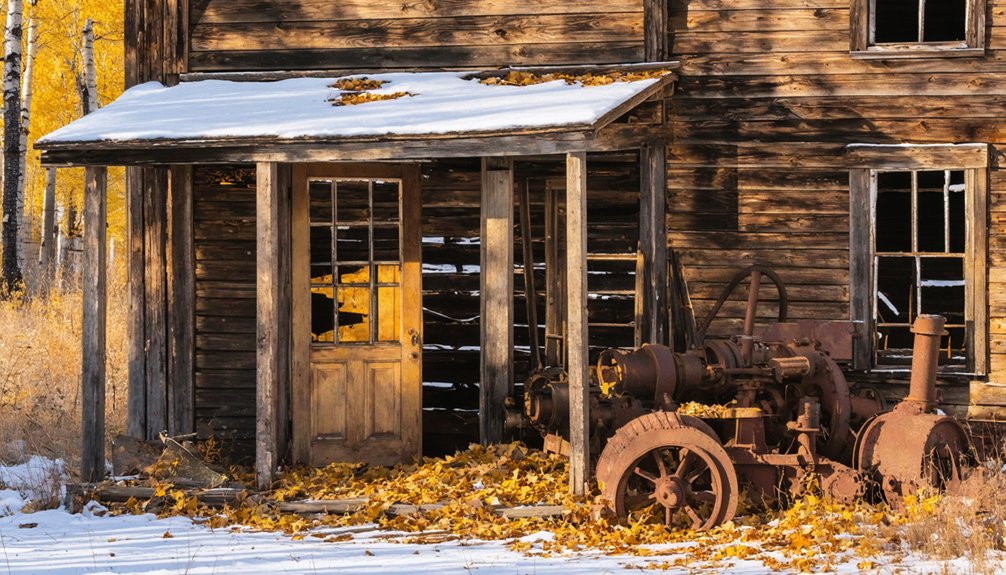
While Utah’s ghost towns offer year-round intrigue, each season presents distinct advantages and challenges for visitors seeking to explore these historic settlements.
Spring and fall emerge as prime seasons for ghost town photography tips and exploration, with Grafton and Silver Reef providing excellent starting points. You’ll benefit from ideal golden hour lighting and comfortable temperatures that allow for extended walks through these preserved pieces of ghost town history.
During summer, you’ll need to adjust your schedule to early morning or evening visits, particularly in southern locations like Silver Reef, where afternoon heat becomes prohibitive.
Winter brings solitude to these sites, though you’ll face colder conditions and different lighting scenarios.
For peak season visits between May and September, consider exploring lesser-known locations or planning your arrivals outside the busy 8 a.m. to 4 p.m. window.
Successful navigation to Utah’s ghost towns depends heavily on your chosen destination and the time of year you plan to visit. Summer months offer ideal accessibility, though you’ll need to prepare for intense heat on exposed dirt roads. Major sites like Thistle and those along I-15 remain accessible year-round, while remote locations require careful navigation planning and high-clearance vehicles.
Plan your Utah ghost town visits carefully – summer access is best, but remote sites demand high-clearance vehicles and thorough route preparation.
- Inform others of your intended route and carry emergency supplies when exploring remote sites.
- Research private property restrictions, as many locations like Ophir have limited seasonal access.
- Choose appropriate transportation – passenger cars work for highway-accessible towns, while off-road vehicles are essential for remote destinations.
Understanding these navigation challenges and implementing proper accessibility tips guarantees you’ll safely reach your chosen ghost town destinations while respecting local regulations and property boundaries.
Frequently Asked Questions
Are There Any Guided Ghost Town Tours Available in Utah?
Hit the jackpot with Utah’s guided tours to ghost towns – you’ll find options in St. George, Grafton near Zion, and Salt Lake City, each offering unique historical significance and paranormal exploration.
Can You Camp Overnight at or Near Ghost Town Sites?
You can’t camp directly at private ghost towns without permits, but you’ll find legal dispersed camping on nearby BLM and Forest Service lands, following their specific camping regulations and 14-day limits.
What Photography Equipment Works Best for Ghost Town Exploration?
You’ll need a mirrorless camera with wide-angle lens selection, strong low-light performance, and reliable tripod. Pack headlamps for lighting techniques, and guarantee your gear’s protected in a durable backpack.
Are Metal Detectors Allowed at Utah Ghost Town Locations?
You’ll need specific permits and permissions for metal detecting in Utah ghost towns. Most locations prohibit it entirely due to strict regulations protecting historical artifacts and archaeological resources.
Do Any Ghost Towns Have Working Water Fountains or Restroom Facilities?
You won’t find working water sources or restroom access at these Utah ghost towns. Pack your own water and plan bathroom breaks at nearby towns or visitor centers before exploring these historic sites.
References
- https://thezennest.com/historic-ghost-towns-of-utah/
- https://www.utahsadventurefamily.com/5-ghost-towns-in-utah-for-families/
- https://www.visitutah.com/plan-your-trip/planning-for-southern-utahs-busy-season
- https://www.ksl.com/article/51008090/7-utah-ghost-towns-that-are-worth-a-visit-this-summer
- https://www.hannahhendersontravel.com/grafton-ghost-town-utah/
- https://www.visitutah.com/things-to-do/history-culture/ghost-towns
- https://www.deseret.com/utah/2023/1/21/23549285/utah-ghost-towns-mormon-history/
- https://www.tripadvisor.com/Attractions-g28965-Activities-c47-t14-Utah.html
- https://www.kuer.org/business-economy/2025-08-28/utah-national-parks-and-their-gateway-towns-are-feeling-a-summer-tourism-slump
- https://www.eda.gov/eda-at-work/stories/park-city.html