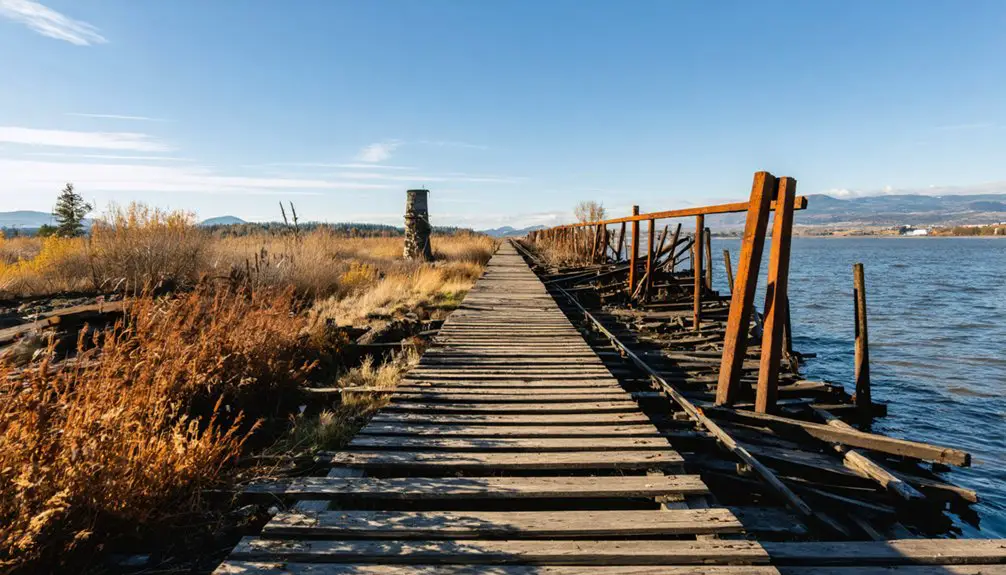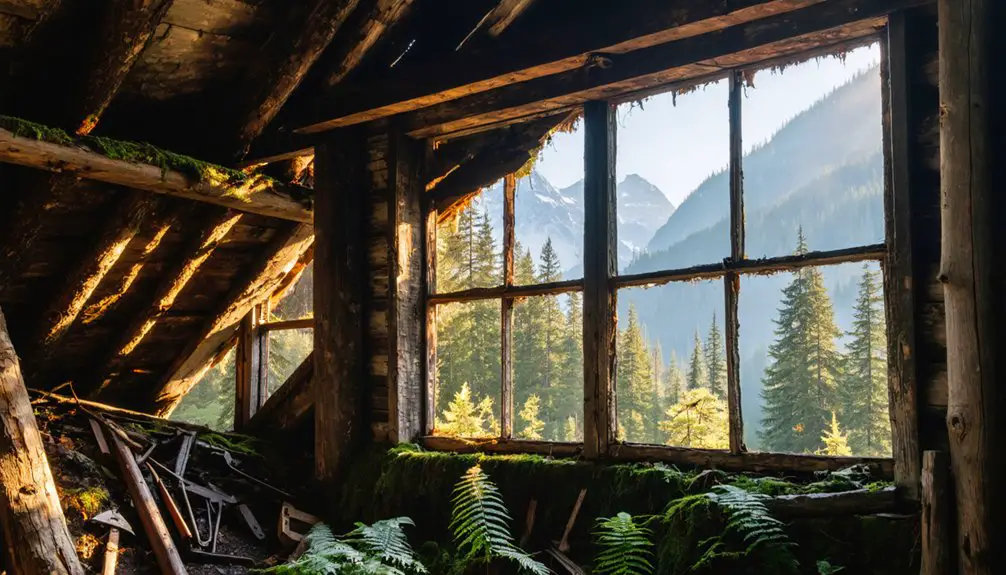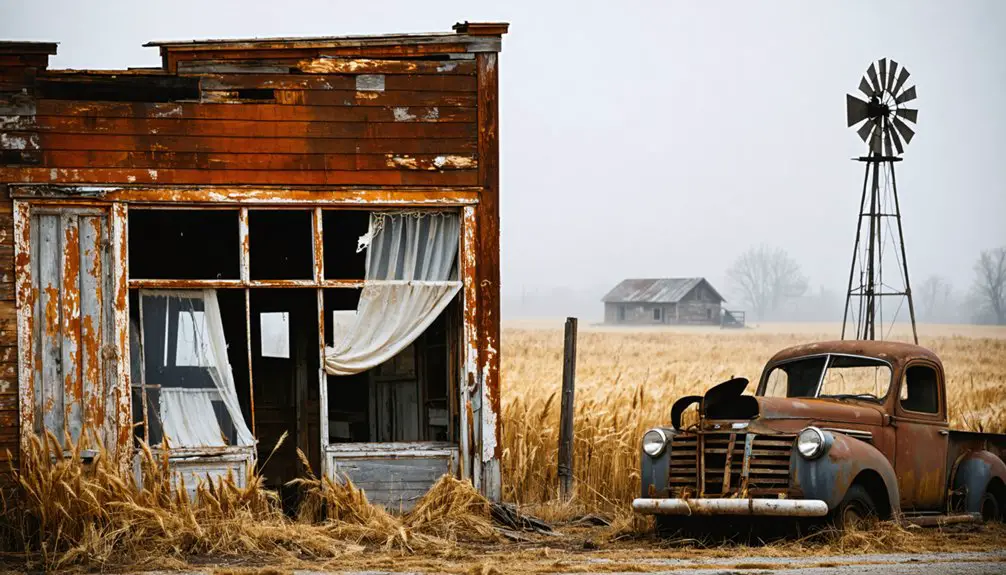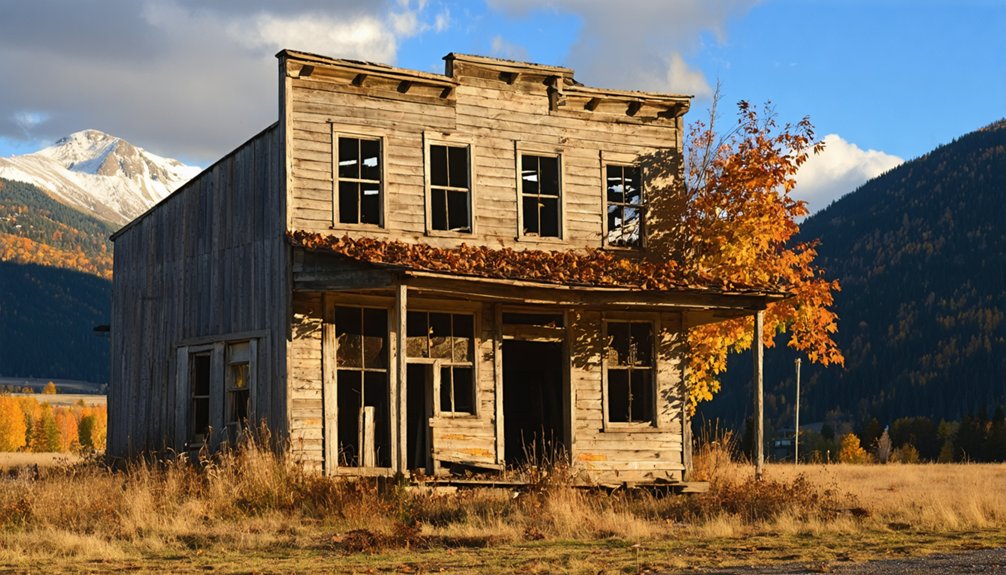
Fall is your best time to explore Washington’s ghost towns, particularly during September and October. You’ll find ideal conditions with thinning vegetation that reveals historical structures, comfortable temperatures for hiking, and exceptional photography lighting during golden hours. Spring offers good visibility too, but autumn’s clear skies and mild weather create perfect exploration conditions while minimizing seasonal hazards. Understanding regional climate variations and accessibility patterns will enhance your ghost town adventures.
Key Takeaways
- Fall offers optimal exploration conditions with thinning vegetation and moderate temperatures that enhance visibility of historical structures.
- Spring provides excellent foundation visibility and clear trails, though visitors should watch for boggy areas marked by skunk cabbage.
- Eastern Washington ghost towns are accessible year-round with 300 sunny days annually, making them ideal for winter visits.
- July provides dramatic photography opportunities with perfect lighting conditions and minimal foliage obscuring abandoned structures.
- Summer visits require extra precaution due to fire risks and thick vegetation, while winter access is limited by snow at higher elevations.
Peak Season Vs Off-Season Tourism Impact
While Washington’s ghost towns captivate visitors year-round, the stark differences between peak and off-season tourism remain largely unstudied.
The impact of seasonal visitation patterns on these historic sites requires more thorough research to understand visitor numbers and economic impacts throughout the year.
You’ll find that current data gaps make it challenging to determine the best timing for ghost town exploration.
Monte Cristo’s eight mile trek through mountain terrain significantly influences visitor access during winter months.
Key factors that need investigation include seasonal accessibility variations, infrastructure strain during high-traffic periods, and effects on preservation efforts.
Sites like Molson showcase the region’s rich history through farm machinery artifacts while raising questions about tourism’s impact on preservation.
Local communities’ perspectives on tourism fluctuations also warrant examination to develop sustainable visitation practices.
Until detailed seasonal studies emerge, you’ll need to weigh practical considerations like weather conditions and road access when planning your ghost town adventures in Washington State.
Weather Patterns and Trail Accessibility
Understanding seasonal weather patterns emerges as a key consideration for ghost town exploration in Washington. You’ll find that each season presents distinct advantages and challenges for trail accessibility.
Fall offers ideal conditions with its shortened days, thinning vegetation, and atmospheric lighting that enhances the historical ambiance. Several ghost towns like Franklin feature gentle railroad grades that make autumn hiking particularly enjoyable.
Spring provides clear visibility of foundations and artifacts before dense summer growth takes over, with skunk cabbage marking boggy areas to avoid. At Melmont, the historic schoolhouse foundation provides an excellent stopping point for exploring spring vegetation.
Winter brings snow-free periods at lower elevations like Carbon River sites, you’ll need to monitor seasonal road closures, particularly around Mowich Lake.
Summer poses the greatest challenges, as thick vegetation obscures historical features and overgrown trails can make navigation difficult.
Year-round accessibility varies greatly, with gentle paths like the Iron Goat Trail remaining navigable across seasons.
Regional Climate Differences Across Washington
Washington has distinct climate variations between coastal and inland regions. The coastal areas enjoy a relatively temperate climate where temperatures rarely dip below twenty degrees Fahrenheit. Eastern Washington experiences up to 300 sunny days each year.
Photography and Documentation Conditions
Capturing the haunting beauty of Washington’s ghost towns requires careful attention to lighting and seasonal conditions.
You’ll find the golden hour particularly rewarding, as it bathes main streets in warm light that accentuates building textures and architectural details. Late afternoon sun delivers ideal visibility for photographing mountain sites, while summer’s extended daylight allows for thorough documentation of both exteriors and interiors.
For the most striking shots, plan your visits during July when golden wheat fields create dramatic contrasts with abandoned structures. The Palouse region’s wheat stretches across approximately 19,000 square miles, offering endless photographic possibilities. Consider bringing various photography equipment to capture unique angles and perspectives of these historic sites.
You’ll want to take advantage of the minimal summer foliage, which exposes foundations and intact buildings without obstruction. Clear skies and dry conditions support stable tripod setups, while well-maintained summer trails provide reliable access to key structures like jails, saloons, and mining remnants.
Seasonal Hazards and Safety Considerations
While the aesthetic rewards of ghost town exploration are compelling, each season brings distinct challenges that warrant careful planning.
Winter hiking demands extreme caution as snow-covered roads to sites like Mowich Lake remain unplowed, while spring thaws create treacherous mud conditions around Melmont’s trails. You’ll need appropriate safety gear year-round, but especially during summer’s intense heat when exploring eastern Washington’s fire-prone ghost towns. Liberty maintains its appeal as a living ghost town with year-round residents.
Changing seasons intensify hazards at Washington’s ghost towns, from treacherous winter roads to summer fire risks – preparation is essential for safe exploration.
Fall brings its own set of challenges with unpredictable weather and reduced daylight, particularly in higher elevations near Sherman Creek. When visiting Monte Cristo, the four-mile hiking trail provides the only access to view the historic mining remnants.
Throughout the year, you’ll encounter structural hazards from deteriorating buildings and unstable foundations. Exercise particular caution at Monte Cristo’s log crossings and respect restricted areas at Northern State.
Remember that even accessible ghost towns like Liberty require vigilance due to uneven terrain and aging infrastructure.
Frequently Asked Questions
Are Camping Facilities Available Near Major Washington Ghost Towns?
You’ll find campground amenities at Fort Worden and Northern State, while Ghost Town Hipcamp offers primitive camping. Most Washington ghost towns have nearby attractions with camping options in surrounding national forests.
Which Ghost Towns Have Guided Historical Tours or Interpretive Programs?
Time is history’s teacher. You’ll find guided tours at Port Angeles Underground, Seattle Underground, and Port Townsend, while Franklin, Wellington, and Liberty offer interpretive programs with historical reenactments throughout their sites.
Can Metal Detectors Be Used at Washington Ghost Town Sites?
You can’t legally metal detect at ghost towns since historical artifacts preservation regulations protect these sites. Most are on public lands where metal detecting regulations require special permits for research only.
What Wildlife Encounters Are Common When Exploring Washington Ghost Towns?
You’ll encounter ravens swooping through ruins, deer grazing near abandoned buildings, and squirrels darting across weathered foundations. Along rivers, you might spot curlews, while bears occasionally roam remote mountain ghost towns.
Do Any Ghost Towns Require Permits or Have Entrance Fees?
You won’t need permits or pay entrance fees at these featured Washington ghost towns. While you’ll need parking access for general recreation areas, the ghost towns themselves are freely accessible year-round.
References
- https://www.onlyinyourstate.com/experiences/washington/ghost-towns-in-wa
- https://okanogancountry.com/ghost-towns
- https://stateofwatourism.com/ghost-towns-of-washington-state/
- https://www.wta.org/go-outside/seasonal-hikes/fall-destinations/hidden-history-ghost-town-hikes
- https://map.proxi.co/r/Washington_Ghost_Towns
- https://www.cascadeloop.com/ghost-towns-and-haunted-places-in-the-washington-cascades
- https://www.ghosttownsofwashington.com
- https://www.ghosttowns.com/states/wa/waalpha.html
- https://www.emeraldpalate.com/abandoned-places-in-washington/
- https://myfamilytravels.com/washington-state-towns-locals-say-tourists-have-ruined