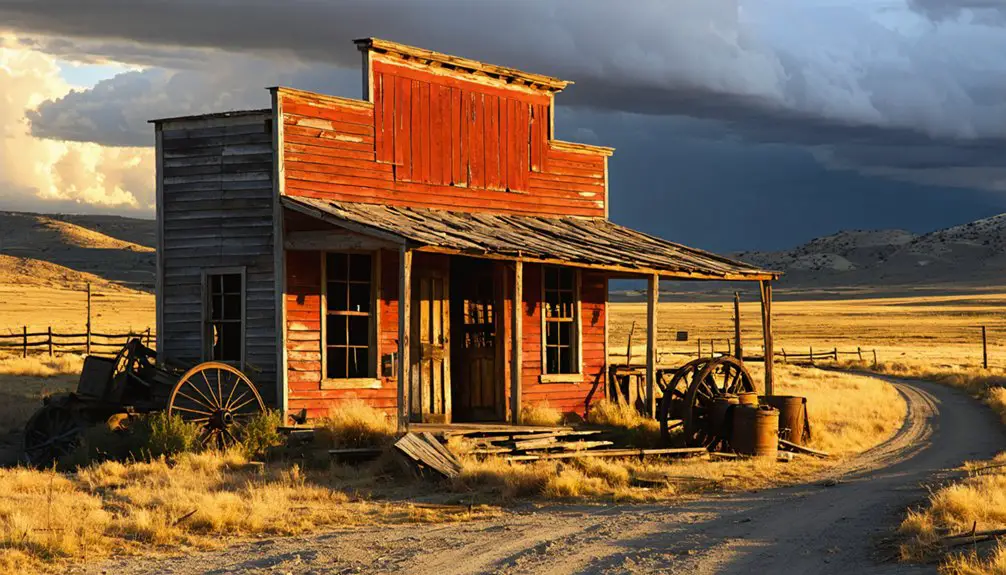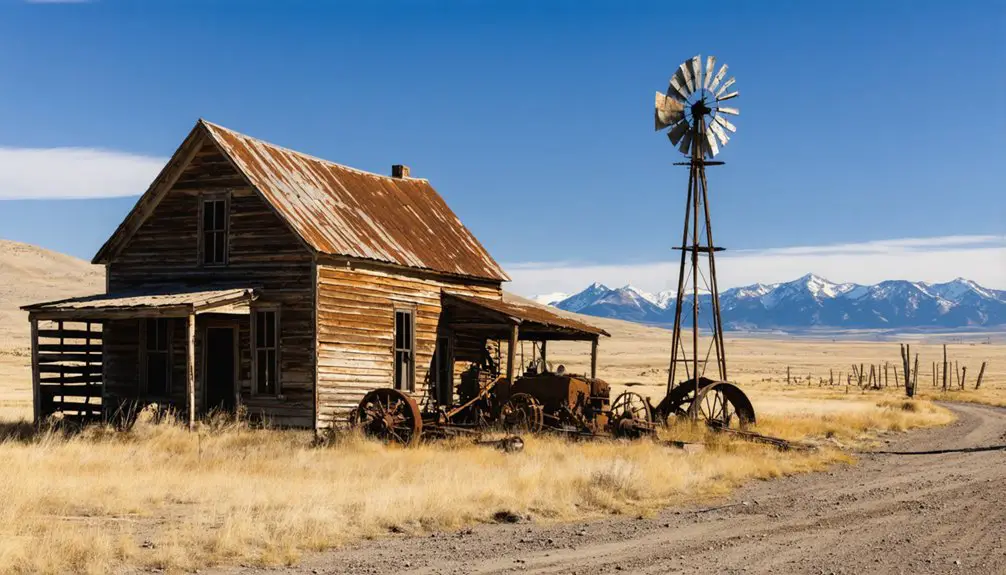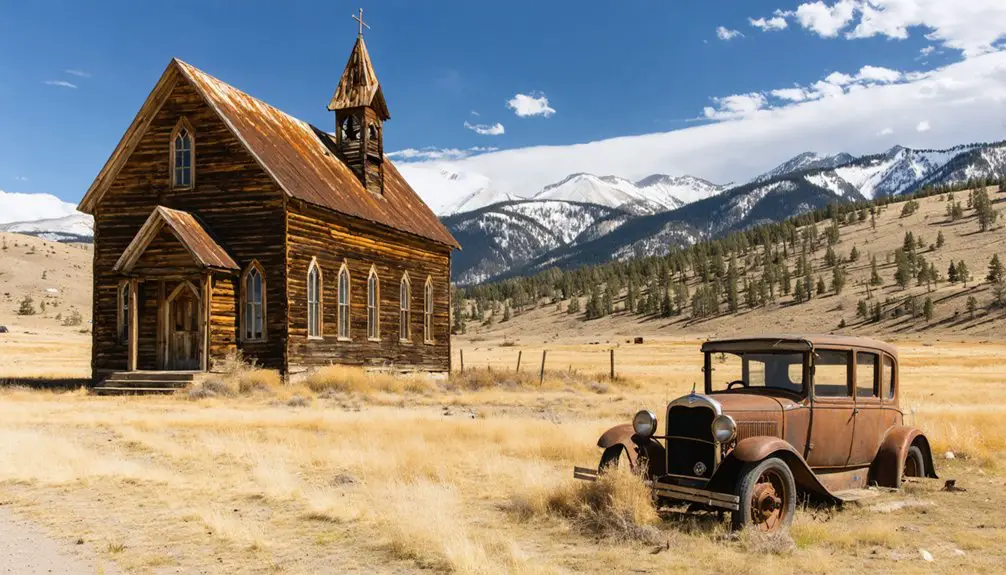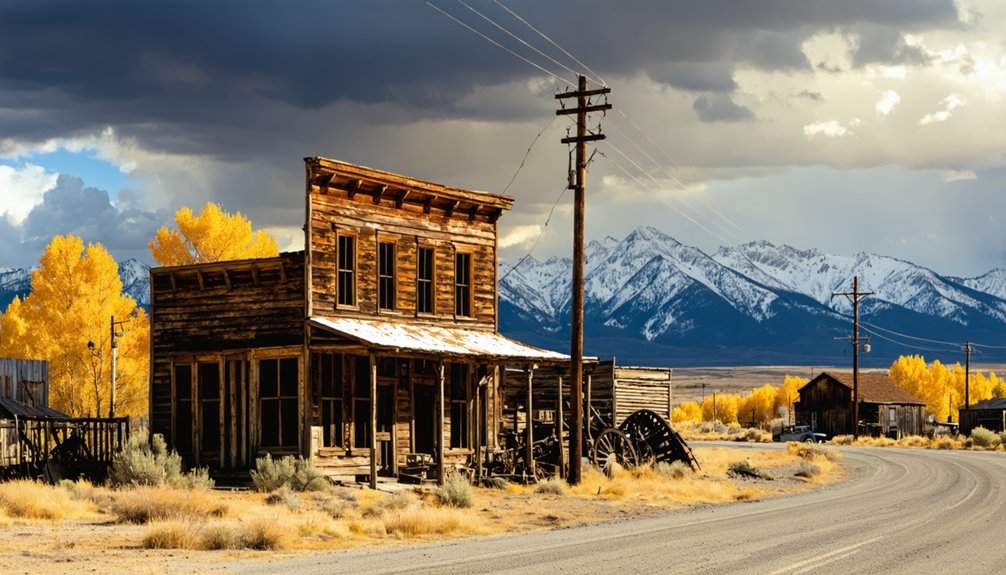
You’ll find the best ghost town exploring in Wyoming during the peak summer months of July through September, when favorable weather and clear roads provide access to over 100 abandoned mining settlements. Spring offers unique pre-tourist season opportunities, while fall rewards visitors with stunning foliage along scenic byways. Most sites sit above 6,000 feet elevation, requiring high-clearance vehicles. Winter’s harsh conditions close many locations, but guided tours and special events throughout the year reveal Wyoming’s fascinating frontier past.
Key Takeaways
- July through September offers peak conditions with ideal weather, longest daylight hours, and full accessibility to most ghost towns.
- Late spring (mid-May to June) provides moderate temperatures and fewer tourists, though some locations may have limited access.
- Early fall (late September to early October) combines pleasant weather with stunning autumn foliage along ghost town routes.
- Winter months should be avoided due to heavy snowfall, road closures, and increased safety risks at ghost town sites.
- Special events and guided tours are most abundant from May through October, particularly Halloween-themed activities in October.
Peak Summer Season: The Sweet Spot for Ghost Town Exploring
When summer arrives in Wyoming, ghost town enthusiasts can access the state’s most intriguing abandoned settlements during the peak season of July through September.
You’ll find ideal conditions at sites like Kirwin, which opens its remote location for exploration during these months, including guided museum tours in August.
South Pass City’s protected canyon setting offers extensive photographic opportunities among its 20 original buildings, while summer events bring the historic gold rush site to life.
Nestled in a scenic canyon, South Pass City preserves gold rush history through its original structures and vibrant summer gatherings.
You can explore the Grand Encampment Museum Tuesday through Saturday, with special Sunday hours providing flexibility for your visit.
The long daylight hours and clear summer skies create perfect conditions for wildlife encounters and photography.
With over a dozen ghost towns within 100 miles of Casper, you’ll have plenty of options for day trips during the favorable weather.
Gebo’s weathered structures and ruins provide fascinating subjects for photographers during the mild summer temperatures.
The historic Arland settlement, known for its violent mining history, offers visitors a glimpse into the darker side of frontier life.
Spring Access and Weather Patterns
Spring opens up unique opportunities to explore Wyoming’s ghost towns before the peak tourist season arrives. Late spring offers ideal conditions for visiting sites like Battle ghost town, where you’ll need high-clearance 4WD vehicles to navigate the rugged county roads.
At 7,800 feet elevation, Eadsville’s mountain setting becomes more accessible as winter snow melts. The Point of Rocks Station welcomes daily visitors from May through September, making spring an ideal time to begin exploring this historic site. The historic Carissa mine offers fascinating guided tours of Wyoming’s mining heritage.
You’ll find South Pass City and Atlantic City welcoming visitors from mid-May, when spring access allows comfortable exploration of their preserved buildings and artifacts. Weather patterns at these elevations can be unpredictable, so plan accordingly.
The remote southern Wyoming prairie roads demand careful navigation, especially on gravel and two-track paths leading to sites like Miner’s Delight. Spring’s moderate temperatures make it an excellent time to explore these historic mining communities.
Fall Colors and Autumn Adventures
Throughout late September and early October, Wyoming’s ghost towns transform into spectacular showcases of fall foliage.
You’ll find the most dramatic displays along Battle Pass Scenic Byway, where the historic Battle ghost town sits amid a canvas of golden aspens and rustic pioneer structures. Ghost town explorers can discover over 20 authentically restored buildings in South Pass City.
- Time your visit to Kirwin Ghost Town for peak autumn foliage, when you can explore via ATV tours equipped with portable grills and GPS.
- Drive the 78-mile Battle Pass Scenic Byway through Aspen Alley for neon yellow leaves and abandoned mining sites.
- Venture through Buffalo Bill Cody Scenic Byway to witness wildlife among red and gold landscapes.
- Trek the Continental Divide Trail loops connecting to historic sites, where you’ll discover pristine backcountry vistas and century-old log structures against a backdrop of vibrant fall colors.
The third and fourth week of September offers prime viewing of fall colors along the scenic route from Cody to Yellowstone’s East Gate.
Winter Limitations and Closures
Despite their haunting allure, Wyoming’s ghost towns become largely inaccessible during the harsh winter months.
You’ll face significant access challenges as heavy snowpack blocks elevated sites like Eadsville at 7,800 feet and Miner’s Delight on the mountain top. County roads leading to locations like Battle turn hazardous without winter maintenance, requiring high-clearance 4WD vehicles. Sites like Jibo can only be reached by high clearance vehicles during better conditions.
Winter wildlife restrictions further limit your exploration options. Teton County enforces interagency closures across multiple jurisdictions, including the National Elk Refuge and Bridger-Teton National Forest.
The season also amplifies safety risks, with unfilled mineshafts at Rudefeha becoming treacherous from ice formation, and historic structures in Gebo risking collapse under snow load. Late spring through early fall offers the most ideal exploration conditions, as demonstrated by the recommended visiting times for Battle ghost town.
Prolonged subzero temperatures and avalanche dangers make spring and fall the preferred seasons for ghost town visits.
Planning Around Special Events and Tours
You’ll find Wyoming’s ghost town experiences enhanced by October’s rich calendar of haunted tours and special events, including Cheyenne’s weekend trolley tours and the Brinton Museum’s annual Halloween celebration.
Established as the “Magic City of the Plains”, Cheyenne’s fascinating evolution from an 1867 railroad town to a haunted destination makes it a must-visit location for history enthusiasts.
Among the area’s most intriguing sites is the Sweetwater County Library, where visitors can read the paranormal Ghost Log documenting decades of unexplained occurrences.
The best guided adventures often run from late spring through fall, with Old Trail Town’s historical tours resuming in May 2026 and Superior Living Ghost Town events operating throughout the warmer months.
To maximize your ghost town visit, you can coordinate your trip with themed tours in Cheyenne, where multiple operators showcase historic buildings and share tales of cowboys, railroaders, and local spirits.
Major Annual Celebrations
When planning your Wyoming ghost town adventures, several major annual celebrations offer unique opportunities to experience these historic sites at their most vibrant.
These ghost town festivals and historical reenactments bring the Old West back to life through immersive experiences.
- Gold Rush Days in South Pass City recreates 1860s mining camp life each July, featuring vintage baseball, saloon music, and hands-on gold panning.
- Meeteetse Museums’ August ghost town tour provides expert-guided exploration of mining history sites.
- Grand Encampment combines Western heritage with the Woodchoppers Jamboree in June and winter festivities during the Cowboy Gathering.
- Fort Caspar’s October ghost tours let you investigate paranormal activity with specialized equipment at a reconstructed military post, making it perfect for history buffs seeking a spooky experience.
Guided Adventure Scheduling
Building on the region’s rich calendar of celebrations, guided adventures offer structured ways to explore Wyoming’s ghost towns throughout the year.
You’ll find specialized tours operating in distinct seasonal windows – Fort Caspar Museum‘s ghost tours run select October dates, while Old Trail Town welcomes visitors from May through fall.
For scheduling tips, book Cheyenne ghost tours year-round with 24-hour cancellation flexibility, or reserve spots for Casper’s popular October tours starting October 1st.
If you’re planning multi-day guided adventures, consider the 10-day Gold Country tour connecting San Francisco to Salt Lake City, or explore Kirwin Ghost Town’s backcountry paths through Shoshone Forest.
The Laramie Plains Museum offers regular afternoon tours Tuesday through Saturday, perfect for spontaneous exploration of Wyoming’s haunted history.
Transportation and Vehicle Requirements
I notice that the provided facts explicitly state there’s no information about transportation and vehicle requirements for visiting Wyoming ghost towns.
Due to this limitation in available data, I can’t make specific claims about vehicle types needed or road conditions you’ll encounter at Wyoming’s historic ghost town sites.
To guarantee accurate guidance for your ghost town adventures, you should:
Research local resources and contact tourism offices to ensure you have accurate, up-to-date guidance for ghost town exploration.
- Contact the Wyoming Office of Tourism for current vehicle recommendations
- Research road conditions and accessibility through local ranger stations
- Consult ghost town preservation societies about site-specific transportation needs
- Review recent visitor reports and forums for first-hand accounts of access requirements
Until verified transportation information becomes available, it would be irresponsible to make assumptions about vehicle requirements for exploring Wyoming’s ghost towns.
Regional Weather Considerations

You’ll need to carefully plan your ghost town visits around Wyoming’s dramatic mountain weather patterns, which can shift from summer highs near 85°F to winter lows below 10°F with punishing winds.
Ghost towns at higher elevations, like Miner’s Delight, become completely inaccessible during winter months when heavy snow blocks access routes and creates dangerous conditions.
Your best window for exploring these historic sites runs from late spring through early fall, when the 300 annual days of sunshine and moderate temperatures make both road conditions and outdoor exploration more favorable.
Mountain Elevation Weather Patterns
When exploring Wyoming’s ghost towns, understanding the mountain elevation weather patterns becomes essential for planning your visit. Most ghost towns sit above 6,000 feet in ranges like the Wind River and Big Horn Mountains, where elevation effects dramatically impact conditions.
You’ll encounter significant weather extremes, with temperatures dropping 5.5°F for every 1,000 feet you climb.
- Summer temperatures rarely exceed 100°F at ghost town elevations, with July maximums averaging 70°F above 9,000 feet.
- Nights cool rapidly to 50-60°F even after hot days, requiring layered clothing.
- Winter brings temperatures below 0°F and over 200 inches of mountain snowfall annually.
- Spring through summer sees the most precipitation, with increasing extreme weather events since 2005.
Road Conditions By Season
Maneuvering Wyoming’s ghost town roads requires careful seasonal planning due to extreme weather variations and challenging mountain terrain.
You’ll find winter particularly demanding, with Togwotee Pass receiving over 25 feet of snow and requiring tire chains.
Spring brings lingering snow and avalanche risks at high elevations, often delaying road maintenance until Memorial Day.
Summer offers your best access window, though you’ll need four-wheel drive for rugged routes to sites like Gebo and Winton.
Watch for increased wildlife activity and heavy recreational traffic.
Fall brings seasonal closures, especially Beartooth Pass in mid-October, while South Pass faces severe conditions by late autumn.
Year-round, you’ll want to check WYDOT’s 511 app before traveling these remote roads, as service stations are sparse and weather changes rapidly in Wyoming’s high country.
Safety and Comfort Across Seasons
Although ghost towns in Wyoming can be explored throughout the year, safety and comfort considerations vary dramatically by season. Your seasonal gear and weather readiness will determine how thoroughly you can explore these historic sites while staying safe and comfortable.
One of the most intriguing aspects of exploring historic ghost towns in Wyoming is the rich history that lingers in the remnants of abandoned structures. Each site tells a unique story of the past, offering visitors a glimpse into life during the height of the mining boom. Additionally, many ghost towns are surrounded by stunning natural landscapes, making them perfect for photography enthusiasts and history buffs alike.
- Summer offers ideal exploration conditions with comfortable temperatures and improved road access, making it perfect for extended outdoor tours and festival attendance.
- Winter demands extensive preparation, as snow and ice create hazardous conditions at most sites, with some locations becoming completely inaccessible.
- Spring and fall shoulder seasons require flexible planning and adaptable gear due to variable weather conditions, but reward you with fewer crowds.
- Year-round visits to accessible sites like Point of Rocks Stage Station and Superior require appropriate vehicle preparation regardless of season.
Frequently Asked Questions
Are Camping Facilities Available Near Wyoming’s Major Ghost Town Sites?
Like scattered treasures in the wilderness, you’ll find campground amenities near Wyoming’s ghost towns through established sites like Fish Lake Valley and numerous boondocking spots that respect historical preservation around Superior and Kirwin.
What Wildlife Encounters Should Visitors Be Prepared for at Ghost Towns?
You’ll need to watch for bear, moose, elk, and mountain lions during wildlife sightings. Stay alert for animal behavior patterns, maintain safe distances, and store food properly when exploring ghost towns.
Can Metal Detectors Be Used at Wyoming Ghost Town Locations?
Nearly 90% of Wyoming ghost towns prohibit metal detecting due to strict historical artifact preservation regulations. You’ll face fines if caught using detectors without official permission at these protected sites.
Are Photography Permits Required for Commercial Shoots at Ghost Towns?
You’ll need permits for commercial photography at ghost towns on federal lands. Check photography guidelines and commercial regulations with BLM, Forest Service, or state agencies depending on property ownership.
Do Any Ghost Towns Offer Guided Night Tours or Paranormal Investigations?
While you’ll find ghost tours and paranormal investigations in Cheyenne and Casper’s historic buildings, Wyoming’s actual ghost towns don’t offer guided night tours – they’re strictly daytime destinations for safety reasons.
References
- https://www.explorewy.com/blog/ghost-towns-halloween-southwest-wyoming-travel
- https://travelwyoming.com/blog/stories/post/5-wyoming-ghost-towns-you-need-to-explore/
- https://www.wyomingcarboncounty.com/blog/123-5-ghost-towns-to-explore
- https://www.youtube.com/watch?v=GEoxbcwf8Ks
- https://www.tripadvisor.com/ShowTopic-g28973-i480-k13844497-Best_ghost_town-Wyoming.html
- https://mycountry955.com/would-you-stay-in-any-of-wyomings-great-ghost-towns/
- https://bighorndrifters.com/elementor-2633/
- https://www.codywyomingnet.com/meeteetse_wyoming/ghost_towns.php
- https://ronesrvpark.com/wyoming-ghost-towns-near-casper-a-spooky-rv-trip-guide/
- https://kekbfm.com/exploring-the-abandoned-ghost-town-of-miners-delight-wyoming/