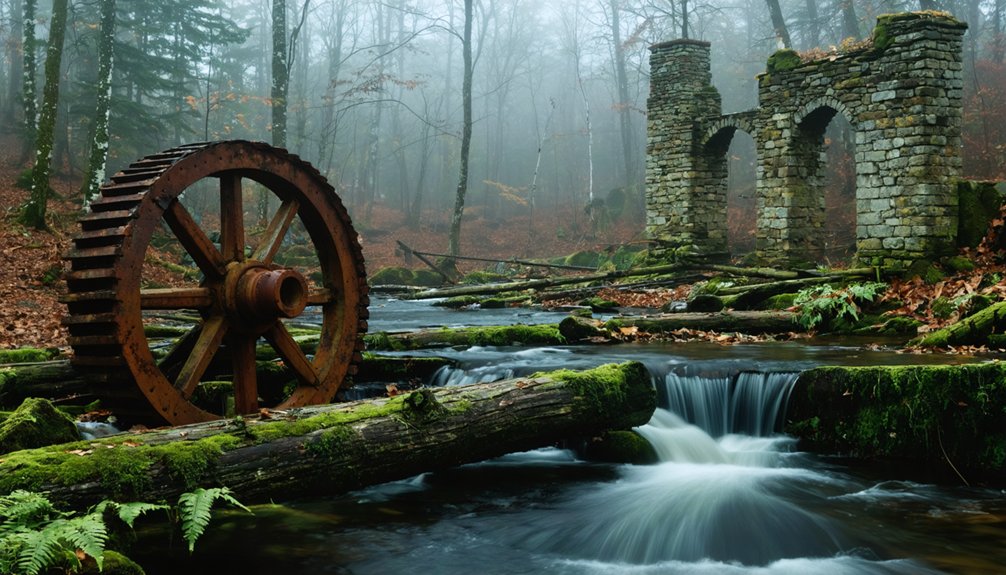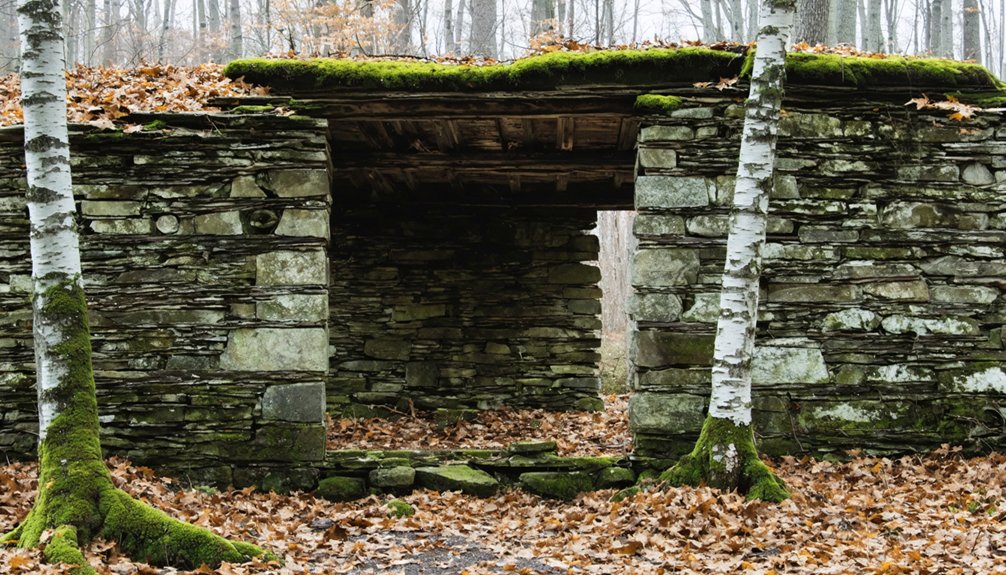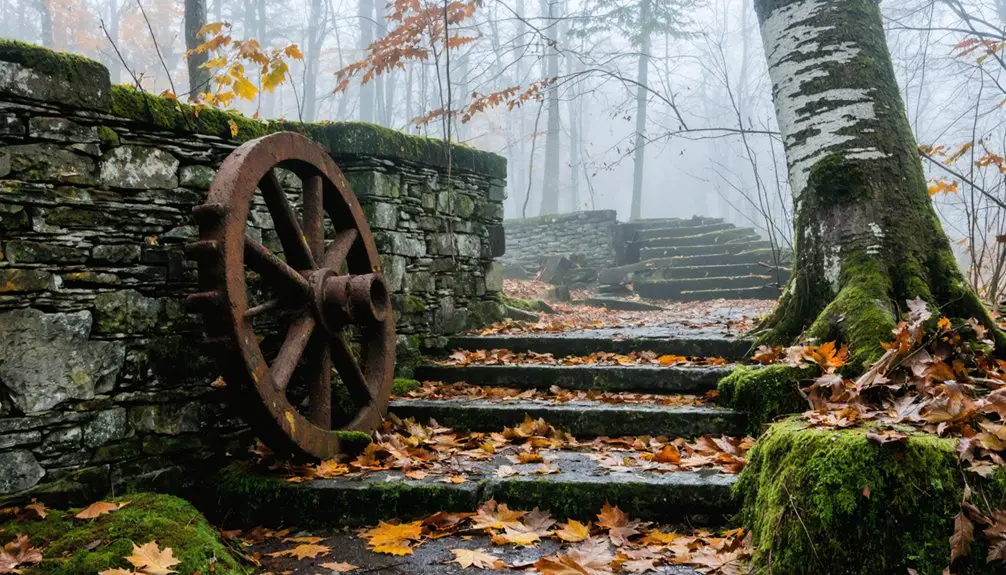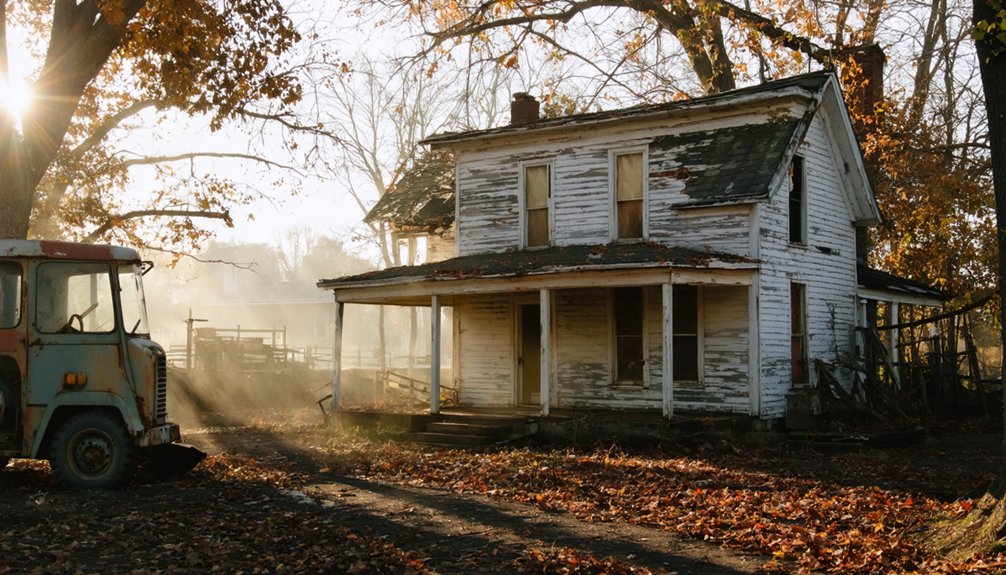
You’ll find the best time to explore New Hampshire’s ghost towns is during autumn, specifically September through November, when crisp weather and clear skies enhance visibility. The fall foliage creates stunning backdrops for photography, while stable temperatures make outdoor exploration comfortable. Spring and summer offer extended daylight hours and wildlife sightings, but autumn’s unique combination of weather and scenery provides ideal conditions for uncovering these historic sites’ hidden stories.
Key Takeaways
- September through November offers optimal visibility and stable weather conditions for exploring New Hampshire ghost towns.
- Spring and summer provide extended daylight hours and warmer temperatures, allowing for longer exploration times and better accessibility.
- Autumn’s colorful foliage creates stunning backdrops for photography and enhances the visual appeal of abandoned structures.
- Winter visits are challenging due to snow coverage, limited access, and shorter daylight hours.
- Warm seasons offer more guided tours, historical events, and increased chances of wildlife sightings during ghost town visits.
The Enchanted Autumn Experience
While New Hampshire’s ghost towns captivate visitors year-round, autumn transforms these abandoned settlements into ethereal destinations where history and natural beauty converge.
You’ll discover the haunted trails of Thornton Gore, where vibrant autumn colors frame the remnants of a forgotten farming community and the mysterious Wildcat Cemetery.
At Monson Village, you can traverse 2.5 miles of trails amid stone walls and cellar holes while unexplained drum beats echo through the fall foliage. The site’s archaeological significance makes it one of New England’s most important historic locations. Visitors often report seeing flashes of light dancing between the trees at dusk.
Ancient echoes and mysterious drumbeats accompany hikers along Monson Village’s stone-lined paths, where autumn whispers stories of the past.
The season’s splendor reaches its peak at Madame Sherri’s Castle, where the iconic “Stairway to Heaven” stands surrounded by golden leaves.
Whether exploring Livermore’s old logging camps or wandering through West Chesterfield’s woods, you’ll find these ghost towns offer their most enchanting atmosphere during the cooler months of fall.
Winter’s Snowy Solitude
Despite the challenging access conditions, winter’s transformation of New Hampshire’s ghost towns creates an unparalleled atmosphere of isolation and mystery.
You’ll find snow-frosted trails leading to Livermore, abandoned since 1946, and Monson’s hidden cellar holes beneath winter’s white blanket. As recently as the 2020 census, two residents remain in the once-bustling lumber town. These sites, vacated due to harsh weather and scarce resources, offer unique opportunities for snowy exploration.
While most buildings at Crawford Notch close after October 15th, you can still access key historical markers. Near the notch, visitors can spot the lonely abandoned train car from a bygone railway era.
The 3-mile trail system at Monson provides straightforward winter navigation along former roads.
Winter isolation enhances the ethereal quality of these abandoned settlements, where Nancy Barton’s tragic 1788 crossing and the struggles of early settlers echo through snow-covered stone walls and reclaimed forests.
Spring Awakening and Historical Discoveries
As spring thaws New Hampshire’s landscape, ghost town exploration enters its prime research season. You’ll find melting snow revealing hidden historical artifacts and architectural remnants that were concealed during winter months.
While mud season creates challenging ground conditions, you can access many sites through alternative means like biking, horseback riding, or canoeing. Near Haunted Lake, visitors can examine the timber crib remains from past mill operations.
Despite muddy terrain during spring thaw, adventurous explorers can reach ghost towns via bikes, horses, or waterways.
Spring exploration offers ideal visibility of stone foundations and cellar holes before emerging foliage obscures these historical treasures. You’ll discover evidence of logging operations in places like Livermore and Zealand, while cemetery sites become accessible for genealogical research. Old Hill Village becomes particularly fascinating as the 1941 relocated town reveals its secrets during this season.
The season’s conditions also expose artifacts that tell stories of past settlements, though you’ll need to contend with increased insect activity and fluctuating water levels near rivers and lakes.
Peak Summer Adventures
Summer stands as the prime season for ghost town exploration in New Hampshire, offering extended daylight hours and excellent trail conditions across numerous historic sites.
Your summer explorations can range from easy walks through Monson Village to more challenging hikes in the White Mountains, with paranormal sightings frequently reported at various locations. Consider including the haunted Omni Resort, built in 1902, on your itinerary for a unique historical experience. The ruins of Livermore, once home to 200 peak residents, offer a fascinating glimpse into New Hampshire’s logging history.
- Navigate Monson Village’s 3-mile trail system to discover seven original home sites and an active beaver wetland with a heron rookery.
- Explore Madame Sherri’s Castle Ruins without formal hiking requirements.
- Visit the Willey House Visitor Center in Crawford Notch before October closures.
- Experience Strawbery Banke Museum’s living history through costumed interpreters.
These destinations offer prime visibility of historic foundations, cellar holes, and stone walls while supporting local preservation efforts through your visits.
Must-Visit Ghost Town Locations
New Hampshire’s ghost towns showcase five remarkable destinations that offer glimpses into the state’s rich historical past.
You’ll discover Livermore’s stone foundations and scattered artifacts from its mill town era, which thrived until the 1950s. The town’s decline began when devastating floods in the 1920s destroyed its vital mill operations. In Monson, you can explore 17,000 acres of overgrown cellar holes and stone walls dating back to the 1700s. Visitors should follow safety precautions when exploring these historic ruins.
Passaconaway preserves the Russell-Colbath House, while Hearts Location reveals the remnants of a logging community through foundation ruins and heritage apple trees.
For a unique ghost town history experience, Crawford Notch features Nancy’s gravesite and a collection of historic haunted locations.
Each abandoned structure tells a story of pioneering spirits, industrial ambition, and the inevitable march of time that transformed these once-vibrant communities into atmospheric historical sites.
Safety Tips and Seasonal Preparations
Visiting ghost towns requires careful planning and seasonal awareness to guarantee a safe and rewarding experience.
When preparing for your adventure, consider both seasonal hazards and essential safety equipment before setting out to explore these historic sites.
- Choose fall months (September-November) for ideal visibility and stable weather conditions, avoiding winter’s hazardous ice and spring’s flooding risks.
- Pack sturdy hiking boots, water bottles, and sun protection as basic safety equipment for traversing uneven terrain.
- Verify property access permissions and operational hours, especially at sites with caretakers like Monson Center.
- Stay alert for structural hazards in unstable ruins, concealed cellar holes, and wildlife presence, particularly during warm seasons.
Frequently Asked Questions
Are Dogs Allowed When Visiting New Hampshire Ghost Town Sites?
You’ll find dog friendly trails throughout New Hampshire’s ghost towns, but you’ll need to keep your pets leashed within 6 feet and clean up after them when exploring these pet travel destinations.
Similarly, there are numerous dogfriendly activities in Connecticut that allow you to enjoy the great outdoors with your furry friend. From scenic parks to waterfront walks, you’ll discover a variety of options tailored for pet lovers. Make sure to check local regulations to ensure a safe and enjoyable experience for both you and your dog.
Which Ghost Towns Have Accessible Restroom Facilities Nearby?
Like waiting for a text from 1890, restroom accessibility is sparse at these ghost towns. You’ll find facilities only near Pet Cemetery in Crawford Notch State Park and Room #314 at Indian Head Resort.
Can Metal Detectors Be Used at Abandoned Ghost Town Locations?
You can’t use metal detectors at ghost towns in New Hampshire, as they’re protected under historical site regulations. You’ll need special permits and property owner permission to search for historical artifacts.
Are Guided Tours Available for Any New Hampshire Ghost Towns?
While a million tourists flock to Portsmouth’s guided ghost tours, you’ll find fewer organized historic site tours of New Hampshire’s ghost towns – most require self-guided exploration of abandoned locations.
Do Any Ghost Towns Require Permits or Advance Reservations?
You’ll only need advance permission to visit Nancy Barton’s gravesite at Notchland Inn. Most ghost town sites don’t have specific permit requirements, though the Russell-Colbath House charges a $5 parking fee.
References
- https://kids.kiddle.co/List_of_ghost_towns_in_New_Hampshire
- https://www.nhmagazine.com/the-most-haunted-places-in-new-hampshire/
- https://wokq.com/ghost-town-of-livermore-new-hampshires-smallest-town/
- https://www.onlyinyourstate.com/experiences/new-hampshire/ghost-towns-nh
- https://vitabrevis.americanancestors.org/2016/11/new-hampshire-ghost-town
- https://www.visitwhitemountains.com/blog/post/spooky-stories-ghost-towns-and-historic-haunted-spots/
- https://www.whitemountainhistory.org/abandoned-towns
- https://freepages.history.rootsweb.com/~gtusa/usa/nh.htm
- https://nothingbutnewengland.com/new-hampshires-haunted-hikes/
- https://thefrogandpenguinn.blogspot.com/2021/07/a-nh-ghost-town.html