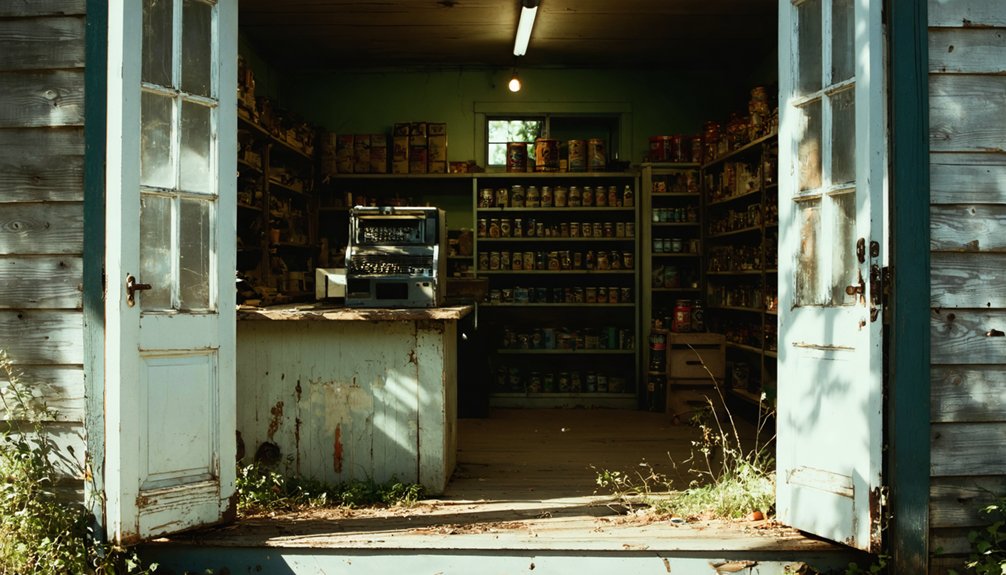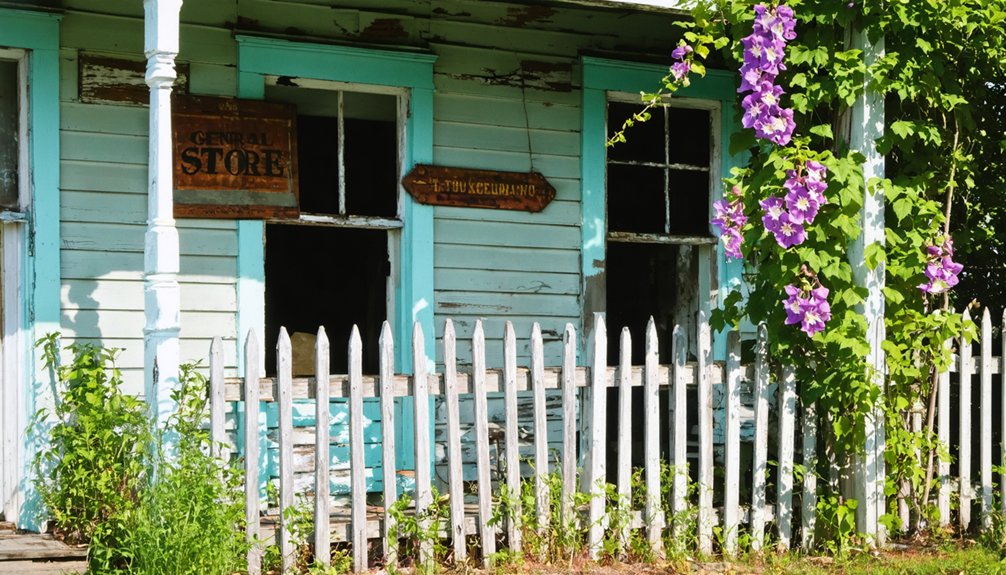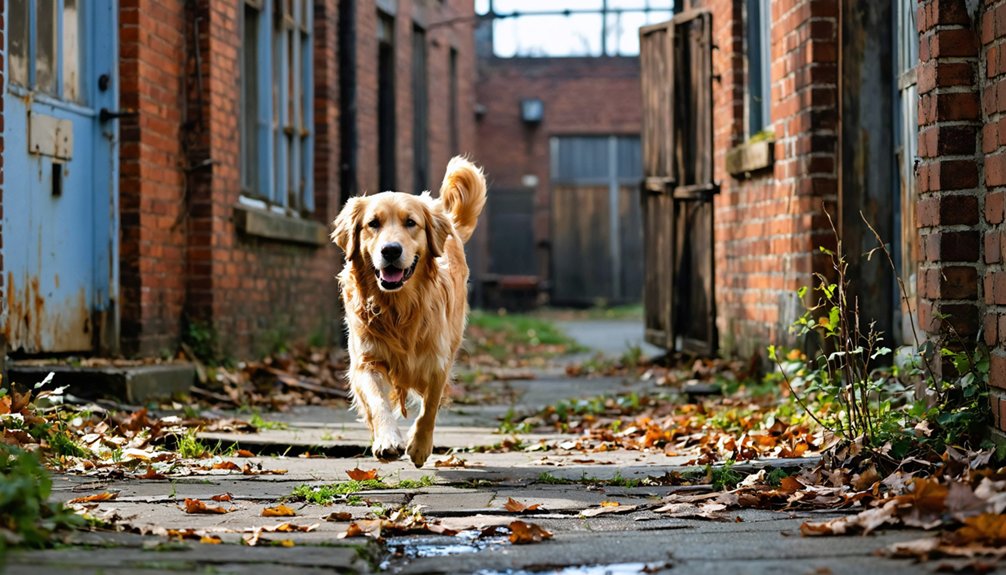
You’ll find Delaware’s ghost towns surprisingly welcoming for leashed adventures, with Brandywine Creek State Park showcasing stunning blue gneiss stone walls from Italian masons in the 1800s. Cape Henlopen‘s restored 1905 Coast Guard station offers fascinating exploration, while Holts Landing preserves native history along peaceful waterways. Spring and fall provide ideal conditions for photography, with golden-hour lighting highlighting weathered structures perfectly. These atmospheric locations blend crumbling foundations with accessible trails, creating memorable experiences that become even richer with proper preparation.
Key Takeaways
- Delaware’s ghost towns in parks like Brandywine Creek State Park welcome leashed dogs for historical exploration.
- Cape Henlopen features a restored 1905 Coast Guard station and allows leashed pets with $10 entrance fee.
- Spring and fall offer optimal visiting conditions with cooler temperatures and fewer insects for comfortable exploration.
- Keep dogs on short leashes and apply paw protection due to structural hazards and debris risks.
- Pet-friendly accommodations like Dogfish Inn and dining at Arena’s patio support multi-day ghost town adventures.
Historic Sites Welcoming Leashed Dogs
While Delaware’s ghost towns may lack the dramatic ruins of western mining settlements, you’ll discover haunting remnants scattered throughout the state’s parks where your leashed companion can explore alongside you.
Brandywine Creek State Park showcases blue gneiss stone walls from the late 1800s, creating atmospheric backdrops for your adventures through remnant old-growth forests. The park features stone walls made by Italian masons from locally quarried granite, adding authentic historical craftsmanship to your ghostly explorations.
Ancient blue gneiss walls rise like sentinels through Brandywine’s forests, their weathered stones whispering tales from Delaware’s forgotten past.
Cape Henlopen’s restored 1905 Coast Guard life-saving station offers genuine historic attractions where you’ll walk sand-surfaced paths once patrolled by long-departed guardsmen. The park’s 6+ miles of coastline provide extensive territory for investigating Delaware’s maritime ghost stories with your faithful companion.
Holts Landing preserves centuries of native history around the ominously-named Murderkill waterway.
These sites prove pet ownership doesn’t limit your exploration of Delaware’s ghostly past—your four-legged partner becomes part of uncovering stories etched in stone and landscape.
Safety Precautions for Exploring Abandoned Areas With Pets
Exploring Delaware’s ghostly remnants requires careful preparation beyond the standard hiking gear—your four-legged explorer faces unique dangers in these forgotten places.
Pet safety in abandoned areas demands heightened vigilance against structural hazards like rotting floorboards, broken glass, and exposed nails that could injure paws. Keep your dog on a short leash to prevent encounters with wildlife sheltering in ruins or contaminated water pooling in collapsed foundations.
I’ve learned to inspect each area before letting my German Shepherd investigate, watching for toxic plants growing through cracked pavement. Apply petroleum jelly to your dog’s paw pads before exploration to protect against sharp debris and chemical residue from old industrial sites.
Pack extra water since stagnant sources often harbor bacteria. Check your dog’s paws frequently for cuts or embedded debris. Always carry a Pet Disaster Kit with veterinary records and first aid supplies when venturing into these remote locations.
These crumbling settlements tell fascinating stories, but your companion’s safety trumps historical curiosity every time.
Optimal Seasons and Timing for Ghost Town Adventures
When should you venture into Delaware’s forgotten settlements with your canine companion? Best seasonal timing centers on spring and fall’s sweet spots—March through May and September through November deliver that perfect storm of mild temperatures and comfortable exploration conditions.
Spring and fall’s mild temperatures create the perfect storm for exploring Delaware’s forgotten settlements with your four-legged adventure companion.
Weather considerations become essential as summer’s brutal heat transforms cracked pavement into paw-scorching hazards, while winter’s frozen ground and chemical deicers create their own dangers.
You’ll find early morning adventures offer the coolest temps and softest light, especially during those sweltering summer months when midday visits spell trouble.
Target weekday mornings in off-season months for maximum solitude—fewer crowds mean less stress for noise-sensitive dogs. Delaware’s moderate climate with four distinct seasons provides predictable weather patterns that help you plan safe excursions.
Skip peak tick seasons and mosquito-heavy periods by choosing late spring or early fall windows when wildlife activity settles and your four-legged explorer stays comfortable. Even during November, expect active shopping areas and busy corridors along Route 1 where ghost towns might intersect with more populated regions.
Essential Amenities and Planning Considerations
Since ghost town adventures require more than just picking the right season, you’ll need to map out essential amenities that transform a day trip into a seamless exploration.
Start with pet friendly lodging like Dogfish Inn’s seven canine-friendly rooms or Homestead B&B’s detached cottages with on-site dog parks. Mansion Farm Inn offers dog-friendly suites with king-size beds and fully stocked kitchens for extended stays. You’ll want advance reservations since these spots fill quickly among fellow freedom-seekers.
For sustenance, scout dog friendly dining options like Arena’s patio where your pup becomes an Instagram star, or Purple Parrot Grill’s welcoming outdoor space.
Stock up on treats at Riverfront Pets before hitting trails at James Farm Ecological Preserve, where wide paths accommodate four-legged explorers. Consider the pet-friendly home in Rehoboth Beach with its fenced backyard and community pool access for a comfortable base near Delaware’s most notorious haunted locations.
Remember Cape Henlopen’s $10 entrance fee and seasonal restrictions when budgeting your ghost town odyssey.
Photography Tips and Responsible Visiting Practices
Your camera’s shutter captures more than crumbling foundations and weathered boards—it freezes moments where your four-legged companion becomes part of Delaware’s forgotten history.
Master photography techniques by embracing golden-hour lighting to bathe weathered structures in warm tones while your dog explores safely on-leash. Use wide-angle lenses for expansive townscapes, then switch to fast primes for intimate portraits against textured backdrops. Frame shots using leading lines from abandoned streets and doorways to create compelling compositions.
Golden hour transforms forgotten places into cinematic backdrops where weathered textures tell stories through your lens.
Ethical considerations demand respecting property boundaries and obtaining proper permissions before exploring. Keep your dog secure and avoid unstable structures—broken glass and rotting floorboards pose real dangers.
Pack out all waste, respect wildlife habitats, and leave artifacts untouched. Your freedom to roam these atmospheric locations depends on responsible stewardship that preserves them for future adventurers.
Frequently Asked Questions
Are There Overnight Camping Options Near Delaware’s Ghost Towns That Allow Dogs?
You’ll find dog-friendly campgrounds at Delaware State Parks and private RV parks within driving distance of ghost towns. Check camping regulations carefully—leash laws apply everywhere, and some historic sites restrict pets completely.
Which Ghost Town Sites Have the Most Interesting Paranormal Activity for Visitors?
Spine-tingling Fort Delaware delivers the most chilling haunted locations you’ll encounter. You’ll witness doors slamming, hear phantom footsteps, and feel ghostly touches while exploring these paranormal stories with your adventurous canine companion beside you.
Can I Bring Multiple Dogs to These Historic Sites Simultaneously?
You can bring multiple dogs to most Delaware ghost town sites since they’re unmanaged historic areas. Follow standard dog leash rules and practice good pet behavior tips—keep them calm around other visitors exploring these atmospheric locations.
Do Any Ghost Towns Offer Guided Tours That Accommodate Leashed Pets?
No ghost towns in Delaware offer pet friendly tours with guided experiences. You’ll find self-guided trails at sites like Carousel Park, where historical significance meets supernatural stories while you explore freely with leashed companions.
For those interested in exploring the state’s hidden gems, check out abandoned sites in Delaware that are rich with history and mystery. These locations often host remnants of bygone eras, inviting adventurous souls to delve into their pasts. Bring your camera, as you may capture more than just the scenery amidst the remnants of Delaware’s forgotten places.
Are There Entrance Fees for Accessing Delaware’s Dog-Friendly Abandoned Town Sites?
You’ll typically pay entrance fees ranging from $12-$39 per person at Delaware’s abandoned sites, though dog regulations often restrict pet access to designated areas only, limiting your four-legged companion’s ghostly adventures.
References
- http://freepages.rootsweb.com/~gtusa/history/usa/de.htm
- https://kids.kiddle.co/List_of_ghost_towns_in_Delaware
- https://en.wikipedia.org/wiki/List_of_ghost_towns_in_Delaware
- https://www.youtube.com/watch?v=ex8Hld_imPU
- https://www.farmweddingde.com/wedding-blog/haunted-history-in-delaware-city-tourism-in-the-first-state
- https://famplified.com/articles/de/the-most-haunted-places-in-delaware-and-the-stories-behind-them/
- https://www.visitkeweenaw.com/listing/delaware-the-ghost-town/515/
- https://www.visitdelaware.com/blog/post/things-to-do-with-your-good-boy-or-girl-in-delaware/
- https://hikewithyourdog.com/a-bark-in-the-park-delaware
- https://www.visitkeweenaw.com/the-crossing-place/delaware-mine/