You’ll find several dog-friendly ghost towns and historic sites across Hawaii that welcome your furry explorer. Honoka’a Historic District offers pet-friendly dining and sidewalk strolling, while Kaloko-Honokohau National Historic Park provides designated dog zones with beach access. Oahu’s ghost tours through US Ghost Adventures allow well-behaved dogs, and interactive Waikiki ghost games give you complete freedom to explore with your canine companion. Proper planning guarantees you’ll uncover Hawaii’s most haunting secrets together.
Key Takeaways
- Several ghost tour operators on Oahu welcome well-behaved dogs, including US Ghost Adventures Honolulu on nightly tours.
- Waikiki offers an interactive app-based ghost game that provides complete dog-friendly freedom for exploration with pets.
- Historic districts like Honoka’a allow leashed dogs on sidewalks and offer pet-friendly dining with outdoor seating.
- National historic parks have designated dog-friendly zones with 6-foot leash requirements, though sacred areas remain off-limits.
- Safety precautions are essential as some ghost towns have hazardous conditions like sharp lava surfaces and underground heat.
Pet-Friendly Ghost Tours on Oahu
When you’re exploring Oahu’s supernatural side with your canine companion, you’ll discover several ghost tour operators welcome well-behaved dogs on their evening excursions.
US Ghost Adventures Honolulu allows dogs on their nightly tours, though some haunted pub crawls restrict pets inside buildings.
Most ghost tours accommodate dogs outdoors, but indoor venues like haunted pubs typically have pet restrictions for safety reasons.
Lizzie Borden Honolulu Haunts welcomes pets that don’t disrupt their night marcher stories at Kawaiahao Church, while their interactive app-based Waikiki ghost game offers complete dog-friendly freedom with no indoor requirements except the Moana Hotel lobby.
For ghost stories enthusiasts prioritizing pet safety, you’ll find wheelchair-accessible options and tours suitable for all fitness levels. These tours are held rain or shine, ensuring your spooky adventure continues regardless of Hawaii’s unpredictable weather patterns. Most tours feature gripping stories of warring chiefdoms and the unification under King Kamehameha that shaped the islands’ haunted history.
These evening adventures let you and your four-legged friend experience Hawaii’s supernatural legends together without compromising anyone’s comfort or the tour experience.
Honoka’a Historic District With Your Canine Companion
After exploring the historic paths, you’ll discover excellent dining options like Cafe il Mondo’s outdoor seating and Tex Drive-In’s pet-friendly atmosphere. Tex Drive-In is particularly famous for their malasadas, Portuguese donuts with custard filling that make for a perfect treat during your visit.
Three local hotels offer pet accommodations with Canine Concierge support, ensuring comfortable overnight stays.
Combine your historic district adventure with nearby Kaloko-Honokōhau National Historical Park’s picnic areas for extended exploration. Keep your dog on a 6-foot leash at all times while visiting the park’s designated pet-friendly trails and coastal areas.
Exploring Wai Opae Ancient Village Ruins With Dogs
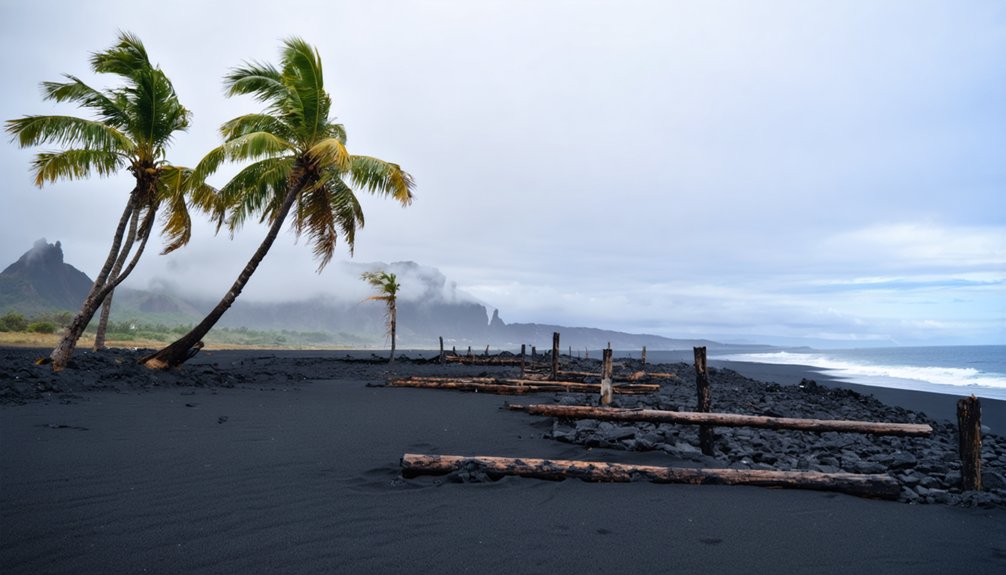
Once a vibrant coastal community where ancient Hawaiian families gathered shellfish from crystal-clear tidepools, Wai’ōpae now lies buried beneath layers of hardened lava from Kīlauea’s devastating 2018 eruption.
Kīlauea’s 2018 eruption forever transformed Wai’ōpae from a thriving Hawaiian gathering place into an inaccessible landscape of hardened lava.
You can’t access the original site with your dog anymore—nature reclaimed this sacred place entirely. The ancient practices that once thrived here, from traditional fishing to cultural gatherings, remain only in memory and documentation.
What you’ll find instead is raw, unforgiving terrain where jagged lava flows extend half a mile beyond the former shoreline. Your dog faces serious hazards: razor-sharp surfaces that’ll slice paw pads, residual underground heat, and zero amenities. The area was formerly protected under the Waiopae Tidepools Marine Life Conservation District, though this protection is no longer necessary.
Before the eruption, these pools functioned as small reef ecosystems that supported diverse marine life among the basalt bedrock formations.
The cultural significance of this ahupua’a endures, but exploring requires understanding that some places become inaccessible. Respect the land’s power and seek safer alternatives nearby.
Kaloko-Honokohau National Historic Park Dog Policies
Two distinct zones within Kaloko-Honokōhau National Historical Park welcome you and your leashed companion, though traversing the rules requires careful attention to sacred boundaries.
You’ll discover freedom along beaches and trails where your dog can explore soft sand and jagged lava terrain, but Royal Grounds and Pu’uhonua areas remain off-limits.
Dog supervision becomes critical near protected sea turtles, requiring you to maintain respectful distances from wildlife.
Leash requirements mandate a maximum six-foot tether at all times—no exceptions for service animals either. Your dog must remain under owner’s control throughout your entire visit to ensure compliance with park regulations.
The coastal zones around Honokohau Harbor beach offer prime exploration opportunities, while unpaved paths challenge both you and your companion.
Remember: dogs in heat can’t access beach areas, and abandoning pets in vehicles during hikes violates park policy. Health checks should be completed before traveling to ensure your dog is prepared for the unique volcanic terrain and tropical climate conditions.
Pu’uhonua O Honaunau Sacred Grounds Pet Guidelines
While your four-legged companion can’t accompany you into the sacred heart of Pu’uhonua O Hōnaunau National Historical Park, designated pet-friendly zones still offer meaningful exploration opportunities along this culturally significant coastline.
You’ll find freedom to roam with your dog through the Picnic Area and along the 1871 Trail and Coastal Trail, where ancient lava meets turquoise waters.
These pu’uhonua regulations protect sacred burial sites and archaeological treasures while preserving your adventure options. Keep your pup leashed within six feet and pack plenty of water for pet safety—Hawaii’s volcanic terrain and tropical heat demand preparation. Plastic bags are conveniently provided along the 1871 Trail to help you clean up after your pet and maintain the park’s pristine condition.
Rangers enforce boundaries strictly around the Royal Grounds and Place of Refuge, so study park maps carefully. Remember that smoking is prohibited throughout all government buildings and specific outdoor areas of this sacred site.
Your respectful compliance helps preserve this spiritual sanctuary for future generations.
Sugar Plantation Ghost Towns Across the Islands
Beyond the sacred grounds and into Hawaii’s industrial past, sugar plantation ghost towns scatter across the islands like forgotten dreams of prosperity.
You’ll discover Koloa’s crumbling 1835 mill ruins on Kauai, where Hawaii’s first successful sugar operation transformed a fishing village into bustling commerce before closing in 1996.
Explore Honoka’a’s historic architecture from 1879, now housing the Heritage Center’s immigrant exhibits after sugar operations ended in 1994.
At Waipahu’s Plantation Village, you’ll encounter sugar mill history spanning 1850-1950, where diverse laborers once worked.
The plantation ghost stories run deep here—half the 25 houses are reportedly haunted. You’ll hear tales of ghostly children, mysterious dolls, and choking spirits that followed workers home from the fields.
Waikiki Night Marchers Walking Tour Pet Accommodations
When darkness falls over Kapiolani Park, you’ll join Native Hawaiian guide Lopaka Kapanui for a spine-tingling 90-minute journey through Waikiki’s most haunted grounds, though bringing your four-legged companion requires careful planning.
This acclaimed Waikiki tour exploring Night Marchers doesn’t explicitly welcome pets beyond service animals. You’ll traverse wheelchair-accessible paths where ancient warriors once marched, visiting sacrificial heiau sites and battlefields where torch lights mysteriously manifest on moonless nights.
While the tour accommodates strollers and wheelchairs, pet policies remain unclear for non-service dogs. Your best bet? Call +1 855 275 5071 before booking to discuss bringing your canine companion on this $40 adventure through Huaka’i Pō territory, where ghostly priests and warriors still roam the sacred grounds.
Big Island Lava Rock Settlements and Dog Access
You’ll discover remnants of lava-buried settlements across the Big Island’s volcanic landscape, where hardened flows have created unique ghost towns with jagged rock foundations and scattered ruins.
The Wai Opae Platforms and nearby lava tube shelters offer glimpses into communities that once thrived before eruptions reshaped the terrain into sharp ʻaʻā fields and unstable pahoehoe surfaces.
However, you’ll need to navigate strict pet park policies and significant safety hazards that make these volcanic ghost sites particularly challenging for dog owners to explore safely.
Wai Opae Platforms
Although the 2018 Kīlauea eruption dramatically altered this coastline, the Wai ʻŌpae area once showcased some of Hawaii’s most remarkable lava-rock settlements where ancient Hawaiians built raised platforms directly on coastal lava benches.
You would’ve discovered a fascinating convergence of cultural heritage and natural wonder, where traditional fishponds and anchialine shrimp pools demonstrated sophisticated Hawaiian engineering.
The Wai ʻŌpae ecology supported incredible biodiversity through:
- Coral-rich tidepools that served as nursery habitat for juvenile reef fish
- Freshwater seepage creating unique brackish microhabitats through porous lava
- Sheltered pocket pools protected by intertidal basalt ridges
This site’s historical significance extends beyond settlement patterns—it represented a masterful integration of human habitation with volcanic landscape.
Though buried under new lava, these platforms remind us how indigenous peoples thrived by working with, rather than against, their dynamic environment.
Lava Tube Shelters
Beneath the Big Island’s volcanic surface lies a network of lava tube shelters that once provided Native Hawaiians with ingenious homes carved by nature itself.
These remarkable formations served as both temporary refuges and permanent dwellings from AD 1200-1700, offering protection from heat with their naturally cool temperatures.
Your lava tube exploration options with your dog are limited but rewarding. Nāhuku (Thurston Lava Tube) offers paved walkways perfect for leashed pets, while most wild tubes present dangerous sharp surfaces and tight spaces.
You’ll need paw protection and careful monitoring since the cool, dark environment can disorient dogs.
Remember the cultural significance—these aren’t just geological curiosities but sacred spaces protected by heritage laws.
Respect restrictions, stay on designated paths, and honor these ancient Hawaiian homes.
Pet Park Policies
Before setting paw on the Big Island‘s ancient lava rock settlements with your canine companion, you’ll navigate Hawaii’s notoriously complex pet import requirements that protect the islands’ rabies-free status.
Once you’ve conquered the paperwork gauntlet, these volcanic ghost towns offer unprecedented freedom for exploration.
Hawaii County Animal Control maintains oversight across the island, but remote lava settlements operate under relaxed enforcement. Understanding pet park etiquette becomes vital when encountering other adventurers:
- Microchip verification – Control officers scan found pets at (808) 327-3558
- Leash laws apply – Even in abandoned areas, restraint prevents wildlife conflicts
- Emergency response – Priority incidents get 1-hour dispatch response at (808) 935-3311
Your dog experiences raw volcanic terrain where ancient Hawaiians once thrived, but responsible ownership guarantees these fragile ecosystems remain accessible for future generations.
Historic Cemetery Visits With Four-Legged Friends
When you’re exploring Hawaii’s ghost towns with your canine companion, you’ll encounter historic cemeteries that demand both respect and careful preparation.
In addition to the fascinating sites in Hawaii, you can also find dogfriendly places in Louisiana that cater to both pets and their owners. Whether it’s a stroll through a picturesque park or a visit to a quaint café, these spots ensure that your furry friend is welcomed with open arms. Exploring new locations together can strengthen the bond you share while creating unforgettable memories.
These haunted burial grounds often sit within protected cultural areas where strict leash laws and pet etiquette rules govern your visit, with some sites requiring special permission or prohibiting dogs entirely.
You’ll need to balance your dog’s safety against sharp lava rock and toxic materials while maintaining the reverent silence these sacred spaces deserve.
Pet Cemetery Etiquette Rules
Although Hawaii’s ghost towns whisper stories of the past through weathered headstones and forgotten graves, bringing your canine companion to these sacred spaces requires careful preparation and respectful behavior.
Before exploring these historic sites, you’ll need to understand essential pet cemetery rules that protect both cultural heritage and your freedom to visit.
Essential etiquette includes:
- Leash Control: Keep your dog on a short, non-retractable leash to prevent damage to fragile monuments and maintain the contemplative atmosphere.
- Waste Management: Carry cleanup bags and dispose of waste properly—never allow urination on headstones or memorial structures.
- Quiet Presence: Guarantee your pet remains calm and subdued, respecting the sacred nature of these resting places.
Following these guidelines preserves your access while honoring Hawaii’s ancestral grounds.
Haunted Burial Ground Access
While exploring Hawaii’s haunted burial grounds with your dog offers a unique glimpse into the islands’ layered history, traversing the complex web of access restrictions and cultural protocols requires careful planning and unwavering respect.
You’ll encounter varying regulations—some sites demand permits, others prohibit animals entirely due to Native Hawaiian burial-rights laws and cultural sensitivities. Before seeking ghostly encounters, confirm ownership and leash requirements with managing agencies, as enforcement can result in hefty fines or removal.
Your respectful visitation means carrying waste bags, staying on designated paths, and avoiding ceremonial periods or restoration windows.
Many historic cemeteries restrict dogs to prevent stone damage and soil disturbance, while beachfront burial sites may allow leashed companions on public sections only.
Planning Your Haunted Hawaii Adventure With Pets
Before you pack your bags and leash for a supernatural adventure, you’ll need to navigate Hawaii’s unique blend of ancient cultural sites, abandoned settlements, and pet-friendly policies that vary dramatically from location to location.
Start your planning with these essential considerations:
- Research ghost town amenities beforehand—Honoka’a’s historic district welcomes leashed dogs on sidewalks, while National Park Service sites like Puʻuhonua o Hōnaunau restrict pets to parking areas only.
- Prioritize canine safety with protective booties for sharp lava terrain, extra water for exposed ruins, and current vaccinations against island-specific parasites.
- Contact tour operators directly—ghost walk companies set independent pet policies, and many rural “spooky” rental hosts require advance approval.
You’ll discover that abandoned plantation corridors near Pahoa offer informal access, while Waipi’o Valley’s trails provide legitimate haunted exploration opportunities for adventurous dog owners.
Frequently Asked Questions
Are There Any Dog Waste Disposal Stations at Hawaiian Ghost Town Sites?
You’ll find virtually no dedicated dog waste stations at Hawaiian ghost town sites. Most abandoned settlements lack modern amenities, so pack your own disposal options when exploring these mysterious, freedom-filled ruins.
What Vaccinations Are Required for Dogs Visiting Hawaii’s Historic Locations?
You’ll need two rabies vaccinations and FAVN antibody testing for dog vaccinations when meeting Hawaii’s strict travel requirements. Your pet must also have current health certificates and parasite treatments before exploring.
Do Ghost Tours Provide Water Bowls for Participating Pets?
You’ll find refreshment provisions aren’t typically part of ghost tour policies, so you’ll need to pack your own pet hydration options. Bring collapsible bowls and water—operators don’t guarantee these amenities during spooky adventures.
Are Service Dogs Allowed in Areas Where Pets Are Typically Prohibited?
Yes, you’ll find service dogs have access rights that transcend typical pet restrictions. Service dog regulations guarantee your freedom to enter most public spaces, while standard pet friendly policies don’t apply to working animals.
What’s the Best Time of Day to Visit Ghost Towns With Dogs?
You’ll find morning strolls offer cool temperatures and comfortable paw surfaces, while evening explorations provide stunning light before sunset. Avoid scorching midday heat when lava rocks and metal surfaces can burn sensitive paw pads.
References
- https://www.thetravelpockets.com/new-blog/dog-friendly-calico-ghost-town
- https://nvtami.com/2023/04/26/big-island-hawaii-ghost-towns/
- https://www.bringfido.com/attraction/24045
- https://usghostadventures.com/honolulu-ghost-tour/
- https://www.tripadvisor.com/Attractions-g60982-Activities-c42-t226-Honolulu_Oahu_Hawaii.html
- https://www.emotionalpetsupport.com/going-to-hawaii-here-are-the-best-places-where-you-can-bond-with-your-dog/
- https://en.wikipedia.org/wiki/List_of_ghost_towns_in_Hawaii
- https://usghostadventures.com/faq/
- https://lizzie-borden.com/ghost-tours/honolulu/
- https://www.coolhawaii.com/activity/oahu/waikiki-night-marchers-ghost-tour/