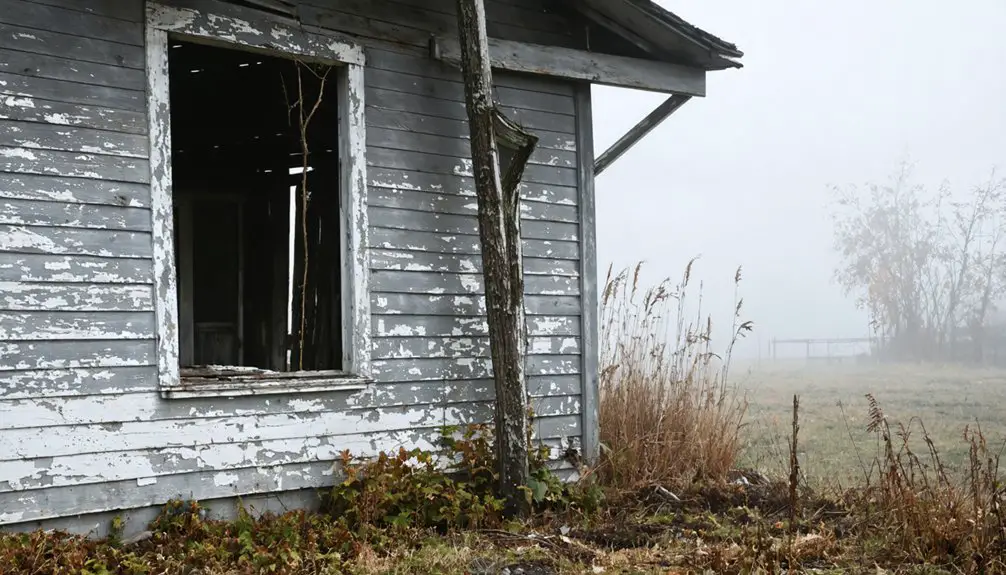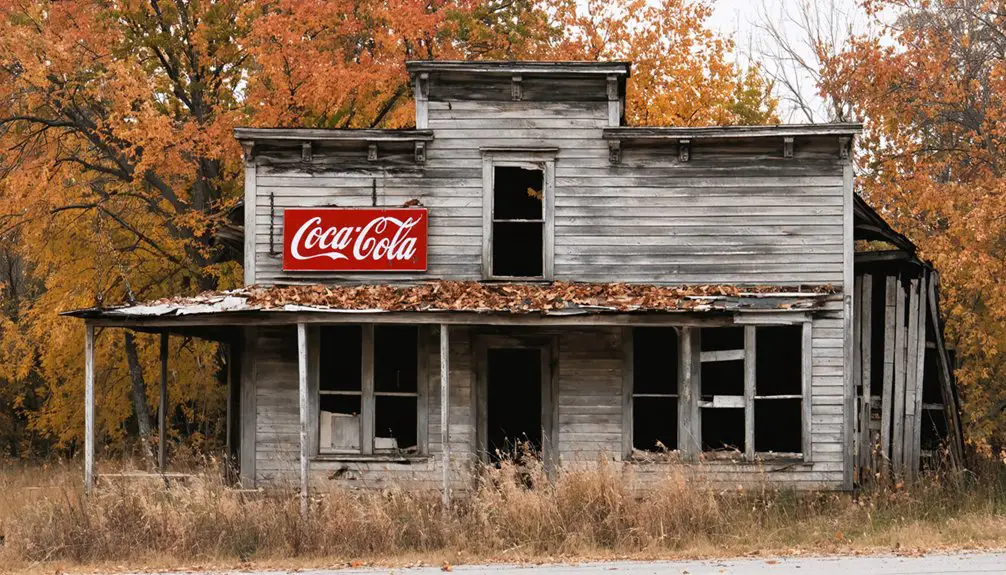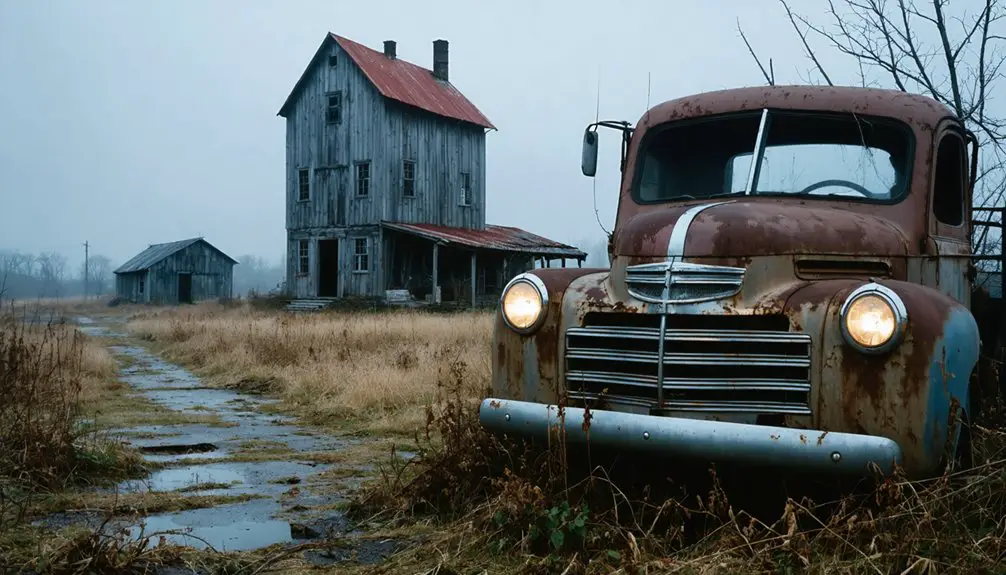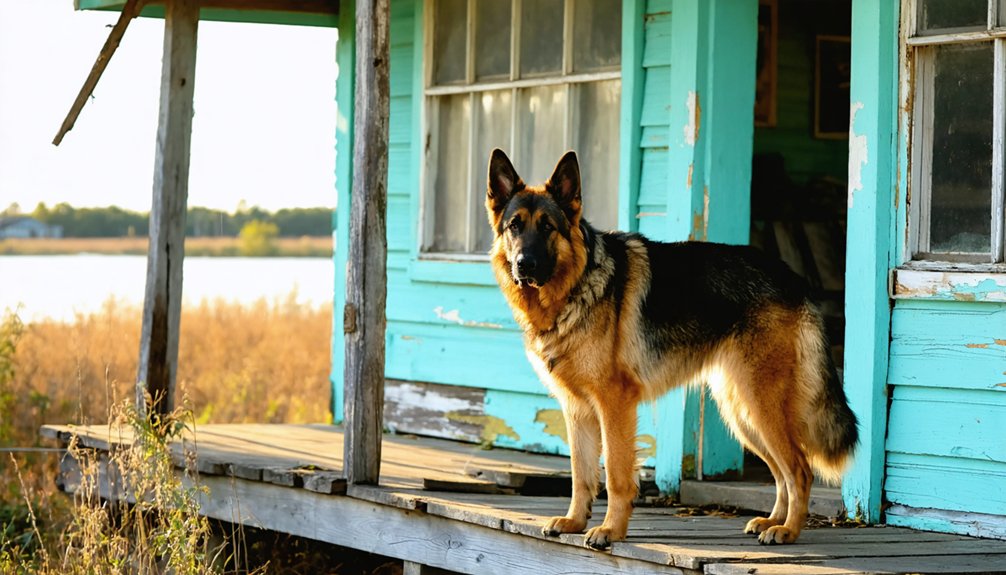
You’ll discover Michigan’s most enchanting dog-friendly ghost towns scattered across the Keweenaw Peninsula, where your leashed companion can explore abandoned copper mining settlements like Central Mine and Delaware Mine. These historic sites feature crumbling foundations, preserved miners’ homes, and weathered structures that once housed thousands of workers along Lake Superior’s shoreline. From Sleeping Bear Dunes’ forgotten German settlements to North Manitou Island’s timber villages, these atmospheric locations offer safe exploration opportunities where you and your dog can uncover Michigan’s hidden mining heritage together.
Key Takeaways
- Central Mine offers year-round access to ruins with leashed dogs welcome to explore preserved miners’ homes and self-guided tours.
- Delaware Mine provides dog-friendly surface grounds where leashed pets can explore authentic mining equipment displays and weathered structures.
- Port Oneida’s historic farm lanes within Sleeping Bear Dunes are ideal for leashed dog walking among original farmstead foundations.
- Glen Haven ghost town features dog-accessible trails to the restored Coast Guard station and Maritime Museum along scenic lakeshores.
- Keweenaw Peninsula settlements like Freda and Bete Grise welcome leashed dogs, but require caution near hidden mineshafts and remote locations.
Keweenaw Peninsula’s Abandoned Mining Communities
While most ghost towns conjure images of dusty Western settlements, Michigan’s Keweenaw Peninsula offers something entirely different—abandoned copper mining communities nestled along Lake Superior’s rugged shoreline.
You’ll discover five remarkable destinations where your four-legged companion can explore authentic Mining History alongside you.
Central Mine stands out with its preserved miners’ homes and self-guided tours through Houses #25 and #61.
The Cliff Mine, once America’s most profitable copper operation, offers the best-preserved ruins from the 1840s-1850s era.
Delaware Mine’s accessible surface ruins tell stories of 7 million pounds of copper extracted before 1887. Visitors can explore the site through Shaft No. 1, descending into a 1600-foot deep shaft that once served as the main entrance to the underground workings.
These communities thrived when the region produced over three-quarters of the nation’s copper by the 1870s.
Each site represents genuine Keweenaw Heritage, where boom-and-bust cycles created fascinating ghost towns perfect for adventurous exploration with your dog.
Fayette Historic State Park’s Iron Smelting Legacy
From copper mines to iron furnaces, your dog-friendly ghost town adventure continues at Fayette Historic State Park, where Michigan’s Garden Peninsula conceals one of the Great Lakes’ most complete 19th-century industrial sites.
You’ll walk through Fayette history with your canine companion, exploring blast furnace ruins that once roared with molten iron. Iron production here peaked between 1867-1891, when 500 residents called this company town home.
Your leashed dog can accompany you past limestone cliffs, reconstructed charcoal kilns, and casting houses where workers poured nearly 230,000 tons of pig iron. Over eighty kilns operated within ten miles of Fayette by the mid-1880s to meet the furnaces’ enormous fuel demands.
Your dog walks beside remnants of industrial might, where charcoal kilns and casting houses once produced thousands of tons of iron.
The sheltered harbor that once welcomed ore-laden scows now offers peaceful shoreline walks. These preserved ruins tell stories of industrial ambition, environmental transformation, and ultimate abandonment when timber resources vanished. Today’s visitors can enjoy electric hook-ups at the nearby campsite along with beach access and hiking trails.
Central Mine and Delaware Mine Adventures
Beyond the iron furnaces of Fayette, Michigan’s Keweenaw Peninsula beckons with copper mining adventures where you and your four-legged explorer can uncover America’s first mining boom.
Central Mine offers year-round access to wander through ruins where 1,200 residents once thrived. You’ll discover the restored Methodist Episcopal Church and thirteen remaining houses scattered across the historic district. Follow trails past abandoned shafts and foundations while your dog investigates scents from Michigan’s copper rush era. The mine operated profitably for four decades after opening in 1855, known for its technological innovations and productive copper extraction. The historic Powder House ruins showcase thick stone walls where explosives were once stored.
Delaware Mine provides underground adventures through guided tours of authentic mining tunnels. Though dogs can’t venture below ground, the surface grounds welcome leashed companions to explore equipment displays and tailings piles.
Both sites demand respect for fragile structures and private property. Stay on designated paths—hidden mine shafts create serious hazards for curious explorers.
Sleeping Bear Dunes’ Forgotten Settlements
Along Michigan’s dramatic shoreline, Sleeping Bear Dunes National Lakeshore conceals remnants of thriving 19th-century communities where German immigrants once carved out lives from wilderness and opportunity.
You and your canine companion can explore these forgotten settlements where families once operated sawmills, supplied cordwood to Great Lakes shipping, and built sustainable farming communities. These ghost towns are abandoned settlements that were once thriving, with many dating back to the 1800s logging or mining communities.
Port Oneida stands as the crown jewel of this historic preservation effort, offering you miles of trails through:
- Original farmstead foundations and fieldstone remnants
- Reconstructed buildings showcasing 1800s rural life
- Historic farm lanes perfect for leashed dog walking
- Interpretive exhibits explaining maritime commerce
Glen Haven’s restored Coast Guard station and Sleeping Bear Inn provide additional exploration opportunities. The area’s Life Saving Station was built in 1901 and now serves as a Maritime Museum where visitors can learn about maritime rescue operations.
These ghost settlements offer you freedom to discover Michigan’s hidden past while enjoying scenic lakeshores with your four-legged adventure partner.
North Manitou Island’s Historic Villages
A short ferry ride from the mainland ghost settlements takes you to North Manitou Island, where two distinct historic villages tell stories of boom, bust, and abandonment across nearly a century of Great Lakes commerce.
You’ll discover the main village where Nicholas Pickard’s cordwood station evolved into a thriving lumber community, complete with historic structures like the old Coast Guard station and Cottage Row’s weathered summer homes.
The ghost village of Crescent offers even more dramatic ruins from Smith & Hull’s ambitious 1906-1915 timber operation. During its heyday, ships from Chicago regularly docked at these Manitou Island ports to load essential wood fuel for their steam engines.
Your dog can explore freely among sawmill remnants and abandoned foundations while you appreciate the archaeological significance of sites dating back 10,000 years, making this island Michigan’s richest prehistoric treasure trove. Among the historic structures, you’ll find Michigan’s last remaining steam-powered sawmill from 1927, a remarkable survivor of the island’s industrial past.
Port Oneida Rural Historic District
Stepping back from the dramatic ruins of abandoned lumber towns, you’ll find a gentler kind of ghost story at Port Oneida Rural Historic District, where over 150 weathered farm buildings stand as silent witnesses to more than a century of agricultural life.
Your dog will love roaming these 3,400 acres of preserved farmsteads along Lake Michigan, where gravel roads wind through Historic Farms that once sustained generations of families.
The cooperative farming community thrived from the 1890s until World War II, leaving behind perfectly preserved barns, schoolhouses, and homesteads.
- Tour by car or bike through authentic 1800s farmsteads
- Explore the Bay View Hiking Trail for remote adventures
- Visit preserved schoolhouses and the historic cemetery
- Wander freely through open fields and abandoned orchards
You’ll typically have these haunting landscapes to yourselves.
Upper Peninsula RV Camping Near Ghost Sites
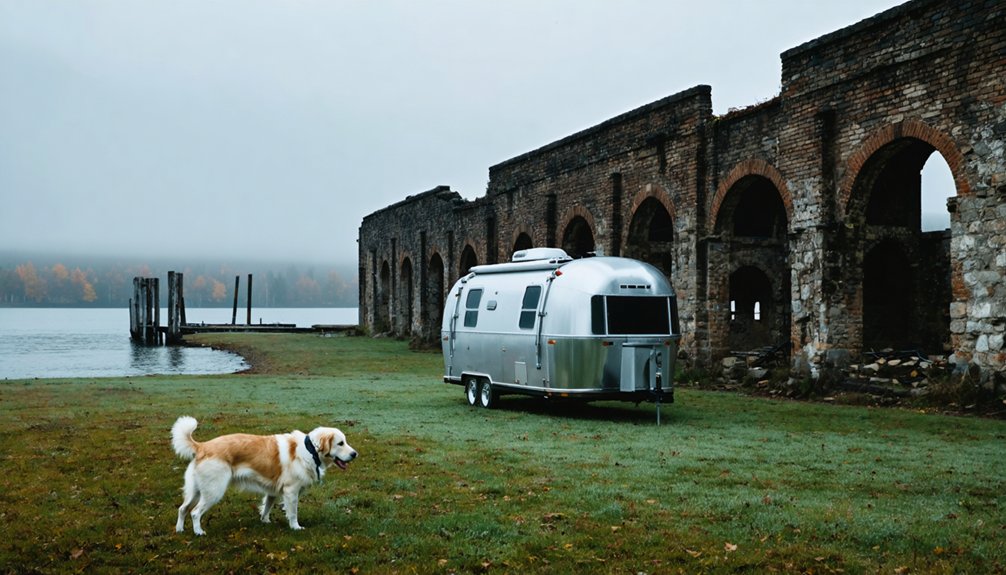
When the copper boom ended in Michigan’s Upper Peninsula, it left behind nearly 100 ghost towns scattered across the rugged Keweenaw Peninsula—and today’s RV campers can park within walking distance of these haunting remnants.
Fort Wilkins State Park near Copper Harbor offers 165 sites with electrical hookups, putting you minutes from abandoned mining towns like Central Mine and Cliff.
Fort Wilkins State Park provides 165 electrical hookup sites, placing ghost town explorers just minutes from abandoned Central Mine and Cliff.
You’ll find empty streets and eerie vibes in remote Keweenaw County, where only 246 residents remain.
For RV camping with ghost town exploration, rent miners house #8 at Central Mine for an immersive week-long experience, or set up at Fort Wilkins and venture to Prospector’s Paradise, where mystical spiral-shaped trees guard Native American burial grounds.
Hidden Gems and Lesser-Known Abandoned Towns
Beyond the well-traveled paths to famous mining towns, you’ll find forgotten settlements tucked into Michigan’s most remote corners where your dog can explore authentic ruins without crowds.
The secluded Keweenaw Peninsula harbors dozens of these hidden gems—places like Cliff and Freda where crumbling foundations emerge from forest undergrowth and old mining roads become perfect hiking trails for you and your canine companion.
These off-the-beaten-path discoveries reward adventurous dog owners with pristine historical sites, but they’ll test your navigation skills and require serious preparation for Michigan’s unforgiving wilderness.
Secluded Upper Peninsula Towns
Deep within Michigan’s Upper Peninsula, forgotten copper mining settlements dot the Keweenaw Peninsula like scattered memories from the 1800s boom era.
These secluded towns offer you and your canine companion authentic wilderness exploration without tourist crowds.
Bete Grise beckons from its isolated wilderness setting, where broken foundations emerge through overgrowth near pristine waterfalls and lakes.
Your dog can roam freely while you discover remnants of mining operations and old apple trees marking former backyards.
Safety considerations for these remote adventures:
- Keep dogs leashed near hidden mineshafts and wells
- Pack plenty of water for both you and your pet
- Bring first aid supplies for remote locations
- Check weather conditions before venturing out
These upper peninsula ghost towns reward adventurous spirits seeking genuine historical connection.
Remote Keweenaw Discovery Sites
Hidden along forgotten mining roads and tucked into remote valleys, the Keweenaw Peninsula’s most secretive ghost towns await discovery by adventurous dog owners willing to venture off beaten paths.
You’ll find Freda ruins sprawling beneath towering smokestacks, where black stamp sand beaches create otherworldly landscapes perfect for liberated exploration. Your canine companion can investigate concrete foundations and machinery mounts while you search for glittering beach glass.
Delaware’s isolated remnants offer solitude among weathered structures, while Old Victoria’s restored log cabins provide glimpses into miners’ daily lives.
Don’t miss Cliff Cemetery’s intricate iron grave markers nestled under towering pines—it’s hauntingly beautiful yet respectful territory for quiet walks with well-behaved dogs seeking authentic wilderness adventures.
Frequently Asked Questions
Are There Any Dog Waste Stations or Cleanup Supplies Available at Ghost Town Sites?
No, ghost town sites lack dog friendly amenities like waste stations. You’ll need to pack your own cleanup supplies since waste disposal options aren’t available at these remote historic locations throughout Michigan’s wilderness.
As you explore Michigan’s ghost town history, you’ll discover fascinating remnants of past communities and the stories they leave behind. Many of these locations offer a unique glimpse into the state’s rich heritage, so be sure to bring your camera for capturing the eerie beauty. Just remember to respect the sites and leave them as you found them for future visitors to enjoy.
What Vaccination Requirements Should Dogs Have Before Exploring Abandoned Mines and Cemeteries?
You’ll need rabies, distemper, parvovirus, adenovirus-2, and leptospirosis vaccination types before ghostly adventures. These health precautions protect against wildlife-carried diseases lurking in abandoned mines and cemeteries where spirits aren’t your only concern.
Can Dogs Drink From Natural Water Sources Found Near These Historic Locations?
No, you shouldn’t let your dog drink from natural water sources near ghost towns. Historic mining contamination and toxic algae threaten water quality, compromising your pet’s hydration safety and potentially causing serious illness.
Are There Veterinary Clinics Nearby if My Dog Gets Injured While Exploring?
Yes, you’ll find pet friendly facilities scattered throughout Michigan’s regions, though your adventure-seeking pup might outlast some rural clinic hours. Research local emergency contacts beforehand—ghost towns don’t offer convenient urgent care.
What Time of Year Offers the Safest Conditions for Dogs Visiting Ghost Towns?
Late spring through early fall offers the best seasons for ghost town adventures with your dog. Weather considerations include moderate temperatures, accessible trails, and reduced hypothermia risks, giving you maximum exploration freedom together.
References
- https://www.youtube.com/watch?v=7-vjuqiGWJU
- https://gonetothesnowdogs.com/go-rving-with-your-dogs-experience-michigans-upper-peninsula/
- https://www.uptravel.com/things-to-do/attractions/fayette-historic-state-park-townsite/
- https://www.visitkeweenaw.com/blog/post/our-top-7-keweenaw-ghost-towns-to-explore/
- https://www.nps.gov/slbe/learn/historyculture/ghosttowns.htm
- https://99wfmk.com/arden-grafton-hodunk/
- https://www.vrbo.com/vacation-rentals/usa/michigan/fibre/ozark-ghost-town
- https://www.tripadvisor.com/ShowUserReviews-g42391-d282396-r185881402-Old_Town-Lansing_Ingham_County_Michigan.html
- https://www.mininghistoryassociation.org/DelawareMine1.htm
- https://npshistory.com/publications/kewe/index.htm