You’ll discover Nebraska’s forgotten settlements offer surprisingly welcoming terrain for leashed dogs, from the windswept foundations of Brocksburg where your companion can safely explore tall prairie grass between crumbling homesteads, to the railroad remnants near Halsey where concrete depot platforms provide perfect rest stops during your historical adventure. Fort Robinson State Park combines ghost town ruins with pet-friendly campgrounds, while scattered artifacts and weathered foundations create fascinating scavenger hunts that’ll captivate both you and your four-legged explorer throughout these hauntingly beautiful landscapes.
Key Takeaways
- Fort Robinson State Park allows leashed pets and offers campgrounds with trails for exploring historical areas.
- Brocksburg provides off-leash territory away from highways, with abandoned homesteads offering shade and wind protection.
- Halsey features weathered railroad foundations and historical markers that dogs can safely explore on leash.
- Happy Jack Chalk Mine offers dog-friendly trails and picnic areas with unique geological features to explore.
- Most Nebraska state parks require leashes, but many ghost town sites allow supervised exploration with proper preparation.
Planning Your Ghost Town Adventure With Your Canine Companion
When you’re mapping out your ghost town expedition with your four-legged explorer, you’ll need to balance your dog’s safety with the thrill of discovering Nebraska’s forgotten places.
Start by checking leash requirements—Fort Robinson State Park welcomes leashed pets throughout grounds and trails, while most Nebraska state parks mandate leashes at all times.
Apply basic dog park etiquette by keeping your pup close and respecting boundaries, especially around unstable structures in abandoned towns along Highway 137’s rugged roads.
Pack essential pet hydration tips into action: carry extra water for dusty plains explorations and waste bags for trail cleanup. Consider exploring sites with unique geological features like Happy Jack Chalk Mine in Scotia, which offers hiking trails and picnic areas perfect for leashed, well-behaved dogs.
Budget-friendly sites like Ogallala offer free entry, making them perfect starting points. Consider visiting Carhenge north of Alliance, which provides a unique free attraction where your dog can explore the quirky car sculpture installation.
Verify pet policies beforehand, particularly for specialized tours, and plan routes that avoid non-childproofed equipment areas for everyone’s safety.
Brocksburg: Remote Northern Plains Exploration
You’ll need sturdy tires and reliable navigation to reach Brocksburg’s hidden location along Nebraska’s dirt roads, where GPS signals fade and the last turn before the Keya Paha River leads to this tree-shrouded ghost town.
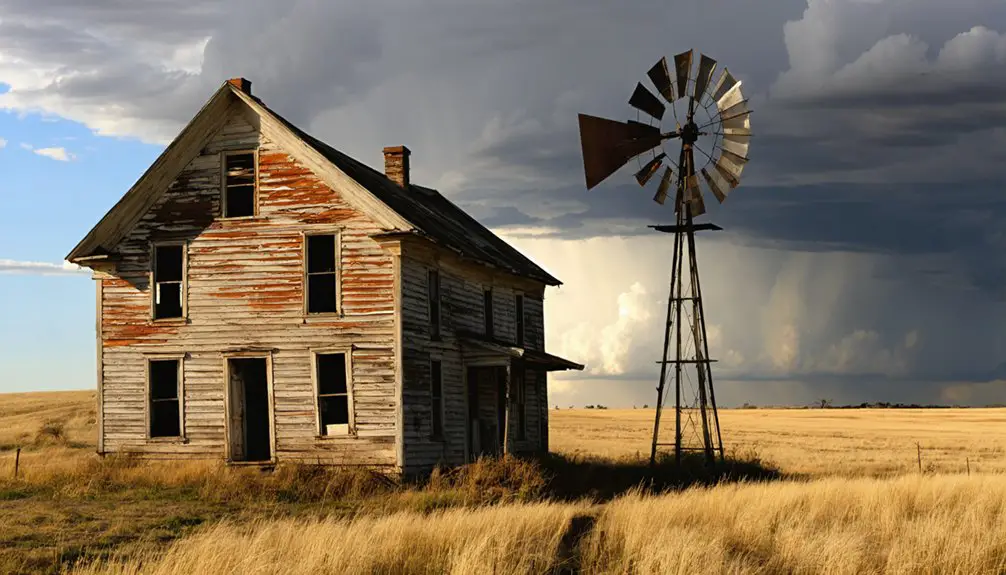
Your dog will love exploring the abandoned homesteads nestled among mature trees that have reclaimed Henry Brockman’s 1899 settlement, creating natural shade and protection from the Plains wind.
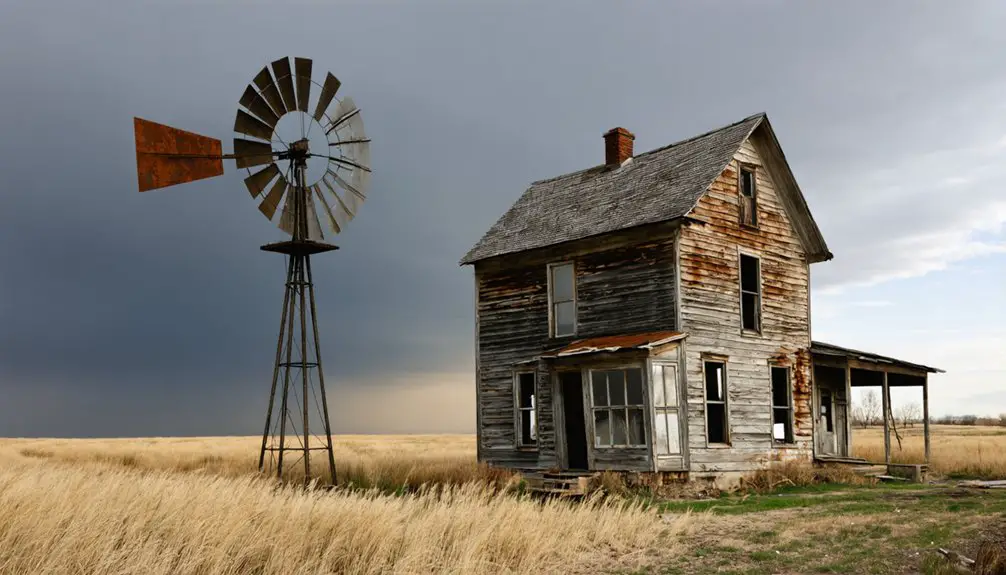
The creepy tornado shelter and leaning structures offer fascinating glimpses into ranch family life, while the lush landscape provides safe off-leash territory away from highway traffic. The foundations visible among the prairie grass evoke the same sense of history found throughout Nebraska’s abandoned settlements. The town’s post office operated until 1957, marking the end of this remote community’s official presence on the map.
Accessing Brocksburg Safely
While Brocksburg’s weathered foundations and crumbling homesteads beckon from the remote northern plains, reaching this ghost town requires careful preparation and respect for the challenging terrain that helped seal its abandonment decades ago.
Your Brocksburg access adventure demands thorough planning and safety precautions to protect both you and your four-legged companion:
- Vehicle preparation – Pack a high-clearance vehicle with spare fuel, tire repair kit, and recovery gear since cell service vanishes and mechanical support doesn’t exist.
- Navigation backup – Download offline GPS tiles before departure as GPS fails near town.
- Weather monitoring – Check forecasts religiously since sudden storms can trap you on impassable dirt roads.
- Dog safety gear – Bring protective booties, leash, and first-aid supplies for paw injuries from rocky debris.
The town’s abandoned buildings have remarkably remained intact over the years, offering visitors a haunting glimpse into frontier life before exploring the surrounding wilderness. Originally laid out by Henry Brockman in the late 1800s, this settlement served the surrounding agricultural community until economic pressures forced its gradual abandonment.
Historical Site Features
Once you’ve navigated the rugged approach roads and stepped onto Brocksburg’s weathered ground, the ghost town’s haunting remnants whisper stories of Henry Brockman’s ambitious 1899 vision that couldn’t withstand the northern plains’ relentless isolation.
You’ll discover architectural remnants scattered beneath protective tree canopies—the old post office that connected families until 1957, a general store that once bustled with ranchers, and that eerily intact tornado shelter.
Each structure holds archaeological significance, representing America’s westward expansion dreams. Your dog can safely explore around the leaning buildings while you photograph homestead foundations emerging from tall grass.
These weathered sentinels tell tales of determined families who briefly called this remote corner home.
Halsey and Fort Halsey: Historic Railroad Heritage
Deep in Nebraska’s Sandhills, where prairie grass once whispered around railroad tracks that carried dreams westward, you’ll discover the scattered remnants of Halsey—a town born from the ambitious 1887 expansion of the Chicago, Burlington & Quincy Railroad.
Named after railroad engineer Halsey E. Yates, this former depot town showcased the profound economic impact of rail lines connecting remote ranching country to distant markets. The railroad expansion transformed isolated prairie into a bustling livestock shipping hub. After a devastating depot fire struck in 1904, the resilient community rebuilt and resurveyed their town, demonstrating the frontier spirit that defined these railroad settlements.
Railroad tracks carved prosperity from prairie isolation, binding Sandhills ranchers to distant markets through steam-powered commerce and frontier ambition.
The community flourished with vibrant social traditions, hosting barn dances almost every Saturday night that brought together railroad workers, ranchers, and their families in celebration of frontier life.
Your exploration reveals:
- Historical marker commemorating the village’s railroad origins and naming story
- Former depot site where cattle cars once loaded Sandhills beef for eastern markets
- Town plat footprints visible in county records and vintage maps from 1915
- Scattered foundation remnants marking where railroad workers and ranchers built their frontier community
Highway 12 Railroad Towns: Homestead-Era Discoveries
You’ll find scattered railroad depot ruins and crumbling foundations along Highway 12’s forgotten homestead towns, where your leashed dog can safely explore these 1870s-1890s settlement remnants.
Most counties maintain relaxed leash laws near these historic sites, but always check local regulations before letting your pup investigate the old grain elevator foundations and residential cellar depressions.
These ghost town discoveries offer perfect photo opportunities as you and your four-legged companion walk among the weathered depot platforms and commercial building ruins that once anchored prairie commerce. Towns like Verdell showcase preserved historical structures including old jails with original barred windows that reflect early frontier law enforcement practices. Many of these settlements were established as the Union Pacific railroad pushed westward from Omaha during the 1860s construction boom.
Railroad Depot Ruins
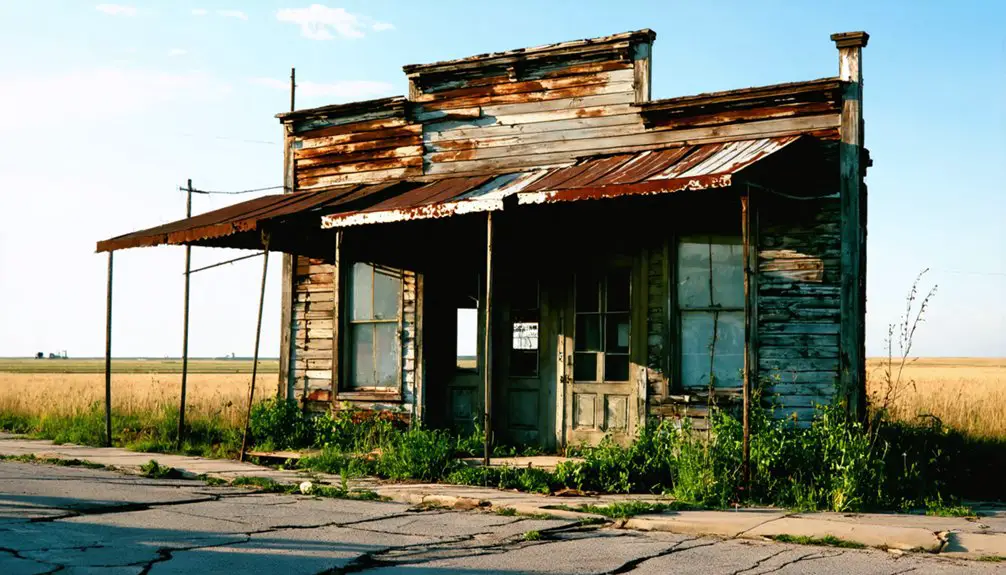
Where weathered concrete foundations peek through prairie grass alongside Highway 12, you’re likely standing at the heart of what was once a bustling railroad town.
These depot ruins reveal the historical significance of Nebraska’s railroad expansion, where depot architecture once defined entire communities.
Your four-legged companion can safely explore these remnants while you discover:
- Stone foundation footprints – rectangular outlines marking where wooden depot buildings once stood
- Raised trackbed traces – linear mounds of ballast and occasional rusted rails threading through grassland
- Scattered artifacts – weathered lumber, iron spikes, and ceramic insulators telling stories of commerce and communication
- Perpendicular road approaches – faint traces of the original depot-centric town layout
Many sites sit on accessible public easements, though private land requires permission.
Bring water for both of you during summer explorations.
Leash Laws Along Highway
Although exploring ghost towns with your dog creates unforgettable memories, traversing the patchwork of leash laws along Highway 12 requires careful planning before you leave home.
County ordinances shift dramatically between jurisdictions—some follow state defaults while others enforce strict local codes. Municipal boundaries create additional complexity as incorporated towns often impose different leash regulations than surrounding areas.
Highway shoulders and scenic pullouts typically require leashed pets for safety reasons, regardless of local enforcement practices. Private homestead ruins demand landowner permission, and most ranchers insist on leashes near livestock.
Smart explorers contact county courthouses or historical societies beforehand to clarify current rules.
Remember: legal liability falls on you if your released dog causes highway incidents, making cautious compliance your smartest strategy.
Historic Town Foundations
Once you’ve sorted out local leash regulations, the real adventure begins among the crumbling foundations where railroad dreams once flourished along Highway 12’s forgotten corridors.
These ghost towns tell stories of ambitious townsite selection and rapid railroad expansion that shaped Nebraska’s prairie landscape.
You’ll discover remnants of calculated prairie settlements:
- Orthogonal street grids where depots anchored Main Street crossings, creating predictable town layouts that maximized land sales.
- Brick store foundations with narrow doorways that housed general stores, banks, and newspaper offices during the 1890s boom.
- Relocated middle-class homes transported from Grand Island, representing the optimism of early homesteaders chasing prosperity.
- Abandoned rail corridors now converted to walking trails, perfect for exploring with your four-legged companion while tracing Chicago & North Western’s vanished empire.
Western Sandhills and Fort Robinson Area Ruins
As you drive west through Grant County’s rolling landscape, you’ll discover the haunting remains of Whitman Settlement, Nebraska’s first foothold in this unforgiving terrain.
The Kinkaid Act‘s promise of agricultural prosperity turned into dust when exposed sand buried dreams and drove farmers away, leaving vast ranches in their wake.
Near Fort Robinson, Whitney’s stone storefront ruins mark where railroad dreams once flourished.
You can explore Mari Sandoz‘s ghostly 1880s homestead beneath Coffee Mill Butte’s shadow, while your dog runs free across endless grassland.
St. Agnes Catholic Church, carved from local sandstone, stands as Whitney’s enduring sentinel.
Harrison offers modern amenities before you venture into Soldier Creek Wilderness.
This Sandhills history reveals nature’s ultimate authority over human ambition.
Safety Considerations for Dogs in Abandoned Settlements
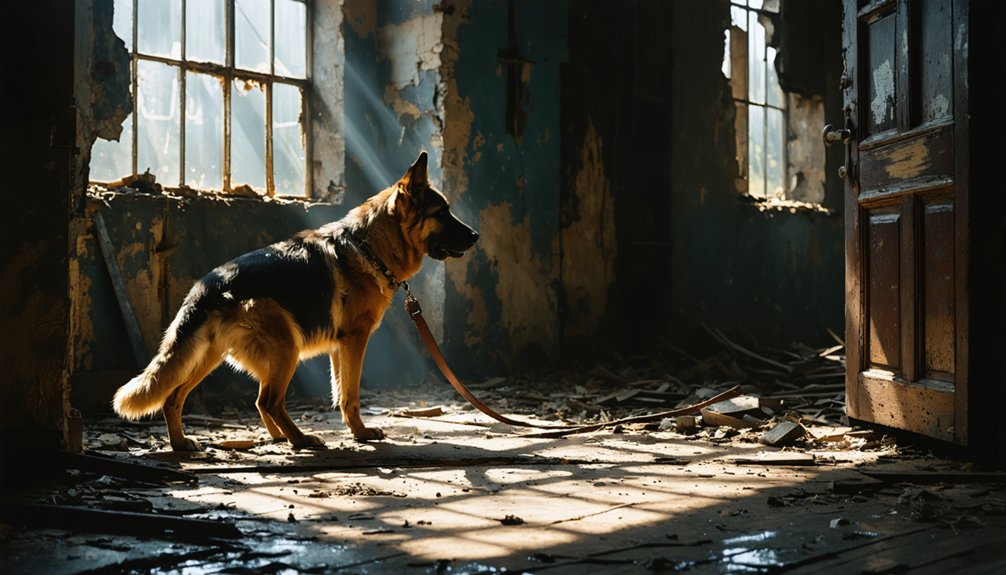
While ghost towns captivate with their weathered stories and endless exploration, they harbor hidden dangers that can transform your dog’s adventure into a veterinary emergency.
In the midst of these eerie landscapes, abandoned towns in Minnesota lakes hold a certain allure, drawing in adventurers eager to uncover their secrets. However, the decaying structures and unpredictable terrain can pose risks for pets who might wander off the beaten path. Careful supervision is essential to ensure a safe experience while exploring these haunting remnants of the past.
These forgotten settlements present unique environmental hazards that demand careful preparation and vigilant supervision to protect your canine companion’s well-being.
Smart preparation safeguards your dog’s health during these off-the-beaten-path adventures:
- Pack emergency supplies – Carry bandages, antiseptic, and styptic powder for treating cuts from rusted metal and broken glass scattered throughout abandoned lots.
- Maintain leash control – Prevent falls into hidden cellars, old wells, and uncovered cisterns that pose serious entrapment risks.
- Update vaccinations – Guarantee current rabies and leptospirosis protection before exploring areas with standing water and wildlife encounters.
- Research veterinary access – Identify nearest emergency clinics since ghost towns typically lack immediate medical services.
Pet-Friendly Accommodations and Regional Amenities
Beyond the ruins and weathered foundations, your ghost town expedition requires comfortable basecamp options that welcome four-legged explorers. Fort Robinson State Park delivers with leashed-pet campgrounds and trail access through historic buildings that mirror authentic ghost town atmospheres.
You’ll find many lodging rentals accommodate pets directly, eliminating accommodation headaches.
Omaha’s US Ghost Adventures runs nightly dog-friendly tours year-round without additional pet fees, teaching valuable ghost tour etiquette before venturing into abandoned settlements.
Highway 12’s forgotten towns feature nostalgic parks where local dogs roam freely, signaling community pet tolerance.
While pet friendly dining options remain limited in remote areas, Verdell Town Park’s liberated playground atmosphere and mobile gas stations provide essential road trip stops for refueling both vehicle and adventure spirit.
Legal Requirements and Property Access Guidelines
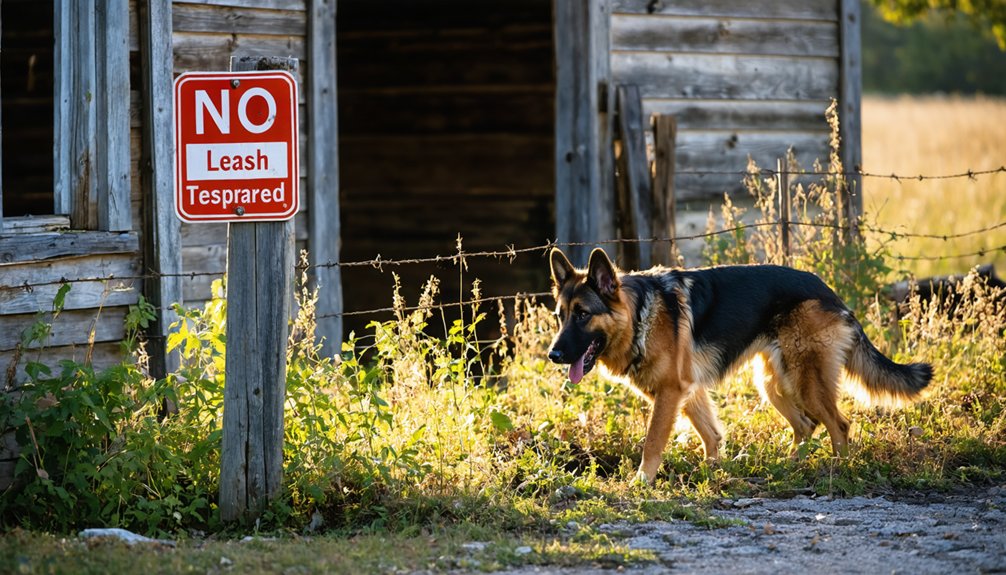
Before you and your canine companion step onto crumbling boardwalks or peer through broken windows, Nebraska’s complex web of property laws determines where you can legally explore. Understanding property rights and access guidelines protects both you and landowners from legal complications.
- Pioneer Cemetery Access – You’re legally entitled to visit historic cemeteries on private land under Statute 12-808.01, though courtesy calls to owners demonstrate respect.
- Abandoned Property Recognition – Look for indicators like broken windows, discontinued utilities, and unpaid taxes when identifying truly abandoned structures.
- Public Recreational Areas – Cities must provide open access to designated recreational properties, making these your safest exploration zones.
- Road Vacation Laws – County road abandonment procedures affect access routes, so verify current road status before planning your adventure.
Photography Tips and Historical Research Resources
How do you capture the haunting beauty of weathered wood and rusted metal while your dog explores the remnants of Nebraska’s forgotten communities?
Start with establishing wide shots of grain elevators and main streets to communicate scale, then move to intimate details like peeling paint and weathered signage. Your furry companion’s natural curiosity will lead you to human-scale elements—porch steps, abandoned bottles, rusted vehicle badges—that tell stories without requiring people in frame.
Master photographic techniques using wide-angle lenses for expansive plains views and medium telephoto for architectural details. Bracket exposures to preserve bright sky highlights while retaining shadow detail.
Research historical significance through railroad maps and aerial imagery before visiting. Document privately but avoid publishing exact coordinates.
Let your dog’s instincts guide discoveries while you preserve these stories through respectful, conservation-minded photography.
Frequently Asked Questions
What Vaccinations Should My Dog Have Before Visiting Nebraska Ghost Towns?
Your dog vaccinations should include rabies, distemper, parvovirus, and leptospirosis before exploring Nebraska’s forgotten places. Ghost town safety demands protection against wildlife diseases lurking in abandoned buildings and contaminated water sources.
Are There Veterinary Clinics Near Remote Ghost Town Locations in Nebraska?
Veterinary services aren’t readily available near Nebraska’s remote ghost towns. You’ll need to travel 20-50 miles to reach emergency care in larger towns like Beatrice, North Platte, or Grand Island for pet emergencies.
Can I Bring My Dog Inside Historic Buildings at Ghost Town Sites?
Picture disappointment crushing your adventure dreams—you can’t bring your dog inside historic buildings at ghost town sites. Dog policies strictly restrict building access, but you’ll find freedom exploring outdoor areas together instead.
What Should I Pack for My Dog During Ghost Town Visits?
Pack essential dog gear including a sturdy leash, first-aid kit, plenty of water, protective booties for debris-covered ground, and travel essentials like waste bags—you’ll navigate abandoned sites safely together.
Are There Dog Waste Disposal Facilities Available at Nebraska Ghost Towns?
Like tumbleweeds rolling through forgotten streets, you’ll find no waste stations in Nebraska’s ghost towns. Pack bags and follow dog park regulations—carry-out methods become your freedom from leaving traces behind.
References
- https://www.thetravelpockets.com/new-blog/dog-friendly-calico-ghost-town
- https://www.bringfido.com/attraction/tours/state/nebraska/
- https://www.youtube.com/watch?v=A-_a_npBI0o
- https://visitnebraska.com/trip-idea/explore-7-authentic-ghost-towns-nebraska
- https://www.tripadvisor.com/Attractions-g28948-Activities-c47-t14-Nebraska.html
- https://www.gopetfriendly.com/blog/nebraskas-top-pet-friendly-attraction-fort-robinson-state-park/
- https://www.youtube.com/watch?v=q1Bww945Vhc
- https://www.tripadvisor.com/Attractions-g45745-Activities-c47-t14-Ogallala_Nebraska.html
- https://www.onlyinyourstate.com/trip-ideas/nebraska/ne-ghost-towns-road-trip
- https://everafterinthewoods.com/these-deserted-ghost-towns-in-nebraska-are-full-of-history-and-mystery/