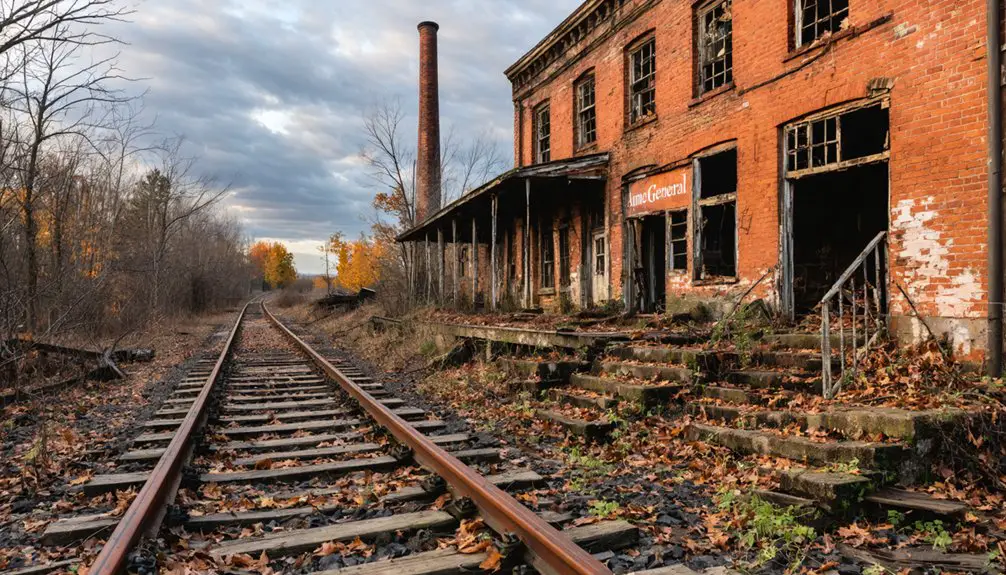
Pennsylvania’s ghost towns offer you and your furry companion unforgettable adventures through history’s remnants. You’ll explore Yellow Dog Village‘s 1910s limestone mining ruins where farm animals still roam, or trek the 32-mile Ghost Town Trail through abandoned settlements like Wehrum and Bracken. Keep your dog leashed while maneuvering through crumbling structures and weathered foundations that tell stories of bygone eras. With proper planning for hydration and safety, these atmospheric locations become outdoor museums where every step reveals forgotten chapters.
Key Takeaways
- Pennsylvania’s ghost towns offer unique historical exploration opportunities with preserved architecture and scenic landscapes perfect for walking with leashed dogs.
- Yellow Dog Village features 1910s limestone mining remnants and requires $30 advance tour booking via Facebook for monthly guided visits.
- The 32-mile Ghost Town Trail passes through historical sites like Wehrum, Bracken, and Armerford, providing extensive dog-walking opportunities.
- Dogs must remain leashed due to uneven terrain, crumbling structures, exposed nails, and potential wildlife encounters in these locations.
- Essential preparations include carrying water, waste bags, first aid supplies, and researching specific dog-friendly policies before visiting.
Yellow Dog Village: a Living Time Capsule With Farm Animals
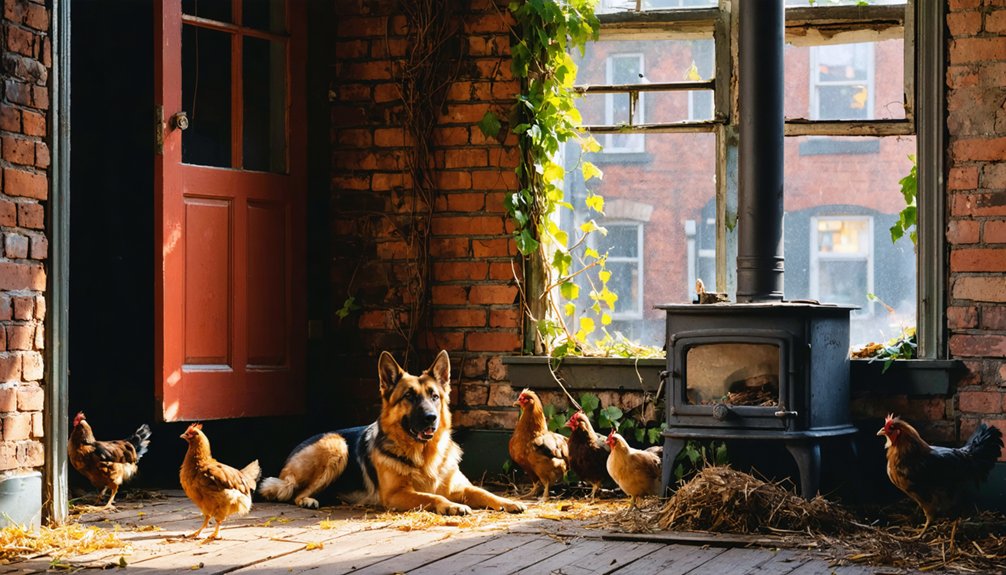
Nestled in a Pennsylvania valley where Buffalo Creek winds between overgrown lots, Yellow Dog Village sits frozen in time like a sepia photograph come to life.
You’ll discover moss-covered roofs and broken windows where limestone miners once called home, their abandoned architecture telling stories of yellow dog contracts and company-town life from the 1910s.
Your leashed companion can safely explore the outdoor areas while you admire original pantries visible through doorways and the hilltop manager’s house overlooking crumbling playgrounds.
Well-behaved dogs on leashes can wander the grounds while their owners peek into doorways and survey the valley from above.
At its operational peak, the local mine produced 3,500 tons of limestone daily before the Great Depression forced its closure in 1952.
Current owners embrace historical preservation through guided tours, transforming this ghost town into a living museum where farm animals now graze among the ruins, creating an unexpectedly peaceful atmosphere for you and your dog.
The village later became known as Shadyside Village when residents found other work in the surrounding area after the mines permanently closed in the 1950s.
Exploring Pennsylvania’s Most Complete Ghost Town Safely With Pets
Why venture into Pennsylvania’s most complete ghost town with your four-legged explorer when easier trails beckon elsewhere? Because Yellow Dog Village offers an unmatched journey through preserved time—intact homes with original pantries, forgotten fixtures, and streets frozen in history. Your dog experiences authentic scents and textures unavailable anywhere else.
Essential safety precautions include keeping your pup leashed throughout the site’s uneven terrain and crumbling structures. Watch for exposed nails, unstable floors, and overgrown vegetation harboring ticks. Since farm animals roam these preserved grounds, maintaining control prevents dangerous encounters between livestock and curious canines.
Proper pet etiquette demands carrying out all waste to protect archaeological deposits. Pack emergency supplies—cell coverage remains spotty, and veterinary care lies miles away. The site also implements verification measures to ensure legitimate visitors access the historical grounds while maintaining preservation standards.
This adventure rewards prepared explorers with unfiltered glimpses into Pennsylvania’s vanished communities. Nearby pet-friendly accommodations like Comfort Inn Ebensburg provide convenient lodging just minutes from historical exploration sites.
Ghost Town Trail and Other Dog-Friendly Abandoned Sites
Where Pennsylvania’s Ghost Town Trail stretches across 32 miles of crushed limestone, you and your dog can trace the footsteps of coal miners through a landscape dotted with actual ghost towns.
You’ll discover remnants of Wehrum, Bracken, and Armerford—places where families once lived and worked before abandonment claimed them. This national recreation trail was established in 1991 as part of the Industrial Heartland Trails Coalition’s extensive network.
Dog Safety essentials for exploring these Ghost Towns:
- Keep your companion leashed near rusted railcars and unstable foundations.
- Check paws regularly on hot limestone surfaces during summer hikes.
- Carry water for both of you—trailheads at Dilltown and Nanty Glo offer fountains.
- Stay alert for wildlife encounters, including documented black bear sightings.
The Eliza Furnace at Vintondale provides perfect photo opportunities where industrial history meets your adventure. The trail’s location in the Blacklick Creek valley offers scenic mountain streams alongside the historical remnants.
You’re free to explore at your own pace through this authentic landscape.
Planning Your Visit: Tours, Camping, and Pet Accommodations
While most ghost towns leave you wandering crumbling streets alone, Pennsylvania’s abandoned settlements offer structured experiences that welcome both you and your four-legged explorer.
haunting experiences in Centralia invite adventurers to explore the remnants of a community consumed by an underground coal fire. With trails leading through eerie landscapes and lingering echoes of the past, visitors can connect with the history and tragedy that shaped this unique place. The juxtaposition of nature reclaiming the land against the backdrop of abandoned infrastructure adds to the intrigue for all who dare to wander.
Yellow Dog Village requires advance tour booking through their Facebook page, with $30 monthly tours funding historic preservation efforts. You’ll sign waivers before exploring crumbling pantries and village remains alongside mascot sheep Aloosh. Their camping grounds let you overnight among farm animals on this private property near Kittanning.
Monthly tours at Yellow Dog Village combine historic preservation with farm animal encounters, requiring Facebook booking and overnight camping options near Kittanning.
Pet policies vary by location—Gettysburg’s battlefield welcomes leashed dogs for self-guided exploration, while Civil War Ghosts offers evening paranormal tours accommodating pets. Your dog may serve as both emotional support and alert system during these spine-tingling adventures through historically significant locations. After exploring these historic sites, consider extending your Pennsylvania adventure to nearby Gettysburg National Military Park where leashed pets can accompany you through most park areas.
Advanced registration guarantees access to Yellow Dog’s electric-fenced property, while Gettysburg sites remain open for spontaneous daytime adventures with your canine companion.
Beyond Pennsylvania: Nearby Pet-Friendly Historic Destinations
Pennsylvania’s historic destinations offer just the beginning of your adventure with your canine companion. The surrounding region beckons with remarkable pet friendly trails and enchanting historic sites where you’ll discover forgotten stories together.
Your exploration options extend far beyond state borders:
- New Jersey’s Batsto Village – Navigate 18th-century ironworks ruins through Pine Barrens wilderness.
- Delaware’s Fort Delaware – Ferry to Pea Patch Island’s Civil War fortress with your leashed explorer.
- New York’s Hudson Valley – Trek abandoned mining towns and riverside ghost settlements.
- Maryland’s Antietam Battlefield – Follow eight miles of Civil War history through hallowed grounds.
Each destination promises authentic encounters with America’s forgotten chapters.
You’ll walk cobblestone streets, explore crumbling foundations, and witness nature’s reclamation of human ambition while your dog experiences new scents and terrains across this historically rich corridor. For a truly immersive experience back in Pennsylvania, venture onto the Appalachian Trail where 230 miles of historic pathways wind through landscapes that have witnessed centuries of American history. Remember to pack collapsible bowls and plenty of water to keep your companion hydrated during these extended historical explorations.
Frequently Asked Questions
Are Dogs Allowed to Interact With the Farm Animals Like Sheep and Goats?
No explicit permissions exist for dog interactions with farm animals. You’ll need to contact the owners directly about farm etiquette before your visit, as livestock safety takes priority over released exploration.
What Vaccinations Does My Dog Need Before Visiting Yellow Dog Village?
Your dog needs rabies, DAPP, Bordetella, and leptospirosis vaccines before exploring Yellow Dog Village’s wild terrain. These vaccination requirements and health precautions protect against diseases lurking in abandoned structures and contaminated streams.
Can Dogs Enter the Historic Homes During the Self-Guided Tours?
Dogs can’t enter historic home interiors during self-guided tours due to dog policies protecting artifacts and structural safety. You’ll explore atmospheric exteriors and grounds at these historic sites while your companion stays outside.
Are There Veterinary Services Available Near Yellow Dog Village for Emergencies?
When push comes to shove, you’ll find emergency clinics scattered throughout rural Pennsylvania’s countryside. Local veterinarians like Tri-County in Loysville offer seven-day emergency services until 8 p.m., ensuring your adventurous companion stays healthy.
What’s the Best Time of Year to Visit With Dogs?
Fall’s your perfect window when autumn leaves create shaded paths and crisp 40-60°F temperatures keep paws comfortable. You’ll dodge summer adventures’ heat stress while enjoying clear creek views and reduced vegetation growth.
References
- https://pabucketlist.com/exploring-yellow-dog-village-pennsylvanias-best-ghost-town/
- https://www.tripswithpets.com/twp-blog/10-unique-pet-friendly-day-trips-in-pennsylvania
- https://uncoveringpa.com/yellow-dog-village
- https://yellowdogvillage.com
- https://www.bringfido.com/attraction/5412
- https://www.youtube.com/watch?v=KV_TBcF2lec
- https://www.youtube.com/watch?v=NDqOHWowJSY
- https://abandonedphotos.com/abandoned-yellow-dog-mining-village-a-western-pa-ghost-town/
- https://yellowdogvillage.com/villagehistory
- http://www.robvaughnphoto.com/blog/2018/11/7/yellow-dog-village