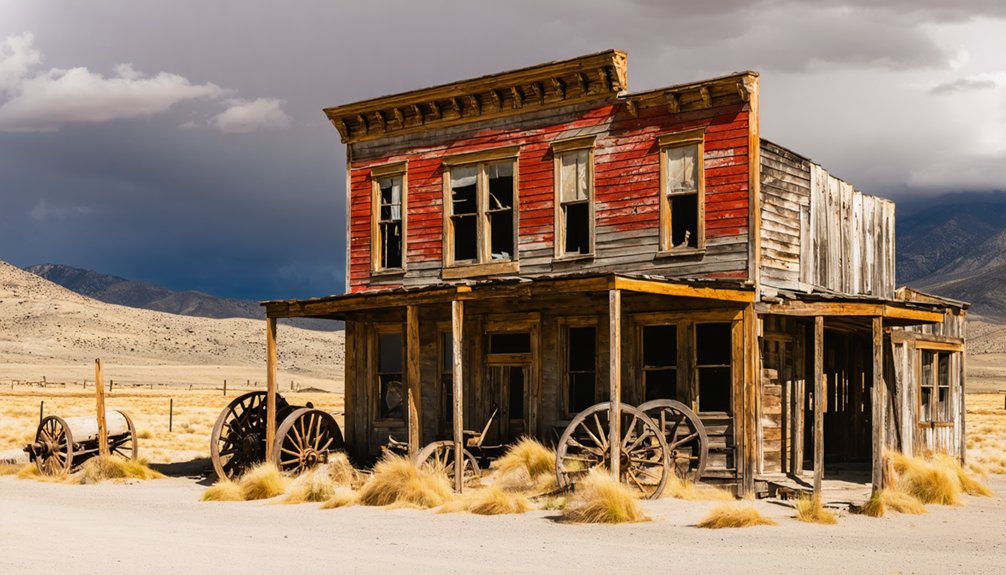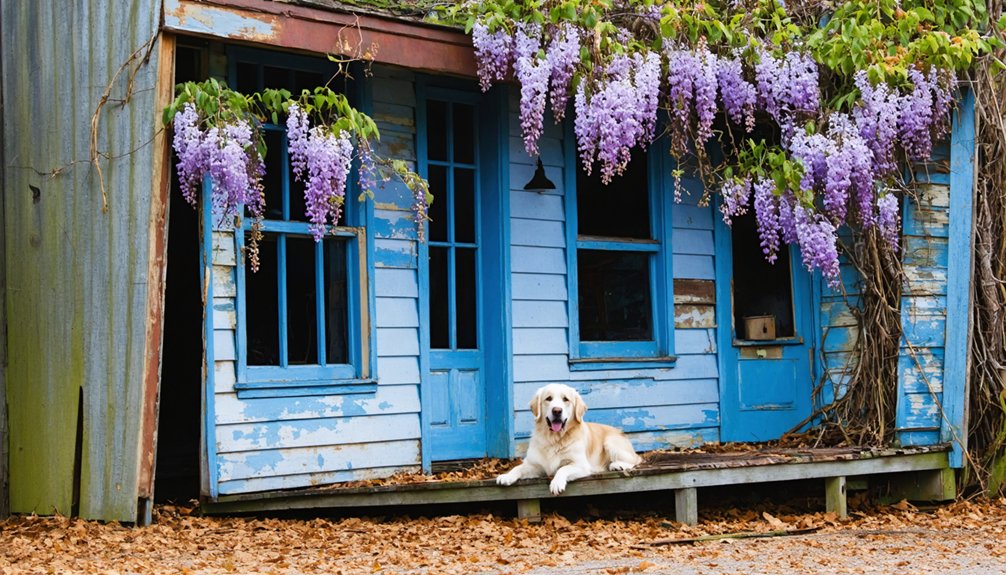
You’ll find Southern ghost towns like Savannah’s moonlit Forsyth Park and Charleston’s haunting Battery district welcome your leashed companion for spine-tingling adventures through centuries-old mysteries. New Orleans’ French Quarter beckons midnight strolls past Jackson Square’s ghostly legends, while San Antonio’s River Walk offers supernatural encounters near ancient missions. Though crumbling foundations and strict six-foot leash requirements demand careful navigation, these historic destinations provide unforgettable experiences where your dog can explore alongside restless spirits and discover the secrets that proper planning reveals.
Key Takeaways
- Charleston’s Battery Park and Savannah’s Forsyth Park offer ghostly explorations with leashed dogs in historic Southern settings.
- New Orleans’ French Quarter allows midnight strolls with dogs through haunted Jackson Square for supernatural adventures.
- San Antonio’s River Walk provides spine-tingling dog-friendly walks past haunted missions along the scenic waterway.
- Most Southern ghost towns require 6-foot leashes and restrict dogs from historic building interiors for safety reasons.
- Savannah’s ghost tours accommodate well-behaved dogs, while Chattanooga and Asheville offer pet-friendly dining and accommodations nearby.
Top Southern Ghost Towns That Welcome Your Four-Legged Companions
While most ghost towns leave your furry companion howling at locked gates, the South’s most haunted destinations roll out the red carpet for both you and your four-legged detective.
Charleston’s cobblestone streets echo with phantom footsteps as you and your leashed pup explore Battery Park‘s ghostly mansions.
In Savannah, those famous squares transform into supernatural playgrounds where proper leash training becomes essential—you’ll need control when spirits start stirring around Forsyth Park‘s ancient oaks. The city’s notorious pirate activity from the 1700s adds an extra layer of maritime mystery to your evening walks.
New Orleans’ French Quarter welcomes midnight strolls through Jackson Square, while San Antonio’s River Walk offers spine-tingling adventures past haunted missions.
These dog friendly attractions understand that paranormal investigations work best with a loyal companion sniffing out spectral clues alongside you. Many locations charge reasonable fees, with some requiring just an admission fee for adults while allowing dogs to explore the haunted grounds completely free of charge.
Essential Safety Precautions for Dogs Exploring Historic Sites
Ghost towns hold secrets beneath their weathered facades, but crumbling foundations and rusted metal fragments can slice paw pads faster than you’d expect.
I learned this lesson watching my Border Collie limp away from an abandoned mining shaft, reminding me that rattlesnakes and abandoned wells don’t distinguish between curious tourists and four-legged explorers.
You’ll need to scan every step for broken glass, exposed nails, and wildlife that’s claimed these forgotten places as home. Keep your dog on a six-foot leash at all times to maintain control and prevent them from wandering into dangerous areas or disturbing any remaining wildlife habitats. Many historic sites prohibit dogs entirely to preserve their cultural integrity, so verify access policies before making the trek.
Hazardous Terrain and Structures
Three crumbling brick chimneys pierce the Montana sky like broken fingers, their bases surrounded by a treacherous maze of rotted floorboards and rusted mining equipment that’s claimed more than one unsuspecting explorer’s boot—and could easily trap or injure your four-legged companion.
Smart terrain navigation means keeping your dog leashed around these skeletal remains where concealed mine shafts and unstable foundations create deadly pitfalls. Structure safety becomes critical when sagging roofs and missing support beams threaten sudden collapse.
I’ve watched seasoned hikers misjudge weakened boardwalks that couldn’t support additional canine weight. Weather accelerates this decay—those charming wooden facades become splintered death traps after storms. Hurricane damage can devastate historic sites with little warning, leaving behind concealed hazards that weren’t present during your last visit.
Park officials routinely block access to unstable sections where deteriorating structures pose immediate safety risks to visitors and their pets. Respect posted barriers and maintain conservative distances from cliff edges where seasonal erosion creates surprise drop-offs that could prove fatal.
Wildlife and Health Risks
Beyond the obvious structural dangers lurk invisible threats that could turn your ghost town adventure into a veterinary emergency.
Wildlife safety becomes paramount when exploring these forgotten places where nature’s reclaimed its territory. You’ll encounter venomous snakes hiding in tall grass and rock piles—keep your dog on clear paths and maintain leash control around potential dens.
Health precautions extend beyond visible dangers. Zoonotic diseases spread through contact with wild mammals like raccoons and foxes, while tick-borne pathogens lurk in brushy edges.
Standing water harbors leptospirosis, and contaminated soil carries gastrointestinal parasites from decades of animal waste. Bird guano in abandoned structures releases fungal spores that threaten respiratory health. Dogs can inhale particulate matter from dust and debris in these environments, which may accumulate in their lungs over time. Abandoned pets and exotic animals released in these areas can introduce unfamiliar diseases to local ecosystems that pose additional health risks to your dog.
Pack tick prevention, verify rabies vaccinations, and avoid stagnant water to protect your four-legged explorer.
Leash Laws and Access Requirements at Ghost Town Attractions
You’ll discover that every ghost town operates under strict leash requirements, whether you’re wandering the dusty main street of Bodie or exploring the weathered boardwalks of Calico—your four-legged companion must remain tethered at all times in public areas.
While you can freely stroll through outdoor plazas and picnic spots with your leashed dog, those fascinating historic buildings, museum interiors, and gift shops remain off-limits to pets, creating a frustrating dance of deciding who stays outside during indoor explorations.
Local rangers don’t mess around when it comes to enforcement either—I’ve watched visitors receive hefty citations for letting their dogs roam free, even in seemingly deserted areas where municipal codes still apply with full force. Remember that unstable buildings can pose serious risks to curious canines, so keeping them leashed protects both your pet and these fragile historical structures.
Many ghost towns throughout the South benefit from the region’s welcoming culture toward pets, making these historical adventures more enjoyable for traveling families with dogs.
One of the best ways to explore these ghost towns is by finding dogfriendly spots in New Mexico where pets are welcome. Families can stroll through the remnants of the past while their dogs enjoy the open spaces and fresh air. With plenty of pet-friendly accommodations available, it’s easy to make these towns a part of your next adventure.
Universal Leash Requirements
When you’re planning to explore abandoned mining camps or forgotten frontier settlements with your four-legged companion, you’ll quickly discover that leash laws create a patchwork of regulations as varied as the ghost towns themselves.
Southern states like Alabama, Florida, Georgia, Louisiana, and Texas delegate leash authority to local jurisdictions, meaning you’ll encounter different rules at each weathered destination. While some counties mandate six-foot leashes in public spaces, others leave enforcement entirely to municipal discretion.
Understanding leash significance becomes essential when you’re traversing crumbling structures and unstable terrain. Leash safety protects your dog from hidden hazards like rotting floorboards, rusty nails, and abandoned mining shafts.
Since ghost town attractions lack uniform regulations, you’ll need to research specific county ordinances before your adventure begins.
Building Access Restrictions
Most ghost town attractions operate under a dual system where outdoor exploration welcomes your leashed companion, but weathered building interiors remain off-limits due to structural dangers and preservation concerns.
You’ll discover that Calico Ghost Town breaks convention by allowing dogs inside shops, restaurants, and even old gold mine attractions—a rare treat for adventure-seeking pet owners.
Building access considerations vary dramatically between destinations, with Sleepy Hollow’s Tarrytown House specifically excluding interior access while maintaining open pathways.
Your furry explorer can roam Goldfield’s outdoor exhibits freely, but most restored buildings maintain strict no-pet policies.
Understanding these pet behavior expectations before arrival prevents disappointment and guarantees you maximize your ghostly adventures within each location’s unique boundaries.
Municipal Code Compliance
Before stepping onto the dusty pathways of Nevada’s Goldfield Historic Park with your four-legged companion, understand that municipal codes treat these weathered attractions as public parks—complete with enforceable leash requirements that can hit your wallet with $25-$250 fines if ignored.
Rangers don’t mess around with leash enforcement here; that 4-6 foot tether isn’t a suggestion. Ghost towns managed by counties operate under strict pet policies that’ll keep you both out of crumbling mine shafts and historic buildings.
Your pup can explore sun-baked streets and weathered storefronts, but those fascinating interiors remain off-limits. Pack waste bags—pooper-scooper violations start at $50.
Check site-specific ordinances before arriving; some locations ban pets during festivals or peak tourist days when narrow boardwalks become congested.
Pet-Friendly Amenities and Services at Historic Destinations
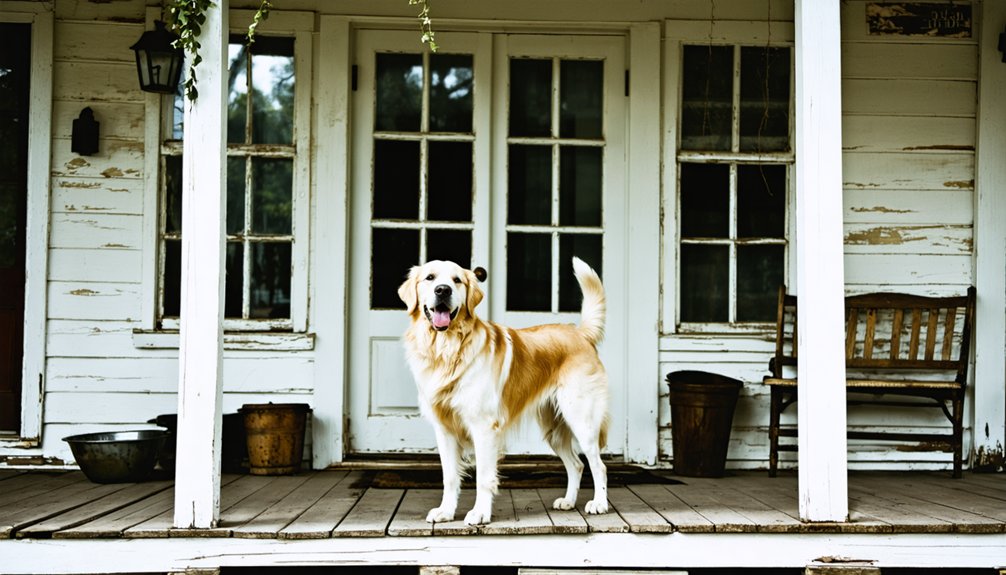
While exploring America’s most haunting historic destinations, you’ll discover that many ghost towns and eerie locales have embraced four-legged visitors with surprising warmth.
Calico Ghost Town’s 33-building site welcomes leashed dogs through original structures and old gold mine attractions, where you’ll experience authentic Wild West atmosphere alongside your companion.
Step back in time with your four-legged explorer through authentic Wild West ruins and abandoned mining corridors.
Savannah’s pet friendly attractions extend beyond typical tourist spots—ghost tours accommodate well-behaved dogs as you uncover centuries of historical significance through moonlit squares and mysterious riverfront areas.
These destinations understand that freedom includes traveling with your loyal companion.
From Chattanooga’s North Shore brewery patios offering water bowls to Asheville’s Highland Brewing welcoming outdoor dining with pets, you’ll find genuine hospitality.
Even accommodations like Thunderbird Inn and Asheville East KOA provide reasonable pet fees, ensuring your adventures aren’t constrained by leaving family members behind.
Behind the romantic façade of weathered buildings and rusted mining equipment lies a dangerous reality that can turn your ghost town adventure into a nightmare. Those sagging roofs and leaning walls aren’t just photogenic—they’re death traps waiting to collapse on you and your four-legged companion.
I learned this lesson watching my neighbor’s retriever nearly disappear into an overgrown mine shaft outside Goldfield.
These terrain hazards are everywhere: hidden vertical drops, rusty metal debris, and structural instability that makes century-old buildings into ticking time bombs.
Keep your dog leashed always, maintain building-length distances from structures, and pack protective booties for paws.
Nevada alone records fifty-plus injuries from abandoned mines. Your freedom to explore shouldn’t cost your dog’s life.
Wildlife Encounters and Health Preparations for Ghost Town Visits
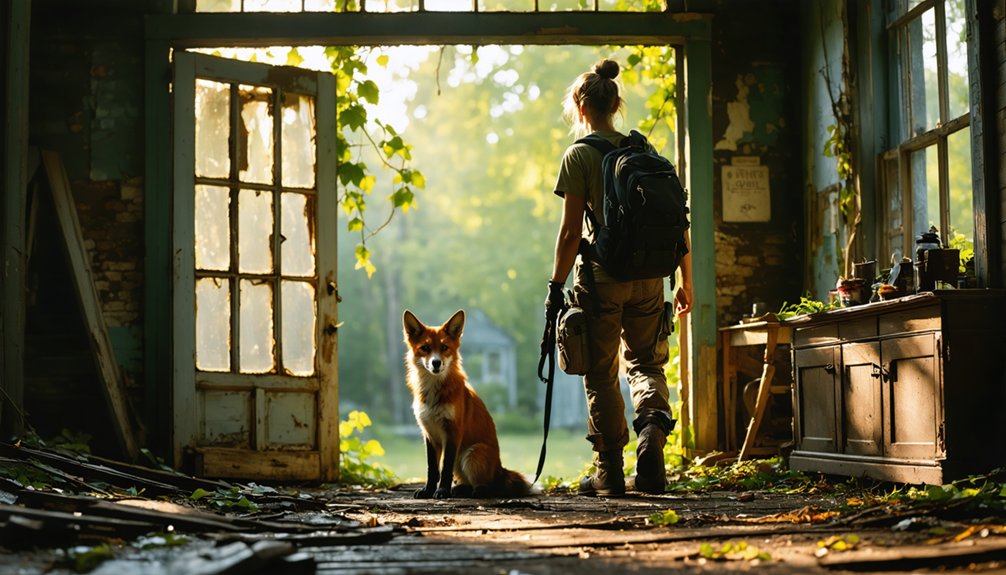
Though ghost towns may appear lifeless, they’re actually thriving ecosystems where displaced wildlife has reclaimed human spaces with surprising boldness.
You’ll encounter raccoons denning in crumbling cabins, venomous snakes coiled beneath rotting porches, and alligators lurking in abandoned Gulf Coast canals. I’ve watched cottonmouths slither from foundation cracks while exploring a Mississippi Delta settlement, reminding me that wildlife safety isn’t optional—it’s survival.
Before venturing out, verify your dog’s rabies and core vaccinations are current.
Pack tick prevention and check for leptospirosis risks near standing water. Spring through early fall brings peak reptile activity, while dawn and dusk awaken nocturnal predators.
Health precautions extend beyond vaccines; carry first aid supplies and plan your escape routes. These forgotten places belong to the wild now.
Dog-Welcoming Ghost Tours and Haunted Walking Experiences
After maneuvering through the wild residents of forgotten settlements, you’ll discover that some ghost towns offer structured experiences where your four-legged companion can join the supernatural hunt.
These pet friendly attractions transform historic streets into spine-tingling adventures where ghostly encounters become shared memories with your canine explorer.
Southern destinations embrace this freedom-loving approach to paranormal tourism:
- Savannah’s Moonlit Adventures – Blue Orb Ghost Tours welcome leashed dogs through cobblestone squares, while Spirits Dark Nights offers 90-minute explorations where your pup can sense supernatural presences alongside you.
- Charleston’s Historic Haunts – Old Charleston Ghost Tours encourage nighttime spirit-chasing with dogs through Victorian districts and ancient cemeteries.
- Arkansas Spontaneity – Hot Springs requires no reservations, letting you and your companion discover haunted history whenever wanderlust strikes.
Pet-Friendly Lodging Options Near Historic Ghost Towns

When twilight settles over weathered mining camps and crumbling saloons, you’ll need sanctuary that welcomes both you and your four-legged ghost hunter.
Pet friendly rentals through Airbnb and VRBO offer authentic experiences near abandoned settlements, with fenced yards perfect for evening walks after investigating mysterious ruins.
National chains like La Quinta and Red Roof Inn provide reliable shelter with minimal pet fees, while boutique historic hotels embrace dog friendly policies with designated rooms and canine amenities.
Smart wanderers research veterinary clinics before venturing into remote territories.
BLM dispersed camping costs nothing but demands self-reliance—pack water and waste bags for primitive sites.
State park cabins near mining towns balance comfort with adventure access.
Always declare your companion upfront; surprise pet reveals trigger hefty cleaning fees that’ll drain your exploration fund faster than a prospector’s last strike.
Legal Compliance and Preservation Etiquette for Dog Owners
When you step through the weathered gates of places like Bodie State Historic Park, you’re entering a carefully preserved time capsule where your furry companion becomes subject to strict leash requirements and building restrictions that protect both artifacts and atmosphere.
Your dog’s paws can’t cross the threshold of the old Stamp Mill or Museum, but they’ll love exploring the dusty streets where mining boots once echoed—just remember you’ll need proof of rabies inoculation and a cleanup bag in hand.
These regulations aren’t just bureaucratic red tape; they’re the invisible fence that keeps these ghost towns authentic for future visitors while ensuring your adventure doesn’t end with impoundment fees or citations.
Historic Site Regulations
Before you step through the weathered gates of any ghost town, you’ll need to navigate a maze of regulations that protect both the crumbling adobe walls and the delicate ecosystem surrounding them.
Your furry companion can explore these haunting landscapes, but strict dog etiquette guarantees these sites survive for future adventurers. Preservation practices aren’t just bureaucratic red tape—they’re what keep these stories alive.
Essential regulations you’ll encounter:
- Leash requirements – Keep your dog on a 6-foot leash at all times, staying clear of historic buildings, museums, and food areas where paws aren’t welcome.
- Waste management – Pack out everything you bring in, including dog waste, to preserve these fragile landscapes.
- Restricted zones – Respect off-limits areas like resource protection zones and interior spaces where only service animals roam freely.
Wildlife Protection Requirements
While your dog’s nose twitches at the scent of prairie dogs scurrying through abandoned mine shafts, you’re responsible for guaranteeing these ghost town ecosystems remain undisturbed sanctuaries where wildlife can thrive.
Your freedom to explore with your four-legged companion comes with respect for wildlife conservation laws that protect vulnerable species inhabiting these forgotten places.
Keep dogs leashed around nesting areas where endangered species might shelter in crumbling foundations or weathered structures. That barn owl perched in the old saloon’s rafters? It’s federally protected.
Those snake tracks near the schoolhouse could belong to threatened species requiring permits for any disturbance.
Smart ghost town adventurers understand that preserving these wild havens guarantees future generations can witness the same magical intersection of human history and nature’s resilience.
Municipal Leash Laws
Although ghost towns might feel like lawless frontiers where your pup can roam wild and free, municipal leash laws still govern these historic sites with the same authority they’d wield on Main Street.
These municipal regulations aren’t just bureaucratic red tape—they’re your ticket to accessing these incredible places without hassle.
Smart explorers know that leash enforcement keeps everyone safe while preserving your freedom to wander. You’ll find these rules protect both your adventure and the site’s integrity.
Here’s what savvy ghost town visitors do:
- Check local ordinances before arriving—each town’s code varies greatly
- Keep three dogs maximum per person to stay compliant with most regulations
- Respect private property boundaries even in seemingly abandoned areas
Following these guidelines guarantees you’ll keep exploring without legal complications.
Planning Your Ghost Town Adventure With Advance Reservations
Three months ahead of my planned October visit to Bodie State Historic Park, I learned the hard way that ghost towns aren’t just haunted by spirits—they’re also haunted by fully booked campgrounds and sold-out pet-friendly cabins.
Smart advance reservations became my saving grace for exploring Southern ghost towns with my adventure-seeking pup.
Planning ahead with your four-legged explorer unlocks hidden gems that spontaneous travelers miss in America’s most elusive destinations.
Peak fall seasons demand 30-90 day booking windows, especially for pet-friendly accommodations with limited inventory.
I’ve discovered that guided mine tours sell out fast when group sizes stay small, and special ghost tours vanish quicker than phantom apparitions after announcements drop.
These essential travel tips transformed my spontaneous wanderlust into strategic planning: confirm municipal reservation policies, verify leash rules for each site, and book immediately when pet-friendly properties release availability.
Your freedom to explore depends on securing your spot first.
Frequently Asked Questions
What Should I Do if My Dog Gets Injured at a Remote Ghost Town?
Ninety percent of pet emergencies happen when you’re least prepared. You’ll need your dog’s first aid kit immediately—clean wounds, stabilize injuries, contact emergency veterinary services, then signal for help using three whistle blasts.
Are There Age or Size Restrictions for Dogs at Historic Attractions?
Most historic attractions don’t impose dog size restrictions or age limits. You’ll find historic site regulations focus on leash requirements rather than your pup’s dimensions, letting freedom-loving explorers bring companions of any size to experience America’s haunting past together.
Can I Bring Multiple Dogs to Ghost Town Sites Simultaneously?
You can, but check site-specific limits first. Multiple dog management becomes tricky on narrow boardwalks and around mining hazards. Practice solid dog park etiquette—keep them leashed, hydrated, and under control while exploring.
What Happens if Weather Forces Ghost Town Closures During My Visit?
Ironically, “dead” towns can’t die twice from storms. You’ll find tickets aren’t refundable, but weather preparedness means discovering alternative activities like exploring covered historic buildings or cozy dog-friendly cafes nearby.
Are Emotional Support Animals Treated Differently Than Regular Pets at Sites?
ESAs aren’t typically treated differently from regular pets at ghost town sites. You’ll need to check specific pet policies beforehand, as these outdoor historical areas usually welcome all well-behaved dogs equally.
References
- https://www.bringfido.com/blog/pet-friendly-vacation-americas-spookiest-cities/
- https://youdidwhatwithyourweiner.com/the-best-5-dog-friendly-ghost-towns-near-seattle/
- https://jiminys.com/blogs/understanding-dogs/dog-friendly-road-trips-across-america-the-south
- https://www.gopetfriendly.com/blog/explore-pet-friendly-ghost-towns-with-your-furry-travel-buddy/
- https://www.bringfido.com/blog/dog-friendly-gold-mines-and-ghost-towns/
- https://parks.sbcounty.gov/park/calico-ghost-town-regional-park/
- https://www.tripswithpets.com/twp-blog/five-pet-friendly-historic-small-towns-worth-the-road-trip
- https://vetplayas.com/americas-best-pet-friendly-ghost-towns/
- https://www.thetravelpockets.com/new-blog/dog-friendly-calico-ghost-town
- https://thewellwornshoes.com/daisytown/