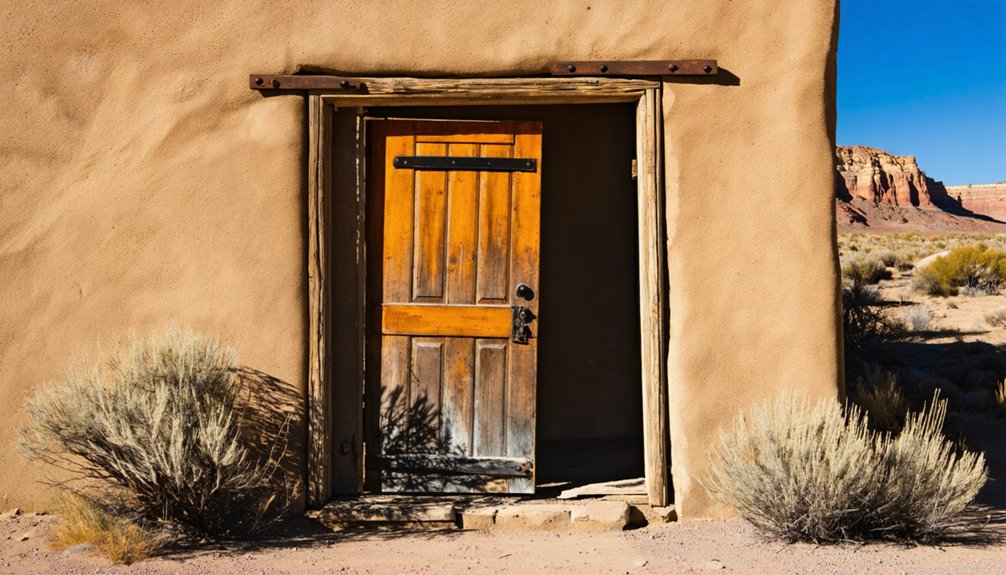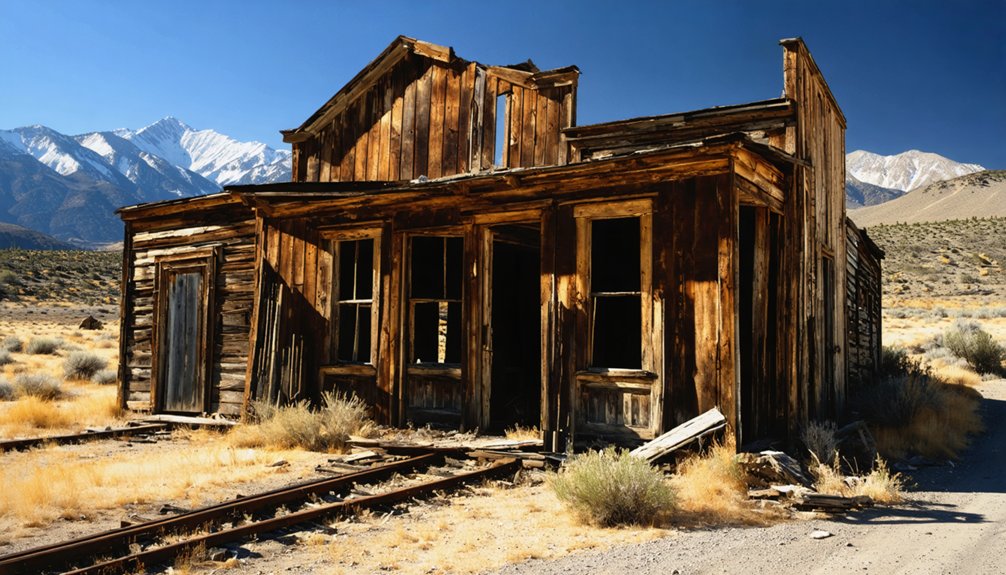
You’ll discover Utah’s most enchanting dog-friendly ghost towns offer incredible adventures for you and your canine companion. Grafton Ghost Town features well-preserved ruins perfect for leashed walks, while Silver Reef showcases unique silver-mining heritage with gravel paths ideal for paws. Ophir provides an outdoor museum experience with connecting trails between restored buildings. Remember to bring plenty of water and maintain strict leash control in these fragile historic environments. Exploring these destinations reveals fascinating stories behind each weathered structure.
Key Takeaways
- Grafton Ghost Town offers well-preserved adobe ruins and movie set backdrops with nearby Virgin River valley exploration opportunities for leashed dogs.
- Silver Reef Ghost Town features authentic mining heritage sites with dog-friendly walking paths through foundation ruins and former mill locations.
- Ophir Ghost Town provides outdoor museum experiences with gravel trails connecting restored 1870s buildings, plus a dog-friendly picnic pavilion area.
- Cove Fort serves as a historic fortified way station from 1867 with volcanic rock architecture and stagecoach stop history for educational visits.
- Essential safety includes six-foot leash requirements, proper waste disposal, never leaving dogs in vehicles, and preparing for extreme temperature variations.
Grafton Ghost Town: A Paved Adventure Through Film History
When you pull into Grafton Ghost Town with your four-legged companion, you’re stepping onto one of the most photographed movie sets in the American West—a place where Butch Cassidy and the Sundance Kid once rode across silver screens and where the two-story adobe schoolhouse has weathered over a century of Utah’s high desert storms.
Step into cinematic history where Hollywood legends once filmed against Utah’s weathered adobe ruins and desert storms.
Your dog can explore the same dusty paths where pioneer families once struggled against floods and economic hardship.
The Grafton history spans from 1859’s original settlement through its final abandonment in 1945. Today’s well-preserved ruins serve as an incredible cinematic backdrop, with weathered wooden structures and split-rail fencing creating perfect photo opportunities. The settlement was originally founded as part of the Cotton Mission in Utah’s “Dixie” region, where Mormon settlers attempted to cultivate cotton for self-sufficiency. The Grafton Cemetery, established in 1862, provides a solemn reminder of the community’s long history and the generations who called this remote valley home.
The paved access road makes this adventure easily accessible, while the nearby Virgin River valley offers additional exploration for adventurous spirits seeking authentic Western heritage.
Silver Reef Ghost Town: Exploring Utah’s Unique Silver Mining Heritage
You’ll discover one of geology’s greatest mysteries at Silver Reef, where miners defied conventional wisdom by extracting over 7 million ounces of silver from sandstone cliffs—something experts claimed was impossible.
Walking through this remarkably preserved ghost town with your dog, you can explore the 1877 Wells Fargo building that now houses fascinating artifacts and visit actual mine ruins scattered throughout the red rock landscape. The mining boom attracted over 1,000 prospectors by early 1877, transforming the area into a bustling community with more than 100 businesses. Mining operations continued at reduced levels until 1909, when the last of the silver was finally extracted from the unique sandstone deposits.
The town’s unique story unfolds as you follow hiking trails past foundations and cemeteries, experiencing firsthand how innovative mining techniques turned this “geological rarity” into Utah’s most unusual boomtown.
Silver in Sandstone Discovery
Nestled in Utah’s red rock country, Silver Reef stands as a symbol to one of geology’s most remarkable anomalies—silver discovered within sandstone formations.
When prospectors first struck silver here in 1866, experts dismissed their claims entirely. The notion of precious metal embedded in sandstone seemed impossible—a geological rarity that challenged everything miners knew about silver deposits.
You’ll appreciate how persistent prospectors proved the skeptics wrong. By 1875, renewed interest sparked serious silver mining operations as miners migrated from Nevada’s declining Pioche district.
Walking these trails with your dog today, you’re witnessing where over 7.5 million ounces emerged from 400+ mine openings, primarily along Buckeye and White Reefs. The Springdale sandstone formations you’re exploring date back approximately 200 million years to the age of dinosaurs, when these deposits formed in an ancient inland sea.
The boomtown’s population reached 2,000 by 1879, creating a vibrant business district that served miners and their families in this remote desert location.
This geological marvel generated what’s worth $250 million in today’s currency.
Preserved Mining Town Experience
Since Silver Reef’s mining boom ended over a century ago, the ghost town has transformed into one of Utah’s most accessible and well-preserved mining heritage sites.
You’ll discover authentic remnants of specialized mining techniques used to extract silver from sandstone—a geological phenomenon found nowhere else in North America. The experience offers perfect freedom to explore with your canine companion across low-traffic gravel roads and outdoor ruins.
Your preserved mining town adventure includes:
- Silver Reef Museum exploration featuring historical artifacts from domestic life, businesses, and unique sandstone mining operations
- Self-guided walks through foundation ruins, collapsed adits, and former mill sites with your dog
- Interpretive signage discovery explaining the town’s rare geological characteristics and specialized extraction methods
The site’s open layout provides excellent leash-walking opportunities while you absorb mining history. During its heyday, the bustling community supported nine grocery stores along with saloons, restaurants, and a thriving Chinatown district. The former Wells Fargo office now serves as a museum and art gallery, showcasing the town’s transformation from commercial hub to cultural preservation site.
Ophir Ghost Town: an Outdoor Museum Experience With Your Canine Companion
You’ll discover Ophir’s preserved buildings and original streets create the perfect outdoor museum setting where your dog can walk alongside you through authentic 1870s mining history.
The reconstructed school, post office housed in an old train car, and historic houses remain accessible during summer Saturdays, allowing you to explore interiors while your leashed companion waits outside. Located about 45 minutes west of Lehi, this remote destination offers a scenic canyon drive that adds to the adventure of reaching this historical gem.
This volunteer-run ghost town operates with a relaxed atmosphere that welcomes responsible pet owners to experience Utah’s mining heritage together. The site is part of the Rush Valley Mining District, which has been documented as a significant historical mining area in Utah’s territorial period.
the history of dugway mine ghost town adds a layer of intrigue for visitors interested in the region’s past. Stories of the miners who once worked these lands and the challenges they faced are shared through guided tours and educational displays. As you explore, you’ll gain a deeper appreciation for the rich tapestry of life that once thrived in this remote area.
Historic Buildings and Streets
While most ghost towns offer only crumbling foundations and faded memories, Ophir transforms into a living outdoor museum where you and your dog can walk through authentic 19th-century streets lined with preserved buildings from the town’s silver boom heyday.
The historic preservation efforts showcase remarkable architectural significance through:
- Original wood-frame and stone structures – You’ll discover a schoolhouse, church, hotel, and post office that replaced the town’s early tents and hovels during its 6,000-resident peak in the 1870s.
- Reconstructed main street layout – Your leashed companion can explore the walkable village atmosphere created by relocated houses, businesses, and a shoe shop arranged authentically.
- Interactive museum elements – A converted train car visitor center and 1930s clubhouse with original furnishings provide glimpse into frontier life.
Dog-Friendly Museum Exploration
Beyond admiring Ophir’s preserved architecture, you and your four-legged explorer can transform this ghost town visit into an interactive outdoor museum experience that brings frontier history to life.
The volunteer-staffed caboose visitor center becomes your gateway to understanding mining camp stories, though your pup will need to wait outside while you gather historical context.
Dog friendly trails wind through the exhibit cluster, connecting the restored schoolhouse, shopfronts, and mining artifacts with manageable gravel paths perfect for leashed exploration.
The picnic pavilion near the caboose creates an ideal staging area for water breaks and planning your route.
Interpretive signage throughout the outdoor displays enhances your canine photography opportunities, letting you capture your dog against authentic frontier backdrops while learning about Utah’s mining heritage together.
Volunteer-Run Summer Operations
Since Ophir’s outdoor museum operates entirely through volunteer dedication, your ghost town adventure depends on catching these passionate history keepers during their summer Saturday schedule from 11am to 3pm, May through September.
These dedicated volunteers reveal the mysteries of mining-era life, transforming your visit from simple sightseeing into immersive historical exploration. Your furry companion benefits from this volunteer engagement as guides share stories while you both wander through authentically furnished buildings.
Summer accessibility includes:
- Guided walkthroughs of the reconstructed school, post office, and shoe shop with knowledgeable locals
- Caboose visitor center staffed by volunteers who’ll answer questions about mining history
- Family antique displays maintained by residents and descendants throughout historic buildings
Check for volunteer presence before visiting, as online schedules remain elusive and operations depend entirely on these community stewards.
Cove Fort: Pioneer Fortification and Settlement History
When Brigham Young ordered the construction of a fortified way station in 1867, he envisioned more than just another roadside stop—he needed a strategic stronghold that could protect travelers and essential communications during one of Utah Territory’s most turbulent periods.
Cove Fort’s historical significance extends beyond its protective walls, serving as an important telegraph relay station and stagecoach stop during the dangerous Black Hawk War era.
You’ll discover Cove Fort’s architectural features reflect both practicality and permanence—its 100-by-100-foot square design features walls of local volcanic rock that taper from four feet thick at the base to 2.5 feet at the top.
The twelve internal rooms housed the Hinckley family and provided necessary services until railroad expansion rendered this frontier fortress obsolete.
Kanarraville Area: Dog-Friendly Alternatives Near Cedar City
Six exceptional pet-friendly destinations surround the tiny town of Kanarraville, transforming your search for dog-friendly ghost town alternatives into an adventure through Southern Utah’s most accessible outdoor playground.
With just 350 residents, this historic settlement offers escape from crowded national parks while delivering stunning Kanarraville scenery.
Your pet friendly hikes include these standout options:
- Spring Creek Canyon – Navigate stream crossings and slot canyons where your dog can splash freely, unlike the permit-restricted main trail.
- Three Peaks Recreation Area – Explore rolling hills perfect for leashed adventures through unique terrain near Cedar City.
- Dixie National Forest – Access dozens of trails plus Navajo Lake, with boondocking opportunities thirty minutes from Bryce.
Cedar City’s paved trail system and Frontier Homestead State Park complete your freedom-focused exploration.
Red Hollow Canyon: Off-Leash Slot Canyon Adventures
Though Red Hollow Canyon stretches barely half a mile from Orderville’s outskirts, this hidden slot canyon delivers the kind of off-leash freedom that’s vanishing from Utah’s increasingly regulated landscape.
You’ll navigate sandy washes toward narrow walls where your dog can explore without leash restrictions—a rare privilege these days.
The route demands minimal technical skills but requires lifting dogs over boulder scrambles. Following essential dog hydration tips becomes vital since no water sources exist within the canyon.
Pack extra water for both you and your companion, especially during summer months when rock surfaces radiate heat.
Slot canyon safety here means respecting the terminal dryfall as your turnaround point.
The informal trail receives no official maintenance, but that’s precisely what makes this adventure feel genuinely wild and unregulated.
Best Seasons and Weather Considerations for Ghost Town Visits
After experiencing the raw freedom of places like Red Hollow Canyon, you’ll quickly discover that timing your ghost town adventures can make the difference between a memorable exploration and a miserable ordeal.
Understanding Utah’s weather patterns transforms your seasonal planning from guesswork into strategic freedom-seeking.
- Spring and Fall reign supreme – March through April and October offer mild temperatures perfect for exploring Silver Reef and Grafton without crowds or extreme heat risks.
- Summer demands serious preparation – Desert ghost towns like Old Irontown become furnaces from May through September, requiring early morning starts and extra water for both you and your dog.
- Winter opens hidden opportunities – While most visitors avoid cold months, you’ll find empty ghost towns and snow-dusted landscapes at places near Bryce Canyon, creating solitary adventures.
Essential Tips for Visiting Utah Ghost Towns With Dogs
Three critical mistakes can turn your ghost town adventure into a dangerous situation for your four-legged explorer, but understanding Utah’s unique regulations and hazards keeps both of you safe while preserving these fragile historical sites.
First, never leave your dog unattended in vehicles—even cracked windows won’t prevent interior temperatures from exceeding 140°F on Utah’s scorching days.
Second, maintain strict leash control using a six-foot maximum lead; I’ve witnessed dogs chase rodents straight over cliff edges at places like Dead Horse Point.
Third, prioritize proper waste disposal by packing out everything your pet leaves behind—it’s mandated by law in watershed areas and protects the delicate biological soil crust that takes decades to recover from disturbance.
Frequently Asked Questions
Are Dogs Allowed to Enter Historic Buildings at Utah Ghost Towns?
No, you can’t bring dogs inside historic buildings at Utah’s ghost towns. With over 200 ghost towns statewide, dog friendly policies exclude building entry due to historic site regulations protecting these fragile structures from damage.
What Vaccinations Should Dogs Have Before Visiting Remote Ghost Town Areas?
Your dog needs core vaccinations—distemper, parvovirus, adenovirus, parainfluenza, and rabies—plus leptospirosis for remote areas. Complete travel preparation by finishing non-core dog vaccinations 2-4 weeks before exploring Utah’s backcountry ghost towns.
Can I Camp Overnight With My Dog Near These Ghost Towns?
Yes, you can pitch your tent under starlit skies with your loyal companion. Camping regulations vary by location, but dog friendly campsites exist at nearby state parks and dispersed areas surrounding Utah’s haunting ghost towns.
Are There Veterinary Services Available Near Utah’s Remote Ghost Town Locations?
Yes, you’ll find mobile veterinary clinics serving remote Utah areas, plus community clinics in small towns nearby. Emergency services require longer drives, so plan ahead and pack basic first-aid supplies for your adventures.
What Wildlife Dangers Should I Watch for When Hiking With Dogs?
Watch for aggressive moose during calving season, maintain snake awareness on rocky trails, avoid porcupines hiding in brush, and keep dogs leashed around mountain lions and coyotes during wildlife encounters.
References
- https://thedogisdriving.com/utah-dog-adventures/
- https://www.visitutah.com/places-to-go/parks-outdoors/zion/outdoor-experiences/grafton-trail
- https://www.ksl.com/article/51308628/restored-utah-ghost-towns-that-should-be-on-your-summer-travel-bucket-list
- https://www.hannahhendersontravel.com/grafton-ghost-town-utah/
- https://www.roadtripryan.com/go/tag/showtag/dog friendly
- https://utahguide.com/utah-ghost-towns-and-mining-towns/
- https://www.tripadvisor.com/ShowTopic-g28965-i411-k14229922-Abandoned_places-Utah.html
- https://graftonheritage.org/history-settlement/
- https://www.legendsofamerica.com/ut-grafton/
- https://www.canyoneeringusa.com/zion/hikes/grafton