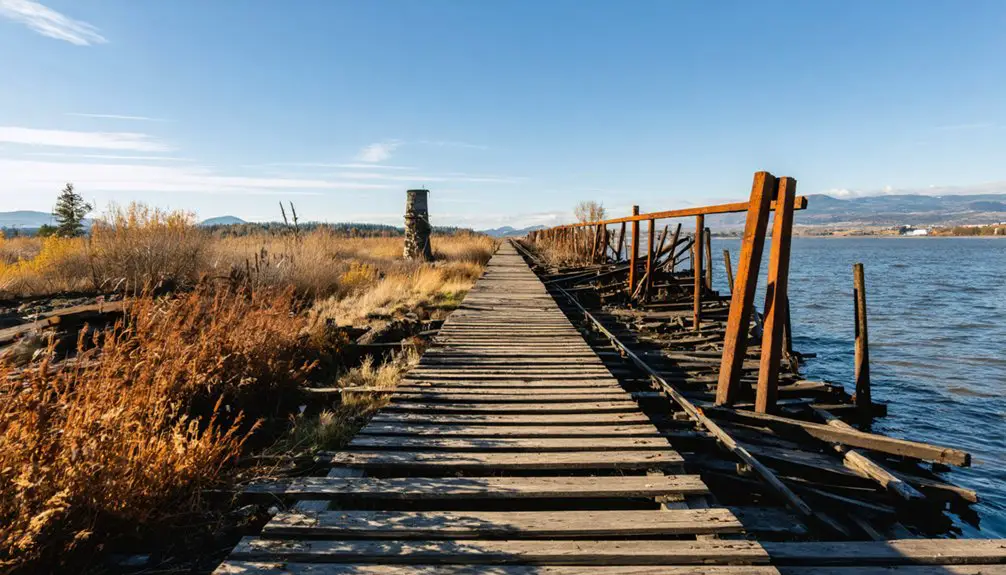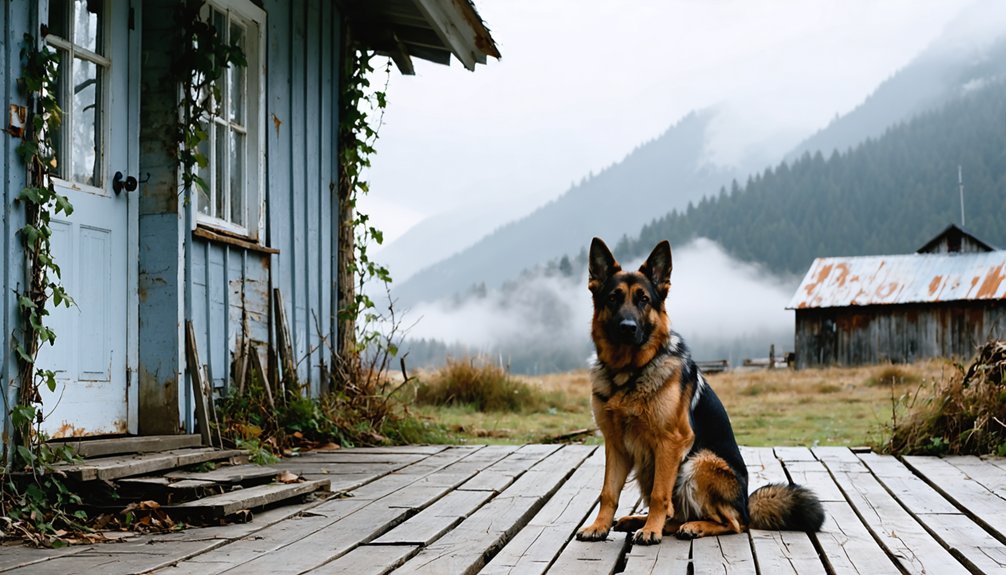
You’ll find several dog-friendly ghost towns scattered across Washington’s diverse landscapes, from Liberty’s preserved 1870s mining camp near Blewett Pass to Franklin’s accessible railroad grade along the Green River Gorge. Northern State’s 800-acre recreation area offers extensive trails through a former mental health facility, while Melmont provides a gentle 3.8-mile hike following abandoned coal mining infrastructure. These historic sites welcome leashed pets on maintained trails, though you’ll want to verify current pet policies and seasonal access before exploring these forgotten chapters of Pacific Northwest history.
Key Takeaways
- Franklin Ghost Town offers a two-mile round-trip railroad grade trail suitable for children and leashed pets near Seattle.
- Monte Cristo Trail provides an 8-mile flat route along South Fork Sauk River, specifically noted as suited for dogs.
- Northern State Ghost Town features 800 acres of extensive trails through pastures and forested lanes for exploration.
- Pet policies vary by land management agency, with some requiring eight-foot leashes or banning pets from historic zones.
- Bring waste disposal bags and sturdy leashes to navigate structural hazards while protecting these cultural heritage sites.
Liberty Ghost Town: Washington’s Living Historical Experience
When you and your four-legged companion arrive at Liberty, you’ll discover Washington’s most authentic living ghost town nestled just two miles east of Highway 97 near Blewett Pass.
Your dog can freely explore the one-third-mile main street alongside you, investigating original log buildings and restored cabins dating back to the 1870s gold rush.
The town’s mining significance earned its place on the National Register of Historic Places in 1974, preserving five historic structures and mining equipment displays. The area contains gold in multiple forms, including rare wire gold with its distinctive crystalline structure found in local streams.
Liberty’s 1974 National Register designation safeguards five original structures and mining displays, cementing its historical importance in Washington’s gold rush heritage.
You’ll encounter interpretive signs explaining the Goodwin brothers’ 1873 strike that triggered the local boom.
Unlike other ghost towns, Liberty maintains year-round residents who continue prospecting, creating an authentic living museum where past and present mining traditions intersect naturally. The town also features the Liberty arrastra, a unique gold ore pulverizing mill that represents one of the few workable examples remaining in the United States.
Franklin Ghost Town: Family-Friendly Railroad Grade Adventure
Just thirty minutes southeast of Seattle, Franklin Ghost Town offers families with dogs a completely different ghost town experience along the Green River Gorge.
The haunting history of Barclay, Pennsylvania, is woven into the very fabric of the town, where tales of the past echo through its abandoned streets. Visitors can expect to discover fascinating stories of its former residents and the events that shaped its legacy. Guided tours often share chilling accounts that bring to life the rich history and mystery lingering in the air.
You’ll follow a gentle railroad grade that makes this adventure accessible for children and leashed pets, with minimal elevation gain over two miles round-trip.
The site’s historical significance comes alive through visible mining remnants from the late 1800s coal operations. Franklin was established in the 1880s when coal mining activity brought workers and families to this remote location. At its peak, the community housed over 1,000 residents who worked the profitable coal seams.
You’ll discover sealed mine shafts, foundation ruins, and a poignant cemetery containing graves from the tragic 1894 mine disaster.
For ideal family safety, consider these essentials:
- Wear long pants due to overgrown trail sections
- Keep dogs leashed near unstable foundations and sealed mine shafts
- Carry water and first-aid supplies—cell coverage is limited
- Stay on marked trails and respect safety fencing around hazardous areas
Northern State Ghost Town: Recreation Area With Mental Health History
Though Northern State Ghost Town carries a somber past as Washington’s largest mental health facility, it’s transformed into an accessible recreation area where you and your leashed dog can explore 800 acres of haunting history four miles northeast of Sedro-Woolley.
You’ll discover extensive trails winding through former pastures and forested lanes, passing weathered barns, milking sheds, and cannery remnants from the self-sustaining campus that once housed 2,700 patients. The Olmstead Brothers designed this facility that opened with grand fanfare in 1912.
The haunted history runs deep here—established in 1909 and closed in 1973, this facility served tens of thousands dealing with mental health struggles over six decades. The hospital once operated a competitive baseball team and published its own weekly newspaper, showing glimpses of community life within institutional walls.
While active buildings remain off-limits, you’re free to roam the grounds where underground tunnels once connected four patient wards, creating an atmospheric adventure that respectfully acknowledges this complex chapter in Washington’s past.
Melmont Ghost Town: Easy Foothills Hike Near Mount Rainier
You’ll find Melmont’s trailhead near the Fairfax Bridge along Carbon River Road, where an abandoned railroad grade leads you and your dog on an easy 3.8-mile round-trip hike through Washington’s foothills.
The muddy but gentle trail follows the old Northern Pacific route that once served this coal mining town from 1902 to the early 1920s, making it perfect for dogs who don’t mind getting their paws dirty.
As you explore the scattered foundations, stone dynamite shed, and overgrown meadows where miners once lived, you’ll discover one of the most accessible ghost towns near Mount Rainier. You can also explore the basement ruins of the old school, which provides fascinating insights into Melmont’s educational past. Along the way, you’ll spot distinctive skunk cabbage emerging from wet areas, adding splashes of green to the historical landscape.
Trail Details and Access
While most sources list the Melmont Ghost Town trail between 2.6 and 4 miles round trip, you’ll find the moderate variation stems from different starting points and route choices.
Trail accessibility depends on current road conditions, as closures affect parking locations. You’ll gain about 304 feet of elevation, reaching 1,339 feet at the high point—manageable for most fitness levels. This out-and-back route provides a straightforward navigation experience for hikers of all skill levels.
Your access options include:
- Fairfax Bridge route – Primary access via railroad grade (currently road-blocked 2.6 miles out)
- Carbonado approach – Park near the church, adds 3 miles each way via Foothills Trail
- SR165 from Buckley – Through White River School District property
- Eastern Manley-Moore road – Rough terrain with potential hazards
Elevation changes remain gentle throughout, making this an ideal freedom-seeking adventure with your canine companion through Washington’s forgotten history. The ghost town itself contains ruins of foundations and old wall remnants that offer glimpses into the area’s mining past.
Historical Ruins Exploration
Exploration tips for maximizing your visit: bring a camera to capture the mysterious atmosphere, wear sturdy boots for muddy conditions, and keep your dog leashed while respecting this protected historical site.
These coal mining remnants offer an authentic glimpse into Washington’s industrial heritage.
Black Diamond Area: Mining History and Natural Features

When Black Diamond Coal Mining Company agents arrived in Washington Territory in 1880, they discovered something their exhausted California lignite mines couldn’t provide—rich veins of bituminous coal folded into the Cascade foothills.
By 1885, they’d transformed wilderness into a thriving company town housing 3,500 residents from thirty different countries.
You’ll find remnants of ingenious Mining Techniques throughout the area:
- Slope mine entrances following tilted coal seams
- Winched rail car systems on inclined tracks
- Surface coal bunkers and loading infrastructure
- Railroad connections linking mines to markets
Community Development centered around company control—housing, stores, and services all revolved around coal production.
Today’s incorporation in 1959 marked the town’s shift from corporate dependency to independence, creating the freedom-loving community you’ll explore with your four-legged companion.
Monte Cristo and Other Cascade Ghost Towns
You’ll find the 8-mile Monte Cristo Trail perfectly suited for dogs, following a flat, closed road along the South Fork Sauk River.
The mining legacy lives on through preserved mill remnants and building foundations, creating an atmospheric backdrop where your four-legged companion can explore this interrupted mountain community.
Planning Your Ghost Town Adventures With Dogs
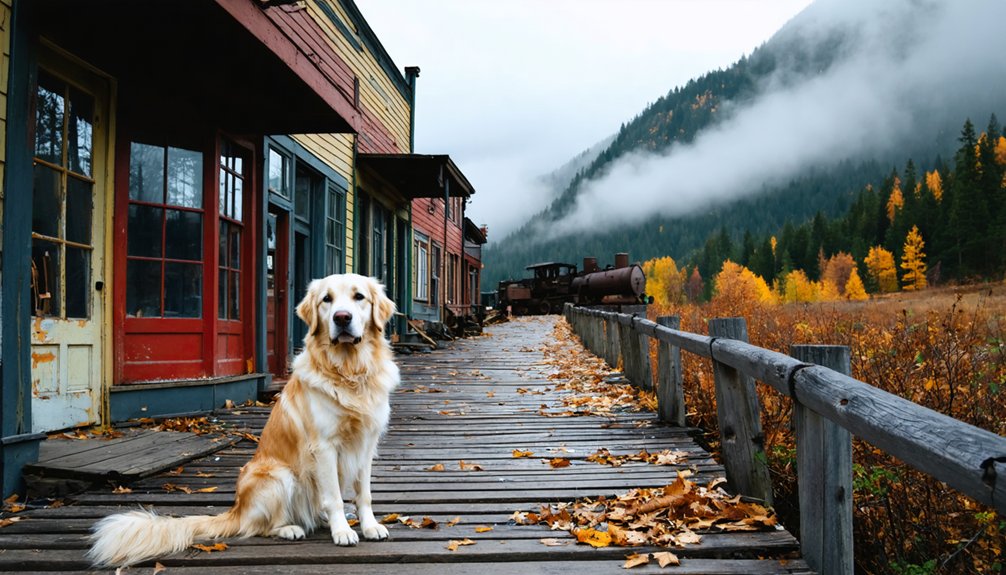
Before setting foot on weathered trails that lead to Washington’s abandoned settlements, you’ll need to navigate a maze of regulations that vary dramatically depending on which agency manages your chosen ghost town.
Dog regulations shift between state parks requiring eight-foot leashes and federal lands that may ban pets entirely from historic zones.
Your freedom to explore depends on thorough preparation:
- Check land management websites for current pet policies and seasonal closures
- Pack waste bags – mandatory disposal protects cultural sites from contamination
- Bring a sturdy leash to navigate structural hazards like rusted metal and unstable buildings
- Research wildlife activity in your target area for enhanced pet safety
Smart planning transforms regulatory hurdles into manageable checkpoints, ensuring you and your companion can safely uncover Washington’s forgotten stories.
Frequently Asked Questions
Are There Veterinary Clinics Near These Ghost Towns in Case of Emergencies?
You’ll find veterinary clinics within 5-25 miles of each ghost town, with 24/7 emergency contacts available. Keep local regulations in mind when exploring remote areas, as reaching help requires careful planning and quick drives.
What Should I Do if My Dog Gets Injured on Rough Terrain?
Ghost towns won’t magically heal wounds—you’ll need real first aid skills. Stop bleeding with pressure, clean wounds thoroughly, bandage properly, and practice injury prevention with protective booties before exploring.
Are There Water Sources Available for Dogs at These Remote Locations?
You’ll rarely find reliable water sources at these remote sites. Pack extra water for your pup’s safety—natural creeks run dry seasonally. Smart hydration tips include carrying collapsible bowls and monitoring for dehydration signs.
Can I Bring Multiple Dogs to These Ghost Town Sites?
You can bring your whole pack! These ghost towns welcome multiple dogs without specific quantity limits or dog size restrictions. Just keep everyone leashed and you’re free to explore with your entire furry crew.
What’s the Best Time of Year to Avoid Ticks and Fleas?
Winter’s your golden window—December through February offers the lowest pest activity. You’ll skip tick prevention hassles and reduce flea treatments when exploring ghost towns during Washington’s coldest months with your pack.
References
- https://washingtonourhome.com/washington-only-living-ghost-town/
- https://explorewashingtonstate.com/black-diamond-franklin-ghost-town/
- https://www.tripadvisor.com/Attraction_Review-g28968-d15215289-Reviews-Northern_State_Ghost_Town-Washington.html
- https://www.cascadeloop.com/ghost-towns-and-haunted-places-in-the-washington-cascades
- https://www.wta.org/go-hiking/hikes/liberty-ghost-town
- https://visitrainier.com/melmont-ghost-town-2/
- https://www.wta.org/go-hiking/hikes/franklin-ghost-town
- https://youdidwhatwithyourweiner.com/the-best-5-dog-friendly-ghost-towns-near-seattle/
- https://www.youtube.com/watch?v=jDeqFHjZD0M
- https://westernmininghistory.com/towns/washington/liberty/