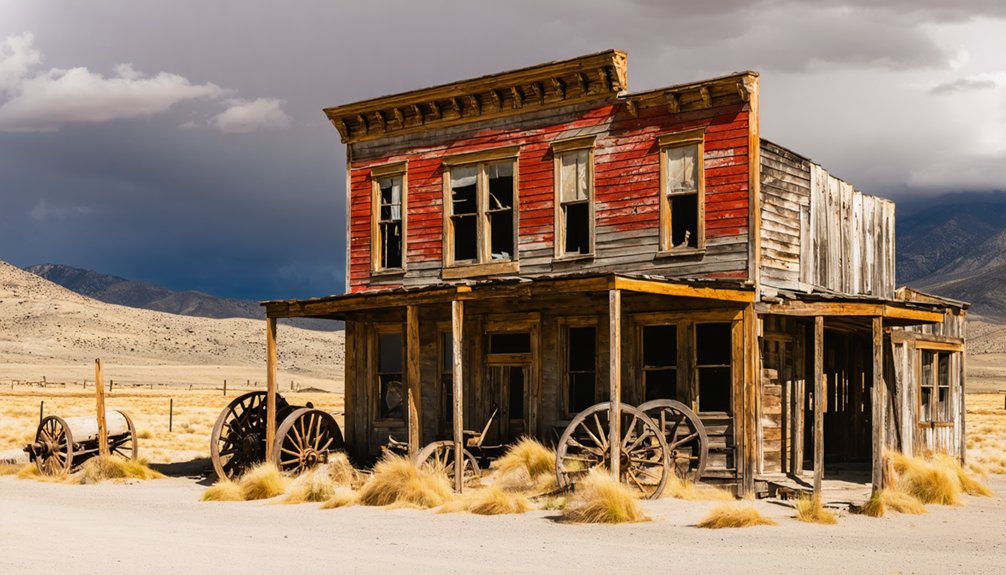
You’ll find exceptional dog-friendly ghost towns across the Mountain West that welcome both you and your furry explorer. Arizona’s Goldfield Ghost Town offers leash-friendly boardwalks beneath the Superstition Mountains, while Montana’s remote Garnet preserves authentic mining cabins at 4,000 feet elevation. California’s Calico provides silver mining history with rocky terrain perfect for adventurous pups, and Colorado’s Cripple Creek sits majestically at 9,500 feet with underground mine tours. These historic destinations offer unforgettable experiences that await your discovery together.
Key Takeaways
- Cripple Creek, Colorado welcomes dogs at 9,500 feet elevation with historic mine tours and mountain trails near Independence Mine.
- Goldfield Ghost Town in Arizona allows leashed dogs on Main Street with no entry fees and gunfight reenactments.
- Garnet Ghost Town, Montana sits 4,000 feet high offering self-guided tours through dozen preserved cabins with original furnishings.
- Calico Ghost Town, California permits dogs but requires caution due to rocky terrain and desert heat conditions.
- Kennicott Ghost Town, Alaska requires strict leash compliance and offers limited exterior viewing of historic red mining structures.
Goldfield Ghost Town: Arizona’s Pet-Friendly Mining Heritage
When you arrive at Goldfield Ghost Town with your four-legged companion, you’ll discover Arizona’s most accessible mining heritage site nestled in the shadow of the legendary Superstition Mountains. Your dog can explore the reconstructed Main Street on-leash while you experience authentic Old West atmosphere at the Mammoth Saloon and general store.
Discover Arizona’s most accessible mining heritage site with your four-legged companion in the shadow of the legendary Superstition Mountains.
The outdoor setting makes this 1890s boom town perfect for adventurous pet owners seeking historical immersion. This remarkable destination offers no entry fees for visitors, making it an affordable adventure for families traveling with pets.
Goldfield attractions include guided mine tours, live gunfight reenactments, and narrow-gauge railroad rides through desert terrain. The town once boasted a population of 4,000 residents during its gold rush heyday in the 1890s. While planning your visit, contact operators about specific pet policies for indoor exhibits and the museum.
Pet friendly amenities shine in the open-air environment where your canine companion can witness gold panning demonstrations and absorb the spirit of Arizona’s mining frontier alongside fellow freedom-seeking explorers.
Garnet Ghost Town: Montana’s Best-Preserved Mountain Settlement
Nestled 4,000 feet above sea level in Montana’s Garnet Range, Garnet Ghost Town offers you and your canine companion the chance to explore the state’s most remarkably preserved mining settlement.
Originally named Mitchell in 1895, this gold boom town housed nearly 1,000 residents by 1898 before economic shifts and devastating fires led to its abandonment by the 1940s.
Garnet history comes alive as you wander through more than a dozen original cabins and commercial structures with your dog. Many buildings retain original furnishings, creating an authentic time capsule experience. The town’s haphazard development means buildings were constructed directly on mining claims, often without foundations and with little planning.
Preservation efforts by the Bureau of Land Management and Garnet Preservation Association guarantee these structures remain accessible for future generations. Self-guided tours let you explore at your own pace while your four-legged friend enjoys mountain air and frontier freedom. The site also features a historical gallery that showcases exhibits documenting the daily lives of the miners and families who once called this mountain settlement home.
Calico Ghost Town: California’s Silver Mining Adventure Destination
You’ll find yourself transported to California’s silver boom era at Calico Ghost Town, where over 500 mines once produced $20 million in precious ore between 1881 and the mid-1890s.
Your four-legged companion can join you exploring this authentically restored mining settlement, but you’ll want to keep them close as you navigate the rocky terrain and vintage structures that tell the story of 3,500 residents who once called this desert outpost home. The town operates daily hours from 9 AM to 5 PM, giving you plenty of time to explore with your pet.
Before venturing into areas like the famous Silver King Mine or walking past the old cemetery, consider your dog’s comfort level with desert heat and unfamiliar sounds from the historic Calico Odessa Railroad that still runs daily tours. The discovery of colemanite brought additional wealth to the community during its mining heyday.
Silver Mining History
While most California ghost towns whisper their stories through crumbling foundations, Calico shouts its silver mining legacy from every carefully restored building and authentic mine shaft.
Your adventure begins where four prospectors made their silver discovery on April 6, 1881, opening the legendary Silver King Mine that would become California’s largest silver producer.
Experience Calico’s mining heritage through these compelling attractions:
- Maggie’s Mine – Walk underground through authentic tunnels with interpretive displays showcasing historical mining techniques
- Silver King Mine site – Explore the original claim that launched the boom
- Mining structures – Examine preserved equipment and period buildings
- Interpretive exhibits – Discover how 500+ mines extracted over $20 million in silver ore
You’ll witness how this Mojave Desert settlement transformed from wilderness to California’s premier silver district. The town’s prosperity peaked when its population reached 1,200 residents by 1881, making it one of the region’s most thriving mining communities.
The town’s decline began in the mid-1890s when dropping silver prices forced miners to abandon their claims and seek opportunities elsewhere.
Pet Safety Considerations
Before you and your four-legged companion explore Calico’s historic mine shafts and weathered boardwalks, understanding the desert’s unique challenges will guarantee your adventure remains safe and enjoyable.
The Mojave’s scorching temperatures demand constant attention to dog hydration—pack extra water and seek shaded rest spots frequently. Test pavement temperature with your hand before allowing paws to touch sun-baked surfaces, as burns develop quickly on heated boardwalks.
Wildlife awareness becomes essential in this rattlesnake territory. Keep your dog leashed within the required six-foot limit, avoiding brush piles and rocky crevices where desert predators shelter. When exploring Calico Ghost Town, remember that quiet hours are enforced from 10:00 p.m. to 7:00 a.m. for the comfort of all camping guests.
Sharp mining debris and broken glass threaten sensitive paw pads, making protective booties worthwhile investments. Check for ticks and stinging insects after each exploration, and always carry emergency cooling supplies for rapid relief during desert heat. Budget for the admission fee of $8 for adults while your canine companion enters at no cost.
Kennicott Ghost Town: Alaska’s Remote Wilderness Experience
You’ll need to plan meticulously for Kennicott’s extreme remoteness—this isn’t a weekend road trip but an adventure requiring flights to McCarthy followed by careful coordination with park regulations for your dog.
The towering red mill building and weathered structures create an otherworldly backdrop against Alaska’s wilderness, but you’ll be maneuvering through strict leash requirements and building access restrictions.
Your four-legged companion can explore the grounds with you, though the fragile historic structures and safety hazards mean much of your ghost town experience happens from the outside looking in.
Remote Access Planning
Reaching Kennicott Ghost Town requires careful planning and a spirit of adventure, as this copper mining relic sits deep within America’s largest national park, accessible only through Alaska’s rugged wilderness. Your journey involves multiple access routes and remote logistics that demand preparation.
Essential Planning Steps:
- Flight + Drive Combination – Fly into Anchorage, then drive four hours to Chitina and two more to McCarthy via the 60-mile gravel McCarthy Road.
- Bridge Crossing – Park at Kennicott River footbridge and walk across with your gear (no vehicle access to town).
- Final Approach – Take shuttles or hike/ski the remaining 5 miles to reach the ghost town.
- Weather Contingency – Pack wet weather gear as roads become impassable during storms.
Book lodging, shuttles, and services well ahead—you’re entering true wilderness territory.
Historic Red Buildings
When you first glimpse Kennicott’s crimson structures rising against the stark Alaskan wilderness, the 14-story mill building commands immediate attention—a towering wooden monument that’s dominated this remote valley since 1911.
You’ll discover an entire company town painted in matching red with crisp white trim, creating a striking contrast against the surrounding peaks and glaciers.
These all-wood frame structures showcase remarkable historic architecture from the early 1900s mining boom, ranging from the massive industrial complex to elegant homes along Silk Stocking Loop where company officials lived.
The National Park Service employs careful preservation techniques to maintain these buildings, stabilizing structures that house mining equipment, personal artifacts, and furnishings abandoned when operations ceased in 1938.
Historic Cripple Creek: Colorado’s Dog-Welcoming Gold Rush Town
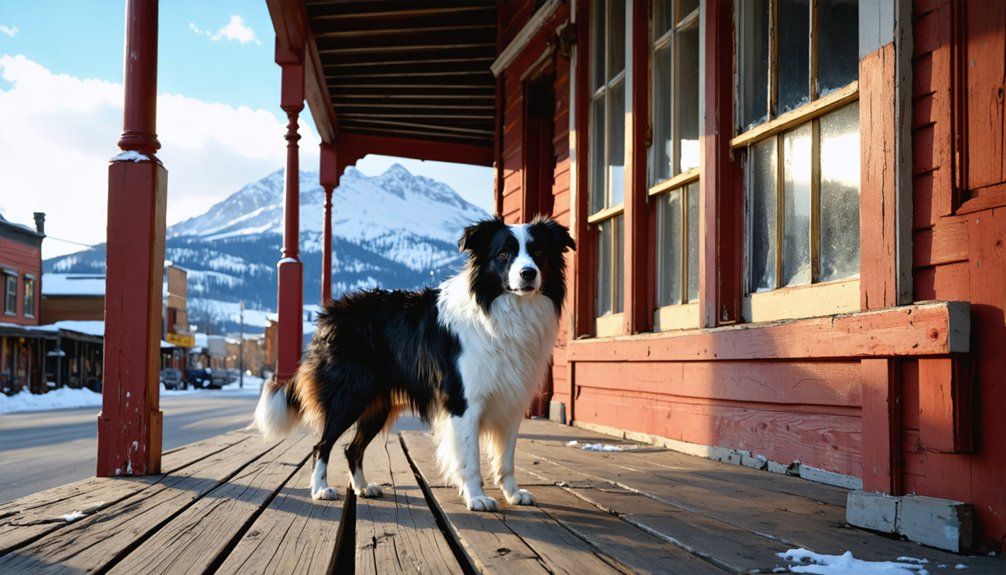
Nestled high in Colorado’s Rocky Mountains at 9,500 feet elevation, Cripple Creek transforms from a sleepy ranching community into one of America’s most legendary gold rush boomtowns—and today it welcomes both history enthusiasts and their four-legged companions.
When Bob Womack struck gold in Poverty Gulch in 1890, he sparked Colorado’s greatest gold rush. By 1900, over 55,000 fortune-seekers flooded this dog friendly mountain town, creating 500 mines that produced 21 million ounces of gold.
Experience Cripple Creek’s gold rush legacy:
- Tour the underground Mollie Kathleen Gold Mine – guided descent into authentic 1890s mining tunnels
- Explore historic brick buildings rebuilt after devastating 1896 fires
- Visit gambling halls where modern casinos occupy vintage saloon locations
- Walk Battle Mountain trails near Stratton’s famous Independence Mine site
Apache Trail: Arizona’s Scenic Route Through Ghost Town Country
Winding through Arizona’s rugged Superstition Mountains, the Apache Trail delivers one of the Southwest’s most spectacular drives while connecting you and your dog to authentic ghost town history.
This 42-mile stretch of State Route 88 takes you past Goldfield Ghost Town, where you’ll explore reconstructed 1890s mining buildings and watch weekend gunfights. Your four-legged companion can join you through the dusty streets of this boom-and-bust settlement that originally lasted just five years.
Continue to Tortilla Flat, Arizona’s smallest town with six residents, marking where pavement ends and adventure begins.
The scenic views encompass three desert lakes, one-lane bridges, and countless overlooks. You’ll traverse the same path Apaches used for over 1,000 years, experiencing freedom on this legendary route.
Frequently Asked Questions
Are There Veterinary Services Available Near These Remote Ghost Town Locations?
You’ll find veterinary clinics scarce near remote ghost towns, requiring hour-plus drives to reach emergency care. Plan ahead—pack first aid supplies and research nearest facilities before venturing into these isolated wilderness adventures.
What Should I Pack for My Dog When Visiting High-Altitude Ghost Towns?
Dogs lose 30% more water at altitude, so you’ll need essential dog gear: collapsible bowls, extra water, paw booties, cooling bandanas, and gradual altitude adjustments to keep your adventurous companion comfortable exploring forgotten mining settlements.
Are Ghost Town Buildings Safe for Dogs to Enter or Explore?
Most ghost town buildings aren’t safe for dogs due to questionable building stability and structural decay. You’ll need to prioritize pet safety by keeping your dog outside these aging structures while exploring the exterior grounds instead.
If you’re looking for dogfriendly activities in Pennsylvania, consider visiting local parks that offer open spaces for your furry friends to run and play. Many of these parks feature designated areas for dogs, ensuring a safe and enjoyable environment for both you and your pet. Additionally, some hiking trails in the region are pet-friendly, allowing you to enjoy the beautiful landscapes while keeping your dog company.
Do Any Ghost Towns Offer Dog-Sitting Services for Indoor-Only Attractions?
Need someone to watch Rover while exploring indoor exhibits? Ghost towns rarely offer formal dog-sitting services, though some commercial attractions provide event-specific pet holding. You’ll find better dog friendly amenities at nearby pet friendly accommodations instead.
What Are the Best Seasons to Visit Mountain Ghost Towns With Pets?
Summer and early fall offer the best weather for exploring with pets—clear roads, comfortable temperatures, and seasonal activities like interpretive programs. You’ll avoid snow closures while enjoying cooler evenings and reduced crowds.
References
- https://www.thetravelpockets.com/new-blog/dog-friendly-apache-trail-in-arizona
- https://airial.travel/attractions/united-states/apache-junction/goldfield-ghost-town-eB_fVerH
- https://www.thehohnstead.com/blog/garnet-ghost-town
- https://www.gopetfriendly.com/blog/explore-pet-friendly-ghost-towns-with-your-furry-travel-buddy/
- https://parks.sbcounty.gov/park/calico-ghost-town-regional-park/
- https://garnetghosttown.org
- https://www.pikes-peak.com/pet-friendly-attractions-in-colorado-springs/
- https://danielleoutdoors.com/goldfield-ghost-town/
- https://en.wikipedia.org/wiki/List_of_historic_properties_in_Goldfield
- https://www.legendsofamerica.com/az-goldfield/