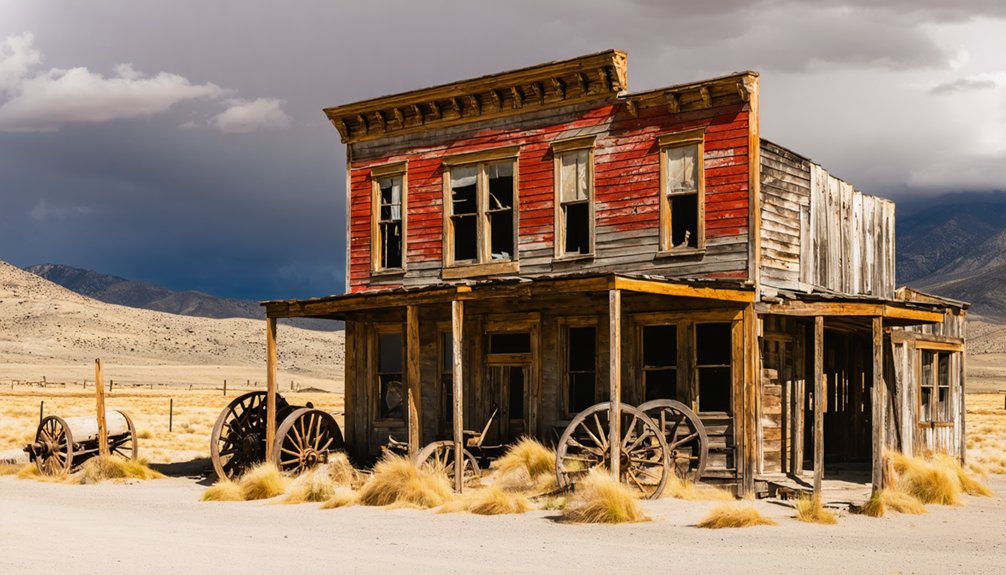
You’ll discover over 1,500 ghost town sites scattered across the Pacific Northwest’s Cascadia region, where your four-legged hiking companion can safely explore abandoned mining settlements, lumber camps, and homestead ruins from the 19th-century gold rush era. Popular dog-friendly destinations include Melmont’s accessible 3.8-mile trail, Monte Cristo’s moderate mountain hike, and Eastern Oregon’s preserved towns like Shaniko and Sumpter. Proper planning guarantees you’ll navigate leash requirements, seasonal trail conditions, and structural hazards while uncovering the area’s remarkable frontier heritage.
Key Takeaways
- The Pacific Northwest has over 1,500 ghost town sites across Washington, Oregon, Idaho, northern California, and British Columbia.
- Leash requirements vary by jurisdiction; Washington State parks enforce strict leash laws while Forest Service lands require six-foot leashes.
- Popular dog-accessible sites include Melmont (3.8-mile hike), Monte Cristo (4-8 mile hike), Shaniko, Sumpter, and Canyon City with varying trail conditions.
- Safety hazards include rattlesnakes, coyotes, unstable structures, contaminated water sources, and extreme temperatures requiring constant dog supervision.
- BringFido, Visit Rainier, and Cascade Loop provide essential resources for finding pet-friendly accommodations and detailed trail information.
Defining the Pacific Northwest Ghost Town Region
When you’re planning a ghost town adventure with your four-legged companion, the Pacific Northwest offers an unparalleled treasure trove of abandoned settlements spanning Washington, Oregon, Idaho, northern California above San Francisco, and British Columbia.
This region, known as Cascadia, hosts the continent’s densest concentration of ghost towns—over 1,500 sites in British Columbia alone, with Oregon counting 256 documented locations.
These ghost town origins trace back to 19th-century gold strikes, mining booms, lumber camps, and homesteading ventures that created temporary communities. Many towns faced natural disasters like the Great Flood of 1862 that destroyed Linn City and the Columbia River Flood of 1948 that devastated Vanport.
Gold fever, timber fortunes, and pioneer dreams built these fleeting settlements before economic reality swept them into forgotten history.
When markets collapsed or resources depleted, entire settlements vanished into history. Nevada’s dry environment naturally preserves many of these abandoned structures and ruins better than other regional climates. Your regional exploration will uncover everything from preserved mining camps in Washington’s remote valleys to Idaho’s eastern mineral clusters, offering endless off-leash discoveries across this historically rich wilderness.
Melmont: Washington’s Hidden Mining Settlement
Tucked away along the Carbon River in Pierce County, Melmont stands as one of Washington’s most accessible yet hidden mining settlements, where you and your canine explorer can walk directly through history on an easy 3.8-mile round trip adventure.
This abandoned coal town, established in 1900 by Northern Pacific Railway’s subsidiary, once fed the region’s industrial appetite from 1902 to 1918 before becoming a ghost town.
Your outdoor adventures here reveal fascinating remnants: old bridge abutments where hotels once welcomed miners, scattered school basement foundations, and townsite fields that clearly mark the former community. Much of the original school’s wood was repurposed for Carbon River Ranch in the 1920s, leaving only the basement structure visible today.
The muddy abandoned rail grade offers year-round exploration through this hidden history, though visiting outside summer proves more comfortable. Past the old dynamite shed, the trail splits with the left path leading directly to the ghost town ruins.
Respectful exploration guarantees future generations can experience Melmont’s preserved industrial heritage.
Monte Cristo and Cascade Mountain Mining Sites
You’ll find Monte Cristo’s ghost town accessible via a moderate 4-8 mile hike from Barlow Pass, though trail conditions vary due to historic floods and washouts that can create muddy sections and stream crossings.
Washington’s leash laws apply throughout this former mining boom town, where your dog must stay controlled around scattered foundations, rusted equipment, and potentially hazardous mine remnants.
The site’s mining hazards include unstable structures, hidden shafts, and debris from over 200 former claims that once supported more than 1,000 residents during the 1890s silver-lead rush. The trail follows the old Monte Cristo Railroad grade, providing historical context as you approach the town site with your canine companion. Visitors will need a Washington Forest Pass for parking at the trailhead before beginning their journey to this historic mining town.
Trail Access Conditions
Although floods damaged sections of the original road in 2003 and 2006, the Monte Cristo trail remains one of the region’s most accessible ghost town hikes, following an abandoned roadbed for four miles along the South Fork Sauk River with just 400 feet of elevation gain.
You’ll find the trail rated easy and perfect for bringing your four-legged companion from July through October.
Recent trail maintenance updates show the route stays well-graded despite minor washouts, though you’ll need to navigate an unmaintained log crossing to reach the ghost town. A new trail option is available for hikers who prefer to avoid the log crossing entirely.
Seasonal challenges include muddy sections after rain and creek crossings swollen with spring snowmelt. The spongy surface handles most foot traffic well, and you won’t encounter snow on the main trail during peak season. Remember to pack plenty of water since water from the area is not drinkable and requires treatment.
Dog Leash Requirements
When planning your Monte Cristo adventure, you’ll need to navigate a patchwork of leash requirements that vary depending on which jurisdiction manages your specific trail access point.
Washington State parks typically enforce strict leash laws, while U.S. Forest Service lands generally require six-foot leashes in developed areas and interpretive trails.
Private parcels within historic mining sites maintain their own restrictions that could prohibit dog access entirely.
You’ll want a standard six-foot leash rather than retractable versions, which land managers discourage due to entanglement risks around mining debris.
Good dog etiquette means keeping shorter leashes near fragile ruins and structures. Leashing also prevents pets from tangling with wildlife that frequent these abandoned mining areas.
Even when off-leash hiking’s permitted, you must maintain voice control and carry a leash.
Wildlife closures can impose temporary restrictions, so check current conditions before heading out. Before embarking on these historic trails, ensure your dog has current vaccinations and proper identification in case of separation.
Mining Site Hazards
While Monte Cristo’s scenic mountain setting and historic ruins create an appealing destination for you and your dog, the abandoned mining operations have left behind serious environmental and physical hazards that demand careful attention.
Arsenic and lead contamination exceeds drinking-water standards in soil and surface water throughout the area. Standard backpacking filters won’t remove these heavy metals, making water sources unsafe for both you and your pet.
Mining site hazards include unstable adits, collapsed tunnels, and rotting structural remains that create fall and entrapment risks. Steep, eroded slopes with loose waste-rock piles increase rockfall danger.
Pet safety requires constant vigilance—keep your dog close, prevent water consumption from local sources, and avoid exploring mine openings or climbing unstable structures.
Eastern Oregon’s Preserved Historic Towns
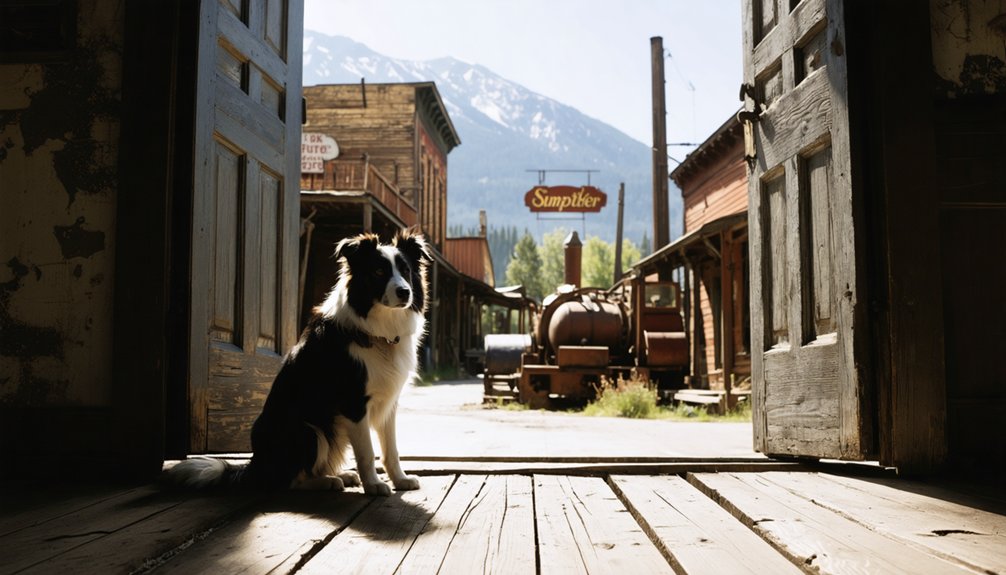
Eastern Oregon’s vast high desert landscape conceals remarkable time capsules where preserved historic towns offer you and your canine companion authentic glimpses into the American West’s boom-and-bust legacy.
Shaniko’s intact brick storefronts showcase wool-shipping heritage, while Sumpter combines restored downtown charm with operating railroad adventures. Your dog can explore Canyon City’s 19th-century streets and functioning courthouse district, where gold-rush history unfolds through interpretive trails.
Eastern Oregon’s preserved towns deliver authentic Wild West experiences where both you and your furry travel companion can wander through living history.
These destinations exemplify successful historic preservation efforts that create meaningful tourism opportunities for freedom-seeking travelers.
While remote sites like Greenhorn and Hardman require high-clearance vehicles and careful navigation of private property boundaries, they reward adventurous visitors with sparse archaeological remains and agrarian landscapes.
Plan summer visits for ideal access, and always respect preserved structures while photographing these atmospheric remnants.
Trail Safety and Structure Hazards for Dogs
When you’re exploring ghost towns with your dog, crumbling structures and hidden wildlife present serious safety challenges that require constant vigilance.
Rotting floorboards, unstable walls, and concealed mine shafts can cause devastating falls or entrapment, while rattlesnakes and other wildlife often shelter in the same ruins you’re keen to investigate.
You’ll need to balance your curiosity about these historic sites with protecting your companion from the unique dangers that make abandoned places so treacherous.
Unstable Building Dangers
Abandoned buildings in ghost towns pose significant threats to curious dogs who naturally want to investigate every nook and cranny of these decaying structures.
The structural integrity of these late 19th and early 20th-century buildings has deteriorated dramatically. Rotted timber framing creates hidden voids beneath seemingly solid floorboards, causing dogs to fall through unexpectedly. Mortar deterioration from freeze-thaw cycles weakens masonry walls, increasing collapse risks near exploring pets.
Overhead hazards like loose rafters and corroded metal roofing can detach suddenly, creating crushing dangers. You’ll need strict safety precautions when your dog encounters these unstable environments. Keep them leashed and maintain safe distances from partially collapsed structures to prevent tragic accidents during your ghost town adventures.
Wildlife Encounter Prevention
While exploring Pacific Northwest ghost towns with your dog, you’ll encounter wildlife that poses serious threats requiring immediate prevention strategies.
Western rattlesnakes inhabit eastern Washington, Oregon, and Idaho’s rocky terrain—keep your dog leashed in dry areas and tall grass where snakes bask. Wildlife awareness becomes critical during dawn and dusk when coyotes frequent abandoned structures. Maintain 4-6 foot leash lengths and carry noise makers for encounter strategies.
Prevent salmon poisoning by restricting access to fish carcasses near rivers. Standing water around old mine sites harbors leptospirosis—avoid letting dogs drink from unknown sources.
Secure all food to prevent attracting predators, and never allow your dog to chase wildlife or scavenge carcasses. Consider rattlesnake vaccines before traveling, though they’re not cures—discuss options with your veterinarian for maximum freedom while exploring.
Essential Planning Resources for Pet Travelers
How can you guarantee your canine companion’s ghost town adventure goes smoothly from start to finish? Smart travel planning starts with reliable resources that’ll save you headaches down the trail.
BringFido becomes your go-to platform for identifying pet friendly accommodations and dog-welcoming sites like Calico Ghost Town and Phoenix Gold Mine.
Visit Rainier provides detailed trail specifications—you’ll know Melmont’s 3.84-mile roundtrip takes 2-3 hours with minimal elevation gain before you leash up.
Cascade Loop compiles extensive ghost town lists spanning Oxford Saloon to Monte Cristo, while YouDidWhatWithYourWeiner ranks Washington’s best sites near Seattle.
Oregon Life maps eastern routes connecting Shaniko through Hardman, giving you freedom to plan multi-stop adventures that maximize your exploration time.
Seasonal Considerations and Access Requirements
Planning your route marks just the beginning—timing your ghost town expedition can make or break your dog’s adventure. Seasonal weather dramatically impacts access and pet safety across the Pacific Northwest’s abandoned settlements.
Winter snowpack closes high-elevation roads above 3,000 feet, while spring thaw creates treacherous muddy conditions requiring 4WD vehicles.
High-elevation ghost towns remain inaccessible during winter months, while spring’s muddy aftermath demands serious four-wheel-drive capability for safe passage.
Desert ghost towns become furnaces during summer months—scorching surfaces can burn your dog’s paw pads when temperatures exceed 100°F.
Peak tick and mosquito activity spans April through September, demanding vigilant prevention.
Bear and rattlesnake encounters surge during warm seasons, making leashed control essential.
Many sites impose seasonal restrictions, from ferry schedules to park gate closures.
Check DOT reports, weather advisories, and wildlife closure updates before departing—your dog’s safety depends on it.
Frequently Asked Questions
Are There Any Ghost Town Lodging Options That Allow Dogs Overnight?
You’ll find dog friendly accommodations near Pacific Northwest ghost towns through rustic cabins, heritage B&Bs, and glamping sites with overnight pet policies, though few actual ghost towns maintain operational lodging.
For those looking to explore further, there are plenty of dogfriendly spots in Colorado that offer similar delightful experiences. From national parks with stunning trails to charming towns where pets are welcome, there’s no shortage of adventures to be had. Just be sure to check local regulations to ensure your furry friends can join in on the fun.
Which Ghost Towns Have the Best Photo Opportunities for Instagram Posts?
You’ll find Shaniko Oregon delivers unbeatable Instagram aesthetics with preserved 1900s buildings creating perfect Western facades. Govan Washington’s abandoned schoolhouse against rolling wheat fields provides stunning scenic backdrops that’ll make your followers envious.
Can I Bring My Dog Inside Preserved Buildings or Museums at Sites?
Most preserved buildings restrict dog access due to conservation concerns and liability issues. You’ll find dog policies typically allow leashed pets on grounds but prohibit building access—check each site’s official guidelines beforehand.
Are There Guided Ghost Town Tours Available That Welcome Dogs?
Picture your leashed companion exploring weathered boardwalks beside you—yes, dog friendly tours exist! Pet friendly guides at privately-operated ghost towns and commercial attractions welcome well-behaved dogs, though you’ll need advance confirmation.
What’s the Best Time of Year Weather-Wise for Visiting With Pets?
Summer and early fall are your best seasons for pet adventures. You’ll enjoy dry trails, comfortable 70-85°F temperatures, and minimal mud. Weather considerations include avoiding winter’s heavy rains and spring’s muddy conditions.
References
- https://www.thetravelpockets.com/new-blog/dog-friendly-calico-ghost-town
- https://www.bringfido.com/blog/dog-friendly-gold-mines-and-ghost-towns/
- https://thatoregonlife.com/2016/04/road-trip-ghost-towns-eastern-oregon/
- https://visitrainier.com/melmont-ghost-town-2/
- https://www.cascadeloop.com/ghost-towns-and-haunted-places-in-the-washington-cascades
- https://youdidwhatwithyourweiner.com/the-best-5-dog-friendly-ghost-towns-near-seattle/
- https://keyw.com/shaniko-oregon-ghost-town/
- http://pnwphotoblog.com/ghost-towns/
- https://en.wikipedia.org/wiki/List_of_ghost_towns_in_Oregon
- https://www.arizonahighways.com/article/arizona-ghost-towns