When exploring Colorado’s forgotten silver mines, always start with thorough research through state archives to understand the site’s history. Don’t venture without essential safety gear: hardhat, air monitor, respiratory protection, and multiple light sources. Be mindful of environmental hazards like acid mine drainage and heavy metal contamination. Secure legal permission from landowners to avoid trespassing violations. Consider visiting preserved sites like Silverton’s Old Hundred or Leadville’s Matchless Mine. The hidden stories beneath these mountains await your careful discovery.
Key Takeaways
- Conduct thorough historical research using county archives to identify promising abandoned silver mining sites.
- Always carry essential safety equipment including hardhat, proper lighting, and air monitors for gas detection.
- Obtain legal permission from property owners before exploration to avoid trespassing fines and criminal charges.
- Be aware of environmental hazards including acid drainage, toxic metals, and unstable ground conditions.
- Visit established historic sites like Silverton, Leadville, and Cripple Creek for guided experiences before exploring independently.
Research Before You Explore: History and Safety First
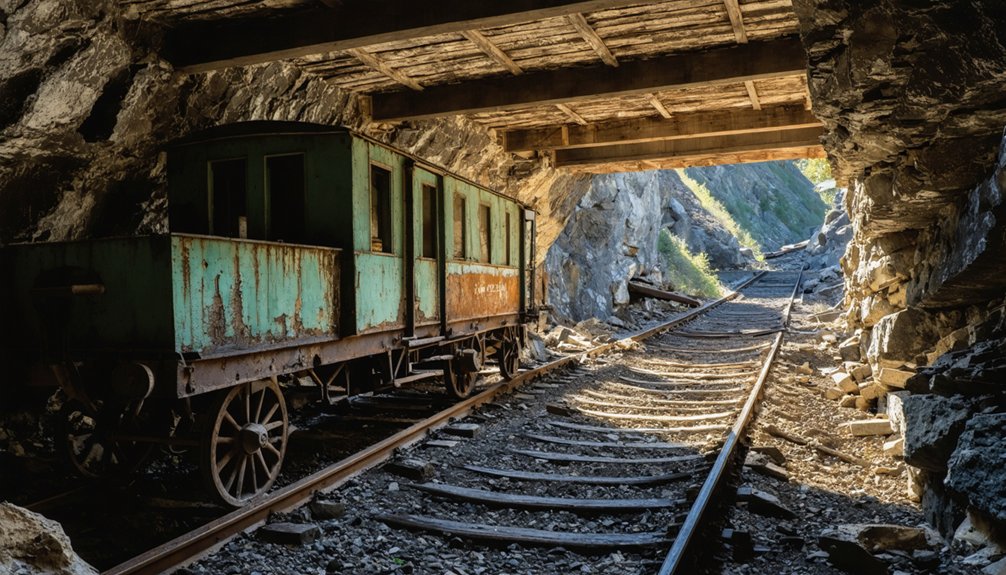
As you commence the journey to uncover Colorado’s forgotten silver treasures, understanding the historical foundations of the state’s mining legacy becomes not merely beneficial but vital.
The Colorado State Archives offer invaluable mine documentation dating from 1900-1980, organized by county and operation—resources that reveal geological formations, production volumes, and equipment details essential to your expedition planning.
Before venturing into any of Colorado’s 18,000 abandoned mines, recognize that these historical monuments harbor genuine dangers: unstable tunnels, toxic gases like radon, and chemical residues from complex ore processing.
Sites in Leadville, Gilman, and Aspen hold immense historical significance but demand thorough pre-exploration research. The silver boom in these areas was dramatically affected when the Sherman Silver Purchase Act was repealed in 1893, devastating Colorado’s economy and forcing many mines to close abruptly. The Leadville District alone produced an astonishing 240 million ounces of silver through 1963, making it Colorado’s largest silver district. Study local terrain, stratigraphy, and weather patterns that could affect your safety while traversing these remnants of Colorado’s economic transformation.
Essential Equipment for Abandoned Mine Adventures
The proper equipment transforms a potentially hazardous abandoned mine expedition into a manageable adventure through Colorado’s silver mining history. Your gear selection should prioritize safety without compromise: a hardhat with integrated cap lamp, durable gloves, lug-soled boots, and respiratory protection against century-old dust and potential gases. Always bring an air monitor to detect dangerous gases when exploring underground tunnels.
When properly equipped, Colorado’s abandoned silver mines transform from deathtraps to doorways into America’s industrial heritage.
For vertical explorations, invest in quality SRT equipment—a proper harness, Petzl Stop descender, and reliable ascenders. Training with professionals through local caving clubs is essential before attempting any vertical mine exploration.
Never enter these subterranean time capsules without redundant lighting sources; your primary headlamp should be supplemented with at least two backups. Equipment maintenance between expeditions guarantees reliability when you’re hundreds of feet underground.
Carry specialized tools—a small pry bar, folding shovel, and air quality monitors—allowing you to navigate these forgotten passages while respecting their historical significance. These silver-laden labyrinths demand proper preparation before revealing their secrets.
Understanding Environmental Hazards in Mining Areas
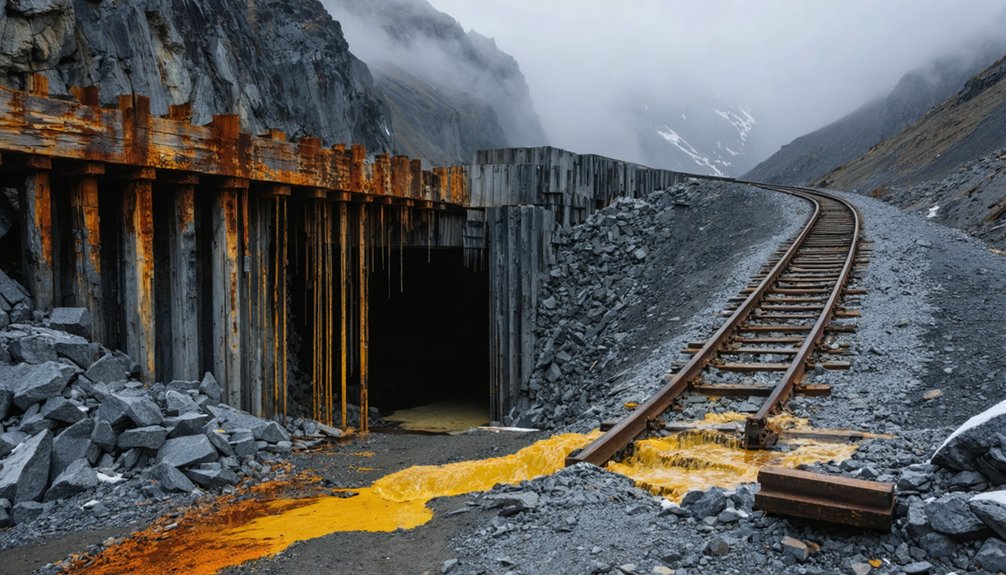
Beneath the romantic veneer of Colorado’s silver mining heritage lies a sobering environmental reality that explorers must confront before venturing into these historic landscapes.
As you trek through these weathered remnants of prosperity, you’re traversing watersheds potentially impacted by acid mine drainage affecting 89% of nearby streams.
The pollution impact extends far beyond visible rust-colored water. These silent killers—lead, cadmium, and arsenic—persist for decades, destroying aquatic ecosystems and threatening wildlife safety. The Animas River, which was turned orange during the 2015 Gold King Mine spill, supports drinking water and recreation for over 40 million Americans.
Consider that 80% of trout died when exposed to similar contaminated waters in Montana.
Approximately 4.7 billion gallons of polluted water are produced annually by just ten mines with active water treatment in Colorado.
Colorado’s 18,000 abandoned mines aren’t merely crumbling portals to the past; they’re ongoing sources of contamination affecting drinking water for millions.
When exploring these sites, recognize your footsteps trace watersheds where the industrial ambitions of yesterday still haunt today’s environment.
Legal Access and Ethical Exploration Guidelines
Traversing the complex legal terrain of Colorado’s forgotten silver mines requires careful attention to both federal statutes and state regulations before you commence your historical expedition.
You must respect trespassing laws that classify unauthorized mine entry as a punishable offense—potentially resulting in fines or jail time. Active mining claims, even on seemingly abandoned properties, remain legally protected; unauthorized removal of materials constitutes a federal crime under 18 USC 641.
Should you wish to pursue legitimate exploration, record any claims within mandated timeframes: 30 days for placer claims and 90 days for lode claims.
The emerging Colorado Good Samaritan Act may eventually shield conscientious explorers engaged in reclamation efforts, but currently, all cleanup activities require extensive permitting. These environmental liability concerns stem from the complexities of the Clean Water Act and CERCLA, which can deter individuals from participating in mine cleanup projects.
Always obtain permission from rightful owners and report hazardous conditions to state authorities. Be aware that all abandoned or inactive mines must have secure fencing and “No Trespassing” signs posted by their operators according to Colorado law.
Colorado’s Best-Preserved Silver Mining Sites to Visit
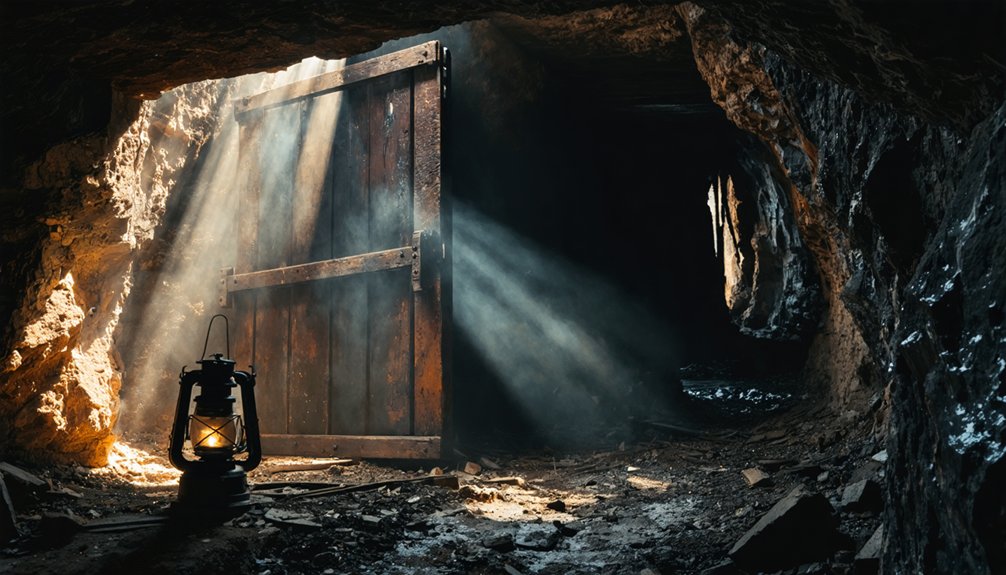
Five remarkably preserved silver mining sites dot Colorado’s mountainous landscape, each offering visitors a tangible connection to the state’s illustrious mining past.
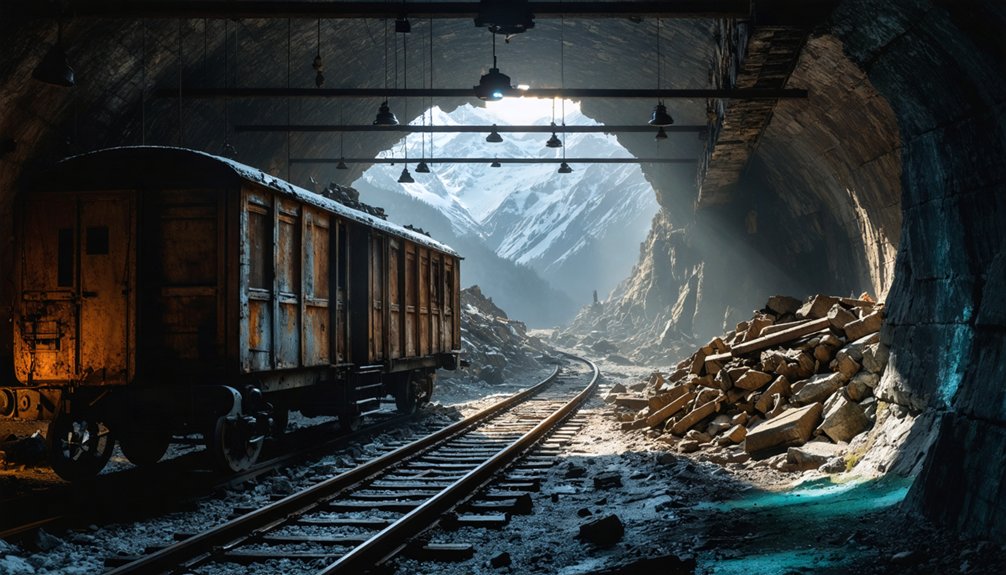
Silverton’s historic district, with its original buildings along Greene Street, allows you to experience the Old Hundred Gold Mine Tour, venturing deep into Galena Mountain aboard an authentic railcar.
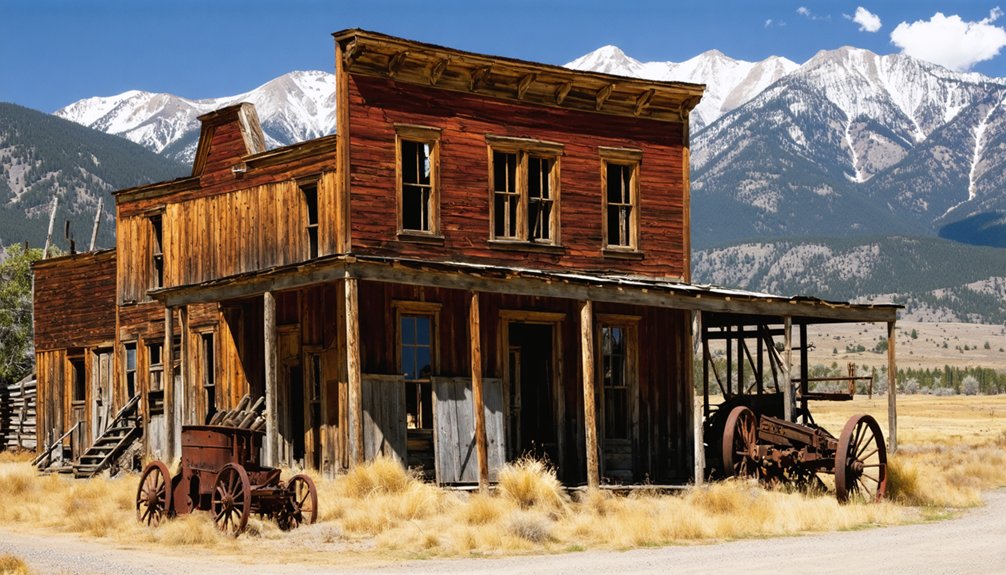
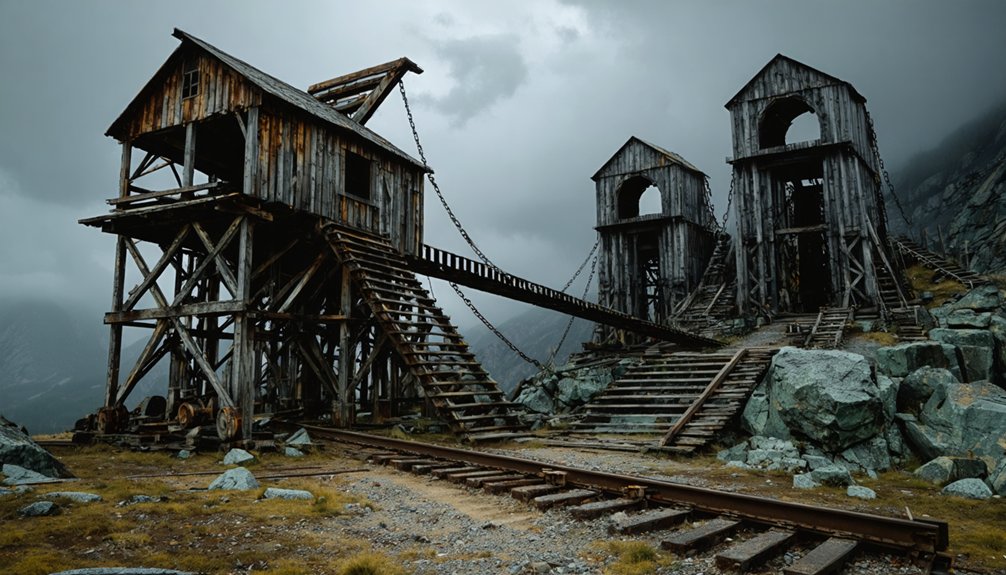
The Red Mountain Mining District reveals abandoned mills and atmospheric ghost towns like Ironton, where rusted ore carts rest among striking red soil and colorful aspens.
In Central City and Idaho Springs, you’ll discover Colorado’s earliest gold and silver discovery sites, featuring the impressive Argo Mill and Tunnel. The Phoenix Gold Mine offers family-led tours through narrow tunnels that showcase authentic mining operations.
Don’t miss Leadville’s Matchless Mine or Cripple Creek’s Mollie Kathleen Mine, where you can descend 1,000 feet underground to witness firsthand the conditions miners once endured. Always remember that treasure legends of buried gold continue to inspire exploration throughout Colorado’s historic mining regions.
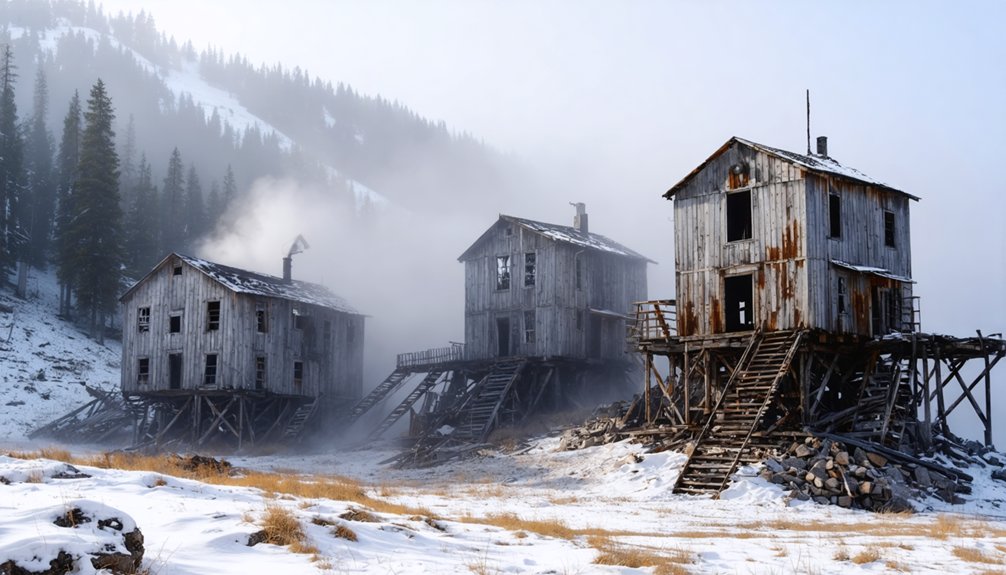
As you traverse through these historic sites, you’ll find yourself surrounded by ghost towns in Colorado landscapes that tell stories of ambition and hardship. Each abandoned building and rusted relic evokes a sense of nostalgia for a bygone era. Exploring these remnants offers a unique glimpse into the lives of those who once sought fortune in the rugged terrain.
Frequently Asked Questions
How Can I Distinguish Between Silver and Other Mineral Deposits?
Detect distinctive deposits by checking for metallic luster, mineral streak, and weight. You’ll find silver’s white-gray appearance contrasts with other minerals, especially when you’ve tested it with nitric acid.
Are There Professional Guides Specializing in Abandoned Mine Exploration?
Yes, numerous professional guides specialize in abandoned mine exploration, ensuring mine safety while respecting exploration ethics. You’ll discover these experts offer invaluable historical knowledge that breathes life into Colorado’s silver mining heritage.
What Wildlife Might Inhabit Abandoned Mines Today?
You’ll encounter remarkable bat habitats within mines, alongside mountain lions, bears, bighorn sheep seeking minerals, and small carnivores like ringtails. This complex mine ecology sustains surprisingly diverse wildlife communities despite human abandonment.
Can I Keep Small Artifacts Found Around Mine Sites?
Fascinated by relics of Colorado’s past? You cannot legally keep artifacts from public lands due to preservation laws, but items found on private property with explicit owner permission are collectible under current legal considerations.
How Do Seasonal Changes Affect Mine Stability and Accessibility?
Seasonal changes profoundly alter mine stability, as spring’s thaw increases mine collapse risks through weakened supports. You’ll find winter’s heavy snows severely restrict accessibility while summer’s thunderstorms weather timbers that once stood resilient against time.
References
- https://coloradogeologicalsurvey.org/wp-content/uploads/woocommerce_uploads/OF-19-12.pdf
- https://coloradogeologicalsurvey.org/hazards/aml/
- https://pubs.usgs.gov/publication/70173931
- https://in-situ.com/us/news/exploring-the-hydrological-impact-of-abandoned-mines-in-colorado
- https://www.uncovercolorado.com/colorado-mining-history-timeline/
- https://www.uchealth.org/today/ghost-towns-abound-in-colorado/
- https://archives.colorado.gov/collections/historic-mine-reports
- https://en.wikipedia.org/wiki/Colorado_Silver_Boom
- https://en.wikipedia.org/wiki/Silver_mining_in_Colorado
- https://coloradogeologicalsurvey.org/minerals/metals/