Taft, Montana sits off I-90 east of Spokane, tucked into the Bitterroot Mountains near Lookout Pass. You won’t find standing buildings here — fires and highway construction erased them long ago. What you will find is a rediscovered cemetery, historic bike trails, and one of the most violent backstories in American frontier history. Plan your visit for summer or fall when mountain passes are clear, and stick around — this town’s got more secrets worth uncovering.
Key Takeaways
- Taft, Montana is accessible via I-90 east of Spokane, with no local transportation, making a personal vehicle essential for your road trip.
- Visit during summer (June–August) for clear mountain passes, or fall for fewer crowds and excellent photography lighting conditions.
- Explore nearby ghost towns like Garnet, Bannack, and Burke, Idaho, to enrich your historical road trip experience.
- Pack layered clothing, sturdy boots, rain gear, water, food, printed maps, and a first aid kit for Bitterroot terrain.
- Base yourself in Wallace, Idaho, Superior, or Missoula, Montana, offering lodging options ranging from budget-friendly to full tourist services.
What’s Left of Taft, Montana Today
What remains of Taft today would fit in a single glance from your car window. A freeway exit on I-90 and a snowplow staging area mark the spot where 3,000 restless souls once lived outside the law.
No historical architecture survived — the 1910 fires finished what previous blazes started, and Interstate 90’s construction in 1962 erased whatever stubbornly remained.
But venture beyond the pavement, and cemetery preservation efforts are quietly rewriting the story. Researchers recently rediscovered Taft’s lone cemetery high in the Bitterroots using metal-detecting technology, uncovering approximately 72 graves, with 35 individuals identified so far.
Bike trails now thread through the silence where saloons once roared. You’re not visiting ruins here — you’re reading a landscape that swallowed its own history whole.
How Taft Earned “The Wickedest City in America”
When you dig into Taft’s history, the numbers hit hard — eighteen murders in the spring of 1907 alone, with seventeen more bodies surfacing as snow melted the following year.
A Chicago Tribune reporter who passed through in 1909 didn’t mince words, branding it “the wickedest city in America,” a title the town had more than earned.
You’re looking at a place where murder rates outpaced New York and Chicago combined, prostitution ranked as the second-largest profession, and twenty-three saloons kept the chaos well-fueled.
Crime Beyond Belief
Though Taft only existed for a handful of years, it packed enough vice and violence into that short span to shock even the most hardened frontier veterans. When spring thawed the mountain snow in 1907, seventeen dead bodies emerged from the ice — grim evidence of a winter’s worth of unchecked brutality.
Eighteen murders were reported that spring alone, numbers that outpaced New York and Chicago combined.
You won’t find historical architecture or local legends preserved in museums here — Taft’s stories survive only in cemetery soil and archived newspaper ink.
Prostitution ranked as the town’s second-largest profession, and roughly 23 saloons kept the violence well-lubricated.
This wasn’t romanticized frontier chaos; it was raw, unfiltered lawlessness that left real bodies buried in mountain ground.
Sin Town’s Dark Legacy
By 1909, Taft’s reputation had traveled far beyond the Bitterroot Mountains — a visiting Chicago Tribune reporter took one look at the place and branded it “the wickedest city in America.” That title wasn’t hyperbole.
What you’d have encountered was a town where murder rates eclipsed New York and Chicago combined, where prostitution ranked second only to railroad labor, and where local legends of violence passed between saloons like currency.
The historical architecture — if you can call rough-hewn shanties architecture — burned fast and rebuilt faster, sustaining a cycle of chaos that even Secretary Taft condemned as a “sewer of sin.”
Taft didn’t just earn its dark legacy; it lived it openly, defiantly, and without apology — exactly the kind of freedom that attracts the wrong crowd.
How the Taft Tunnel Built a Boomtown
What turned a nameless work camp into a roaring boomtown of 3,000 souls? A single, audacious engineering challenge: punch a 1.7-mile tunnel straight through the Bitterroot Mountains and breach the Continental Divide itself.
The Chicago, Milwaukee, St. Paul and Pacific Railroad needed muscle, and railroad construction drew thousands of rough, restless workers into these remote Montana peaks. Tunnel engineering on this scale demanded relentless labor, and where hard men gathered, raw commerce followed fast. Twenty-three saloons rose almost overnight to meet that demand.
The Taft Tunnel connected Montana to Idaho, transforming an impossible mountain barrier into a navigable passage. That single engineering feat created both the town’s explosive birth and, once the tracks were laid and the workers moved on, its inevitable death.
Taft Cemetery: The Ghost Town’s Last Physical Remnant
The tunnel built the town, but the cemetery outlasted everything. While Taft’s saloons, brothels, and shanties burned or were bulldozed for I-90, its burial ground survived — hidden beneath decades of mountain wilderness. There’s no historical architecture left standing, no streets to walk, no walls to touch. Just this cemetery, quietly holding roughly 72 souls from one of America’s most lawless chapters.
Cemetery preservation efforts have recently gained momentum, with metal-detecting technology helping researchers identify around 35 of those buried here. That’s half the story still waiting to be uncovered.
Situated high in the Bitterroots, just east of Lookout Pass, the site sits about 100 miles from Spokane. If you’re chasing authentic history off the beaten path, this forgotten ground delivers something no roadside marker ever could.
How to Get to Taft, Montana
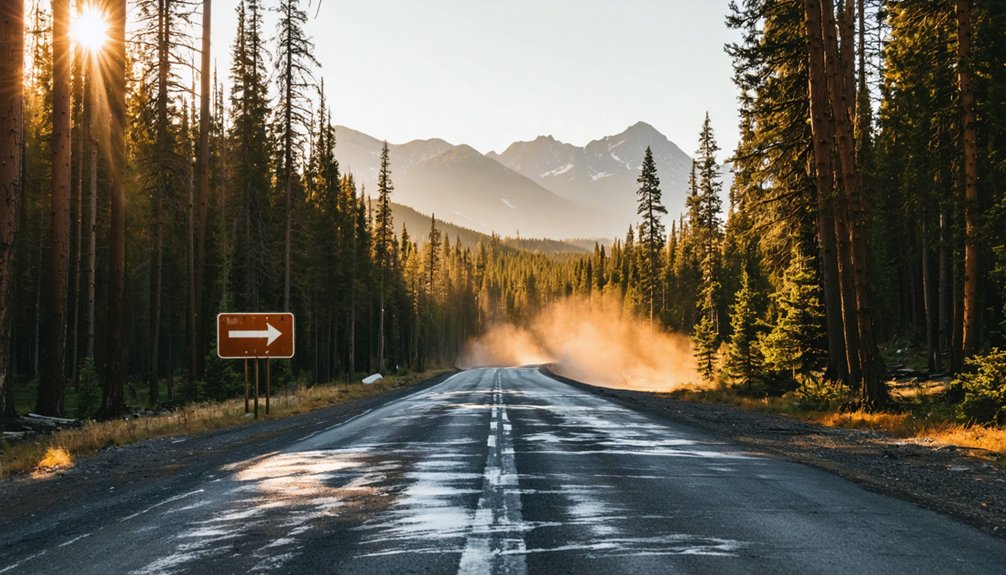
Getting to Taft means driving into a landscape that swallowed a city whole. Head west on Interstate 90 toward the Montana-Idaho border in Mineral County, roughly 100 miles east of Spokane. Watch for the Taft exit — a freeway sign marking ground where 3,000 souls once lived lawlessly among saloons and shadows.
There’s no local transportation serving this remote corridor, so bring your own wheels and fill the tank before you climb.
The road threads through the Bitterroot Mountains near Lookout Pass, offering scenic viewpoints that reveal why Secretary Taft once called this wilderness both beautiful and damned.
Bike trails now cut through the former townsite, rewarding those willing to ditch the car and explore on foot or two wheels. Freedom looks good up here.
When Should You Visit Taft?
Summer opens the best window for visiting Taft, when mountain passes clear and the Bitterroot high country becomes accessible without risking snow-choked roads near Lookout Pass. Urban exploration and historical preservation efforts peak during warmer months, giving you the best shot at experiencing everything this vanished boomtown offers.
Plan your visit around these seasonal advantages:
- June–August: Bike trails are fully accessible, cemetery grounds are easiest to navigate.
- September: Crowds thin, temperatures cool, fall light makes photography stunning.
- Avoid November–April: Snow buries Lookout Pass and closes access routes.
- Weekdays year-round: Fewer travelers sharing the I-90 exit and snowplow staging area.
Whatever season pulls you here, come ready to stand where America’s wickedest city once roared.
Hiking, Biking, and Skiing Near Lookout Pass
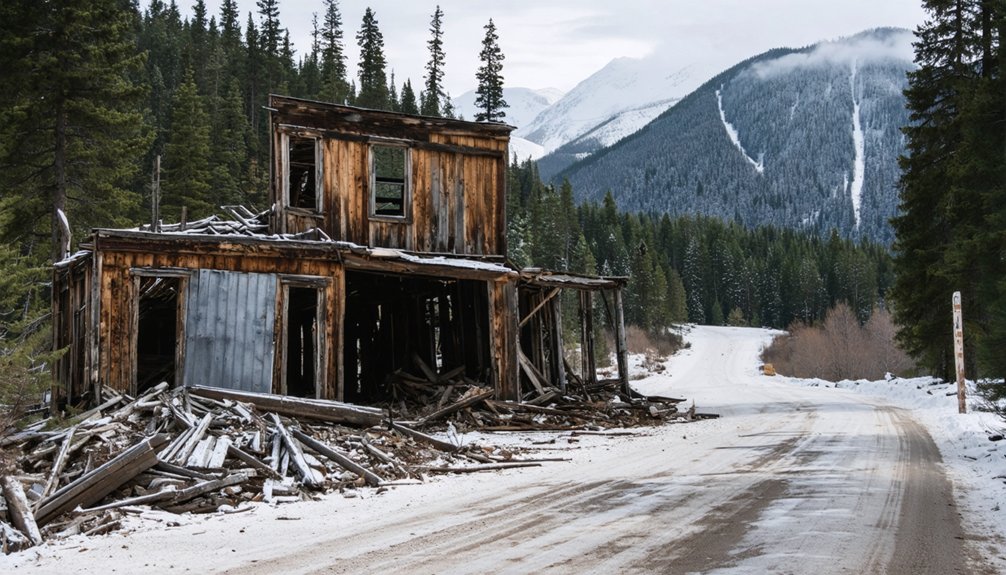
Beyond the ghost town’s silent footprint, Lookout Pass rewards visitors with year-round outdoor adventure that feels as wild as Taft’s lawless heyday. You’ll find bike trails cutting directly through the land where 23 saloons once roared with railroad workers.
Bike trails now cut through land where 23 saloons once roared — adventure built on a lawless past.
Pedal through wildflower fields blooming across terrain that once burned twice before 1910, and breathe mountain vistas stretching across the Continental Divide that Taft’s tunnel famously breached.
Come winter, Lookout Pass Ski Area transforms these same slopes into uncrowded runs straddling Montana and Idaho. Hikers explore trails connecting both states, tracing routes that railroad crews carved through the Bitterroots over a century ago.
Whether you’re skiing, riding, or hiking, you’re moving through land that swallowed an entire civilization — and kept its secrets buried deep.
Where to Stay When You Visit Taft, Montana
After a day skiing, biking, or hiking through land that once swallowed 3,000 souls, you’ll need somewhere to rest — and Taft itself won’t offer you a bed. The ghost town’s legacy lives in the landscape, not lodging.
Your closest options anchor around Lookout Pass and nearby Wallace, Idaho, a silver-mining town preserved with stunning historical architecture and solid tourist amenities.
Here are four lodging options worth considering:
- Wallace, Idaho — 12 miles west, rich with preserved Victorian storefronts
- Lookout Pass Ski Area Lodge — slope-side convenience for winter visitors
- Superior, Montana — 30 miles east, offering budget-friendly highway accommodations
- Missoula, Montana — 90 miles east, delivering full urban tourist amenities for comfort-seekers
Pick your base and ride into Taft’s haunted history daily.
What to Pack for Visiting Taft
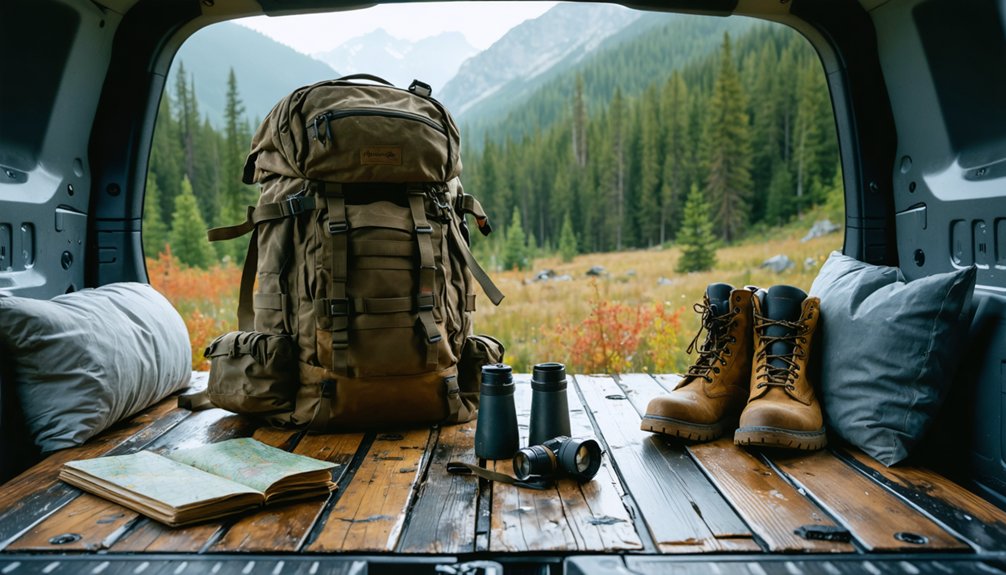
Packing for Taft means preparing for a place that offers nothing — no shops, no services, no shelter. You’re heading into high Bitterroot terrain, so bring layers, sturdy boots, and rain gear regardless of forecast. Water and food are non-negotiable.
If historical preservation matters to you, leave your own metal detector at home — archaeological discoveries here are protected, and the recently rediscovered cemetery deserves respect, not disturbance. Bring a camera instead. Document everything visually.
Pack a printed map since cell service gets unreliable near Lookout Pass. Toss in a first aid kit and tell someone your itinerary. This mountain stretch of I-90 demands self-sufficiency — fitting, really, for a town that once attracted souls who answered to nobody but themselves.
Ghost Towns Near Taft Worth a Detour
Once you’ve soaked in Taft’s dark history, you’ll find that the surrounding region along the Montana-Idaho border is rich with other forgotten boomtowns that rose and collapsed alongside the railroad and mining booms of the early 1900s.
Towns like Saltese and De Borgia in Mineral County once roared with the same restless energy as Taft, and they’re just a short drive along I-90.
You can string these sites together into a single road trip loop that traces the full arc of the region’s wild, fleeting prosperity.
Nearby Montana Ghost Towns
While Taft’s story is extraordinary on its own, the surrounding region of western Montana and northern Idaho is littered with ghost towns worth pulling off I-90 to explore. Pack your curiosity and hit these four stops:
- Garnet, MT – Montana’s best-preserved ghost town, packed with mining relics and weathered cabins frozen in time.
- Granite, MT – A silver-boom ruin perched high in the mountains, where railroad history shaped its dramatic rise and fall.
- Bannack, MT – Montana’s first territorial capital, now a state park where you can walk streets once ruled by outlaws.
- Elkhorn, MT – A remote silver camp offering raw, unrestored ruins that reward adventurous explorers willing to navigate back roads.
Each stop adds another layer to Montana’s wild, unfiltered past.
Idaho Border Abandoned Sites
Just across the Montana line, Idaho’s northern panhandle hides a string of abandoned settlements that rival Taft’s rough-edged legacy. Burke and Mullan once roared with mining relics and railroad history, their streets packed with workers chasing silver veins through the Coeur d’Alene Mountains.
You’ll find crumbling headframes and rusted ore cars scattered like forgotten punctuation across the landscape. Murray, Idaho’s earliest gold rush town, rewards the curious traveler with weathered storefronts still standing against mountain winds.
These sites sit within an hour of Lookout Pass, making them natural additions to your Taft itinerary. Drive the old mining roads, read the silence carefully, and you’ll understand why this stretch of the Idaho-Montana border once drew thousands of restless souls chasing dangerous promises.
Regional Historic Boomtowns
Venture deeper into Montana’s western fringe and the ghost town trail extends well beyond Taft’s notorious footprint. This region rewards explorers who chase historical architecture and local legends across rugged mountain corridors.
Four boomtowns deserve your detour:
- Garnet, Montana — One of the state’s best-preserved camps, where original structures still stand against brutal winters.
- Wallace, Idaho — A silver-mining hub packed with Victorian historical architecture and outlaw-era local legends.
- Saltese, Montana — A railroad settlement frozen in decline, sitting quietly along old Highway 10.
- Mullan, Idaho — A mining boomtown where local legends of violent fortune-seekers still echo through remaining buildings.
Each stop layers another chapter onto your road trip’s story, building a vivid portrait of the lawless, freedom-chasing West.
Frequently Asked Questions
Was Taft, Montana Ever Incorporated as an Official Town?
No, Taft never gained official incorporation. You’ll find no town charter buried beneath I-90’s asphalt—just wild, lawless legend. Ghost town tourism and historic preservation efforts now keep this untamed, sin-soaked mountain spirit gloriously alive for freedom-seeking adventurers.
Did William H. Taft Ever Return to the Camp After 1907?
There’s no record of Taft ever returning after 1907. You’d think haunted legends and ghost sightings might’ve drawn him back, but history shows he left that “sewer of sin” permanently behind.
Were Any Criminals From Taft Ever Prosecuted for Their Crimes?
The records don’t show prosecutions for Taft’s historic criminal acts — justice wasn’t exactly rushing to this ghost town legend. You’d have better luck finding law in a saloon than a courtroom there!
How Many Railroad Workers Were Employed at Taft During Peak Construction?
The exact railroad employment figures aren’t documented, but you’d have found a construction workforce wild enough to push Taft’s population to nearly 3,000 fearless souls, carving a tunnel through the unforgiving Bitterroot Mountains.
Are Any Descendants of Taft Residents Known to Exist Today?
With 3,000 souls once roaming Taft’s wild streets, descendants likely exist today. You’ll find no formal family reunions, but local legends keep these restless spirits alive — their untamed blood still flowing freely somewhere out there.
References
- https://spokanehistorical.org/items/show/465
- https://en.wikipedia.org/wiki/Taft
- https://www.youtube.com/watch?v=zbl9h9DU7Pc
- https://www.explorebigsky.com/a-name-without-a-place/33494
- https://www.facebook.com/ghosttownsandhistoryofmontana/posts/the-railroad-town-of-taft-mt-sprang-up-in-the-early-1900s-and-grew-to-a-populati/1433752265447172/
- https://www.spokesman.com/stories/2020/jan/19/idaho-miner-helps-rediscover-lawless-bitterroot-bo/
- https://www.youtube.com/watch?v=EfqtMv3faes