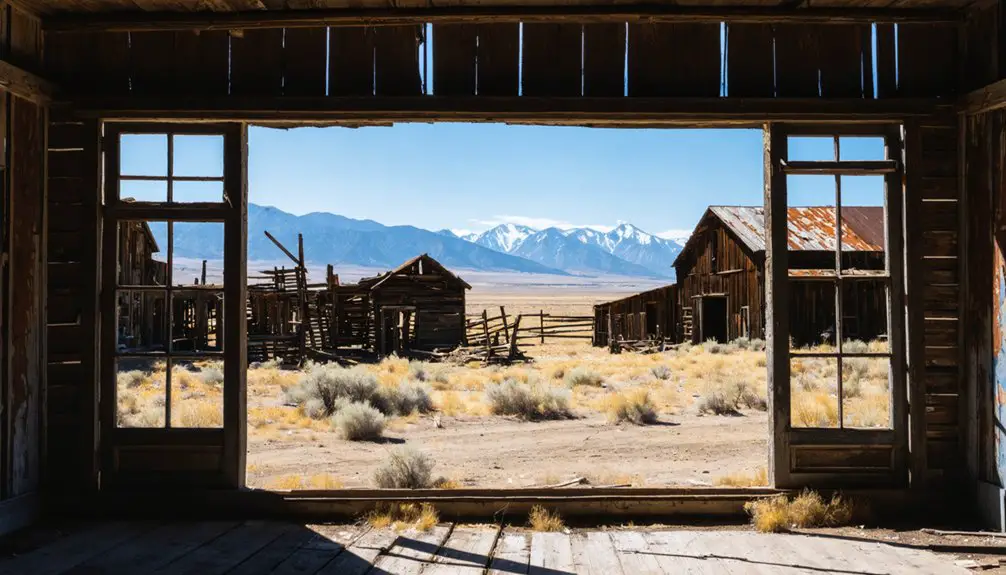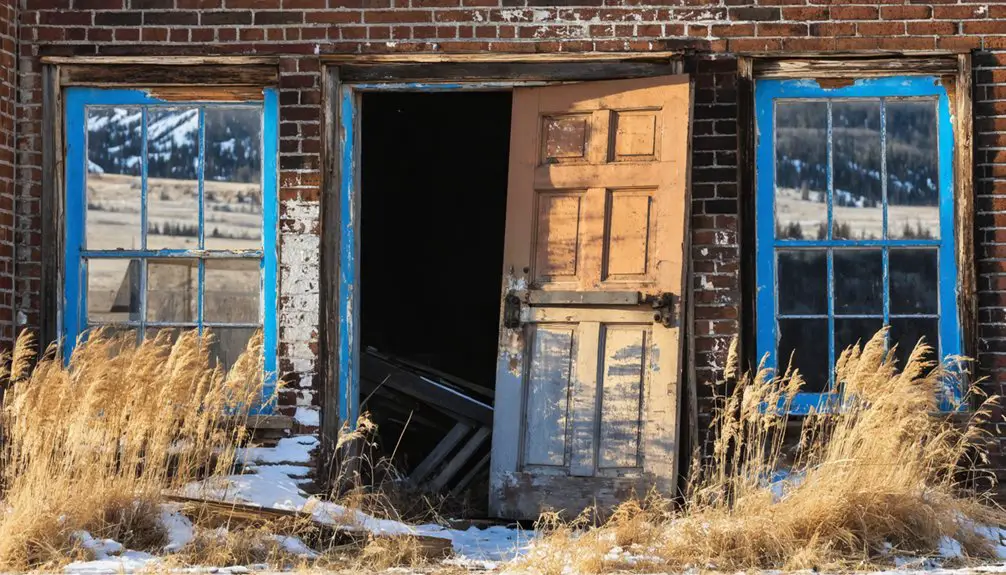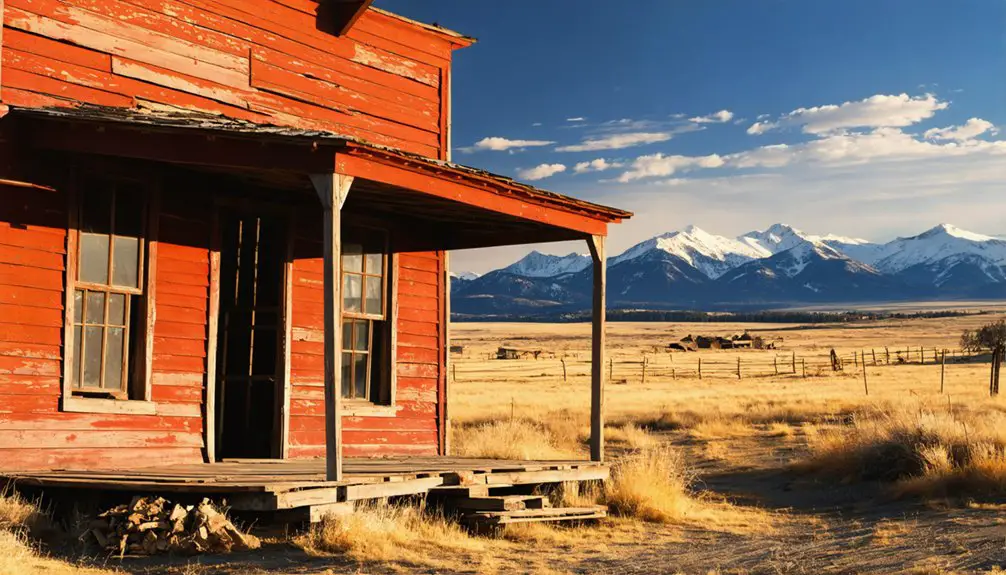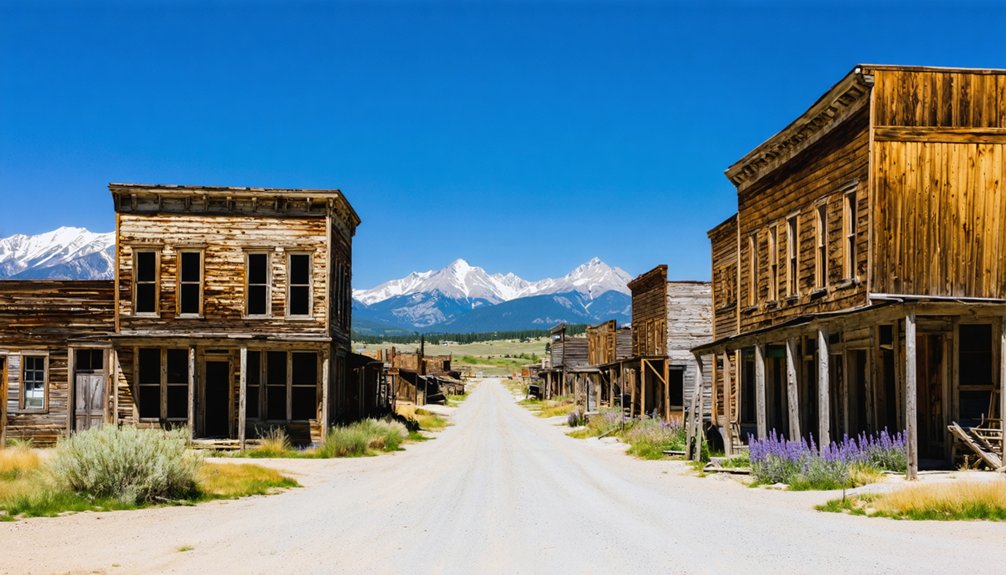
You’ll find Montana’s best summer ghost towns between late May and September when mountain roads shed their snow and weathered structures emerge under endless skies. Bannack State Park offers 50+ authentic buildings including gallows and saloons, while Virginia City blends living history with $50 million worth of gold rush heritage. Garnet sits remote at 6,000 feet with 30 restored structures, and family-friendly Nevada City lets you sleep in miners’ cabins. The guide ahead reveals accessibility tips, packing essentials, and route strategies for your frontier adventure.
Key Takeaways
- Bannack State Park features over 50 preserved original buildings and hosts “Bannack Days” reenactments in July with optimal summer accessibility.
- Virginia City operates as a living museum with over 100 inhabited structures and extracted $50 million in gold from Alder Gulch.
- Nevada City offers family-friendly experiences including overnight miner’s cabin stays, vintage train rides, and living history interpreters on summer weekends.
- Garnet Ghost Town contains 82 original structures at 6,000 feet elevation with visitor center operating late May through September.
- Summer months (late May-September) provide best access, warm weather, and fewer tourists before winter road closures restrict exploration.
Bannack State Park: Montana’s Premier Preserved Ghost Town
When you step onto the dusty main street of Bannack State Park, you’re walking into Montana’s most authentic ghost town—a place where over 50 original buildings stand frozen in what preservationists call “carefully preserved dilapidation.”
Unlike the tourist-trap recreations you’ll find elsewhere, Bannack hasn’t been restored or prettied up.
Bannack preserves authentic decay rather than polished reconstructions—weathered wood and crumbling brick tell truer stories than fresh paint ever could.
The ghost town architecture tells raw stories: four saloons, a brewery, the brick governor’s mansion, jail cells with gallows views. Each weathered structure survives Montana’s preservation challenges—harsh winters, vandalism threats, and time itself—maintained just enough to prevent collapse while keeping that 1860s atmosphere intact.
You’ll find this Wild West relic in southwest Montana near Grasshopper Creek, where John White first struck gold in 1862. The gold’s exceptional purity—reaching 99-99.5% compared to the typical 95%—drew miners in droves and fueled Bannack’s explosive growth.
The town’s rapid expansion included blacksmith shops, hotels, a grocery store, and restaurants serving a population that would eventually reach approximately 10,000 residents.
Summer’s your best window for exploring these buildings that once housed 10,000 fortune-seekers before the town died with its depleted mines.
Virginia City: Living Museum of the Gold Rush Era
Unlike Bannack’s quiet preservation, Virginia City pulses with controlled chaos—a living museum where you can buy antiques in 1860s storefronts, watch melodramas in the original opera house, and dodge the occasional horse-drawn wagon on Wallace Street.
This town extracted $50 million in gold from Alder Gulch, building Montana’s territorial capital from 1865-1875.
Ghost town preservation here feels different—over 100 structures stand inhabited, not empty. You’ll wander past shops occupying buildings that housed 10,000 fortune-seekers in 1864. The settlement stretched as “Fourteen-mile City”, with districts extending along Alder Gulch from Fairweather to Junction.
Outside town, rusted dredges and tailings piles showcase mining technology that clawed $9 million from worked-over claims between 1899-1922.
The Bovey family’s 1940s restoration effort created this hybrid experience—part museum, part functioning community, wholly authentic to its gold rush bones. The town developed Montana’s first newspaper, establishing communication infrastructure that distinguished it from other mining camps.
Nevada City: Family-Friendly Ghost Town Experience
Just 1.5 miles down the road, Nevada City offers something Virginia City can’t—the chance to sleep in an actual miner’s cabin from 1863. You’ll wake up surrounded by ghost town architecture that’s been carefully preserved since the gold rush days, not reconstructed for tourists.
The Music Hall holds the largest collection of automated music machines outside the Smithsonian—wind-up orchestras that once entertained rowdy miners.
On summer weekends, living history interpreters share mining town folklore while you wander freely among over 100 authentic buildings. Kids can explore the jail, peek into the Star Bakery, and ride the vintage steam locomotive connecting both towns. The museum opens from late May through early September, with last entry at 5 PM daily to give visitors time to fully explore before closing. The town served as a filming location for productions like “Little Big Man” and “Return to Lonesome Dove”, with several preserved structures doubling as authentic Old West sets.
These aren’t movie sets—they’re real structures where prospectors actually lived, fought, and dreamed of striking it rich in Alder Gulch.
Garnet Ghost Town: Remote Mountain Mining Settlement
At 6,000 feet in the Garnet Mountains, you’ll discover Montana’s best-preserved ghost town, where 16,000 visitors annually walk through original buildings still furnished as miners left them. The summer visitor center opens up access to J.R. Wells Hotel, Dahl’s Saloon, and Kelly’s Bar—structures that once served nearly 1,000 gold-seekers during the 1898 boom at Nancy Hanks Mine.
Unlike commercialized sites, Garnet maintains its authenticity across 82 buildings, allowing you to wander freely through a settlement frozen in time since its 1912 fire and World War II abandonment. The town takes its name from the ruby-colored garnet stones discovered throughout the surrounding area. Between 1897 and 1917, the town’s fifty mines produced approximately $9.5 million in minerals, establishing it as one of Montana’s most productive mining districts despite never having an initial bonanza strike.
Preserved Buildings and Structures
Walking through Garnet feels like stepping onto a movie set frozen in time, except these weathered structures tell genuine stories of Montana’s mining era.
You’ll find over 30 restored buildings among more than 80 original structures still standing. The J.R. Wells Hotel, Dahl’s Saloon, and Kelly’s Bar welcome exploration, while F.A. Davey’s Store retains its authentic features.
Notable preserved sites you can explore:
- Dahl House – The town’s finest home, built in 1938, served as Marion Dahl’s speakeasy during Prohibition
- Abandoned cabins – Furnished interiors remain untouched, preserving daily life snapshots
- Commercial district – Multiple saloons and hotels maintain structural integrity
- Wooden buildings – Over 20 original timber structures defy harsh mountain winters
- Interior access – Most buildings allow walk-through experiences
Structural preservation efforts began in 1970, ensuring these relics remain accessible for independent explorers. The restoration was significantly supported by $90,000 donated artifacts that helped establish the town’s interpretive displays and memorabilia collections. The town’s preservation over restoration philosophy allows these structures to authentically convey their historical role rather than appear artificially complete.
Summer Visitor Center Access
When summer finally opens Garnet’s remote mountain roads, the visitor center on Main Street becomes your gateway to understanding this 6,000-foot-high ghost town.
Open daily from late May through September (10:00 am to 4:30 pm), it’s positioned right where you’ll want to start—surrounded by the hotel, general store, and saloon remains.
Visitor amenities make exploration easier: grab interpretive trail brochures, browse books and memorabilia, or pick up old bottles to match with their original uses.
The scavenger hunt adds another layer of discovery. You’ll pay just $3 (over 16) at the parking lot fee box, supporting preservation efforts managed by BLM and the Garnet Preservation Association.
Historical accuracy drives every interpretive sign along the self-guided trails, connecting you authentically to Garnet’s mining past.
Historical Mining Town Peak
Gold fever transformed a remote Montana mountainside in 1895 when miners struck it rich at the Nancy Hanks Mine, pulling $690,000 from the earth in a single year.
You’ll discover authentic mining history as you explore where 1,000 souls once chased fortunes through boom times that peaked in 1898.
What made Garnet’s peak years legendary:
- Families built a complete town with schools, hotels, and saloons on unstable ground
- Miners extracted millions in gold between 1862-1916, with 95% gold plus silver and copper
- Fifty mines operated simultaneously in the surrounding mountains
- The town maintained surprisingly low crime despite saloons and bawdy houses
- Supply trains hauled provisions from Missoula and Deer Lodge along treacherous mountain routes
Today’s town preservation efforts maintain thirty original structures through arrested decay, letting you walk through Montana’s best-preserved ghost town.
Elkhorn State Park: Photographer’s Paradise Near Helena
You’ll find Montana’s most photographed ghost town buildings standing sentinel in the Elkhorn Mountains—Fraternity Hall and Gillian Hall, perfectly preserved evidence of 1880s boom times when 2,500 souls chased $14 million in silver.
I’ve watched countless photographers circle these weathered structures during summer’s golden hour, capturing the way afternoon light slices through empty windows and illuminates hand-hewn timber.
The 18-mile drive northeast from Boulder shifts from pavement to maintained gravel, delivering you to this sub-acre state park where fewer than a dozen residents still call home.
Historic Halls and Photography
- Fraternity Hall’s neo-classical balcony and false front blend elegance with frontier grit
- Gillian Hall served dancers before its famous neighbor existed
- Both buildings earned spots in the Historic American Buildings Survey
- Historic preservation efforts maintain Montana’s smallest state park (under one acre)
- Best photography opportunities emerge July through early fall
You’ll find these structures standing defiant against time, offering unmatched Wild West authenticity for your camera and imagination.
Summer Access and Location
Getting to Elkhorn State Park requires commitment, but the journey rewards photographers with Montana’s most pristine ghost town setting.
You’ll drive 50 miles from Helena—take I-15 South to exit 164, then Highway 69 through Boulder before turning onto Elkhorn Road. The final stretch crosses maintained gravel suitable for passenger vehicles year-round, though you’ll share it with ATVs and motorcycles.
Summer camping isn’t available on-site, but you’re nestled within Beaverhead-Deerlodge National Forest‘s dispersed camping areas. The Elkhorn Picnic Area, just 0.02 miles before town, offers the only public restroom and tables.
Expect zero cell service and plan accordingly—you’re truly off-grid here. Local wildlife frequently crosses these roads, so stay alert. The $8 entrance fee grants you access to photographing weathered buildings without tourist crowds.
Marysville Ghost Town: Convenient Day Trip From the Capital
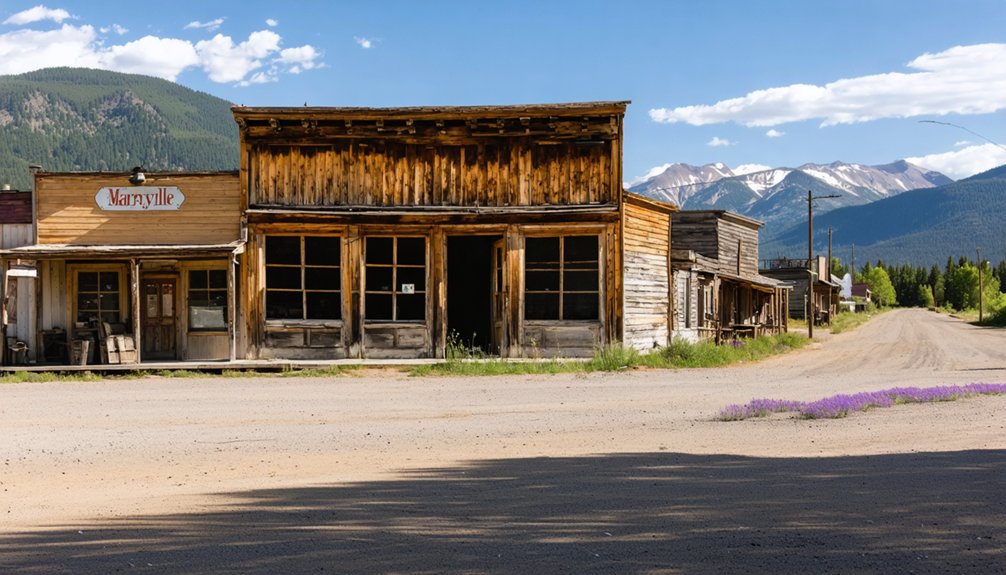
Just a half-hour drive northwest of Helena sits Marysville, one of Montana’s most accessible ghost towns and a proof to the state’s glittering gold rush past. Tommy Cruse’s 1876 discovery on Silver Creek transformed this settlement into a world-leading gold producer, with the legendary Drumlummon Mine yielding $50-60 million through advanced mining techniques.
Today’s Marysville offers authentic exploration without crowds:
- Historic structures including the 1886 Methodist-Episcopal Church and 1895 Shaffer Mercantile on the National Register
- Visible mining remains scattered across hillsides, telling stories of extraction and fortune
- Fewer than 100 residents preserving its semi-ghost town character
- Small-scale mining operations continuing the legacy
- Local legends of hauntings and unearthly spirits adding mystique
This underappreciated gem delivers genuine Western history without tourist trappings—just raw, accessible freedom to wander.
Best Time to Visit Montana Ghost Towns
You’ll find Montana’s ghost towns most rewarding between late May and September, when mountain roads shake off their winter snow and visitor centers swing open their doors.
As the landscapes transform, the charm of abandoned towns in Montana’s spring captures the imagination of explorers. Overgrown streets tell stories of the past, inviting visitors to uncover hidden histories. Each stop offers a unique glimpse into a time when these towns thrived amid the stunning backdrop of the Montana wilderness.
Just like winter adventures in Virginia City, which bring a breathtaking beauty to the landscape, these forgotten towns offer their own unique allure as seasons change. Visiting during springtime allows explorers to witness nature’s revival against a backdrop steeped in history, enriching each moment spent in these rare locations. The mystique of the past mingles with the vibrant life of the present, creating unforgettable experiences for those who wander through.
I’ve learned the hard way that timing matters—arrive in July and you’ll catch Bannack Days‘ crackling campfires and costumed interpreters, while a mid-September visit still offers warm afternoons for exploring sun-bleached buildings before the season slams shut.
Winter transforms these high-elevation sites into frozen, inaccessible relics, making summer your essential window for wandering through weathered saloons and abandoned mine shafts.
Summer Weather and Accessibility
Montana’s ghost towns emerge from their winter slumber between May and October, when gravel roads dry out and mountain passes shed their snowpack. You’ll find southwestern Montana’s warm days perfectly balanced by cool nights—ideal for wandering weathered boardwalks without crowds or constraints.
As you explore these historic ghost towns in Montana, you’ll encounter remnants of a bygone era, with rusty mining equipment and crumbling facades that tell stories of resilience and adventure. Each town offers a unique glimpse into the past, making every visit a journey through time amidst the breathtaking Montana landscape. Don’t forget to bring your camera to capture the haunting beauty of these deserted places, especially as the golden hour casts a warm glow over the decaying structures.
Climate considerations and accessibility tips for your exploration:
- Garnet stays pleasantly cool under forest canopy even mid-summer, though you’ll need 4WD for spring or fall visits.
- Pack layers, water, and sunscreen—shade from preserved buildings offers only occasional relief.
- Check current road conditions before departing; remote sites north of Missoula require gravel road navigation.
- Bring $10 cash for Garnet’s admission fee supporting preservation efforts.
- Mountain breezes naturally cool higher elevations while Bannack’s sunlit streets showcase 50+ structures against brilliant skies.
Leashed pets can join your adventure at most locations.
Event Schedules and Reenactments
While ghost towns whisper their stories year-round, special events breathe temporary life back into these preserved settlements. Bannack State Park hosts its signature Bannack Days every third weekend in July, where historical reenactments transform the dusty streets into a bustling 1860s mining camp.
You’ll find blacksmiths hammering at their forges, gold panners working the creeks, and over 50 original buildings open for exploration. Live demonstrations teach old-time skills while period-dressed locals share stories from Hotel Meade’s breakfast tables.
Beyond Bannack, summer brings Montana alive with the Montana Folk Festival (July 11-13) and Ghost Towns and Guitars tours featuring campfire sing-alongs and native drum circles. These events let you experience frontier life authentically—no velvet ropes or sterile museum cases blocking your connection to the past.
Winter Limitations and Closures
Summer’s festivals and reenactments create magical moments at Montana’s ghost towns, but harsh mountain winters tell a different story. Garnet Ghost Town closes its access road to wheeled vehicles January through April, when snow blankets scenic viewpoints at 6,000-6,500 feet.
You’ll need snowmobiles, skis, or snowshoes to reach these sites—perfect for spotting wildlife encounters in pristine silence.
Winter access challenges include:
- Road closures from January 1 to April 30 for all vehicles
- Visitor center shutdown during winter months (self-guided only)
- Cabin rentals requiring advance booking through Missoula BLM
- Spring access dependent on unpredictable snowmelt conditions
- No summer camping permitted at Garnet year-round
Plan your ghost town adventures between May and September for unrestricted exploration and open facilities.
What to Bring for Your Ghost Town Adventure
Before you set out to explore Montana’s abandoned settlements, you’ll need the right gear to handle everything from blazing summer sun to sudden mountain squalls. Your packing checklist starts with layers—mornings break cold at higher elevations like Coolidge, then temperatures soar by afternoon. Pack sturdy boots for gravel paths, sunscreen, and a wide-brimmed hat.
Mountain weather shifts fast—dress in layers, bring sun protection, and wear boots tough enough for rough ghost town terrain.
Critical safety tips: carry bear spray everywhere, especially around forested sites. Bring emergency supplies and spare tires for remote gravel routes to places like Garnet. Download maps since cell service vanishes in the mountains.
Don’t forget refillable water bottles—dehydration sneaks up fast.
Add a camera for Bannack’s fifty-plus structures, a flashlight for dim interiors, and cash for admission fees. Pack out everything you pack in.
Planning Your Montana Ghost Town Road Trip
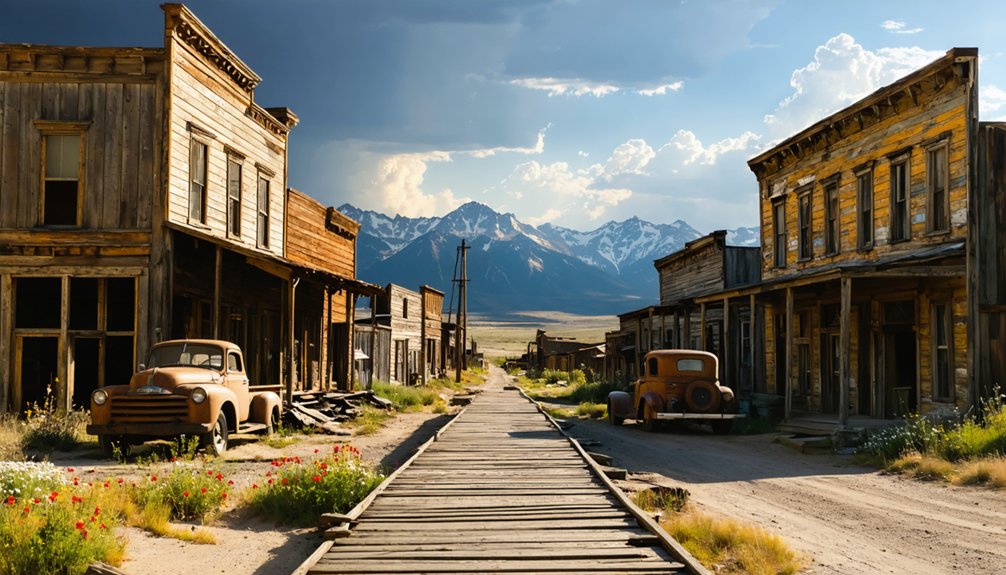
Montana’s ghost towns scatter across 147,000 square miles like forgotten puzzle pieces. Connecting them requires strategic route planning that balances driving time with exploration hours.
Multi-Day Route Options:
- Five-Day Ghost Town Route: Start at Glacier National Park, drive MT-83 through Seeley-Swan Valley to Garnet, then continue south to Yellowstone.
- Weekend Bozeman Loop: Hit Granite, Elkhorn, Bannack, and Garnet via scenic byways. Wildflower blooming occurs from June through August.
- Southwest Montana Circuit: Navigate Big Hole Valley, connecting Virginia City, Nevada City, Bannack, and Coolidge.
- Pioneer Mountain Byway: Link Coolidge, Crystal Park, Elkhorn Hot Springs, and Bannack in one stunning drive.
- Wildlife Sightings: Expect bears, elk, and moose—pack bear spray and binoculars.
Start early. Summer daylight extends your exploration window considerably.
Preserving Montana’s Mining Heritage
While you’re exploring weathered cabins and rusted mining equipment, a massive preservation effort works behind the scenes to guarantee future generations can walk these same paths. Montana’s Heritage Commission manages over 500 state-owned heritage properties, repairing 78 buildings through professional stabilization while maintaining Virginia City and Nevada City‘s authentic character.
Mining relics tell stories through the Montana Bureau of Mines and Geology’s irreplaceable collection—thousands of mining maps, photographs, and engineering reports now digitized for public access.
Heritage preservation doesn’t just protect crumbling structures; it fuels Montana’s economy with $21.6 million annually while creating jobs across rural communities.
The $5.9 million Montana Historic Preservation Grant Program spreads across 21 communities, ensuring these ghost towns remain accessible adventures rather than forgotten memories.
Frequently Asked Questions
Are Dogs Allowed at Montana Ghost Town Sites?
Yes, you can bring your leashed dog to Montana ghost town sites. While historical preservation restricts pets inside buildings, you’ll find visitor safety guidelines guarantee your furry companion explores the outdoor areas alongside you freely.
Can You Camp Overnight Near These Ghost Towns?
You’ll find camping options vary by location—Bannack offers designated sites for history preservation and photography opportunities, while Garnet restricts camping within half-mile. Dispersed camping’s available on surrounding public lands, giving you freedom to explore responsibly.
Do Ghost Towns Have Cell Phone Service or Wifi?
Most Montana ghost towns offer zero cell service or wifi connectivity. You’ll find complete digital silence at remote sites like Garnet—no bars, no internet, just wilderness. Pack offline maps and embrace the disconnected freedom these abandoned places provide.
Are Montana Ghost Towns Wheelchair Accessible for Disabled Visitors?
Your mileage may vary—Garnet and Bannack offer accessibility improvements with level paths and wheelchair-friendly facilities, balancing historical preservation with visitor needs. You’ll find handicapped parking, vault toilets, and interpretive displays, though terrain challenges remain at undeveloped sites.
Which Ghost Towns Offer Guided Tours Versus Self-Guided Exploration?
Virginia City offers guided tours with narration and Ghost Walks, while Garnet and Nevada City let you roam freely among historical preservation sites. Both options provide stellar photography opportunities—you’ll capture authentic stories whether you’re following a guide or wandering solo.
References
- https://www.roamingnearandfar.com/montana-ghost-towns-near-helena/
- https://www.mountain-home.com/blog/vacation-planning/guide-montana’s-ghost-towns
- https://practicalvagabonds.com/southwest-montana-ghost-towns/
- https://www.youtube.com/watch?v=BNDINIXiOqw
- https://glaciermt.com/ghost-towns
- https://visitmt.com/things-to-do/ghost-towns
- https://fwp.mt.gov/stateparks/bannack-state-park
- https://www.legendsofamerica.com/mt-bannack/
- https://www.roadunraveled.com/blog/bannack-ghost-town-montana/
- https://southwestmt.com/blog/bannack-haunting-montana/