You’ll find Oklahoma’s ghost towns aren’t quite dead—preserved sites like Pawnee Bill Ranch, Bartlesville’s historic district, and areas near abandoned mining camps host seasonal festivals, Halloween ghost walks, and living history reenactments year-round. These events transform weathered structures and forgotten streets into venues for paranormal investigations, frontier demonstrations, and heritage celebrations that connect you directly to the state’s boom-and-bust past. Whether you’re seeking October haunted attractions or educational tours, these active destinations offer authentic experiences where history comes alive through community-organized programming throughout the year.
Key Takeaways
- Oklahoma has approximately 2,000 ghost towns from various eras, many serving as venues for annual festivals, reenactments, and tours.
- Pawnee Bill Ranch hosts guided tours featuring storytelling of urban legends and historical narratives throughout the year.
- Bartlesville’s Historic Downtown organizes ghost walks departing every 15 minutes over two nights during seasonal October celebrations.
- Castle of Muskogee holds an annual Halloween Festival with haunted hayrides, themed attractions, and immersive historical experiences.
- Heritage villages and abandoned sites offer year-round educational programs, including photography workshops, genealogy research, and after-dark storytelling tours.
Understanding Oklahoma’s Ghost Town Heritage and Event Culture
Across Oklahoma’s diverse landscape, approximately 2,000 ghost towns mark the rise and fall of communities that once thrived with commerce, families, and dreams.
Two thousand ghost towns across Oklahoma stand as silent monuments to communities where commerce once flourished and families built their dreams.
You’ll find these settlements scattered from Sequoyah County’s Tahlonteeskee, abandoned in 1839, to towns evacuated as recently as 2010.
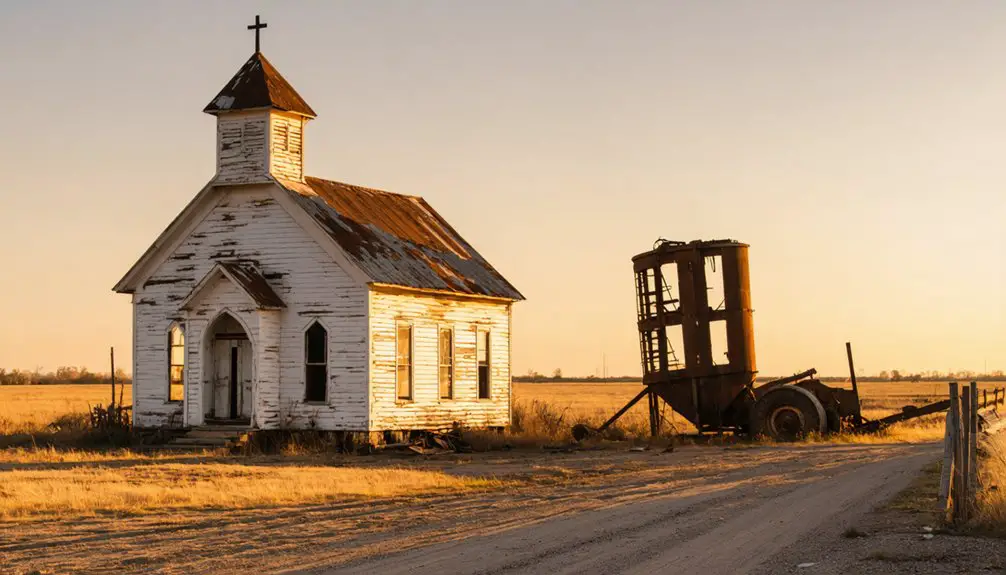
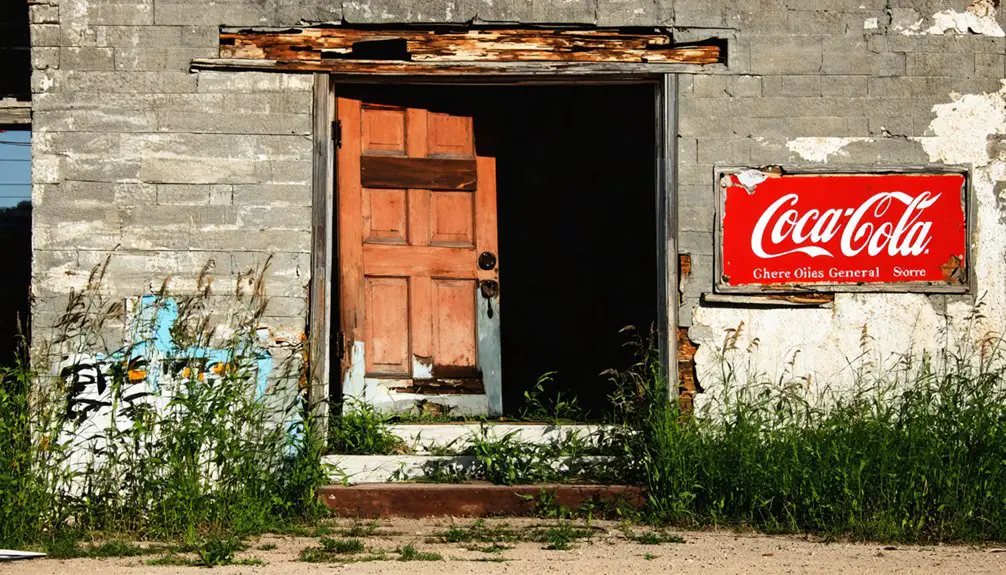
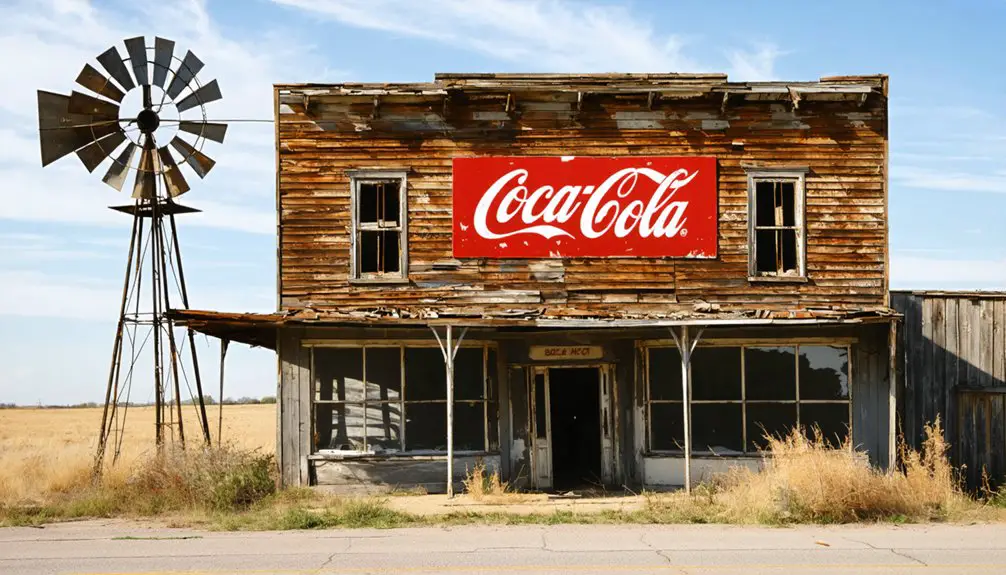
Economic busts, bypassed railroad lines, and natural disasters erased entire communities, leaving behind ghost town architecture like faded signs, stone foundations, and weathered cemeteries.
Many originated as liquor towns, boomtowns, and mining towns, serving specific economic and social purposes before their eventual decline.
Yet some settlements won’t surrender to time.
Towns like Wanette preserve their heritage through annual gatherings—the Picnic & Carnival has drawn crowds since 1920.
Gray Horse maintains its Native American ceremonial traditions through dances held every June at the historic Roundhouse, rebuilt three times since the early 1900s.
These celebrations represent more than nostalgia; they’re acts of defiance against preservation challenges.
You’ll discover communities refusing to become forgotten footnotes, instead transforming remnants of the past into living traditions that honor Oklahoma’s resilient spirit and independent character.
Seasonal Celebrations at Preserved Ghost Town Sites
Oklahoma’s ghost town sites transform each October into stages for celebrating the state’s haunted heritage. You’ll discover preserved locations hosting folklore festivals that blend historical preservation with spine-tingling entertainment.
The Pawnee Bill Ranch offers guided tours through its big barn, log cabin, and mansion where urban legends come alive through storytelling. Meanwhile, Bartlesville’s downtown historic district becomes an evening walking experience exploring haunted sites.
These seasonal celebrations let you explore Oklahoma’s past without restrictions—tours run rain or shine, departing frequently to accommodate your schedule. Visitors can participate in hands-on activities like a virtual scavenger hunt that explores databases, analyzes footage, and researches paranormal topics. Each tour experience limits groups to 25 people to enhance safety and ensure an intimate atmosphere.
Featured Ghost Town Celebrations:
- Pawnee Bill Ranch tours every 30 minutes from 6:30-9 p.m., $5 admission
- Bartlesville Ghost Walk departing every 15 minutes over two October evenings
- Castle of Muskogee’s annual Halloween Festival at preserved historical village
- Metro Library Paranormal Fest showcasing local hauntings and regional folklore research
Halloween and Paranormal Activities in Abandoned Communities
Beyond the preserved sites with scheduled programming, several abandoned Oklahoma communities draw paranormal enthusiasts who conduct their own investigations year-round, with activity peaking each October.
Abandoned Oklahoma towns become hotspots for paranormal investigators throughout the year, with ghost-hunting activity reaching its peak every October.
You’ll find independent researchers exploring deteriorating structures where former residents left haunted relics behind—rusted farm equipment, crumbling schoolhouses, and forgotten cemeteries that fuel countless ghost stories.
These paranormal expeditions operate outside formal event schedules, driven by community folklore and historical documentation of unexplained phenomena.
While property access varies by location and ownership, dedicated investigators respect boundaries while documenting electromagnetic anomalies and temperature fluctuations in decaying buildings. Investigators often encounter spirits of children reported at sites connected to historical tragedies throughout the state.
The Halloween season intensifies this activity as regional teams coordinate overnight investigations, sharing findings through online networks. Some locations have evolved into organized haunted trails that blend historical settings with theatrical horror experiences.
You’re responsible for verifying legal access and safety conditions before exploring these sites independently.
Historical Reenactments and Living History Programs
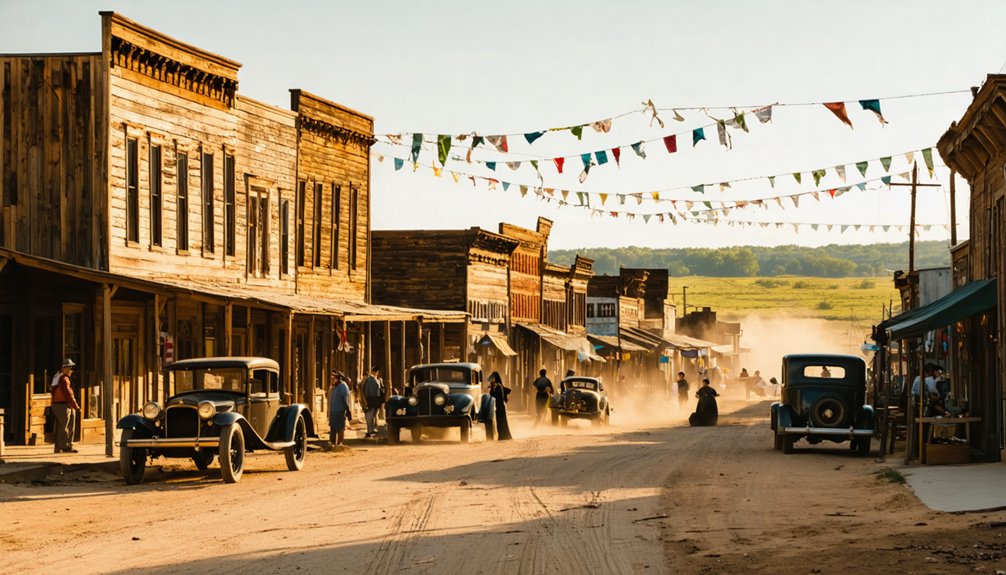
While ghost hunters seek spirits in crumbling structures, another group brings Oklahoma’s abandoned communities back to life through carefully researched portrayals of daily frontier existence. Cultural preservation takes center stage as reenactors transform heritage villages into functioning 19th-century settlements.
You’ll find these immersive experiences throughout Green Country:
- Humphrey Heritage Village – First and third Saturdays feature Cherokee Strip life, where you’ll file land claims and learn frontier trades
- Har-Ber Village – Civil War battles and pioneer demonstrations showcase military tactics and Dutch oven cooking
- Woolaroc Museum – Fall traders encampment reveals mountain men’s survival skills
- Will Rogers Birthplace Ranch – Pioneer tasks celebrate Oklahoma’s territorial period
Reenactment logistics demand authentic costumes, period tools, and historical accuracy. Interpreters demonstrate daily activities around campfires and at the Village Church, recreating the social rhythms of late-19th-century northwest Oklahoma. At the Will Rogers Birthplace, families participate in hands-on lessons like butter churning that connect them to pioneer-era skills. You’re free to participate, learning skills that once sustained Oklahoma’s earliest settlers.
Regional Festivals Near Former Boomtowns and Mining Camps
You’ll find Oklahoma’s fall festival circuit threading through landscapes where boomtowns once thrived, connecting present-day communities to their coal mining and territorial pasts. Events like the Robbers Cave Fall Festival near Wilburton and Poteau Balloonfest draw visitors to Le Flore County’s former mining camps.
While Henryetta’s Monster Mash occupies ground where population has declined over 80% since coal operations ceased. These gatherings preserve regional memory through celebration, transforming parks and historic districts near ghost town remnants into seasonal destinations that honor both cowboy heritage and mining-era legacies. The National Cowboy & Western Heritage Museum organizes events that connect visitors to this territorial past, including annual celebrations that showcase the state’s frontier history. The Stockyards Stampede in October brings western heritage to life with horses, cattle, and live country music, celebrating the cowboy traditions that shaped these historic regions.
Pawnee Bill Ranch Tours
Though the land rush boom that created nearby towns has faded into history, the Pawnee Bill Ranch preserves the spirit of Oklahoma’s frontier era through year-round programming that draws visitors from across the region.
You’ll find the 14-room mansion completed in 1910 stands fully furnished with original Lillie family belongings, while 500 acres showcase ranch architecture spanning multiple generations of settlement.
Tour highlights include:
- Drive-through pastures with bison, longhorn cattle, and draft horses roaming authentic frontier grounds
- Museum exhibits documenting Wild West performances, Pawnee Bill’s traveling shows, and tribal heritage
- Original structures including an 1903 log cabin, blacksmith shop, and 1926 barn
- National Register designation protecting these cultural landmarks for future generations
You’re welcome to explore fishing ponds, picnic shelters, and playground facilities throughout this day-use historic site.
Bartlesville Historic Downtown Walk
Since Bartlesville emerged from Oklahoma’s oil boom rather than fading into obscurity, the town’s historic downtown district hosts seasonal festivals that connect visitors to the region’s frontier and territorial past.
You’ll experience haunted ghost stories during the annual Ghost Walk each October, where costumed interpreters recount tales at six locations throughout downtown architecture dating back to territorial days. The hour-long tours accommodate 25 participants and cost $15 per person.
Beyond Halloween festivities, you can explore the district during Art Walk Artful Day in the Ville each April or join Shamrock the Ville‘s St. Patrick’s celebration benefiting local charities.
These events preserve Bartlesville’s cultural heritage while supporting community organizations, letting you engage with authentic regional history on your own terms.
Muskogee Haunted Attraction Events
The Muskogee region expands Oklahoma’s haunted heritage beyond downtown walking tours into immersive attractions that sprawl across former boomtown territories and rural landscapes. You’ll discover haunted legends woven through multiple venues each October, from Castle of Muskogee’s 60-acre festival featuring eleven attractions to TwistedRoots’ mile-long backwoods trail.
These experiences blend ghostly legends with theatrical scares across historic grounds.
Key Muskogee-area haunted attractions include:
- Castle of Muskogee’s Haunted Festival – Fridays and Saturdays through November 1, featuring Haunted Hayride and Trail of Blood across sprawling acreage
- TwistedRoots Haunted Trail – Over one mile of moonshine-murderer themed scares on rural property
- Psycho Path – Sperry’s outdoor Dark Ride combining theme park elements with traditional haunts
- Ghostly Walkers Tour – Three Rivers Museum’s historic downtown walks exploring regional paranormal past
Educational Tours and Guided Explorations Throughout the Year
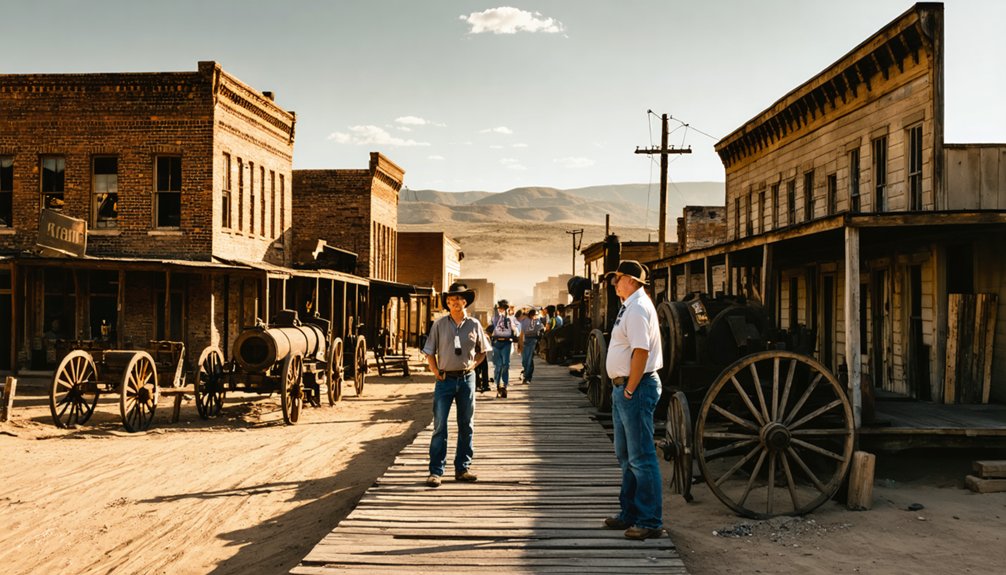
You’ll find educational opportunities at Oklahoma’s abandoned settlements extend well beyond October’s ghost tours, with historical societies organizing year-round programs that connect you to the state’s mining and territorial past.
Local heritage groups lead photography workshops among weathered structures, teaching documentation techniques while sharing archival photographs and oral histories from descendants of original settlers.
These guided explorations operate seasonally, adapting to weather conditions and offering specialized programming that ranges from architectural preservation seminars to genealogy research sessions at former boomtown sites.
Seasonal Ghost Town Tours
From late September through October, Oklahoma’s seasonal ghost tours transform historic downtowns and heritage sites into after-dark storytelling experiences that blend local history with spine-tingling folklore.
You’ll discover spectral legends through multiple formats across the state:
- Downtown Bartlesville Ghost Walk (October 22-23) guides you through haunted historic sites in evening tours departing every 15 minutes, with tickets at $15 individual or $50 for four people.
- Pawnee Bill Ranch Ghost Stories Tours (October 26) lead you outdoors through ranch buildings, barn, and mansion while sharing haunted artifacts and tales for $5 admission.
- Nightfall Haunted Territory and TwistedRoots Haunted Trail offer immersive experiences starting late September, taking you beyond traditional tours into Oklahoma’s backwoods terror.
Each venue operates rain or shine with no refunds—commitment required for authentic frontier-style exploration.
Historical Society-Led Programs
Beyond seasonal attractions, Oklahoma’s historical societies maintain year-round educational programs that connect you with authentic ghost town narratives through archival research and community preservation efforts.
The Sapulpa Historical Society operates its museum Tuesday through Saturday, offering ghost hunts and historical tours that document vanishing communities.
You’ll find interactive programs at Oklahoma Historical Society facilities, where pioneer living experiences unfold in authentic log cabins.
These organizations draw from extensive collections—including over 1,200 sources from the University of Oklahoma’s Western History Collection—to support cultural storytelling around 100 documented ghost towns.
Book proceeds fund county museums and educational initiatives that teach children local history.
Oral history collections in Caddo County preserve personal accounts accessible for in-house research, ensuring historical preservation continues beyond tourist seasons.
Photography and Heritage Workshops
Oklahoma’s ghost towns serve as outdoor classrooms where photography enthusiasts and heritage learners gather to document architectural decay and cultural memory. You’ll find these abandoned settlements offer unrestricted access to practice vintage photography techniques while preserving stories that mainstream history overlooks.
Through self-directed exploration, you’re capturing what remains before time erases it completely.
What you’ll experience at these independent learning sites:
- Urban exploration opportunities through deteriorating Main Streets and collapsed homesteads without gatekeepers controlling your access
- Hands-on practice with film cameras and historic photographic processes that honor the era
- Direct engagement with crumbling architecture that reveals construction methods and community aspirations
- Freedom to document at your own pace, creating personal archives that challenge official narratives
These places reward your curiosity with authentic connections to Oklahoma’s unvarnished past.
Planning Your Visit to Oklahoma’s Active Ghost Town Destinations
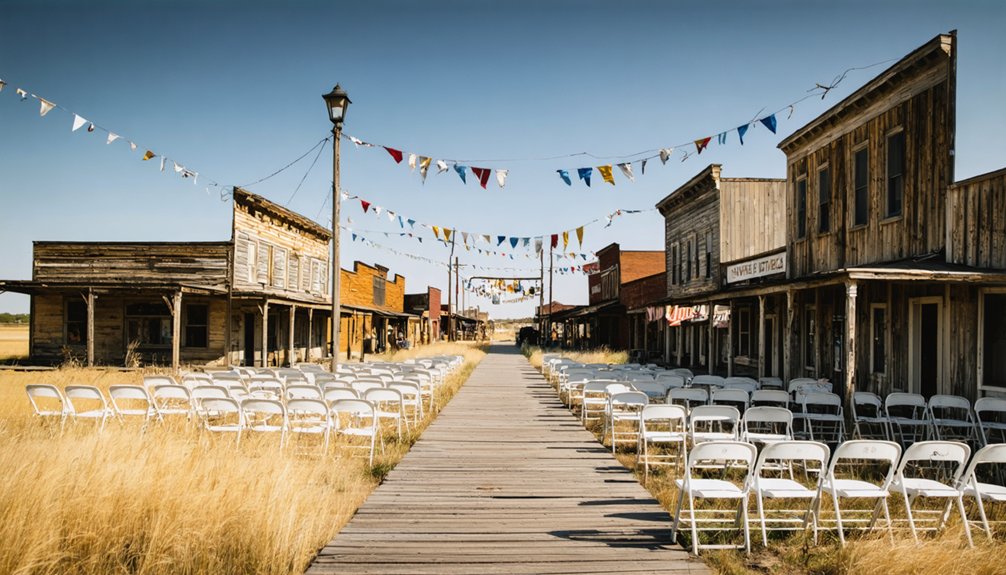
When planning your exploration of Oklahoma’s active ghost town destinations, timing becomes essential since most events cluster around Halloween season or follow specific festival calendars.
You’ll find Fright Fest running weekends September through November, while Ghost Walk Downtown Bartlesville offers limited tours October 22-23 with departures every 15 minutes until 8 p.m.
Purchase tickets early—Ghost Walk allows only 25 people per tour, and some events like Ghost Town at Cowboy Town sell out quickly.
Modern amenities vary by location, so verify ADA accessibility beforehand.
Most venues provide online ticketing and on-site facilities.
Local legends come alive through guided experiences, with volunteers recounting historical narratives at each stop.
Check official sites for 2026 dates, as seasonal attractions adjust schedules annually.
Consider multi-ticket packages for savings when attending with groups.
Frequently Asked Questions
Are Ghost Town Events Safe to Attend With Children?
Yes, these events emphasize child safety through structured event supervision, with age-appropriate content and controlled group sizes. You’ll find guides monitoring outdoor paths, while rain-or-shine policies guarantee families can plan confidently for Oklahoma’s seasonal ghost town celebrations.
Do I Need Special Permits to Photograph Abandoned Structures?
Legal considerations vary by property ownership. You’ll need photography permissions for private abandoned structures and commercial shoots on state sites. Personal photos on public trails don’t require permits, but respect posted restrictions and landowner rights always.
What’s the Best Time of Year to Visit Oklahoma Ghost Towns?
Visit Oklahoma ghost towns during spring and fall when temperatures hover around 70°F. You’ll support historical preservation efforts while enjoying comfortable exploration conditions. These seasons attract tourism promotion events celebrating frontier heritage, letting you experience authentic community stories without crowds restricting your adventure.
Can I Camp Overnight at Ghost Town Event Locations?
You can’t camp overnight at Oklahoma’s ghost town event locations—they’re evening-only tours without overnight accommodations. For camping safety and extended stays, you’ll need to explore nearby state parks or designated campgrounds that welcome independent travelers.
Are Pets Allowed at Ghost Town Festivals and Tours?
Pet policies aren’t explicitly stated for Oklahoma’s ghost town festivals, suggesting you’ll need to contact organizers directly. Like camping rules, these details often depend on individual event coordinators rather than standardized regulations across historic venues.
References
- https://www.okhauntedhouses.com/calendar/
- https://www.bartlesvillecenter.com/ghost-walk-downtown-bartlesville-event-details_454
- https://www.kgou.org/arts-and-entertainment/2025-10-24/haunted-happenings-in-oklahoma
- https://www.okhistory.org/calendar/event/ghost-stories-tours-2/
- https://en.wikipedia.org/wiki/List_of_ghost_towns_in_Oklahoma
- https://content.govdelivery.com/accounts/TRAVELOK/bulletins/3b94d00
- https://z94.com/explore-oklahoma-ghost-towns/
- https://www.youtube.com/watch?v=-jYN1_E2VV0
- https://www.okhistory.org/publications/enc/entry?entry=GH002
- https://oklahomaroute66.com/highlights