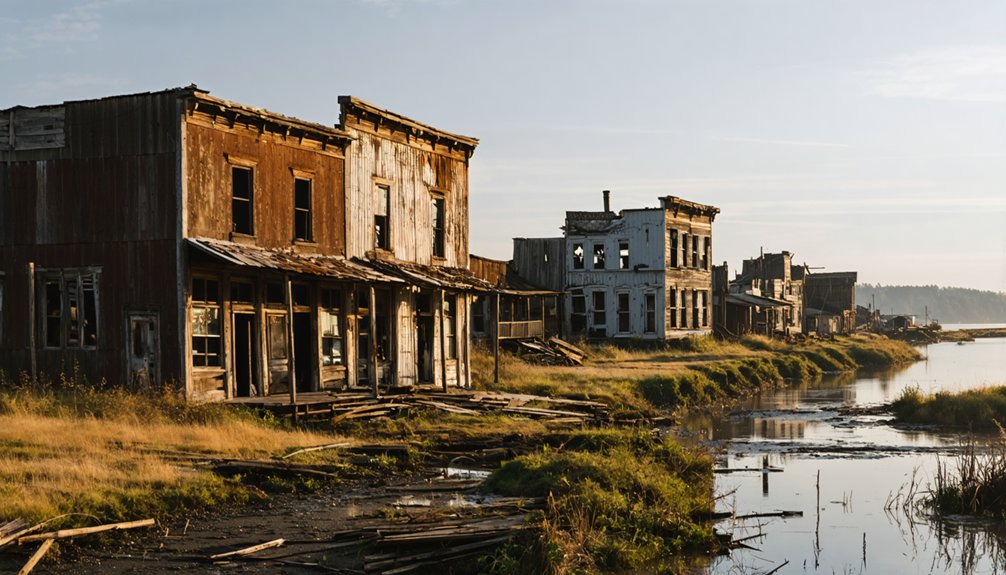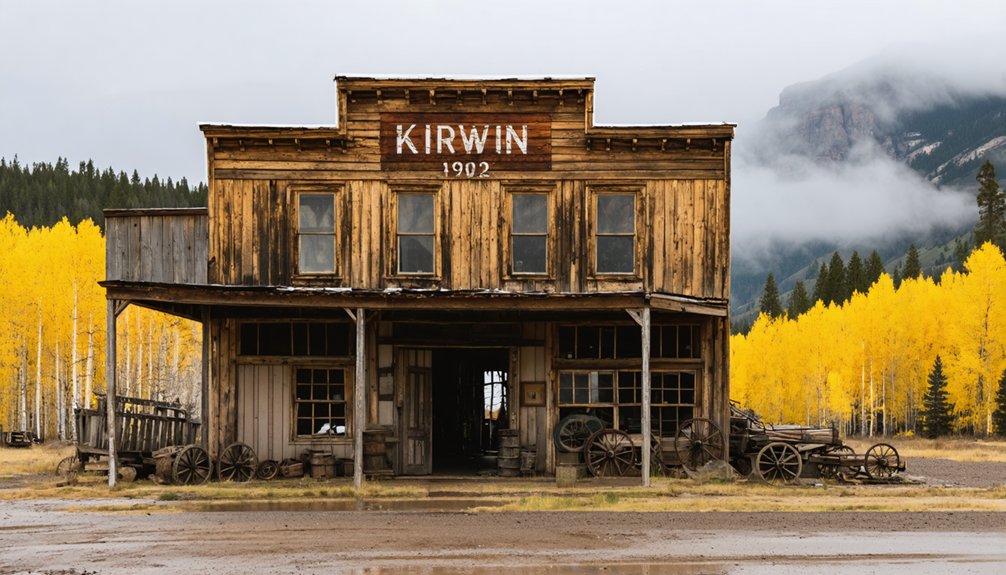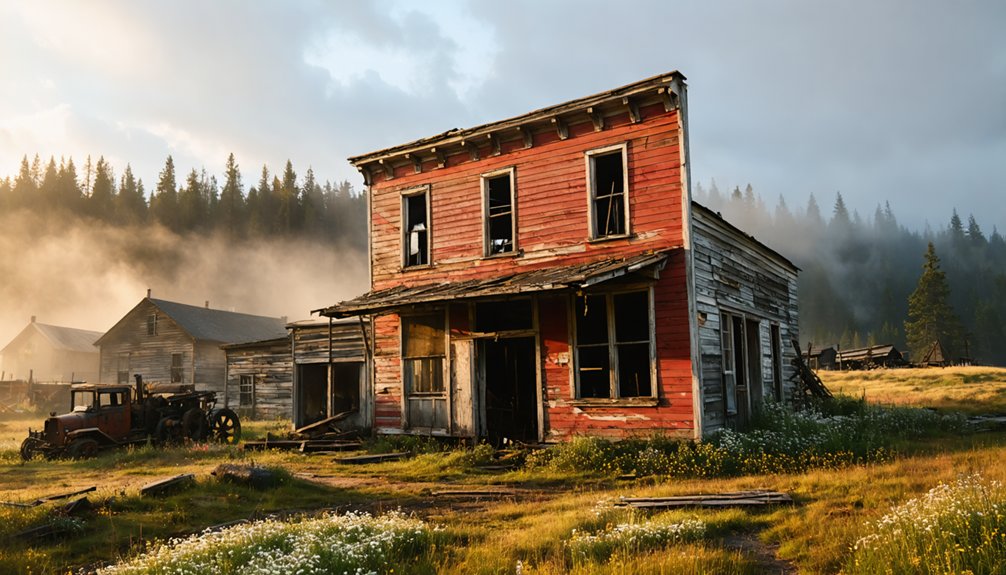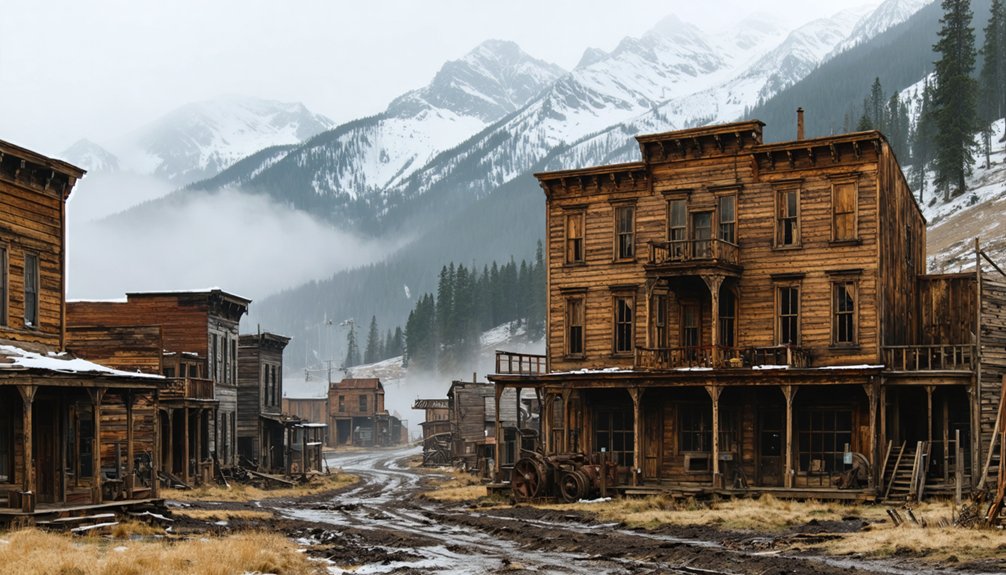
You’ll find numerous historic mining towns throughout the Pacific Northwest, from Washington’s Liberty and Republic to Oregon’s Sumpter, Cornucopia, and Golden. These settlements emerged during mid-19th century gold and silver rushes, transforming the region’s economy. Many now operate as heritage tourism destinations with preserved artifacts, mining equipment displays, and educational exhibits about frontier life. The stories behind these towns reveal how mineral wealth fundamentally shaped the Pacific Northwest’s development.
Key Takeaways
- Liberty was Washington’s first gold mining town, established after the 1873 Swauk Creek gold rush.
- Republic district became Washington’s largest gold producer, with Knob Hill mine ranking third nationally for lode-gold production.
- Oregon has over 200 ghost towns from 19th-century mineral rushes, including Buncom, Golden, and Sumpter.
- Cornucopia was a major Oregon gold producer with over 300,000 ounces before becoming an abandoned settlement.
- Coastal towns like Gold Beach emerged after 1853 discoveries in black sands, while Coos Bay developed around coal mining.
Washington’s Gold and Silver Mining Legacy
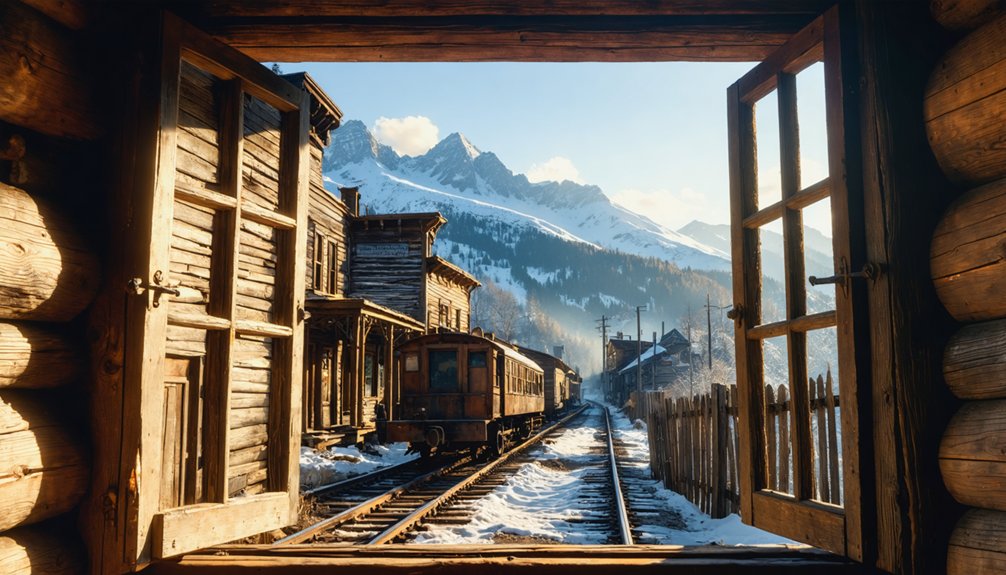
While gold was discovered in various parts of Washington as early as 1853, the state’s mining heritage truly began when the first commercial gold and silver extraction commenced near Fort Colville in 1855.
You’ll find Washington’s only notable gold rush occurred in 1873 at Swauk Creek in Kittitas County, leading to the establishment of Liberty—the state’s first gold mining town and now a living ghost town.
As placer deposits depleted by 1900, mining activity shifted to lode deposits, with the Republic district in Ferry County emerging as Washington’s largest gold producer.
Mining towns flourished across districts like Wenatchee, Blewett, and Monte Cristo. The Knob Hill mine in Republic became the third most productive lode-gold mine in the entire United States.
Though less renowned than neighboring states’ gold rushes, Washington’s mineral wealth considerably shaped regional development, with Seattle benefiting enormously as a supply hub for miners. Local farmers from Kittitas Valley were among the first prospectors who flocked to the area following the Swauk Creek discovery.
Oregon’s Ghost Towns and Mineral Exploration Sites
When exploring Oregon’s mining heritage, you’ll encounter over 200 ghost towns that emerged during the state’s 19th-century mineral rushes, with notable examples like Buncom, Golden, and Sumpter preserving distinct stories of boom-and-bust cycles.
These remnants of history can be found in abandoned towns across the United States, where tales of past prosperity linger in the deserted streets and crumbling buildings. Many of these locations offer a unique glimpse into the lives of those who once flourished there, showcasing the challenges faced during periods of rapid growth and subsequent decline. Exploring these sites not only provides insight into American heritage but also captures the imagination of those eager to uncover the stories left behind.
These abandoned settlements reflect complex social histories, including the significant contributions of Chinese miners like Gin Lin who successfully reworked “played out” claims and the shift from placer to hard rock mining techniques across the state.
Mining museum heritage sites now offer you opportunities to examine preserved dredges, interpretive displays, and restoration projects that highlight both the environmental impacts of historical extraction methods and the diverse pioneer communities that once thrived in these remote locations. The Whisky Creek Cabin provides a rare glimpse into miners’ daily lives as the last remaining cabin in the Lower Rogue Gorge area. Sumpter’s grand opera house represented the cultural sophistication that briefly flourished in these booming mining communities before their eventual decline.
Abandoned Gold Rush Settlements
As Oregon’s initial gold discoveries in the 1850s transformed the landscape of the Pacific Northwest, dozens of boomtowns emerged almost overnight across the state’s rugged terrain, only to be abandoned decades later when their precious metals were depleted.
These abandoned settlements tell a complex story of America’s westward expansion. Cornucopia, once home to 700 residents and producer of over 300,000 ounces of gold, now stands silent in northeastern Oregon. The town earned its reputation through extensive hard rock mining operations that created 36 miles of underground tunnels.
In contrast, Golden represents the diversity of gold rush impacts, established as a temperance settlement with two churches and noticeably absent saloons.
Chinese miners greatly contributed to Oregon’s mining history, particularly after 1862, often working claims abandoned by earlier prospectors.
Today, these ghost towns—Sumpter with its massive dredge, Buncom with its preserved general store—serve as preserved windows into a transformative era. The Illinois River Valley was among the earliest gold-producing regions, with tent cities appearing rapidly after the 1850 discoveries.
Mining Museum Heritage Sites
The abandoned mining settlements across Oregon have found new life through dedicated preservation efforts at museum heritage sites throughout the state.
These institutions safeguard Oregon’s mineral exploration legacy through impressive mining artifact collections and educational initiatives. When exploring these preservation sites, you’ll discover:
- Baker Heritage Museum’s extensive 33,000-square-foot facility housing significant mineral collections including the Cavin-Warfel Rockhound and Billy Wyatt Cabochon specimens.
- Bohemia Gold Mining Museum’s tribute to regional miners with tools and ore samples for just $2 admission.
- Jawbone Flats Mining Museum, recognized as the world’s largest repository of Cascadia mining equipment.
- Grant County Historical Museum’s thorough archives containing over 7,000 photographs and 3,000 documents chronicling Eastern Oregon’s mining pioneers.
These institutions collectively preserve the authentic cultural heritage of Oregon’s mineral-rich past. The Baker Heritage Museum, originally known as the Oregon Trail Regional Museum, displays unique rock collections alongside exhibits on timber, ranching, and agriculture. The museum’s Lapidary Room hosts weekly work parties where community members actively participate in rockhounding activities and specimen preparation.
Coastal Mineral Exploration History
Oregon’s rugged coastline, seemingly an unlikely location for mineral wealth, became the site of significant gold and coal mining operations beginning in the mid-19th century.
When gold was discovered in Whiskey Run Creek‘s black sands in 1853, boomtowns like Gold Beach emerged, while Randolph appeared near Coos Bay only to be destroyed by a storm in 1854.
The coastal settlements around Coos Bay later evolved into coal mining centers, with shipments to San Francisco beginning in 1854.
By the 1870s, outside entrepreneurs controlled most mines, creating towns like Beaver Hill and Libby.
The coal industry experienced a decline in the mid-1880s due to surplus from ballast shipments, though it remained a significant economic driver until the 1920s.
Mining techniques evolved dramatically when Chinese operators like Gin Lin introduced hydraulic mining to the region in the 1880s, creating engineering marvels like the Sterling Mine Ditch—a 26-mile waterway hand-dug by 400 Chinese laborers to extract gold from hillsides previously considered “played out.”
This hydraulic mining unfortunately destroyed fish habitats in many of the region’s streams and rivers as the high-pressure water methods dramatically altered the natural landscape.
Idaho’s Rich Mining Heritage and Preserved Towns
Idaho’s rich mining heritage emerged dramatically in 1862 when gold discoveries in the Boise Basin triggered one of the Pacific Northwest’s most significant mineral rushes.
Idaho mining transformed the territory as Idaho City swelled to over 14,000 residents by 1863, exceeding Boise’s population and attracting a global workforce including a substantial Chinese contingent.
The explosive growth of Idaho City exemplified how mining transformed Idaho’s landscape, demographics, and cultural identity practically overnight.
The evolution of Idaho’s mineral wealth progressed through distinct phases:
- Initial alluvial gold extraction along creek beds near Idaho City and Placerville
- Silver and lead mining in Bayhorse and Silver City, with ore values surpassing Nevada’s famous Comstock Lode
- Industrial-scale operations in Silver Valley, producing over one billion ounces of silver across a 125-year span
- Unique social experiments like Warren, which demonstrated rare racial integration among mining communities
These ghost towns preserve invaluable glimpses into America’s mineral frontier.
British Columbia’s Border Mining Districts
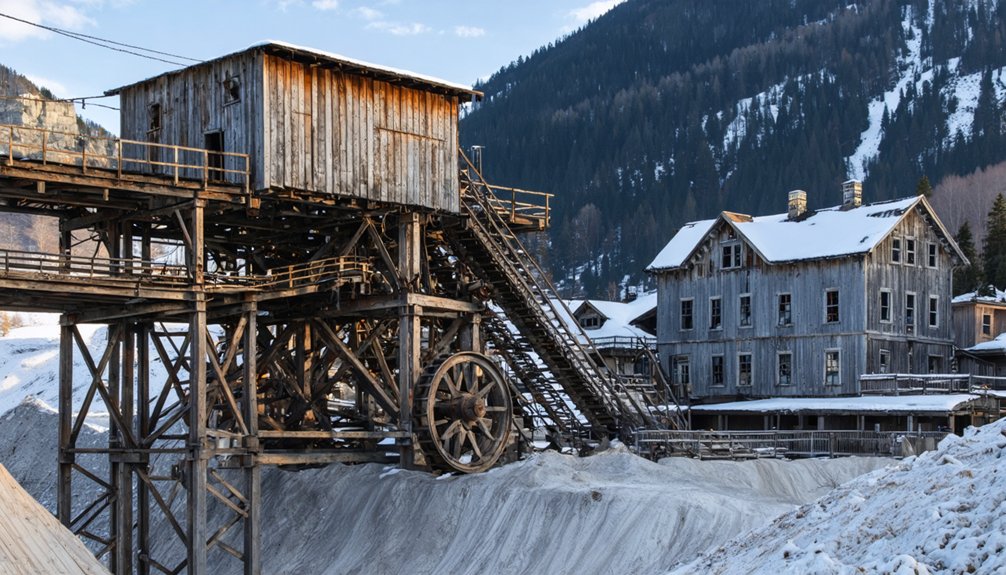
While Idaho’s mining towns flourished within American borders, a parallel and equally compelling saga unfolded just north across the international boundary. British Columbia’s mineral-rich frontier spawned distinctive mining communities, particularly in the Boundary District and Golden Triangle regions.
The Boundary District, centered around Greenwood, emerged in the late 1800s with copper, gold, and silver operations dominated by the Granby Mining Company. Railroad access in 1899 accelerated development, though most operations collapsed by 1918 when smelters closed.
Further north, the Golden Triangle’s 500km mineral belt has contributed approximately $1 billion annually to BC’s economy, with Stewart becoming the focal point after significant silver discoveries in 1918.
These districts attracted American capital from Spokane and New York, creating boom-and-bust cycles that established communities whose fates hinged on ore quality and market stability.
Economic Transformation and Cultural Impact of Mining Communities
Economic metamorphosis characterized the Pacific Northwest’s mining communities as they evolved beyond their extractive origins into more diverse and resilient settlements.
The initial vulnerability of single-commodity dependence gradually gave way to economic resilience through diversification. This transformation followed distinct patterns:
- Primary extraction – Gold, coal, and other minerals triggered initial settlement waves and infrastructure development.
- Secondary industries – Timber operations and processing facilities created employment as mineral veins depleted.
- Agricultural expansion – Farming communities established “green gold” economies in adjacent regions.
- Service and tourism – Supply sectors and outdoor recreation emerged as sustainable economic foundations.
This evolution preserved cultural heritage while enabling communities to survive market volatility.
The mining towns that endured were those that successfully navigated this shift beyond their extractive beginnings, leaving lasting imprints on the region’s development.
Tourism and Historic Preservation Efforts in Mining Towns Today
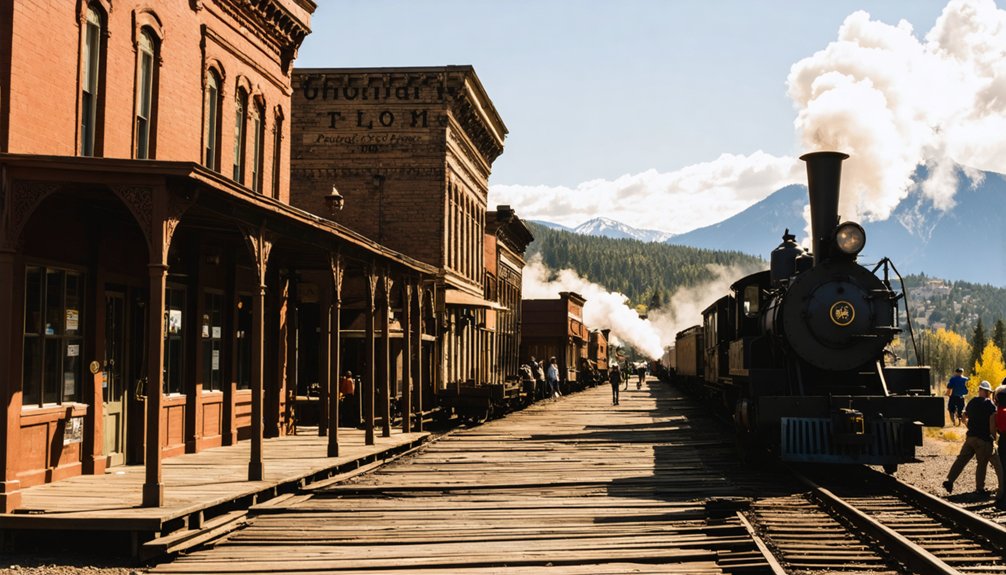
You’ll find former mining towns like Roslyn transforming into heritage tourism destinations with property values increasing 161% and generating substantial wealth for homeowners.
Historic preservation efforts face funding challenges despite the economic benefits, as 84% of destination organizations now lead development through infrastructure and cultural investment.
Communities leverage their mining heritage through revitalization projects that balance authenticity with tourism infrastructure, connecting cultural destinations to generate a portion of the region’s $71.4 billion annual visitor spending.
Heritage Tourism Appeal
Situated at the intersection of history and modern tourism, the heritage appeal of Pacific Northwest mining towns represents a powerful economic and cultural force that draws millions of visitors annually.
When you explore these historic sites, you’ll encounter immersive heritage experiences centered on authentic mining artifacts and repurposed buildings that tell stories of industrial innovation.
The tourism impact manifests through:
- Economic diversification, generating $196.3 million in activity and supporting 1,325 jobs in Oregon alone
- Cultural preservation of “Old West” themes through guided tours and historical site visits
- Community transformation as former extraction economies embrace visitor spending
- Social revitalization through heritage events that attracted over 1 million participants in 2019
This tourism model succeeds most effectively when aligned with local values and community-driven preservation efforts.
Preservation Funding Challenges
While heritage tourism showcases these mining towns’ cultural wealth, the financial landscape behind their preservation reveals a stark reality of resource scarcity and competitive funding.
You’ll find a significant disconnect between available preservation funding and actual restoration costs, with small grants typically ranging from $1,000 to $10,000—wholly insufficient for thorough rehabilitation of larger mining structures.
The complexity of grant applications creates additional hurdles, requiring organizations to navigate letter of intent submissions, demonstrate previous success, and coordinate multiple funding sources simultaneously.
Most federal support comes through tax credits primarily benefiting income-producing properties, leaving community-owned historic assets underserved.
Even specialized programs like the Valerie Sivinski Fund ($3,000 maximum) or National Trust Preservation Funds ($2,500-$5,000) provide only fractional support, forcing preservationists to cobble together resources from numerous sources to save these irreplaceable heritage sites.
Community Revitalization Projects
Across the aging landscapes of former mining hubs, today’s Pacific Northwest communities have launched ambitious revitalization efforts that marry historic preservation with economic reinvention.
Through strategic community engagement and local partnerships, these towns have transformed historical assets into cultural and economic engines.
These revitalization initiatives typically include:
- Adaptive reuse of historic structures, as exemplified by TwispWorks’ 6-acre campus hosting artisans and entrepreneurs.
- Museum development documenting industrial heritage, like Wallace District Mining Museum’s preservation of labor history.
- Creation of family-friendly tourism experiences, including accessible hiking trails to ghost towns like Copper City.
- Integration of arts economies with heritage tourism, as seen in Joseph, Oregon’s bronze foundries that anchor the town’s creative identity.
You’ll find these communities balancing authentic preservation with sustainable economic models that honor their industrial past while securing their future.
Frequently Asked Questions
What Dangerous Wildlife Would Miners Encounter in Pacific Northwest Mining Towns?
You’d face grizzlies (400-800 lbs), black bears, cougars, and wolves in Pacific Northwest mining towns. Bear encounters proved lethal, while snake bites, though rare, presented additional dangers in these remote territories.
How Did Miners Communicate With Families During the Gold Rush?
You’d anxiously await responses from home through painstaking letter writing, which took weeks to arrive. Wealthy miners might access costly telegram services while others relied on traveling traders to deliver precious correspondence.
What Diseases Were Common in Mining Camps?
You’d encounter tuberculosis outbreaks, typhoid, cholera, measles, silicosis, and black lung disease in mining camps, primarily stemming from poor mining camp hygiene, contaminated water, and airborne dust particles.
Did Women Own or Operate Mines in the Pacific Northwest?
Like pioneers staking claims in uncharted territory, you’ll find women miners did own and operate mines in the Pacific Northwest, with figures like May Arkwright Hutton securing mining rights and substantial wealth through operations.
How Did Indigenous Communities Interact With Mining Town Developments?
You’ll find indigenous communities faced displacement as mining towns encroached on their traditional lands, violating treaty rights while forcing adaptation through labor participation and limited cultural exchange under unequal power dynamics.
References
- https://westernmininghistory.com/1493/the-top-ten-historic-mining-towns-you-should-visit-today/
- https://stateofwatourism.com/ghost-towns-of-washington-state/
- https://archive.org/download/mininginpacificn00hodg/mininginpacificn00hodg.pdf
- https://en.wikipedia.org/wiki/List_of_ghost_towns_in_Washington
- http://pnwphotoblog.com/ghost-towns/
- https://www.worldatlas.com/cities/9-of-the-most-captivating-small-towns-in-the-pacific-northwest.html
- https://www.oregon.gov/dogami/milo/pages/index-minemaps.aspx
- https://visitidaho.org/things-to-do/ghost-towns-mining-history/
- https://westernmininghistory.com/library/177/page1/
- https://www.dnr.wa.gov/Publications/ger_ar1937-38_second_biennial_dmm.pdf