When visiting Native American settlement remnants, you’ll need to recognize different site types, from prehistoric villages to rock art locations. Always respect sacred spaces by following tribal protocols and federal protections. Research thoroughly beforehand using archives and tribal resources. Adhere to site-specific rules—stay on designated paths and honor photography restrictions. Never disturb artifacts or features you encounter; notify authorities about sensitive discoveries instead. These principles help protect living Indigenous heritage beyond what meets the eye.
Key Takeaways
- Research applicable tribal protocols and management guidelines before visiting Native American settlement sites.
- Stay on designated paths to prevent inadvertent damage to archaeological features and cultural deposits.
- Never remove artifacts or disturb archaeological contexts as this violates ARPA and destroys cultural heritage.
- Recognize circular depressions as potential house pit locations and maintain respectful distance.
- Contact appropriate authorities immediately if you encounter human remains or ceremonial objects.
Understanding the Different Types of Native American Sites
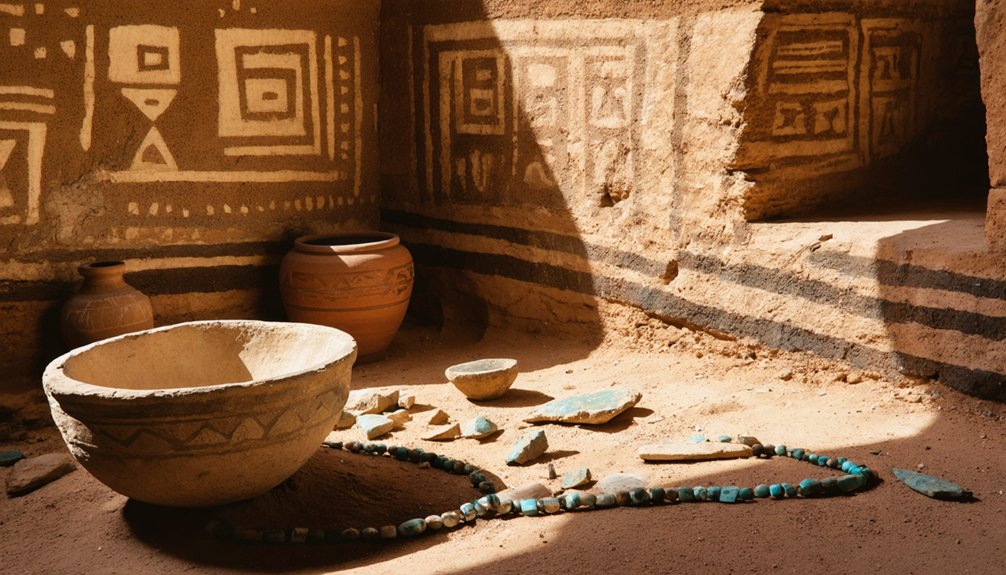
When exploring Native American archaeological sites, you’ll encounter a rich diversity of cultural remnants that tell the story of Indigenous peoples across thousands of years.
You’re walking through living history that deserves profound respect.
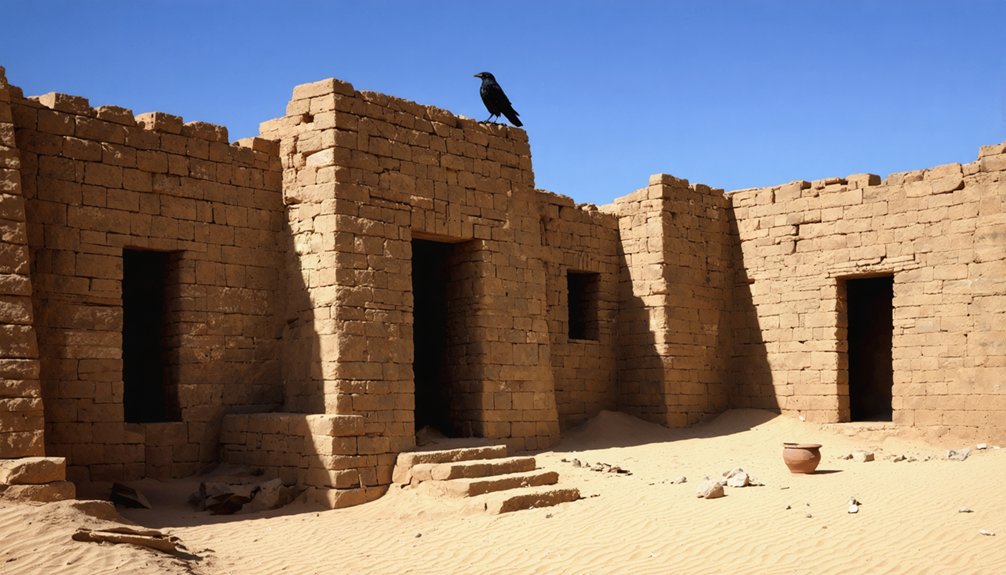
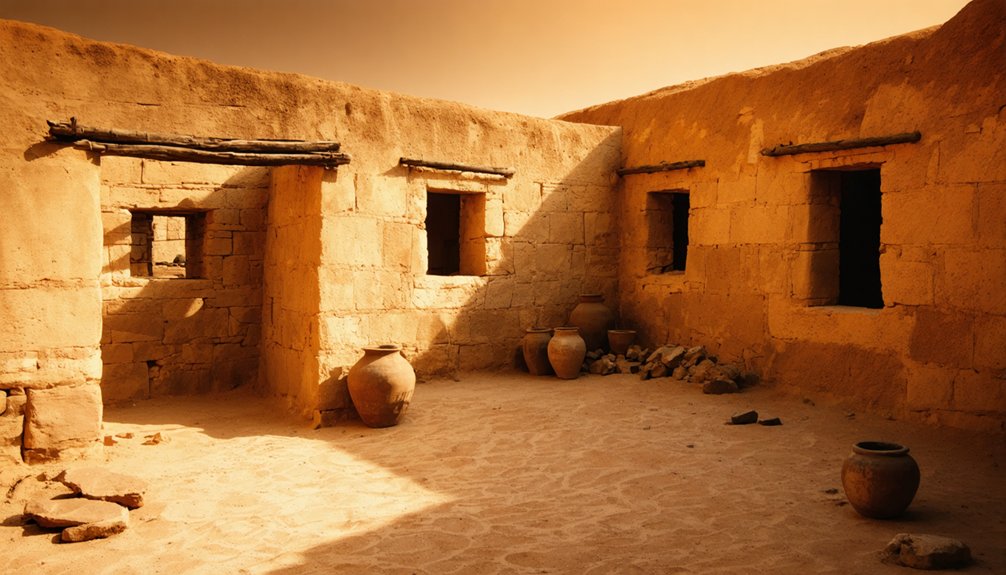
Prehistoric sites reveal life before European contact through village structures, stone tools, pottery fragments, and middens (soil deposits enriched by human activity).
Traces of daily life emerge from ancient village foundations, scattered tools, and rich soil deposits—a window into pre-contact existence.
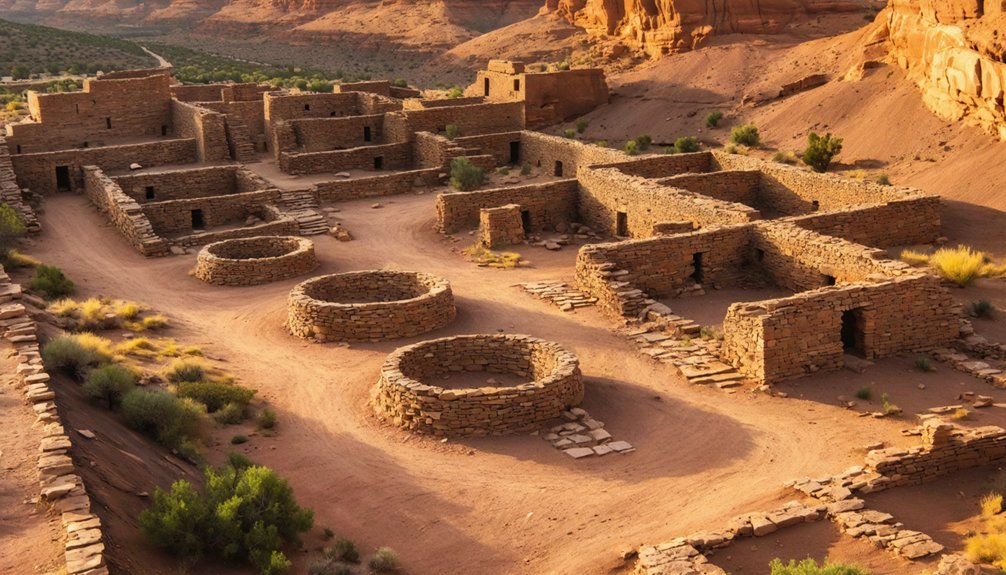
Look for circular depressions marking ancient house locations.
Ethnohistoric sites demonstrate cultural adaptations after European arrival, showing resilience through changing materials and practices.
Rock art offers spiritual connections through pictographs (painted) and petroglyphs (carved) on canyon walls and rock shelters.
These aren’t mere decorations but expressions of belief systems, clan identities, and cultural narratives that have endured for generations.
In southwestern regions like Canyonlands, you may discover ancient red sandstone formations that provided materials and canvases for indigenous artistic and architectural achievements.
Some features of these sites may require JavaScript enabled browsers for interactive virtual tours and educational content.
Respecting Sacred Spaces and Cultural Heritage
Respecting the sacred places of Native American peoples represents one of our most profound responsibilities as visitors to Indigenous heritage sites. When you encounter these spaces, remember that federal laws like AIRFA and Executive Order 13007 protect tribal access for ceremonial purposes.
Practice proper sacred site etiquette by respecting privacy during rituals and following tribal consultation guidelines.
- Honor the spiritual connection between Native communities and their ancestral lands that sustains cultural identity
- Acknowledge that your recreational interests are secondary to the religious freedoms of Indigenous practitioners
- Respect confidentiality about sensitive site locations that tribes wish to protect
- Support collaborative stewardship efforts that incorporate Indigenous knowledge in protection strategies
Cultural sensitivity practices include maintaining distance from ceremonial areas and understanding that these aren’t merely historical sites—they’re living, breathing connections to ongoing traditions. Protection of sacred sites is considered a fundamental human rights issue within international legal frameworks. Despite protective legislation, courts have consistently denied Native protections under religious freedom laws, as evidenced in landmark cases like Lyng v. Northwest Indian Cemetery.
Preparing for Your Visit With Research and Resources
Thorough research before visiting Native American settlement remnants forms the foundation of a respectful and meaningful experience.
Begin by exploring the rich archival resources available through institutions like the National Archives, which houses Bureau of Indian Affairs records dating back to 1815, or the South Carolina Department of Archives and History’s documents on Indian trade.
Digital research tools have made accessing primary sources simpler than ever.
Explore the American Indian Newspapers database spanning nearly 200 years of indigenous journalism or utilize the digitized Dawes Commission records through FamilySearch.org.
Interactive maps like Native Land Digital provide geographical context for understanding whose traditional territories you’ll be visiting.
As you delve deeper into the state’s history, you may find yourself exploring Nevada’s ghost towns, each with its own unique stories and remnants of the past. From the once-bustling streets of Virginia City to the eerie silence of Rhyolite, these sites offer a fascinating glimpse into the lives of miners and pioneers. Don’t forget to respect the heritage and the cultural significance of these forgotten places as you embark on your journey.
University collections like the William L. Clements Library offer invaluable manuscripts from military officers and government officials documenting interactions with Native communities.
Examining tribal-specific resources using Library of Congress headings for particular tribes can help you narrow your search and find more relevant information for your visit.
This preparation honors indigenous perspectives and enables you to approach these sacred spaces with appropriate cultural understanding.
Following Site-Specific Rules and Preservation Guidelines
Native American settlement remnants exist under complex layers of legal protection that you’ll need to navigate with care and respect. Before visiting these sacred spaces, learn about site management protocols established through tribal consultation and preservation ethics. Federal laws like NAGPRA and NHPA require permits and proper procedures that honor indigenous perspectives.
- Walking these ancient grounds connects you to thousands of years of living culture—not just “artifacts.”
- Respecting buffer zones around sensitive features preserves irreplaceable knowledge for future generations.
- Adhering to photography restrictions protects ceremonial spaces from commercialization.
- Your mindful visitation helps heal historical wounds caused by centuries of site destruction.
Always follow posted guidelines, stay on designated paths, and remember that these aren’t static museum exhibits but living heritage deserving of your deepest respect.
Engaging Responsibly With Archaeological Artifacts and Features
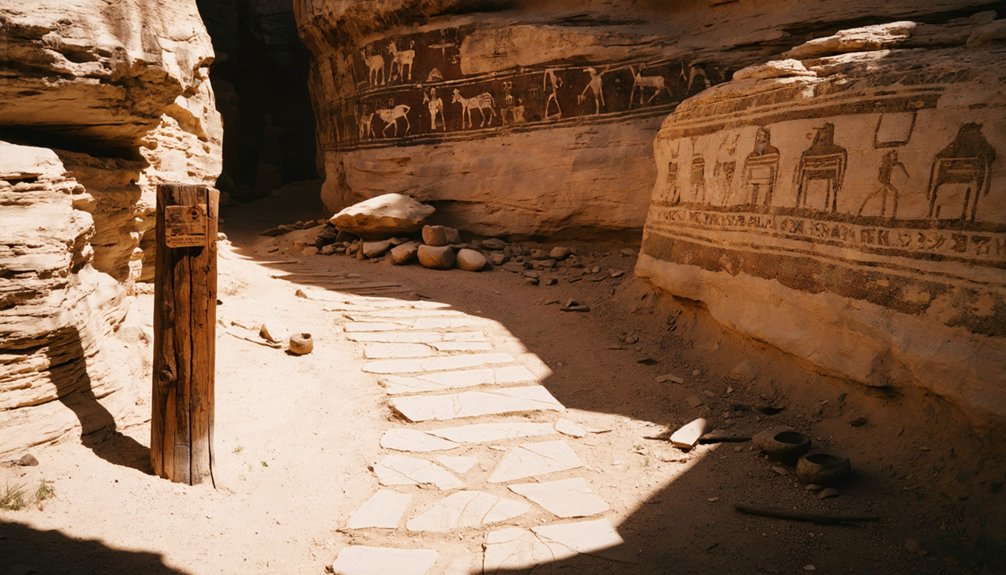
Archaeological artifacts and features tell powerful stories of ancestral wisdom that you’ll encounter while exploring Native American settlement sites. Approach these treasures with reverence, understanding they’re not merely objects but living connections to Indigenous heritage.
Remember that true artifact stewardship begins with tribal consultation. Before handling or documenting any item, prioritize connecting with affiliated tribes whose knowledge carries equal validity to Western approaches. These tribes are sovereign governments with traditional systems that existed long before European contact.
Never collect, move, or disturb artifacts—this violates federal law under ARPA and disrupts cultural continuity. If you encounter sensitive materials like ceremonial objects or human remains, stop immediately and notify proper authorities. Unauthorized excavation on federal or Indian lands is considered a felony if the resulting damage exceeds $500.
Allow Native practitioners to guide appropriate cultural protocols. Support preservation by avoiding touching surfaces, never washing items, and documenting encounters without disturbing context. These practices honor Indigenous sovereignty while preserving irreplaceable cultural heritage.
Frequently Asked Questions
Can Children Learn Effectively From Visiting These Archaeological Sites?
You’ll be absolutely amazed how children thrive at these sites! Your kids will gain incredible educational engagement through hands-on exploration while developing profound cultural appreciation, honoring indigenous perspectives and supporting essential preservation efforts.
What Footwear Is Best for Exploring Native American Settlements?
Choose sturdy boots with ankle support and grippy soles for comfortable hiking across sacred grounds. You’ll protect both your feet and the fragile archaeological remains while honoring these indigenous heritage sites.
How Do Seasonal Changes Affect Site Access and Visibility?
Like downloading weather apps, you’ll notice seasonal impact severely affects access. You’ll encounter better visibility in fall after leaf drop, while spring vegetation obscures features. Always respect these changes to protect ancestors’ sacred spaces.
Are There Accommodations for Visitors With Mobility Limitations?
You’ll find wheelchair accessibility at many sites with paved paths, accessible restrooms, and rentable mobility devices. Several locations offer adapted guided tours—just request accommodations in advance to respectfully experience these sacred ancestral spaces.
How Do Tribal Nations Participate in Managing These Sites Today?
Ancient wisdom meets modern governance as you’ll witness tribal stewardship firsthand. Tribal nations actively co-manage these sacred sites through formal agreements with federal agencies, ensuring cultural preservation through their indigenous perspective and traditional knowledge.
References
- https://www.infoplease.com/history/native-american-heritage/american-indian-archaeological-sites
- https://ancientnc.web.unc.edu/explore/archaeological-sites/
- https://www.okhistory.org/sites/spiromounds
- https://exploringjoara.org/the-berry-site/
- https://www.wilderness.org/articles/article/10-extraordinary-native-american-cultural-sites-protected-public-lands
- https://guides.loc.gov/native-american-spaces/cartographic-resources/indian-sites
- https://cahokiamounds.org
- https://www.nps.gov/subjects/travelamericancultures/amindsites.htm
- https://nahc.ca.gov/native-americans/understanding-cultural-resources/
- https://www.crt.state.la.us/Assets/OCD/archaeology/discoverarchaeology/virtual-books/PDFs/Ancient Mound Sites of LA.pdf?Ancient+Mound+Sites