New Idria, established in 1854 after cinnabar discoveries near California’s gold fields, operated as America’s second-largest mercury mine until 1972. You’ll find over 100 historic buildings scattered across this ghost town, remnants of a once-vibrant multicultural mining community with 30+ miles of underground tunnels. Now an EPA Superfund site due to toxic contamination, this California Historical Landmark balances fascinating mining heritage with severe environmental impacts. The full story reveals a complex legacy of innovation and destruction.
Key Takeaways
- New Idria is an abandoned mercury mining town with over 30 miles of tunnels across 20 vertical levels.
- Established in the 1850s, the town featured homes, shops, a church, post office, and school by 1869.
- The site was designated a California Historical Landmark in 1939 with over 100 historic structures remaining.
- Operations ceased in 1972, making it the second most productive mercury mine in U.S. history.
- Now a Superfund site since 2011 due to toxic mercury contamination, with limited access for visitors.
The Rise of New Idria: Mercury Mining During the Gold Rush
When gold was discovered in California in 1849, it sparked a series of events that would transform not only the state’s economy but also the fate of a remote area in San Benito County.
The 1849 Gold Rush ignited changes that would forever alter California’s economic landscape and reshape an obscure San Benito County locale.
This region, which would become New Idria, gained significance in 1854 when four prospectors claimed the land after discovering cinnabar deposits while originally searching for silver.
Named after Austria’s Idria (the world’s second-largest quicksilver producer), the mine quickly became strategically crucial.
Mercury extraction was essential for processing gold ore during the Gold Rush.
The mine later achieved national importance as the largest supplier of mercury to the U.S. Department of Defense during World War I.
The first brick furnace was constructed in 1857, establishing the infrastructure needed for what would eventually become North America’s second most productive mercury mining operation.
Underground Empire: Tunnels, Technology and Mining Operations
Beneath the surface of New Idria lay a vast underground empire, sprawling across more than 30 miles of tunnels constructed to access the valuable cinnabar deposits.
This intricate tunnel engineering extended across 20 vertical levels, showcasing the miners’ determination to extract mercury from the earth.
The operation began modestly in 1857 with stamp mills and brick furnaces but evolved considerably over time.
Mining technology progressed to include rotary furnace systems for processing cinnabar into liquid mercury through vapor distillation.
You can still see one large rotary furnace building standing as a monument to this industrial heritage.
The extensive operations generated massive waste piles—up to 2 million cubic yards covering 48 acres—which later became environmental hazards as acid mine drainage contaminated San Carlos Creek.
The mine became the second most productive mercury operation in the United States before its closure in 1972 due to environmental concerns.
The historical significance of New Idria is documented in various collection materials including maps, equipment information, and operational records from 1851 until its auction in 1973.
Life in a Toxic Paradise: The Multicultural Mining Community
While the promise of prosperity drew thousands to New Idria during the California Gold Rush era, life in this remote mining settlement came with significant health risks from mercury exposure.
By the 1850s, hundreds of miners had established a thriving community that showcased remarkable cultural diversity, with workers bringing various traditions to this isolated mountainous region.
Despite its hazardous industry, New Idria developed impressive community resilience. The settlement expanded to include homes, shops, a church, post office, and school by 1869, serving the growing population. The mine’s operations were supported by impressive infrastructure including over 30 miles of tunnels across twenty levels.
Social structures emerged as the town transformed from a mining camp into an organized municipality. The workforce of 200-300 men by 1881 maintained this bustling hub until its eventual abandonment in the 1970s due to toxic contamination, leaving over 100 buildings as silent evidence of its vibrant past.
Environmental Legacy and Superfund Designation
After decades of intensive mining operations ended in 1972, New Idria left behind a toxic environmental legacy that would eventually earn it Superfund designation.
The primary contamination sources included mercury and heavy metals from mining waste, calcine tailings illegally dumped in the mid-1980s, and ongoing acid mine drainage affecting local waterways. This contamination has impacted approximately 15 miles of wetlands downstream from the mine site.
Following concerns raised by Coastal Advocates in 1996, the EPA initiated investigations, confirming widespread contamination extending from the site to the San Francisco Bay.
Local activism in 1996 sparked EPA action that revealed toxic contamination stretching from New Idria to San Francisco Bay.
The area entered CERCLIS in 1996, with official NPL listing occurring in 2011. Cleanup challenges emerged immediately, with interim remediation actions beginning that October. Initial cleanup efforts would cost approximately 10 million dollars and take decades to complete.
Ghost Town Remains: What’s Left of California’s Mercury Capital
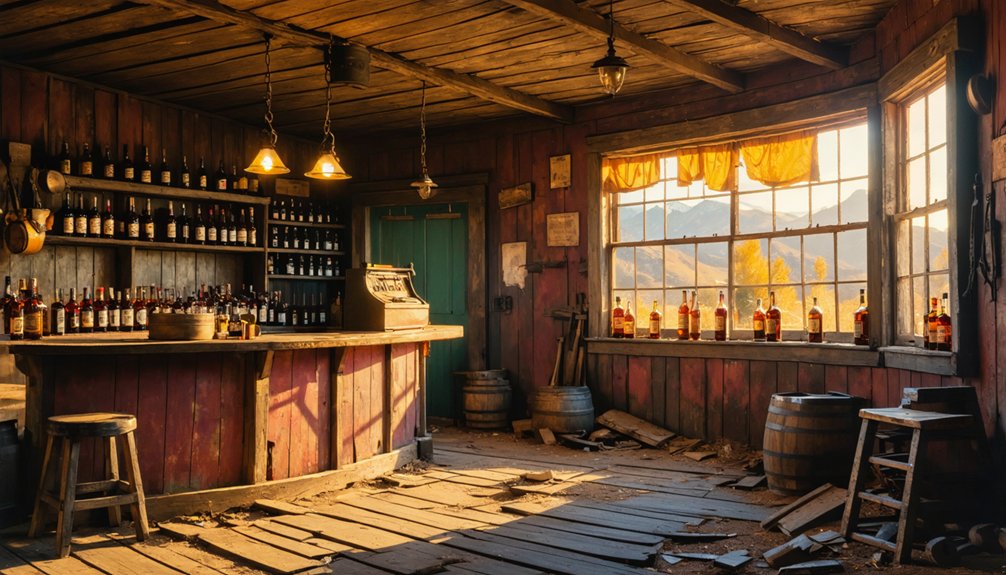
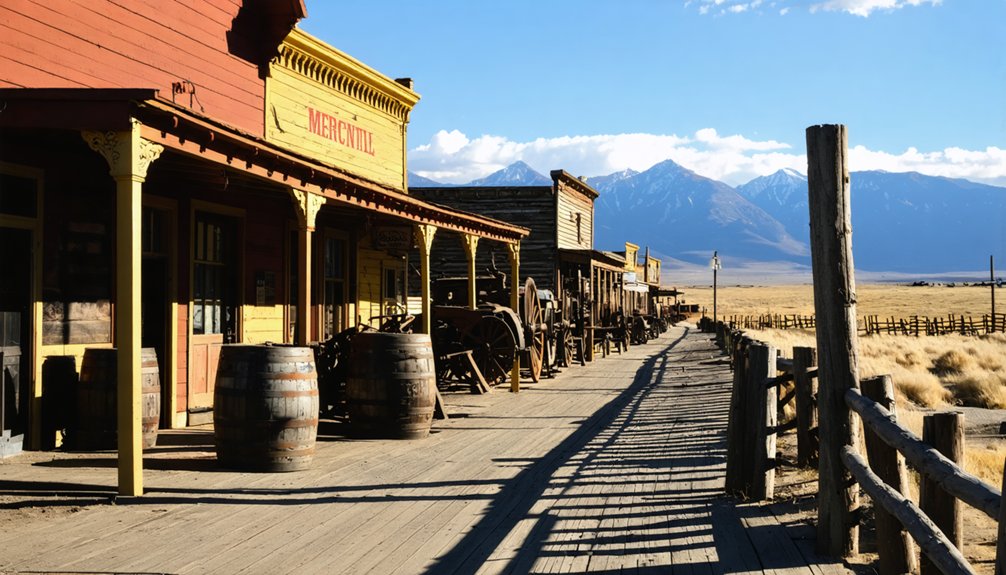
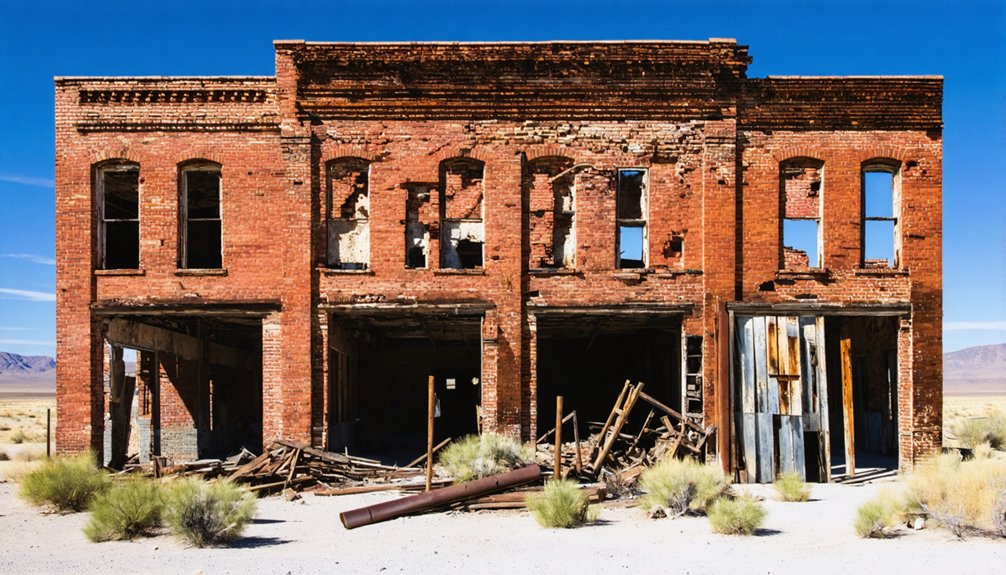
The abandoned remains of New Idria stand as a haunting memorial to California’s once-thriving mercury industry, with over 100 structures still scattered across this remote ghost town.
As visitors explore Newburyport’s historical significance, they can uncover tales of mariners and merchants who shaped the region’s economy. The well-preserved architecture along the waterfront offers a glimpse into the past, inviting explorers to imagine life during the height of the shipbuilding era. Moreover, the local museums provide rich narratives that celebrate the city’s maritime heritage and its role in American history.
Designated as a California Historical Landmark in 1939, these historic buildings tell the story of a town that once housed thousands during its peak mining years.
Among the abandoned buildings you’ll find:
- Former homes, shops, and a church in various states of decay
- The post office, which officially closed in 1974, two years after the mine shut down
- A school where children of miners once learned while their parents extracted quicksilver
Despite the EPA’s current Superfund designation restricting access, the site continues to draw history enthusiasts seeking glimpses of this once-vibrant mining community’s architectural heritage.
Frequently Asked Questions
Is It Safe to Visit New Idria Despite the Contamination?
No. Visitor guidelines strongly advise against entering due to hazardous mercury, asbestos, and deteriorating structures. If you’re determined, strict safety precautions including protective equipment are absolutely essential.
What Happened to the Residents After the Town Was Abandoned?
Following their unfortunate displacement, you’ll find residents’ relocation occurred primarily to nearby towns like Hollister and Gilroy. This dispersal created lasting legacy impacts, fragmenting community bonds while preserving connections through reunions and historical accounts.
Are There Any Preserved Artifacts From New Idria in Museums?
You’ll find little evidence of formal artifact preservation from New Idria in museums. Local historical preservation efforts focus on site documentation rather than developing museum exhibits of mining-era artifacts.
Has Any Remediation or Cleanup of the Site Occurred?
The toxic landscape’s renewal began when courts ordered Herring to pay $150,000 for waste removal in 2003. You’ll find remediation efforts expanded in 2011 when EPA declared New Idria a Superfund site, addressing contamination impact downstream.
Were There Any Notable Accidents or Disasters During Mining Operations?
Yes, several mine fatalities occurred, including Pacifico Gregorlo (1899) and Antonio Ruiz (early 1900s) from falls. The lasting environmental impact includes 21 million gallons of toxic acid drainage annually contaminating local watersheds.
References
- https://www.atlasobscura.com/places/new-idria-ghost-town-california
- https://kids.kiddle.co/New_Idria
- https://westernmininghistory.com/towns/california/new-idria/
- https://gilroydispatch.com/getting-out-new-idria-is-full-of-lore/
- https://www.sunset.com/travel/wild-lands/one-california-ghost-towns-is-lost-for-good-reason
- https://en.wikipedia.org/wiki/New_Idria
- https://en.wikipedia.org/wiki/New_Idria_Mercury_Mine
- https://sanbenito.com/new-idria-history-bustling-mine-became-home-to-contaminants/
- https://benitolink.com/veins-of-cinnabar-found-by-mistake-helped-define-the-regions-early-economy/
- https://digital.library.unt.edu/ark:/67531/metadc170740/m2/1/high_res_d/metadc67106.pdf