Canyon Diablo isn’t your average ghost town—it buried six marshals and earned a reputation bloodier than Tombstone. To get there, take I-40 to Exit 230, head west on pavement, then north on gravel for three miles. You’ll need a high-clearance vehicle, solid boots for rattlesnakes, and plenty of water at 5,400 feet. Stone ruins, a deep water hole, and Hermann Wolf’s grave still wait out there—and the full story is even darker than you’d expect.
Key Takeaways
- Take I-40 to Exit 230, drive west on pavement, then three miles north on gravel requiring a high-clearance vehicle.
- Walk half a mile west from the tracks to reach ruins, including standing stone walls and a 20-30 foot water hole.
- Wear sturdy boots for rattlesnakes, carry water, and prepare for rough terrain at 5,400 feet elevation.
- Canyon Diablo outlasted Tombstone in marshal deaths, with six lawmen killed, mostly within their first month.
- Arrive during golden hour for photography, respect the gravesite, and leave no trace at this unpreserved historic site.
What Made Canyon Diablo the West’s Deadliest Boomtown?
When the Atlantic and Pacific Railroad hit an unexpected snag in 1880, Canyon Diablo exploded into existence almost overnight, and it wasted no time earning its brutal reputation. Construction halted because the ordered bridge span was too short for the gorge, stranding 2,000 workers and opportunists in the Arizona desert.
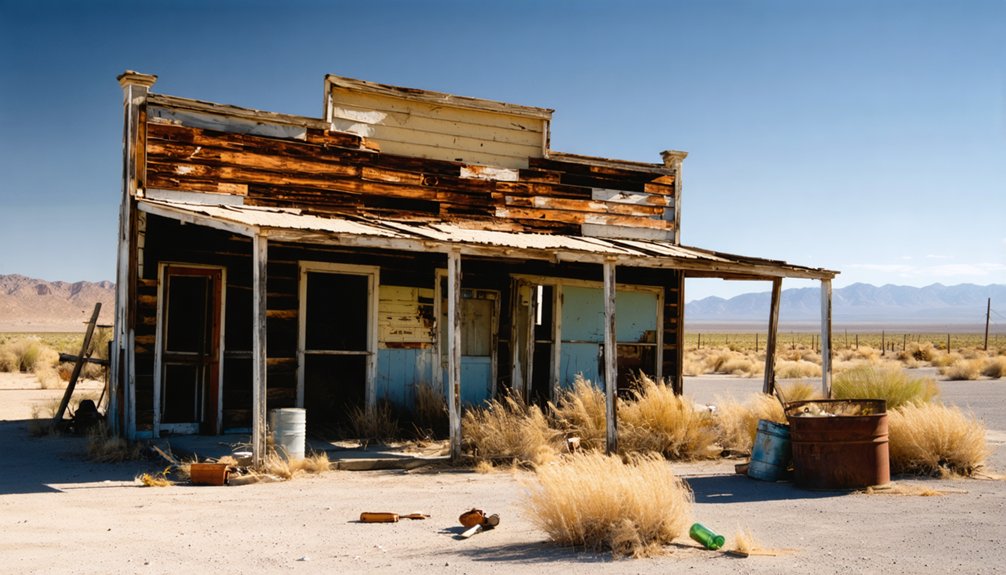
What followed was a settlement that made Tombstone look tame. You’d have found fourteen saloons, twenty gambling dens, and brothels lining “Hell Street,” creating a lawless reputation that terrorized even the toughest frontiersmen. Six consecutive marshals died, most within their first month of service.
Combined with the mining hazards and rough terrain surrounding the area, Canyon Diablo became the West’s most volatile boomtown — a place where freedom meant survival, and survival wasn’t guaranteed.
How to Get to Canyon Diablo, Arizona
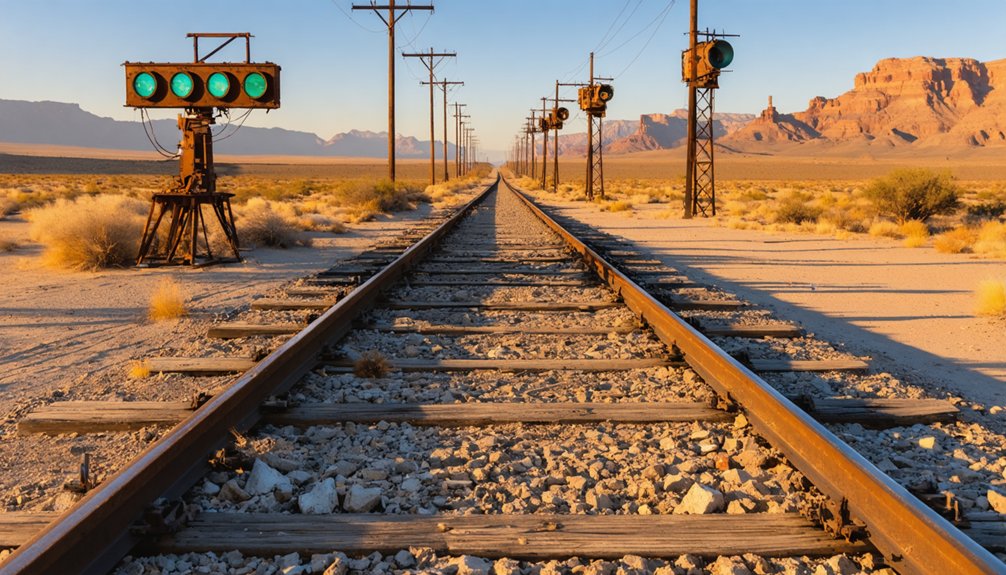
Reaching Canyon Diablo requires a bit of planning, but the journey itself sets the tone for what you’ll find there. Take I-40 to Exit 230, follow the paved road west, then head north on gravel for three miles until you hit the railroad tracks. You’ll need a high-clearance vehicle for the rocky terrain.
Take I-40 to Exit 230, head west, then north on gravel — a high-clearance vehicle is non-negotiable.
Park at the tracks and walk roughly half a mile west — the ruins sit on the north side. Wear boots; rattlesnakes are active local wildlife you don’t want to surprise.
The golden-hour light transforms crumbling stone walls into dramatic photography subjects, so bring your camera and arrive early or late for the best photography tips results.
Respect the gravesite, leave nothing behind, and carry water for this exposed, 5,400-foot elevation stretch.
What You Need to Know Before You Arrive at Canyon Diablo
Before you roll out, a few ground-level realities will sharpen your visit. The roads running three miles north off Exit 230 are rough, rocky, and unforgiving, so bring a high-clearance vehicle or you won’t make it far.
Local wildlife is active out here, particularly rattlesnakes threading through the scrub and ruins. Wear solid boots and watch every step when you cross the tracks or poke around the stone walls.
For photography tips, arrive in early morning or late afternoon when the desert light carves shadows across the crumbling structures and deepens the canyon’s edge. The elevation sits at 5,400 feet, so skies run vivid and clear.
Respect the gravesite and ruins completely. Take only pictures, leave only tracks, and carry out everything you bring in.
What’s Left to See at Canyon Diablo Today?
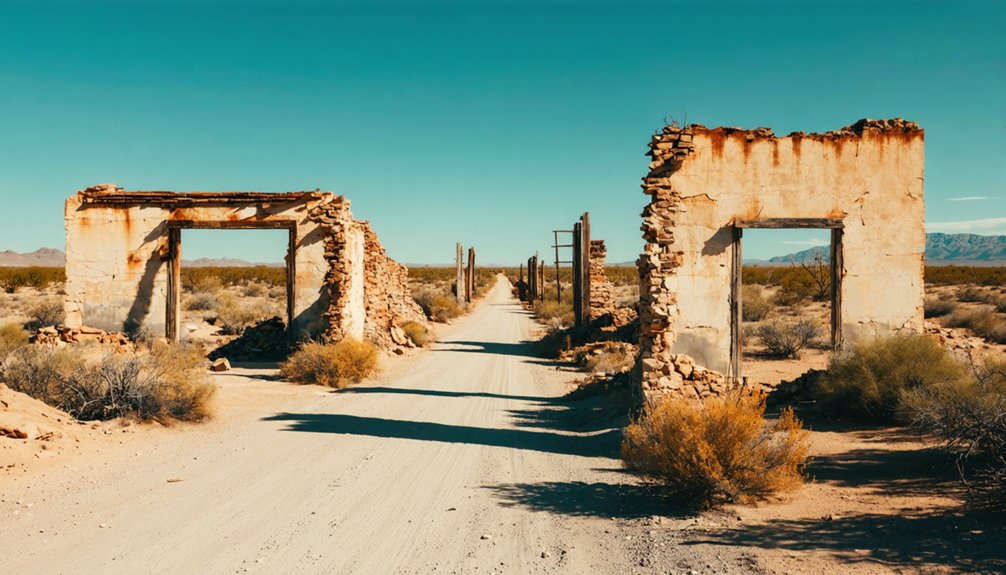
Once you’ve parked and walked that half-mile stretch west of the tracks, the ruins open up quietly, letting the landscape do most of the talking.
A large stone building anchors the site, its walls still standing against the high desert wind at 5,400 feet.
Nearby, a water hole—90% intact and 20 to 30 feet deep—hints at how the town once sustained itself.
South of the tracks, roughly an eighth of a mile west, you’ll find Hermann Wolf’s grave, one of the few historical artifacts grounding local legends to real names and real losses.
Six dead marshals. Hell Street. A boomtown gone silent.
You won’t find much else, but what remains carries the full weight of Canyon Diablo’s brutal, brief existence.
Is Canyon Diablo Worth Visiting for Ghost Town Explorers?
For ghost town explorers, Canyon Diablo delivers something most sites can’t—a place where the danger wasn’t exaggerated. Six marshals died here. That’s not local folklore polished by time; that’s a body count recorded in history. You’re walking ground that earned a reputation deadlier than Tombstone, where Hell Street ran wide open and nobody apologized for it.
The historical legends surrounding Canyon Diablo aren’t manufactured for tourism. They grew from real violence, real desperation, and real ambition carved into Arizona desert. What remains—stone ruins, a deep water hole, Hermann Wolf’s solitary grave—rewards the explorer who values raw authenticity over curated experience.
If you crave frontier history without the gift shop, Canyon Diablo is exactly worth the rocky road in.
Frequently Asked Questions
Can Visitors Camp Overnight at the Canyon Diablo Ghost Town Site?
The knowledge doesn’t specify camping regulations or pet policies for Canyon Diablo. Since you’re entering Navajo Reservation land, you’d want to confirm overnight permissions directly with tribal authorities before pitching camp beneath those star-filled, history-haunted skies.
Are There Guided Tours Available for Exploring Canyon Diablo?
No guided tours exist, so you’ll freely forge your own frontier path! You can independently discover historical artifacts and seize stunning photography opportunities while wandering where six slain marshals once struggled to survive Canyon Diablo’s dangerously dramatic, historically-grounded ghost town.
What Is the Best Time of Year to Visit Canyon Diablo?
Spring and fall offer you the best visits, when mild temperatures let you fully absorb Canyon Diablo’s historical significance. You’ll appreciate preservation efforts more clearly without summer’s brutal heat dulling your senses and explorer’s spirit.
Is There an Entrance Fee to Access the Canyon Diablo Ruins?
No entrance fee stands between you and Canyon Diablo’s weathered ruins. You’ll find no access restrictions blocking your path across the sun-baked Navajo land—just rugged dirt roads, rattlesnake warnings, and wide-open frontier freedom awaiting your exploration.
Are Pets Allowed When Visiting the Canyon Diablo Ghost Town?
The knowledge doesn’t confirm pet policies for Canyon Diablo, so check with Navajo Reservation authorities first. For pet safety, remember rattlesnakes roam this rugged, historically fierce frontier—boots protect you, but your adventurous companion needs vigilant protection too.
References
- https://en.wikipedia.org/wiki/Canyon_Diablo
- https://www.youtube.com/watch?v=CITGpzaDS4k
- https://www.ghosttowns.com/states/az/canyondiablo.html
- https://www.historynet.com/ghost-town-canyon-diablo-arizona/
- https://www.onlyinyourstate.com/trip-ideas/arizona/canyon-diablo-is-allegedly-one-of-arizonas-most-haunted-small-towns
- https://www.youtube.com/watch?v=ygYXYA3uSZ4
- https://www.youtube.com/watch?v=derxSm4Pho8
- https://www.atlasobscura.com/places/canyon-diablo
- http://www.ghosttownaz.info/canyon-diablo.php
- https://www.abandonedspaces.com/towns/two-guns-arizona-cursed-ghost-town-full-of-history-and-mystery.html