You can hit three Arizona ghost towns in a single afternoon by driving a dirt road north of Wickenburg. Start with Weaver, where Pauline Weaver’s 1863 gold discovery built a boomtown of 3,500 people that collapsed within decades. Explore rusting stamp mills, stone foundations, and a partially restored cemetery before continuing to nearby Stanton and Octave. Visit in winter, spring, or fall to avoid brutal summer heat that tops 100°F. There’s much more to uncover about this fascinating stretch of desert history.
Key Takeaways
- Weaver, Arizona, is a historic gold rush ghost town located about 18 miles north of Wickenburg, accessible via SR 89 and dirt roads.
- Visit during winter, spring, or fall to avoid dangerous summer heat exceeding 100°F in Arizona’s desert climate.
- Explore scattered artifacts like rusting stamp mills, stone foundations, and a partially restored cemetery reflecting Weaver’s boomtown past.
- Combine your trip by visiting nearby ghost towns Stanton and Octave, all accessible along the same dirt road route.
- Pack water, food, and supplies, as the remote high desert terrain offers limited access to services along the way.
How Pauline Weaver’s Gold Discovery Built and Doomed This Town
In 1863, Pauline Weaver struck gold at Rich Hill, and that single discovery transformed a quiet stretch of Arizona desert into a boomtown of 3,500 people almost overnight. The mining district produced roughly $500,000 in gold nuggets, fueling dreams of independence and fortune for everyone who arrived.
But the gold didn’t last. By the 1890s, the deposits dried up, the economy collapsed, and outlaws like Francisco Vega’s gang moved in as law-abiding residents moved out. The post office opened in May 1899 and closed less than a year later — a fitting symbol of the town’s rapid fall.
Today, you can walk the site and discover historical artifacts, rusting mining equipment, and stone foundations that tell the full story of Weaver’s extraordinary rise and inevitable collapse.
What’s Still Standing at the Weaver Ghost Town Site
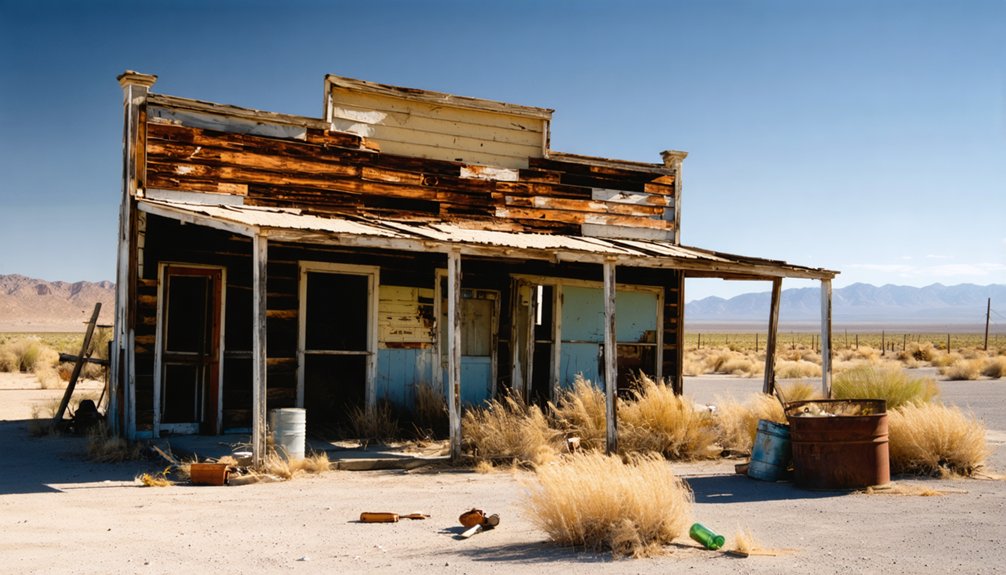
Although the gold rush crowds are long gone, Weaver still delivers a surprisingly tangible connection to its mining past. You’ll find scattered historical artifacts across the site, including rusting ore crushers and stamp mills that once drove the town’s fortune. The mining machinery sits where it was abandoned, giving you an unfiltered look at 19th-century gold extraction methods.
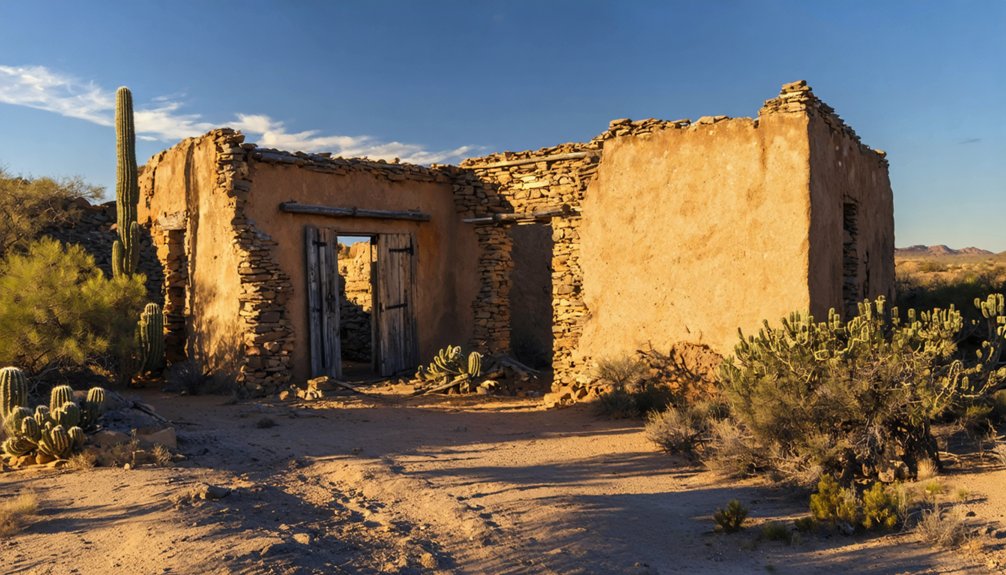
Stone rock walls and foundations break through the desert landscape, hinting at the structures that once sheltered 3,500 residents. A partially restored cemetery lets you walk among the names of those who lived and died chasing their dreams here.
Small active mining operations nearby add a living contrast to the ruins. Weaver doesn’t hand you a polished museum experience — it hands you raw, unguarded history.
When to Visit Weaver Ghost Town
You’ll get the most out of your visit to Weaver by planning your trip during winter, spring, or fall, when the mild climate makes outdoor exploration comfortable. Arizona’s desert summers can be brutally hot, turning a casual ghost town walkabout into an exhausting ordeal.
Pack water regardless of when you go, but timing your visit outside of summer months lets you fully enjoy the scattered ruins and historic cemetery without battling the heat.
Best Seasons To Visit
Weaver’s climate makes timing your visit an important consideration, as summer heat in Arizona can be brutal and unforgiving. You’ll want to plan your trip during winter, spring, or fall when temperatures stay comfortable and manageable.
Winter visits offer crisp, clear days perfect for exploring scattered ruins and rusting machinery without sweat draining your energy. Spring brings blooming desert landscapes and active local wildlife, making your exploration visually rewarding.
Fall delivers cooling temperatures after summer’s relentless heat finally breaks.
Keep in mind that visitor amenities are virtually nonexistent at this remote ghost town, so you’re responsible for bringing your own water, food, and supplies regardless of season. Pack accordingly, and you’ll experience this fascinating slice of Arizona’s wild mining history on your own terms.
Climate Conditions Overview
Arizona’s desert climate shapes your Weaver ghost town experience more than almost any other factor. Each season transforms the landscape differently, affecting local flora, wildlife sightings, and your overall comfort.
Here’s what you’ll encounter throughout the year:
- Winter (Dec–Feb): Mild temperatures make exploring ruins comfortable. Wildlife sightings increase near Weaver Creek.
- Spring (Mar–May): Local flora blooms brilliantly across Rich Hill, creating stunning backdrops for photography.
- Summer (Jun–Aug): Brutal heat exceeding 100°F makes extended outdoor exploration genuinely dangerous.
- Fall (Sep–Nov): Cooling temperatures revive desert vegetation and animal activity.
You’ll get the most freedom to roam the site during winter, spring, and fall. Summer visits demand extreme caution, early morning starts, and serious water reserves.
Avoiding Summer Heat
When should you plan your trip to Weaver? Avoid summer entirely. Arizona’s desert heat turns the site into an uncomfortable, even dangerous, experience during those months. You’ll enjoy gold panning and exploring historic landmarks far more when temperatures cooperate.
Winter, spring, and fall offer the ideal conditions for your visit. Mild winters let you wander the rusting stamp mills and stone foundations without battling extreme heat. Spring brings comfortable temperatures perfect for thoroughly exploring the cemetery and scattered mining machinery. Fall delivers crisp air that makes hiking the unimproved roads along Weaver Creek genuinely enjoyable.
Plan your arrival during these cooler seasons, and you’ll move freely across the site, taking your time to absorb the rich, rugged history this ghost town still quietly holds.
How to Get to Weaver, Arizona
Getting to Weaver, Arizona is straightforward if you know where to look. Head north from Congress on SR 89, watching for the green-painted Frog Rock on your left. The road to Stanton appears on the right about 2 miles past Congress, leading you deeper into the region’s rich mining history and lawless reputation.
Follow these simple directions:
- Turn right at the Stanton sign and travel 6 miles of dirt road.
- Pass through Stanton and continue toward Octave.
- Hug the east side of Rich Hill along Weaver Creek.
- A standard 2WD vehicle handles the unimproved roads fine.
You’re roughly 18 miles north of Wickenburg, so plan accordingly. The drive itself sets the adventurous tone for everything you’ll discover once you arrive.
The Road to Weaver: What the Drive Actually Looks Like
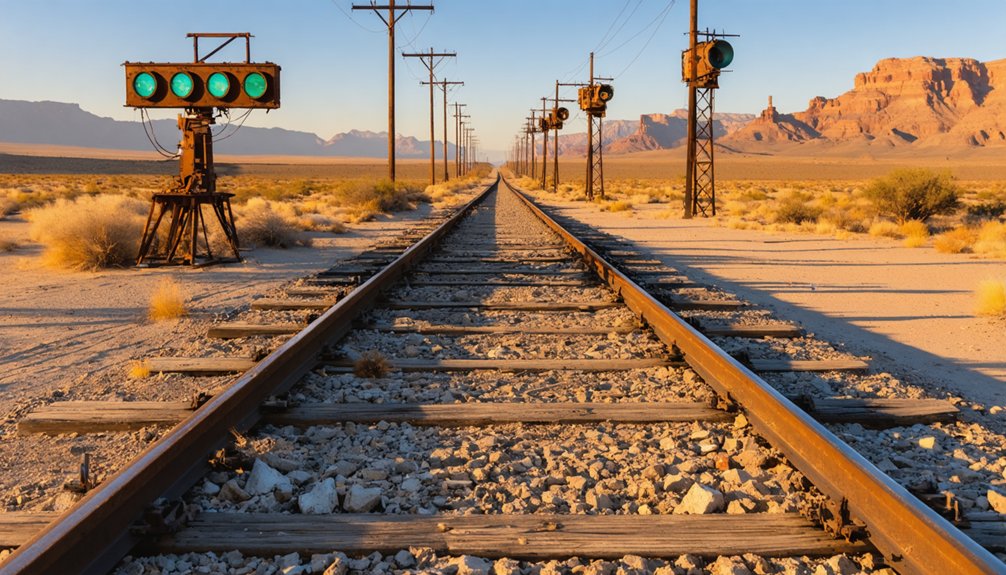
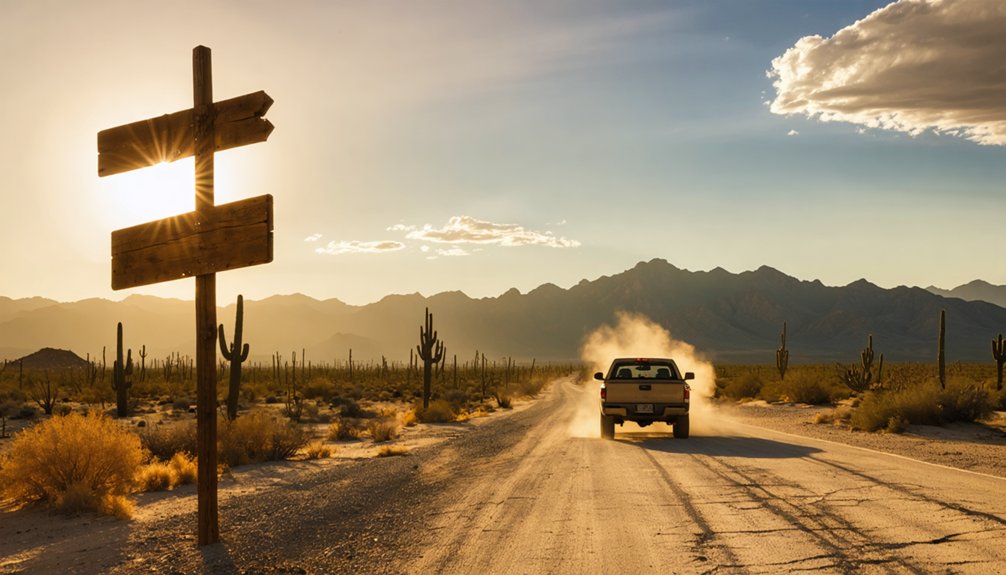
Once you turn off SR 89 and hit that dirt road toward Stanton, the landscape opens up into classic high desert terrain — scrubby desert brush, rocky hillsides, and the kind of quiet that makes you feel genuinely far from civilization.
The moment you leave SR 89 behind, the desert takes over — brush, rock, and silence.
You’ll cover about 6 miles of rustic road conditions that are manageable in a standard 2WD vehicle, though you’ll want to take it slow. Scenic mountain views of Rich Hill dominate your surroundings as you push deeper into Yavapai County.
Past Stanton, Weaver sits just 2 miles further along the same road, hugging the east side of Weaver Creek. There’s no hand-holding out here — no paved shortcuts or tourist infrastructure.
That raw, unfiltered access is exactly what makes the drive feel worth it.
Stanton and Octave: The Ghost Towns Closest to Weaver
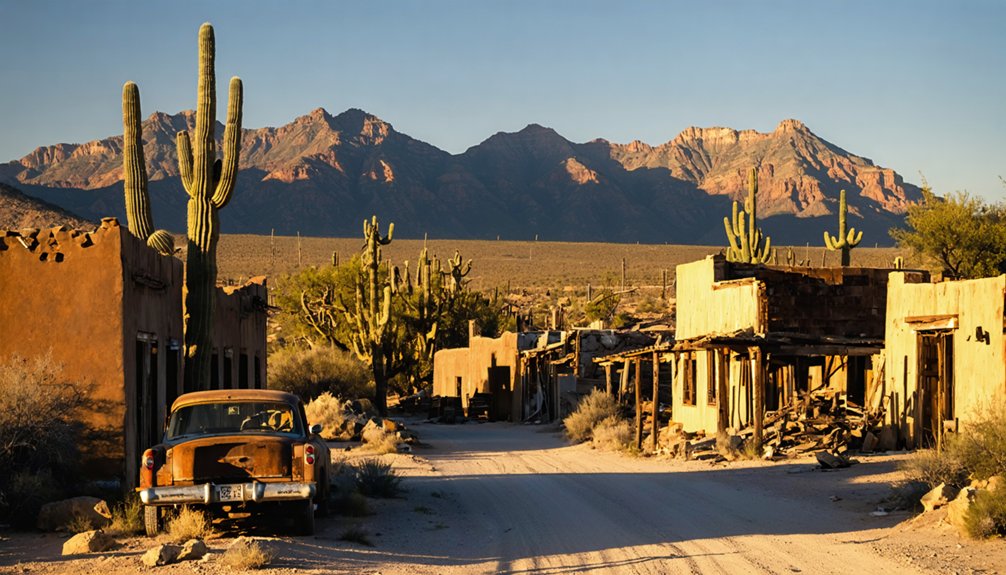
Weaver doesn’t stand alone out here — it’s part of a loose cluster of ghost towns that once defined this stretch of Yavapai County, and two of its closest neighbors, Stanton and Octave, are worth factoring into your visit.
Both towns share deep mining history and outlaw legends that rival Weaver‘s own troubled past. Here’s what to know:
- Stanton sits 2 miles before Weaver along the same road
- Octave drew law-abiding citizens fleeing Weaver’s dangerous criminal element
- Francisco Vega’s gang terrorized this entire corridor during the decline years
- Both towns are accessible via the same unimproved dirt road from Congress
Hitting all three in one trip gives you a fuller picture of how gold, lawlessness, and abandonment shaped this remote Arizona corridor.
Frequently Asked Questions
Is a Permit Required to Visit the Weaver Ghost Town Site?
No permit’s needed — you’re free to explore! Wander Weaver’s history preservation ruins, photograph scattered stamp mills and stone walls, and capture stunning Photography tips-worthy shots of rusting machinery at your own adventurous pace.
Are There Any Restroom Facilities Available Near the Weaver Ghost Town?
You won’t find any restroom availability or official facility locations at Weaver Ghost Town. It’s a remote, rugged site, so plan ahead, bring your own supplies, and embrace the wild, untamed freedom of this historic Arizona desert destination!
Can Visitors Legally Collect Gold Nuggets Found at the Weaver Site?
Over $500,000 in gold was extracted here! Before you pocket anything, you’ll need to check gold panning regulations and mineral collection rules carefully, as collecting without proper permits could land you in serious legal trouble.
Is Camping Allowed Overnight at or Near the Weaver Ghost Town?
The knowledge doesn’t confirm camping regulations for Weaver, so you’ll want to verify with Yavapai County beforehand. For overnight safety tips, bring supplies, since you’re exploring remote, unimproved terrain where lawlessness once thrived freely.
Are Pets Allowed When Visiting the Weaver Ghost Town Location?
Saddle up, explorer! The knowledge base doesn’t specify pet policies for Weaver Ghost Town. You’ll want to check current visitor guidelines before bringing your furry companion, ensuring pet safety across those rugged, unimproved desert trails.
References
- https://en.wikipedia.org/wiki/Weaver
- https://www.ghosttowns.com/states/az/weaver.html
- https://www.youtube.com/watch?v=9mqqbUCzaA4
- https://statelibraryofarizona.wordpress.com/tag/ghost-town/
- http://www.echoesofthesouthwest.com/2016/03/the-ghost-town-of-weaver.html
- https://fr.wikipedia.org/wiki/Weaver_(Arizona)
- https://www.arizonahighways.com/archive/issues/chapter/Doc.444.Chapter.4