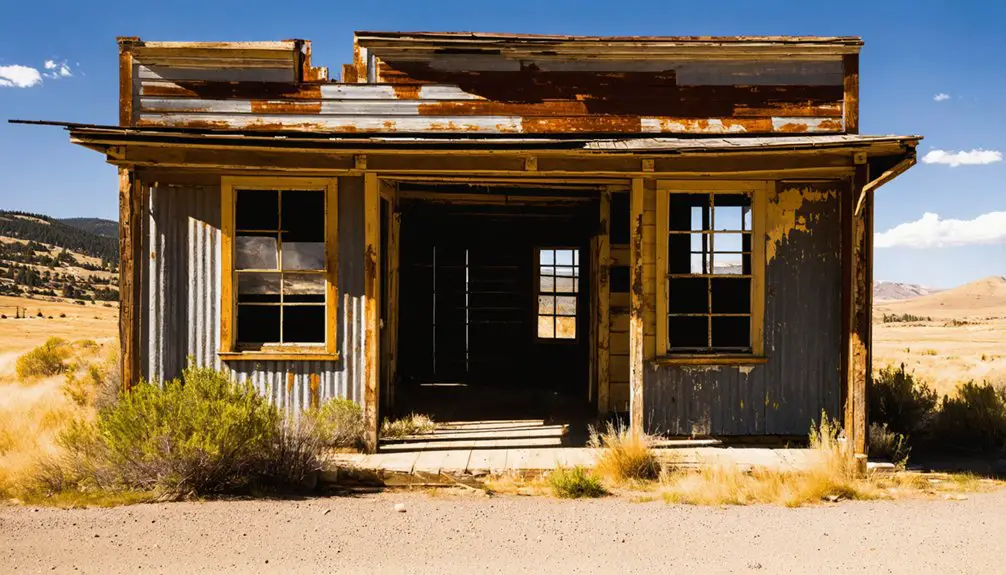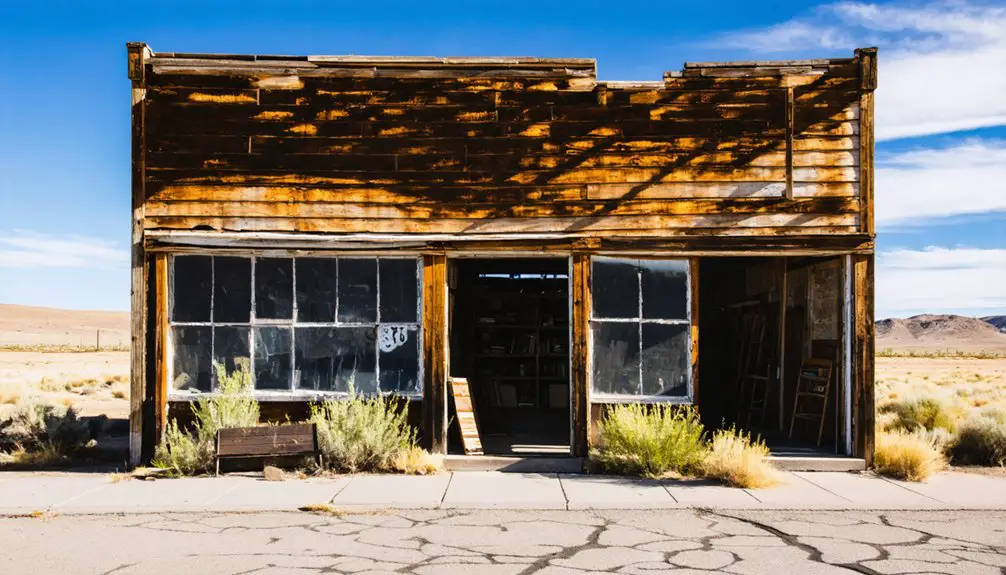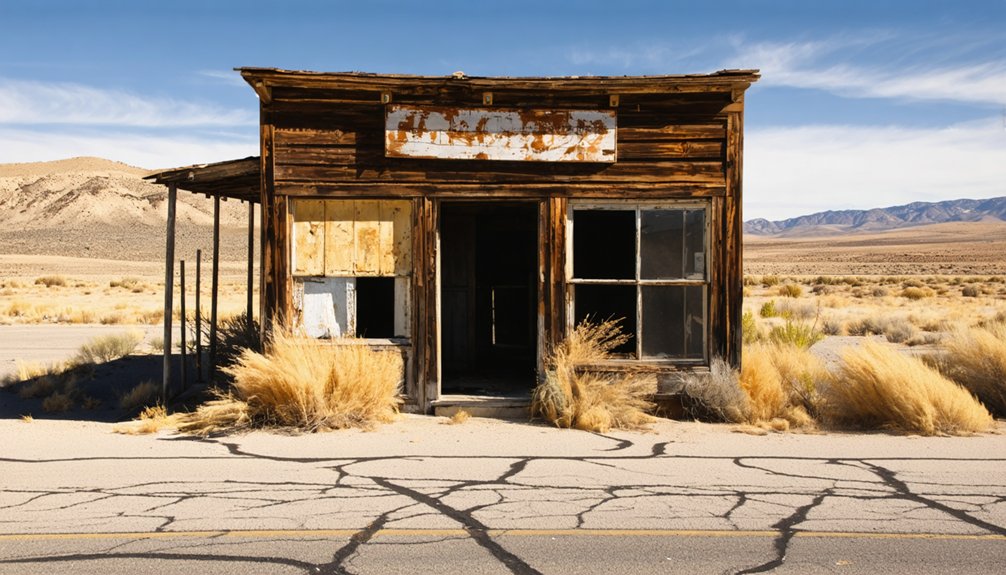
Bonanza, Oregon isn’t your typical ghost town — it never fully disappeared, but it never quite came back either. You can explore a historic jail, walk past century-old buildings, and soak up the eerie quiet of a town that time nearly forgot. It’s just 30 miles east of Klamath Falls, making it an easy day trip or a launching point for a wider southern Oregon adventure. Keep going to uncover everything this forgotten frontier town has to offer.
Key Takeaways
- Bonanza sits 30 miles east of Klamath Falls, reachable via Highway 140 East and Clover Creek Road in roughly 35 to 40 minutes.
- Visit between June and September for mild temperatures, optimal road conditions, and the best access to historic sites and local attractions.
- Key stops include the historic jail, downtown heritage buildings, Big Springs Deli, and 12 Ranch Wines for a well-rounded visit.
- Pack water, snacks, layered clothing, and a detailed Oregon map, as cell service and local services are unreliable throughout the area.
- Extend your trip by combining Bonanza with nearby Crater Lake National Park, Klamath Falls, and the historically rich Lost River Valley.
Is Bonanza, Oregon a True Ghost Town?
Whether Bonanza, Oregon qualifies as a “true” ghost town depends on how strictly you define the term.
Dig into Bonanza history, and you’ll find a settlement that never fully vanished — it simply quieted down. Unlike classic ghost town myths of overnight abandonment, Bonanza faded gradually after its sawmill economy dried up and businesses stopped rebuilding after devastating fires in the early 1900s.
Bonanza never vanished overnight — it simply faded, one shuttered business and dying sawmill at a time.
Today, the town retains a skeletal presence rather than a completely deserted shell. A handful of residents remain, and historic structures still dot the landscape.
For road-trippers craving authentic Western exploration, that ambiguity actually makes Bonanza more compelling. You’re not visiting a staged museum — you’re walking through a living, breathing relic where history and near-abandonment exist side by side.
The Wild History That Put Bonanza on the Map
That quiet, half-forgotten quality doesn’t appear from nowhere — Bonanza earned its stillness through a genuinely turbulent past.
The town’s settlement patterns trace back to 1873, when I.R. Chandler filed the first homestead and John Shook established a sawmill at Big Springs, creating the economic foundations that drew early pioneers westward.
But freedom came at a cost. Indigenous history runs deep here — the Lost River corridor sheltered native encampments long before settlers arrived, and the Modoc War forced early residents to abandon Bonanza entirely for safety in Linkville.
Then came the historic events that truly tested the town: devastating fires in 1910 and 1913 leveled entire business blocks, and a bold 1931 bank robbery attempt reminded everyone that frontier danger didn’t die quietly.
The Historic Bonanza Jail You Can’t Miss
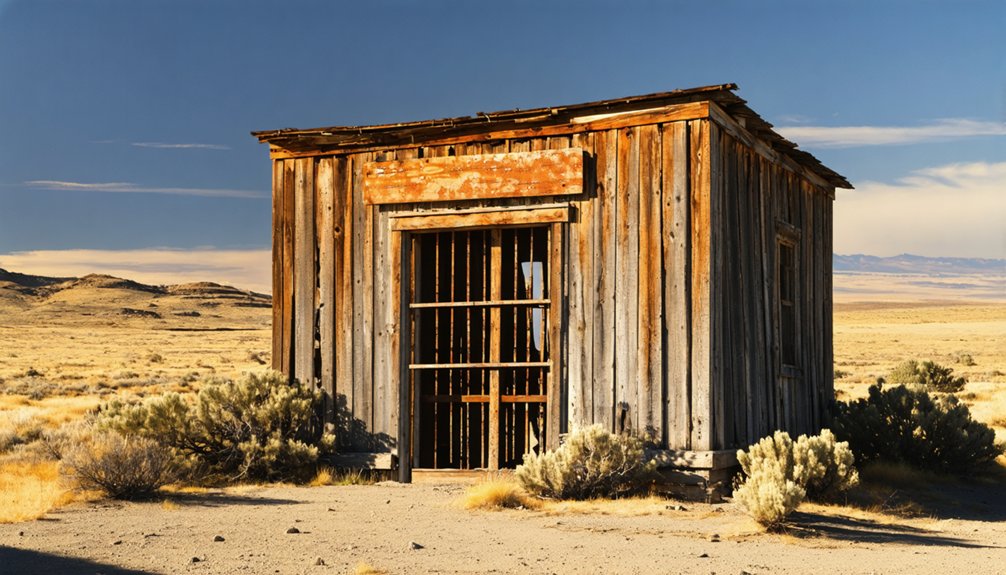
The building’s historic significance goes beyond its quirky appearance.
It represents Bonanza’s determined effort to establish law and order amid robbery attempts, fires, and frontier chaos.
You can walk right up, snap photos, and feel the weight of a community that refused to be defined solely by its wilder days.
What Else to See in Bonanza Beyond the Jail
While the jail anchors your visit, Bonanza offers a few more stops worth your time.
Wander the downtown district where historic buildings once housed general merchandise stores, barbershops, and hotels — all carrying deep historical significance tied to Oregon’s settlement era. You’ll feel the weight of those early pioneer days just walking the streets.
Nearby, Big Springs Deli makes a perfect pit stop when you need fuel for the road.
If you’re a wine enthusiast, swing by 12 Ranch Wines to sample local flavors unique to this region.
These local attractions won’t demand hours of your day, but they’ll round out your experience beautifully.
Bonanza rewards curious travelers who take time to look beyond the obvious and soak in everything this quiet corner of Klamath County offers.
What to Eat and Drink Near Bonanza, Oregon
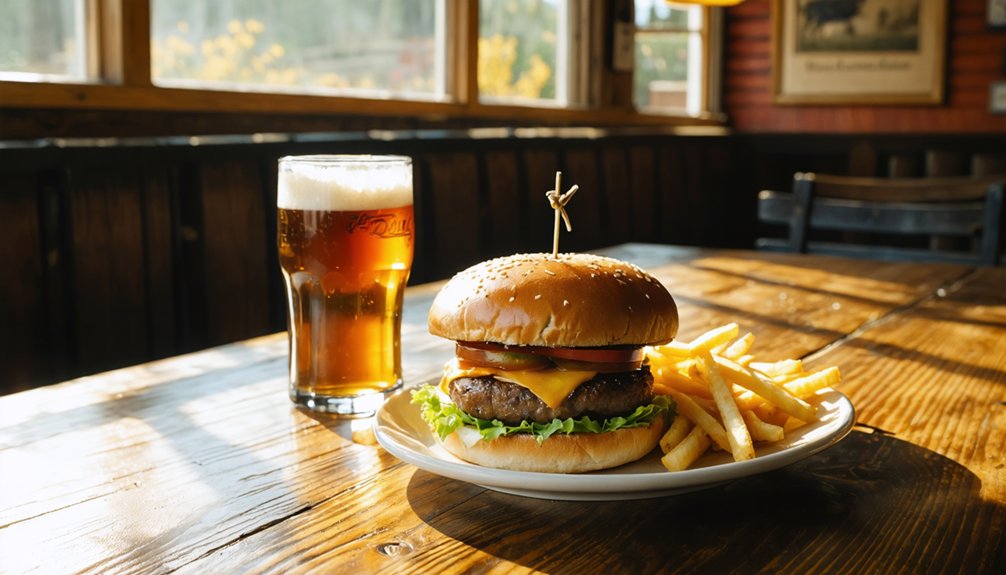
Hungry after exploring Bonanza’s historic streets? You’re in luck — a couple of worthwhile stops sit nearby.
Swing by Big Springs Deli for satisfying local cuisine that’ll fuel your continued adventures through Klamath County’s open roads. It’s the kind of unpretentious, straightforward food that road trippers genuinely appreciate.
Unpretentious, satisfying fuel for the road — Big Springs Deli keeps hungry travelers moving through Klamath County.
For regional beverages worth savoring, 12 Ranch Wines offers you a taste of southern Oregon’s growing wine culture. Sipping a glass here connects you to the land itself — the same rugged territory that drew settlers, miners, and loggers generations ago.
Neither spot demands a reservation or a dress code. You’re free to wander in, refuel, and roll out on your own schedule.
That’s exactly the kind of flexibility a ghost town road trip deserves.
Ghost Towns Near Bonanza Worth Adding to Your Drive
If you’re already making the drive to Bonanza, Oregon’s high desert region rewards you with several ghost towns worth folding into your route.
Klamath County and its neighboring areas hold remnants of Oregon’s settlement era, from abandoned mining camps to forgotten logging towns that echo the same pioneering spirit you’ll feel in Bonanza.
Mapping out an extended loop lets you squeeze the most history out of a single road trip while keeping drive times manageable between stops.
Nearby Oregon Ghost Towns
Bonanza makes a great home base for exploring some of Oregon’s other forgotten settlements, and Klamath County has no shortage of ghost towns worth tracking down.
You’re already in prime territory for uncovering ghost town legends that stretch across the high desert and timber country. Head south toward the California border, or push east along the Lost River corridor, and you’ll find abandoned structures slowly surrendering to the landscape.
Each site tells a different story — failed mining ventures, dried-up agricultural dreams, communities that simply couldn’t outlast hard times.
Since Bonanza itself offers lodging options nearby, you can spend multiple days poking through the region without rushing. The more ground you cover, the richer your understanding of Oregon’s rugged, often overlooked frontier history becomes.
Planning Your Extended Route
Once you’ve used Bonanza as your launching point, extending your route through Klamath County opens up a rewarding stretch of Oregon’s forgotten history.
Head north toward Linkville, where early settlers once fled during the Modoc War, and you’ll find scenic viewpoints overlooking the Lost River valley that make natural stopping points between sites.
Keep your eyes open for local wildlife along these rural stretches — pronghorn and waterfowl frequent the open terrain.
Each detour rewards you with layers of context, connecting Bonanza’s sawmill origins to the broader 1870s settlement wave that shaped the region.
Traveling these back roads on your own terms means setting your pace, choosing your stops, and discovering Oregon’s high desert history without a guided tour telling you where to look.
The Best Time of Year to Visit Bonanza, Oregon
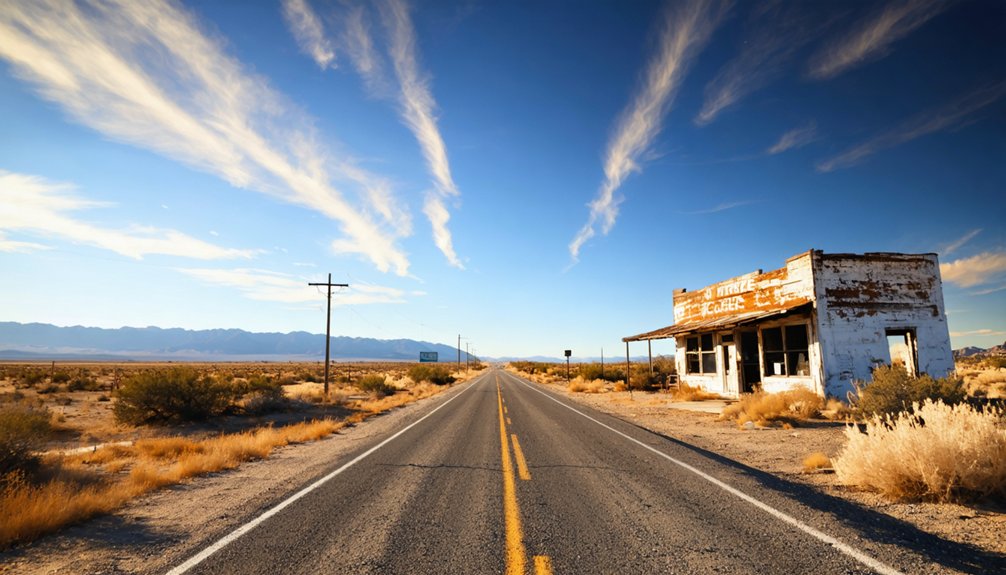
Although Bonanza, Oregon sits in the high desert of Klamath County, it’s surprisingly accessible year-round — but late spring through early fall offers the most comfortable conditions for exploring outdoor historical sites like the iconic concrete jail.
Summer temperatures stay mild compared to lower elevations, making afternoon walks through town genuinely enjoyable. You’ll find seasonal attractions peak between June and September, when longer daylight hours give you more time to wander and photograph historic landmarks.
Check local listings for community events and local festivals that occasionally draw visitors into this quiet corner of Oregon.
Winter brings harsher conditions and limited services, so plan accordingly. Whatever season you choose, you’ll experience a landscape that rewards curiosity and rewards those who value wide-open, unhurried exploration.
How to Get to Bonanza, Oregon
If you’re heading to Bonanza from Klamath Falls, the drive takes you roughly 30 miles northeast along Highway 140 East before turning onto Clover Creek Road — a scenic route that winds through the high desert landscape of Klamath County.
You’ll want to keep an eye out for the turnoffs, as rural Oregon roads can be deceptively easy to miss.
Once you arrive, parking is informal and uncrowded, so pull off near the historic jail and explore the area on foot at your own pace.
Getting There From Klamath Falls
Getting to Bonanza from Klamath Falls is a straightforward 30-mile drive east that takes roughly 35 to 40 minutes.
You’ll head east on Highway 140, then turn north onto Highway 70, following the road through open farmland and high desert terrain.
The scenic routes along this stretch reward you with sweeping views of the Lost River valley and genuine opportunities for wildlife spotting — keep your eyes open for deer, hawks, and waterfowl near the wetland areas.
You’ll also pass a few historical markers worth stopping at if you want context before you arrive.
Pack water, top off your gas tank in Klamath Falls, and bring a camera.
The drive itself sets the tone for the kind of unhurried, wide-open exploration that makes this trip worth taking.
Best Routes To Take
Bonanza sits about 30 miles east of Klamath Falls, and the most direct route takes you out on Highway 140 before turning north on Highway 70 toward town.
The drive cuts through high desert terrain that rewards curious travelers willing to explore.
Consider these route options:
- Highway 140 East – The fastest path, getting you to Bonanza efficiently without unnecessary stops.
- Scenic Detours via Keno – Follow the Klamath River corridor for stunning views before heading northeast toward town.
- Lost River Loop – Circle through the Lost River valley, passing historical landmarks tied to early settler encampments and Indigenous history.
Each route offers something distinct, so pick the road that matches your pace and sense of adventure.
Road Trip Parking Tips
Once you roll into Bonanza, you’ll find parking is pleasantly straightforward for a small historical town. There’s no meter stress or crowded lots competing for your attention.
Street parking near the historic jail sits right along the main road, letting you step directly into the town’s story without a lengthy walk.
Smart parking strategies here mean simply pulling off where the road widens near landmarks and keeping your vehicle accessible for a quick departure. It’s the kind of freedom road trippers genuinely love.
Among your road trip essentials, pack a detailed Oregon map since cell service can be unreliable in rural Klamath County.
Knowing your surroundings before you arrive keeps your visit smooth, spontaneous, and completely on your own terms.
What to Bring for Your Bonanza, Oregon Day Trip
Packing smart makes all the difference for a day trip to this remote Klamath County ghost town. Your packing essentials should support your trip itinerary without weighing you down.
Packing smart for a remote Klamath County ghost town means bringing only what truly supports your itinerary.
Bonanza’s sparse amenities mean you’re responsible for your own comfort and resources.
- Water and snacks – Services are limited, so pack enough hydration and fuel for several hours of exploring.
- Camera or smartphone – The historic jail’s painted murals and barred windows beg to be photographed.
- Layered clothing – Klamath County weather shifts quickly, and you’ll want flexibility whether you’re wandering outdoors or ducking into Big Springs Deli afterward.
Arrive prepared, and you’ll spend your time exploring rather than scrambling.
How to Build a Southern Oregon Road Trip Around Bonanza
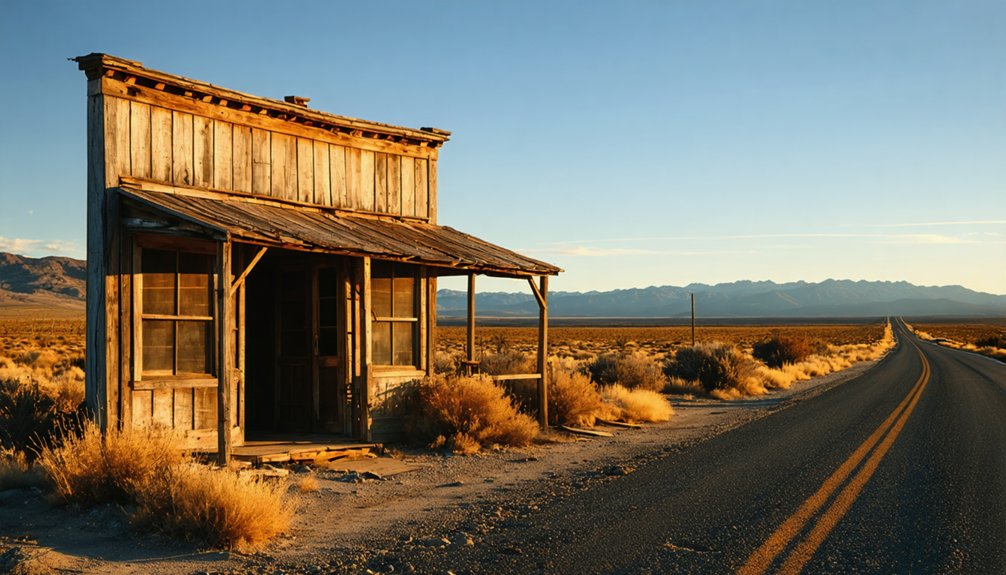
Bonanza makes an ideal anchor for a Southern Oregon road trip, with Klamath Falls sitting just 30 miles west and offering restaurants, lodging, and the Klamath Basin’s stunning wildlife refuges.
You can string together a scenic loop by heading south toward the Lava Beds National Monument or east through the high desert toward Crater Lake’s back-country routes.
Plan your route around Bonanza as a midday stop, using the historic jail as your centerpiece before pushing on to bigger regional attractions before sunset.
Nearby Southern Oregon Stops
Southern Oregon’s wide-open high desert landscape makes Bonanza a natural anchor for a longer road trip through Klamath County.
Pair your stop with nearby destinations rich in local legends and historical anecdotes that stretch across the region’s rugged terrain.
- Klamath Falls – Explore the city once called Linkville, where early Bonanza settlers fled during the Modoc War for safety.
- Crater Lake National Park – Drive north to experience one of Oregon’s most dramatic natural landmarks, just a scenic hour away.
- Lost River Valley – Follow the same waterway that drew Indigenous communities and early homesteaders, connecting you directly to Bonanza’s founding story.
Each stop deepens your understanding of how this corner of Oregon shaped itself from wilderness into history.
Road Trip Route Planning
Turning those scattered stops into a cohesive route means thinking about direction, distance, and pacing before you leave home.
Start in Klamath Falls, work your way south toward Lost River, and let Bonanza anchor the middle of your journey. From there, you can push east or loop back north depending on how much time you’ve got.
Stock your road trip essentials — water, snacks, paper maps, and a full tank — because services get sparse fast in this high desert country.
Pull off at scenic viewpoints along Highway 140 and the Cascade foothills to break up the drive and stretch your legs.
Keep your itinerary loose enough to follow a dirt road when curiosity strikes. That flexibility is where the real adventure happens.
Frequently Asked Questions
Who Filed the First Homestead in Klamath County and When?
I.R. Chandler filed the first homestead in Klamath County on July 11, 1873, making him a pioneering figure in homestead history. You’ll find Klamath settlers like Chandler shaped this region’s bold, freedom-driven legacy.
How Did Bonanza, Oregon Get Its Name?
Imagine dusty frontier dreams taking shape — John Shook’s 1875 post office application birthed Bonanza’s ghost town history. He’s credited with choosing the name “Bonanza,” forever cementing its significance as Oregon’s spirited, freedom-forged landmark you’ll treasure visiting.
Were There Fatalities in Bonanza’s Early Wooden Jail Fire?
Yes, you’ll find that Bonanza’s jail history includes a tragic fire in 1903 or 1904, where two inmates died in the wooden structure—a stark reminder of how poor fire safety cost lives in early frontier towns.
Is Bonanza, Oregon the Same as Bonanza in Baker County?
No, they’re different places! In your Bonanza history and ghost town exploration, you’re visiting Klamath County’s incorporated town — not Baker County’s ghost town. Both share the name, but they’re entirely separate Oregon destinations.
What Businesses Were Lost in the Devastating 1913 Bonanza Fire?
You’d be shocked by what the 1913 fire consumed — historic landmarks like the Harpold Building’s drug store, hotel, barber shop, confectionery, general merchandise, and Broadsword Hardware all vanished, reminding us why fire prevention matters deeply.
References
- https://valereelane.wordpress.com/2015/02/11/bonanza-oregon/
- https://traveloregon.com/things-to-do/culture-history/historic-sites-oregon-trail/bonanza-historic-jail/
- https://www.youtube.com/watch?v=6hlviqR8cbk
- https://www.legendsofamerica.com/id-bonanzacuster/
- http://pnwphotoblog.com/ghost-town-of-bonanza-oregon/
- https://www.jstor.org/stable/j.ctt2005tmr