Planning a ghost town road trip to Etna, Nevada means chasing silver history into the high desert of Pershing County, about 15 miles north of Lovelock along the Humboldt River. Founded in 1865 during a silver boom, Etna rose fast and collapsed faster, leaving behind mill foundations and scattered ruins within seven short years. You’ll want to visit in spring or fall when temperatures stay manageable. Stick around, and there’s much more to uncover about this forgotten corner of Nevada.
Key Takeaways
- Etna, Nevada, is located in Pershing County, approximately 15 miles north of Lovelock, along the eastern bank of the Humboldt River.
- Reach Etna from Reno via I-80 east (~90 miles to Lovelock), from Elko via I-80 west (~170 miles), or from Las Vegas via US-95.
- Visit in spring or fall for mild weather; summer temperatures exceed 100°F, and winter snowfall may block access roads.
- Explore remnants of silver milling operations, mill foundations, and relic-strewn ruins that reflect Etna’s rapid rise and fall during the 1860s.
- Nearby ghost towns Oreana, Unionville, and Rochester offer additional stops worth combining into a broader Pershing County road trip itinerary.
How a Silver Mill in 1865 Built: and Buried: Etna, Nevada
When a mill began processing silver ore in the fall of 1865, it didn’t just spark an economy — it built an entire town from scratch. Within months, Etna, Nevada had a post office, stores, saloons, and a second mill humming alongside the first.
That’s how fast boom towns moved when the money was real.
But the same force that built Etna ultimately buried it. By 1866, one mill had been dismantled and hauled elsewhere. The other shut down shortly after. The post office closed in October 1866.
Mining history is full of these reversals — towns that rose and collapsed within a single decade. Etna was abandoned by 1872, leaving behind only ruins and a story worth chasing on your next road trip.
Where Exactly Is Etna Located in Nevada?
Knowing where a ghost town fell apart is just as important as knowing why — and with Etna, the geography tells its own story.
Tucked into Pershing County, Nevada, Etna sits roughly 15 miles north of Lovelock along the eastern bank of the Humboldt River. That placement wasn’t accidental — it put the town directly beside the ore-rich Humboldt Range.
Three geographic details define Etna’s place in ghost towns and Etna history:
- Coordinates: 40°22′16″N, 118°19′14″W — remote, deliberate, and unforgiving
- Positioned three miles above old Oreana’s later townsite
- Straddling the historic Humboldt Trail, where 150,000 emigrants once pushed westward
You’re not just visiting ruins — you’re standing where America’s frontier ambitions collided with hard desert reality.
When Is the Best Time to Visit Etna?
Timing your visit to Etna can mean the difference between a rewarding desert adventure and a miserable slog through extreme conditions.
The best seasons to explore this Pershing County ghost town are spring and fall, when weather conditions stay mild and manageable. Spring brings cooler temperatures and occasional wildflowers across the high desert landscape, while fall delivers crisp air and golden light perfect for photographing crumbling ruins.
Summer heat in Nevada’s desert interior can turn brutal fast, pushing temperatures well above 100°F and making outdoor exploration genuinely dangerous.
Nevada’s desert summer shows no mercy — temperatures soar past 100°F, transforming a casual exploration into a survival situation.
Winter brings freezing temperatures and potential snowfall that can block rural access roads entirely.
Plan your trip between April through June or September through October, and you’ll experience Etna’s haunting beauty without battling the elements.
How to Get to Etna, Nevada
Reaching Etna, Nevada requires finding your way to Pershing County, where this forgotten silver town sits roughly 15 miles north of Lovelock along the eastern bank of the Humboldt River.
Three launch points make exploring ghost town legends and mining history straightforward:
- Reno – Drive east on I-80 approximately 90 miles to Lovelock, then head north.
- Elko – Travel west on I-80 roughly 170 miles before turning toward Lovelock.
- Las Vegas – Head north on US-95, connecting through Reno or cutting across Nevada’s open desert highways.
From Lovelock, navigate north toward the old Oreana townsite area.
A reliable map or GPS helps you pinpoint the exact coordinates — 40°22′16″N, 118°19′14″W — before venturing into Nevada’s rugged backcountry.
How to Prepare for the Drive to Etna’s Remote Townsite
Before you point your vehicle toward Etna’s ghost-ridden stretch of Pershing County, preparation separates a rewarding desert adventure from a frustrating breakdown miles from nowhere.
In Pershing County’s unforgiving desert, preparation isn’t optional—it’s the line between adventure and catastrophe.
Nevada’s remote terrain demands respect, so pack extra water, fuel, and a physical map since cell service disappears fast.
Wear sturdy boots because the mining legacy scattered across this site means uneven ground, rusted debris, and unstable remnants of 1860s milling operations.
Bring a camera to capture ghost town history frozen in weathered wood and crumbling stone.
Check your spare tire, carry basic tools, and tell someone your route before departing.
Morning departures beat brutal afternoon heat.
Etna rewards the prepared traveler with raw, unfiltered glimpses of Nevada’s silver boom—but only if you arrive ready to handle whatever the desert throws at you.
What Survives at Etna: Ruins, Relics, and What’s Left to See
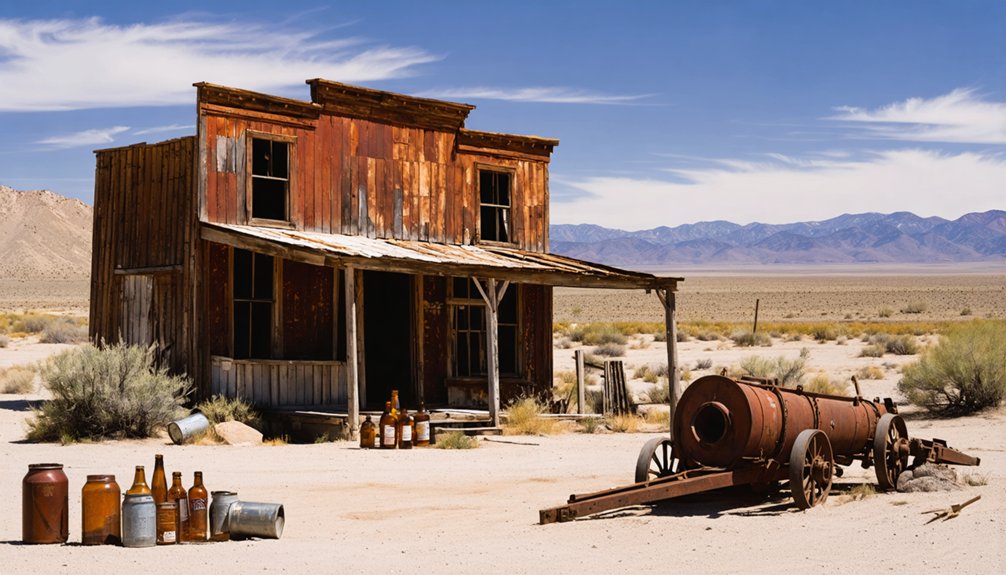
When you arrive at Etna’s townsite, you’ll find the remnants of what was once a bustling silver milling operation scattered across the high desert landscape.
The ruins of old mining works and mill foundations still break the terrain, offering tangible evidence of the frantic activity that defined this place in the mid-1860s.
Relics left behind by the town’s former residents and workers surface throughout the site, making every step a potential encounter with 19th-century Nevada history.
Mining Ruins Still Standing
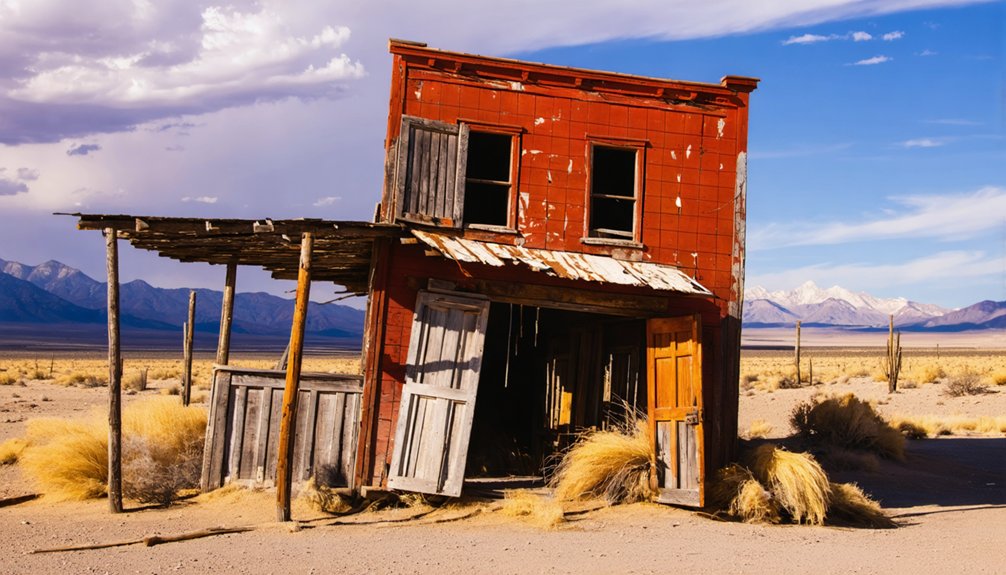
After more than 150 years of desert exposure, Etna’s remnants still cling to the landscape along the Humboldt River’s eastern bank, offering ghost town explorers a raw, unvarnished glimpse into Nevada’s 1860s silver rush.
Nevada’s dry climate preserves these ruins in a state of arrested decay, freezing their mining heritage in place.
You’ll encounter scattered evidence of Etna’s brief but intense existence:
- Mill foundations where silver ore processing once drove the entire economy
- Relic-strewn ruins marking former infrastructure including stores and operational buildings
- Open terrain remnants revealing the original townsite layout along the river
Each crumbling structure carries historical significance, connecting you directly to the miners and settlers who built something extraordinary here — then walked away entirely by 1872.
Relics Left Behind
Though the town itself vanished by 1872, Etna left behind a scattered archive of relics and ruins that still rewards curious explorers willing to make the trek to Pershing County.
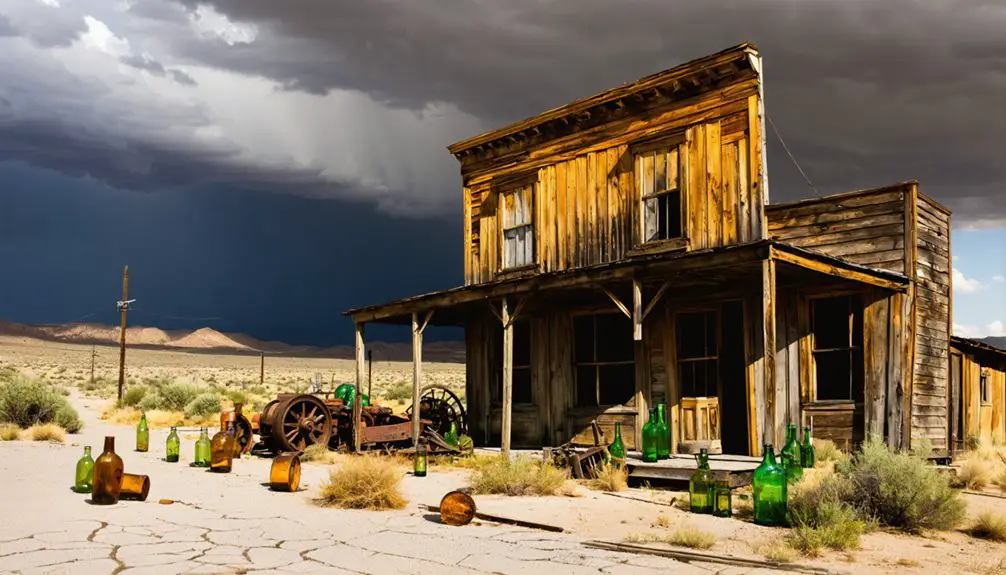
You’ll find remnants of milling operations frozen in Nevada’s dry climate, preserved in that characteristic state of arrested decay the Silver State does so well. The relic significance here goes beyond nostalgia — these historical artifacts give you direct, tangible contact with an 1860s mining boom that shaped the American West.
Broken equipment, structural foundations, and mining operation remnants tell Etna’s story without a single word. You don’t need a guided tour or an admission ticket. Just bring your curiosity, respect the site, and let the ruins speak for themselves.
What Etna’s Surviving Ruins Reveal About 1860s Nevada Mining
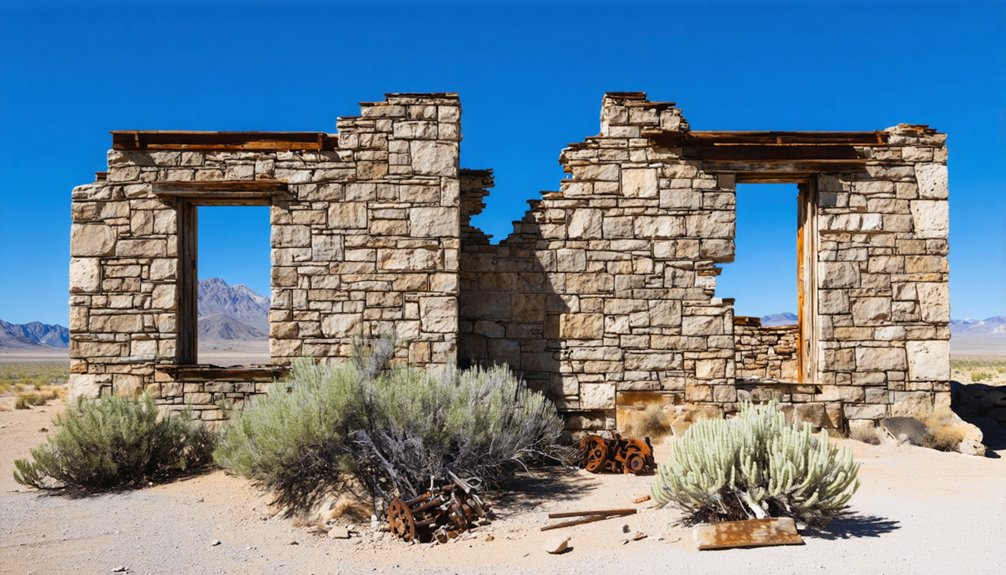
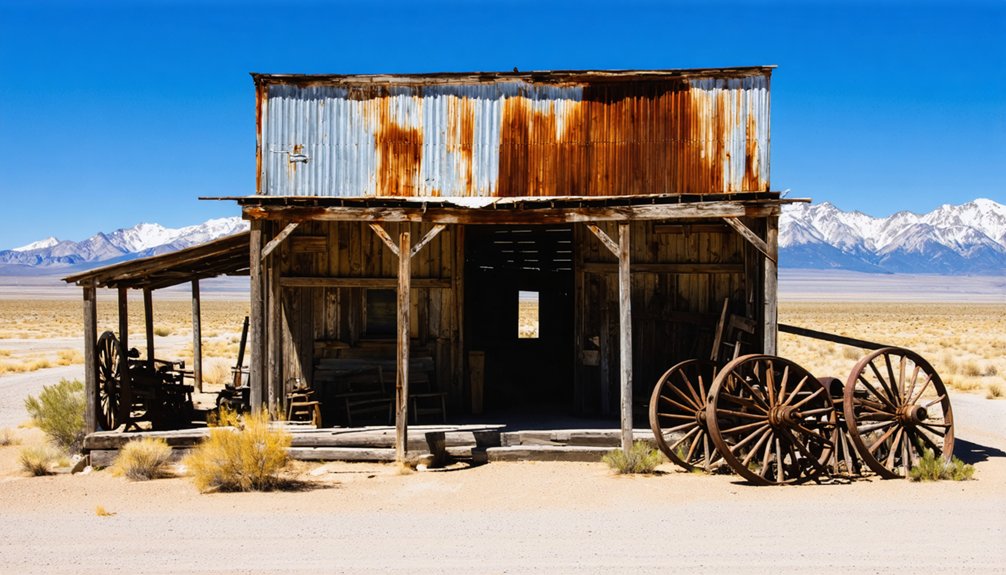
Even in ruins, Etna tells a vivid story. Walking through the remnants, you’re reading a firsthand account of 1860s Nevada mining techniques and raw frontier ambition. Ghost town preservation here isn’t polished—it’s honest.
Even in ruins, Etna doesn’t whisper history—it shouts it, raw and unpolished, straight from the frontier.
The surviving ruins reveal three essential truths:
- Silver drove everything. The mills weren’t secondary structures—they were Etna’s entire reason for existing.
- Infrastructure appeared fast. Within months, ferries, stores, and livery stables supported a functioning economy.
- Collapse came faster. Once the ore thinned and mills relocated, abandonment followed swiftly—no sentiment, just economics.
Nevada’s dry climate acts as a natural preservative, freezing Etna in a state of arrested decay.
You’re not imagining history here—you’re standing inside it, surrounded by evidence that’s waited 150 years for your visit.
How to Explore Etna’s Abandoned Mines and Ruins Safely
Standing inside Etna’s ruins is one thing—stepping into its abandoned mines is another, and that shift demands a different kind of preparation. You’re entering unstable ground, literally. Shafts collapse without warning, air quality drops fast, and darkness disorients quickly.
These aren’t dramatic warnings—they’re real safety precautions that keep explorers alive and free to roam another day.
Follow these exploration tips before you go anywhere near the mine openings: bring a hard hat, carry multiple light sources, never enter alone, and always tell someone your exact location.
Wear sturdy boots and watch every step across the debris-scattered terrain surrounding the ruins.
Etna rewards the prepared explorer. Respect its dangers, move deliberately, and you’ll experience something most people never will—raw, unfiltered history beneath a Nevada sky.
Which Ghost Towns Near Etna Are Worth Adding to Your Route?
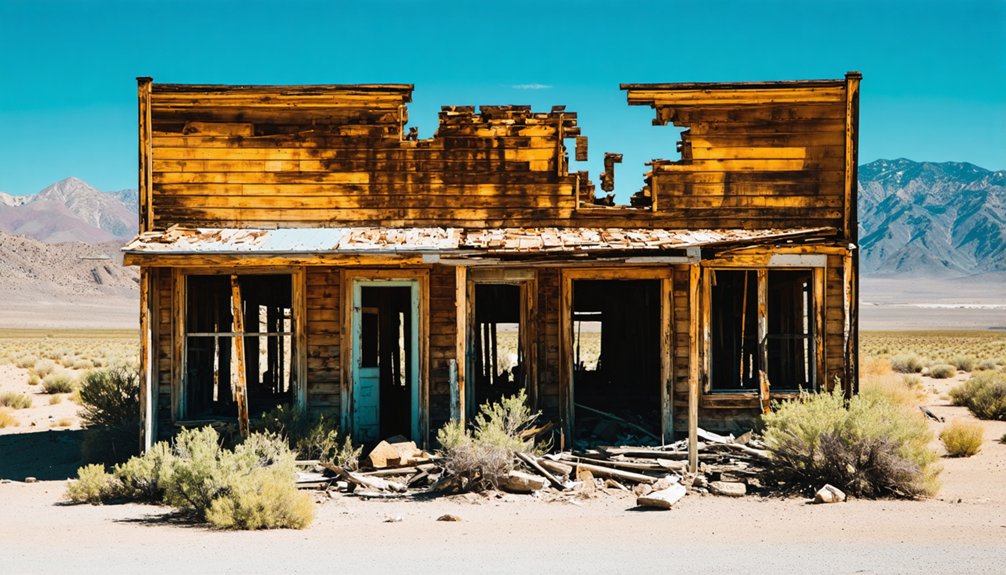
Once you’ve explored Etna’s ruins, the surrounding region opens into a sprawling network of ghost towns that make the drive worthwhile on their own.
Pershing County holds remarkable ghost town attractions tied to Nevada’s silver boom era, each with distinct historical significance.
- Oreana – Just three miles south, this former river town shares Etna’s mining-era roots and offers comparable ruins worth investigating.
- Unionville – A well-preserved settlement in the Humboldt Range where Mark Twain once tried his luck at mining.
- Rochester – A hillside silver camp boasting standing structures and extensive mine tailings that paint a vivid picture of boom-and-bust life.
String these stops together, and you’ll cover a serious stretch of Nevada’s untamed, freedom-rich frontier history.
Why Etna Is Worth Adding to Your Nevada Road Trip
With a cluster of ghost towns already mapped to your route, Etna earns its place not just as another pin on the map but as a genuinely compelling stop in its own right.
Its ghost town significance runs deeper than crumbling walls and scattered relics. Founded in 1865 along the Humboldt River, Etna captured a raw, fleeting moment when silver transformed empty desert into a working community almost overnight.
That mining heritage is still readable in the ruins left behind. You’re standing where mills processed ore, ferries crossed rivers, and merchants set up shop — all within a single year.
The ruins don’t just sit there — they tell you exactly what happened and how fast it all moved.
Etna rose fast, collapsed faster, and left enough behind to make the detour worthwhile. It’s exactly the kind of stop that makes a Nevada road trip feel authentic.
Frequently Asked Questions
Was Etna Ever Considered for Revival After It Was Abandoned in 1872?
The records don’t show any revival possibilities for Etna after 1872. You’ll find its ghost town history frozen in time, with ruins silently echoing Nevada’s mining boom—an untouched, free-spirited relic awaiting your exploration.
Did Any Notable Historical Figures Pass Through or Settle in Etna?
No notable settlers or historical figures are documented in Etna’s records. But you’d have crossed paths with 150,000 westward-bound emigrants during key historical events along the Humboldt Trail that shaped this rugged, freedom-seeking region.
Are There Any Legal Restrictions on Collecting Relics Found at Etna?
Before you pocket any treasures, you’ll want to research relic collection laws carefully. Legal implications are real—federal and state regulations often restrict removing artifacts from historical sites, so always check local guidelines before grabbing anything.
Has Etna Ever Been Featured in Films, Documentaries, or Television Programs?
While no confirmed film locations or documentary insights tie Etna directly to productions, don’t let that discourage you—its raw, untouched ruins offer you a cinematic backdrop that’s genuinely more compelling than anything Hollywood could script.
Are There Any Local Guided Tours Specifically Focused on Visiting Etna?
No dedicated guided tours exist specifically for Etna, but you’ll find guided exploration opportunities through regional ghost town enthusiasts who offer local insights, helping you uncover the site’s raw, untamed history on your own terms.
References
- https://en.wikipedia.org/wiki/Etna
- https://www.youtube.com/watch?v=3q7clKM6b1U
- https://kids.kiddle.co/Etna
- https://travelnevada.com/ghost-town/
- https://nvtami.com/2025/06/25/lincoln-county-ghost-town-trip/
- https://www.nevadaghosttownsandmininghistory.com/copy-of-lander-county