Planning a ghost town road trip to Eureka, Utah starts with a 70-mile drive southwest of Salt Lake City along I-15 and Highway 6. Once there, you’ll explore century-old buildings on Historic Main Street, tour the Tintic Mining Museum, and wander the abandoned structures of nearby Silver City. Eureka was once Utah’s 9th largest city, built entirely on silver and gold. There’s far more to this forgotten boomtown than meets the eye.
Key Takeaways
- Eureka, Utah, sits 70 miles southwest of Salt Lake City, roughly a 75-minute drive via I-15 south and Highway 6 southwest.
- Visit the Tintic Mining Museum, Historic City Hall, Gatley Building, and Silver City Cemetery to explore Eureka’s rich ghost town history.
- Obtain a scavenger hunt passport at the Eureka Company Store to guide your exploration of key landmarks throughout the town.
- Spring (April–May) and fall (September–October) offer the best weather conditions for comfortable, extended ghost town exploration.
- Pack layers, stay hydrated, and photograph during golden hour for the best experience capturing Eureka’s abandoned structures and mining relics.
Why Silver Turned a Desert Camp Into Utah’s 9th Largest City
When a miner reportedly shouted “Eureka, I found it!” around 1871, he unknowingly set off one of Utah’s most dramatic urban transformations. That silver discovery sparked a mining boom that reshaped an ordinary desert camp into something extraordinary.
By 1880, only 122 people called Eureka home. A decade later, 1,733 residents had arrived, chasing opportunity through the rocky terrain of the Tintic Mountains. The town incorporated as a city in 1892, becoming the financial nerve center of the Tintic Mining District.
At its peak, Eureka ranked as Utah’s 9th largest city, pulling silver, gold, copper, and lead from the earth. You’re looking at a place where raw ambition and mineral wealth collided, building an entire civilization from a single, celebrated shout.
How to Get to Eureka, Utah From Salt Lake City
Getting to Eureka, Utah from Salt Lake City is a straightforward drive that’ll take you about an hour and fifteen minutes under normal conditions.
You’ll head southwest on Utah Highway 6, covering roughly 70 miles through open desert terrain before the Tintic Mountains come into view.
The route itself sets the tone for your ghost town adventure, pulling you away from the city and into Utah’s rugged, mineral-rich backcountry.
Driving Route Overview
Nestled 70 miles southwest of Salt Lake City, Eureka is a straightforward drive that’ll take you roughly an hour depending on traffic. You’ll head south on I-15, then merge onto Utah Highway 6 heading southwest toward Price.
Keep your eyes open for scenic views as the landscape shifts from urban sprawl into rugged high desert terrain, with the Tintic Mountains rising dramatically on the horizon.
A few driving tips worth noting: Highway 6 runs directly through Eureka’s town center, making it impossible to miss. The road is well-maintained year-round, though winter conditions can occasionally slow things down.
Fill your tank before leaving Salt Lake City, since fuel options become limited once you’re deep into Juab County’s wide-open stretches of freedom-inspiring desert highway.
Distance And Travel Time
Covering roughly 70 miles from Salt Lake City, the drive to Eureka clocks in at about an hour under normal conditions — making it one of those rare road trips that’s long enough to feel like an escape but short enough to tackle on a whim.
You’ll head southwest on Highway 6, a straightforward route that cuts through open desert terrain and gradually reveals the Tintic Mountains on the horizon.
One of the best travel tips you can follow is leaving early to avoid weekend traffic near the city’s outskirts. The highway offers several scenic stops along the way, including views of Little Sahara Sand Dunes.
Keep your tank full before departing — gas options thin out considerably once you’re past the Salt Lake Valley.
The Mines, Headframes, and Ore That Built Eureka’s Fortune
When you wander through Eureka’s rugged terrain, the towering headframes scattered across the hillsides tell the story of a town that once struck it rich in spectacular fashion.
These historical artifacts stand as symbols of the mining techniques that extracted tremendous wealth from the earth.
The Tintic District produced:
- Silver and gold from legendary mines like Eureka Hill and Centennial Eureka
- Copper and lead fueling industrial demand across the country
- Bismuth, a rarer mineral adding diversity to Eureka’s rich mineral output
- Combined riches that made Tintic one of Utah’s top mineral-producing regions by 1899
The Chief Consolidated Mining Company kept operations running well into the 1950s.
Today, Eagle and Bluebell mines remain standing, marked with no-trespassing signs but impossible to ignore.
What’s Still Standing on Eureka’s Historic Main Street
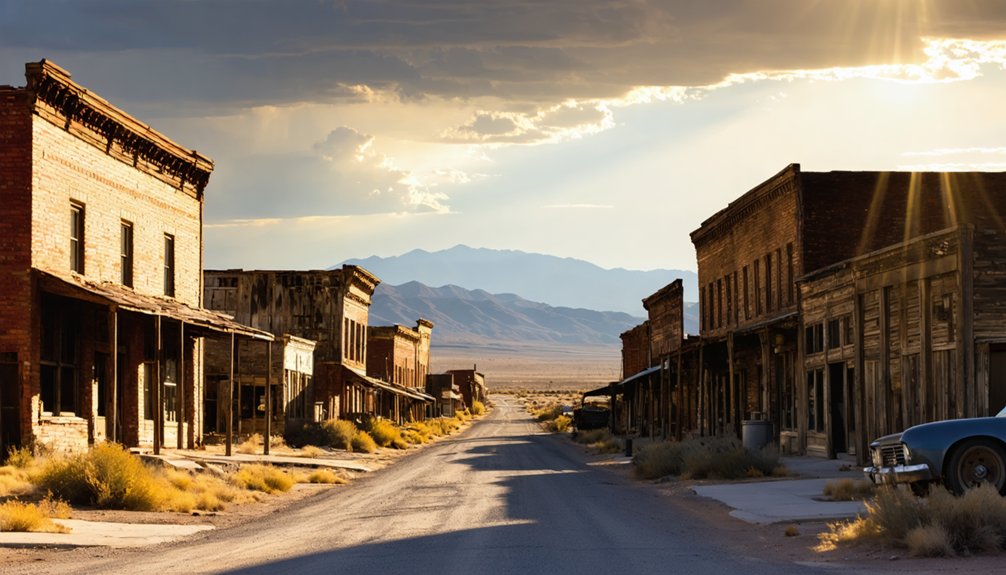
Step off Eureka’s Main Street curb and you’ll find yourself face-to-face with a handful of landmarks that have outlasted the boom-and-bust cycles defining this town’s past.
The historic buildings lining this stretch tell stories no museum fully captures. Spot the vintage gas station locals call the Gas Hole, a relic frozen in another era. Notice the historic clock standing like a quiet sentinel over a town that refuses to disappear.
Historic buildings line this stretch, telling stories no museum can fully capture — frozen in time, refusing to disappear.
The Tintic Mining Museum, housed inside the old Union Pacific Railroad depot, connects you directly to the district’s mineral-rich legacy. Local legends breathe life into structures like the Gatley Building and Historic City Hall, where paranormal enthusiasts report unexplained energy.
Grab a scavenger hunt passport from the Eureka Company Store and let Main Street reveal itself on your terms.
Silver City: The Ghost Town 2 Miles South of Eureka, Utah
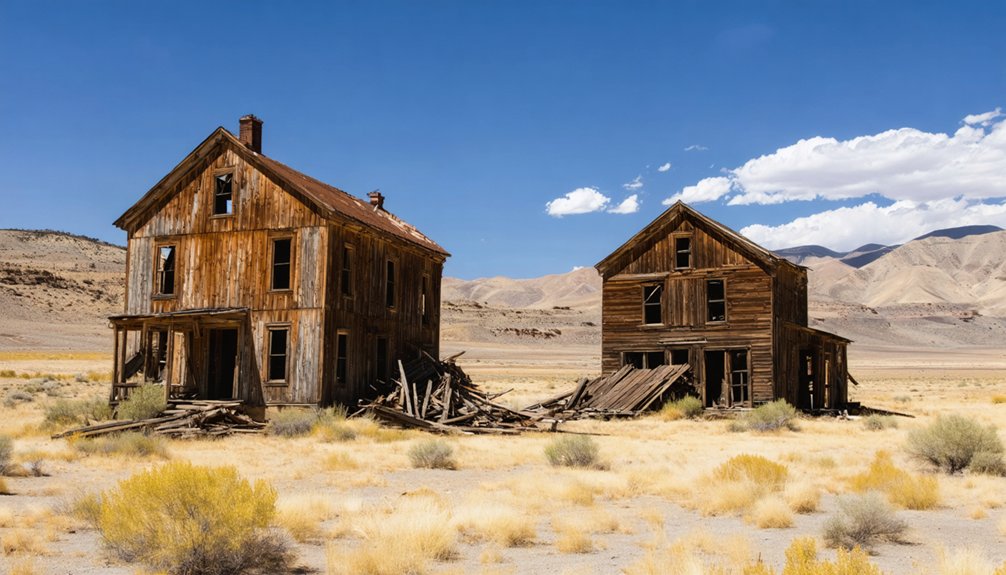
Just 2.5 miles south of Eureka along Highway 6, Silver City sits frozen in time, a ghost town that once rivaled its neighbor during the frenzied mineral rush of the late 1800s.
Its mining history runs deep, and its abandoned structures whisper local legends to anyone brave enough to listen.
Here’s what you’ll discover:
- Ghostly tales and eerie encounters haunt every crumbling wall
- Photograph opportunities hide around every weathered corner
- Hidden treasures reward serious urban exploration enthusiasts
- Historical significance earned Silver City Cemetery a spot on the National Register of Historic Places
You’re roaming freely through raw, unfiltered American history here.
Pack your camera, respect the no-trespassing signs, and let Silver City’s haunting silence tell its own story.
Is Eureka, Utah Actually Haunted?
Beyond the mining relics and crumbling headframes, Eureka carries a reputation that goes deeper than history — locals and visitors alike report paranormal activity scattered across town.
Eerie encounters are most commonly tied to the Gatley Building and Historic City Hall, where visitors describe unexplained sightings and an overwhelming sense of negative energy. Local legends suggest the weight of Eureka’s boom-and-bust past never fully left these walls.
If you’re someone drawn to places where history feels alive — sometimes uncomfortably so — Eureka won’t disappoint.
Walk through downtown after sunset, and you’ll quickly understand why this town straddles the line between living community and ghost town.
Whether you believe in the paranormal or not, the atmosphere alone makes Eureka an unforgettable stop on your road trip.
Supplies to Grab Before Leaving Salt Lake City for Eureka
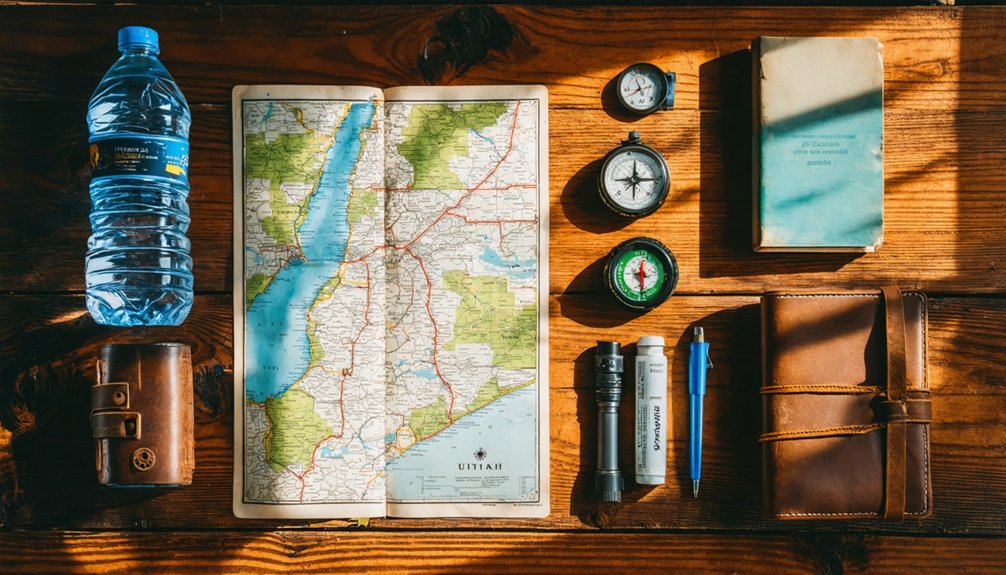
Before hitting the road toward Eureka’s ghost town streets, there are a few key supplies you’ll want to grab in Salt Lake City — because once you head southwest on Highway 6, convenience stores get sparse fast.
Pack smart so you can focus on exploring Eureka history and the fascinating remnants of 19th-century mining techniques without interruption:
- Water and snacks — the desert stretches are unforgiving
- A printed or downloaded map — cell service drops in the Tintic Mountains
- A journal or camera — you’ll want to document headframes and historic structures
- Sturdy walking shoes — uneven terrain surrounds old mine sites
Freedom means being prepared. Stock up before you leave, and Eureka’s open roads and rugged history are entirely yours to discover.
The Best Time of Year to Visit Eureka Without the Heat
If you want to explore Eureka’s historic streets and outdoor mining relics comfortably, plan your visit in spring or fall when temperatures stay mild and the desert air feels crisp rather than punishing.
Summer heat in this high-desert region can push well above 90°F, turning a leisurely ghost town stroll into an exhausting ordeal.
You’ll find late April through early June and September through October offer the sweet spot — cool mornings, manageable afternoons, and golden light that makes those weathered headframes and vintage storefronts look even more atmospheric.
Ideal Visiting Seasons
When you visit Eureka, Utah matters just as much as where you go once you’re there. The desert climate means brutal summers, so plan smart:
- Spring (April–May): Mild temperatures make exploring headframes and mining relics comfortable before crowds arrive.
- Fall (September–October): Crisp air and golden light enhance the ghost stories surrounding historic buildings like the Gatley and City Hall.
- Winter (November–February): Quiet, moody atmosphere perfectly matches Eureka’s haunting historical significance — just pack layers.
- Avoid July–August: Triple-digit heat turns Main Street into a furnace, cutting your exploration short.
Each season offers a different lens on this semi-ghost town.
But cooler months let you linger longer, digging deeper into the stories this remarkable little city refuses to let die.
Spring And Fall Benefits
Spring and fall aren’t just the most comfortable times to visit Eureka — they’re the most *rewarding*.
In spring, wildflowers and spring blooms soften the rugged Tintic Mountains, giving the abandoned headframes and crumbling structures a striking contrast against fresh color. You’ll explore the historic district without sweating through your clothes or dodging summer crowds.
Fall brings its own magic. The fall foliage frames Eureka’s weathered buildings in warm amber and gold, making every photograph feel cinematic.
Cooler temperatures mean you can spend more time wandering Main Street, poking around mining relics, and driving out to Silver City without the desert heat cutting your adventure short.
Both seasons give you the freedom to move at your own pace and truly absorb Eureka’s haunted, storied atmosphere.
Weather Patterns To Expect
Eureka sits at roughly 5,900 feet elevation, which means the weather behaves a little differently than you might expect from a Utah desert town.
Understanding seasonal trends helps you pack smart and stay comfortable. Here’s what weather expectations look like throughout the year:
- Spring (March–May): Cool mornings, mild afternoons, occasional rain showers.
- Summer (June–August): Warm days reaching the mid-80s°F, with afternoon thunderstorms rolling through fast.
- Fall (September–November): Crisp, golden days perfect for exploring without sweating through your clothes.
- Winter (December–February): Snow arrives early at elevation, making some roads unpredictable.
Spring and fall consistently deliver the most manageable conditions.
You’ll move freely through town, photograph clearly, and explore longer without battling extreme heat or icy detours slowing you down.
How to Spend One Day in Eureka, Utah Without Missing Anything
One day is all you need to uncover the rugged soul of this Utah ghost town, but you’ll want to make every hour count.
Start your morning cruising scenic routes along Highway 6, soaking in the Tintic Mountains before hitting Main Street.
Hit the Tintic Mining Museum inside the old Union Pacific depot first, then walk to the historic clock, Porter Rockwell’s cabin, and the crumbling City Hall.
Grab lunch at the Eureka Company Store and pick up your Eureka Passport for a scavenger hunt through town.
Afternoon calls for a short drive south to Silver City Cemetery, where ghost stories feel entirely believable.
Before sunset, photograph the remaining mine headframes — raw, skeletal reminders that this desert town once roared with silver fever.
Frequently Asked Questions
Is There Cell Phone Service Available in Eureka, Utah?
Cell coverage in Eureka, Utah can be spotty, so you’ll want to check with your service providers before heading out. Stock up on supplies and download offline maps — you’re embracing true frontier freedom out here!
Are There Any Restaurants or Places to Eat in Eureka?
Picture dusty Main Street with limited local cuisine awaiting you. Eureka’s small population means dining options are scarce, so you’ll want to stock up on supplies before exploring this rugged, freedom-calling ghost town adventure.
Can Visitors Enter the Eagle and Bluebell Mines Safely?
You can’t enter the Eagle and Bluebell mines safely—no-trespassing structures protect their mine safety boundaries. But you’ll still appreciate their historical significance by exploring the fascinating exteriors and imagining the rich mining heritage surrounding them.
Is There an Admission Fee for the Tintic Mining Museum?
The knowledge doesn’t confirm an admission fee, but you’ll want to check museum hours and ticket options before visiting. You’ll find the Tintic Mining Museum inside Eureka’s charming old Union Pacific Railroad depot, packed with rich mining history!
Are Pets Allowed at Eureka’s Historic Outdoor Attractions?
Like open trails calling your name, Eureka’s historic outdoor attractions are your playground! Pet-friendly policies aren’t officially documented, but you’ll likely enjoy outdoor activities exploring headframes, Silver City Cemetery, and Main Street relics freely with your furry companion.
References
- https://www.youtube.com/watch?v=oSgLMjkxuBo
- https://www.islands.com/1932021/utah-old-mining-town-eureka-silver-city-ghost-town-adventure-hike/
- https://www.youtube.com/watch?v=Zv_jUDo2sZY
- https://www.uen.org/utah_history_encyclopedia/e/EUREKA.shtml
- https://marigoldmoose.com/2020/05/27/utah-ghost-towns-dividend-to-silver-city/
- https://law-journals-books.vlex.com/vid/this-utah-ghost-town-906023696