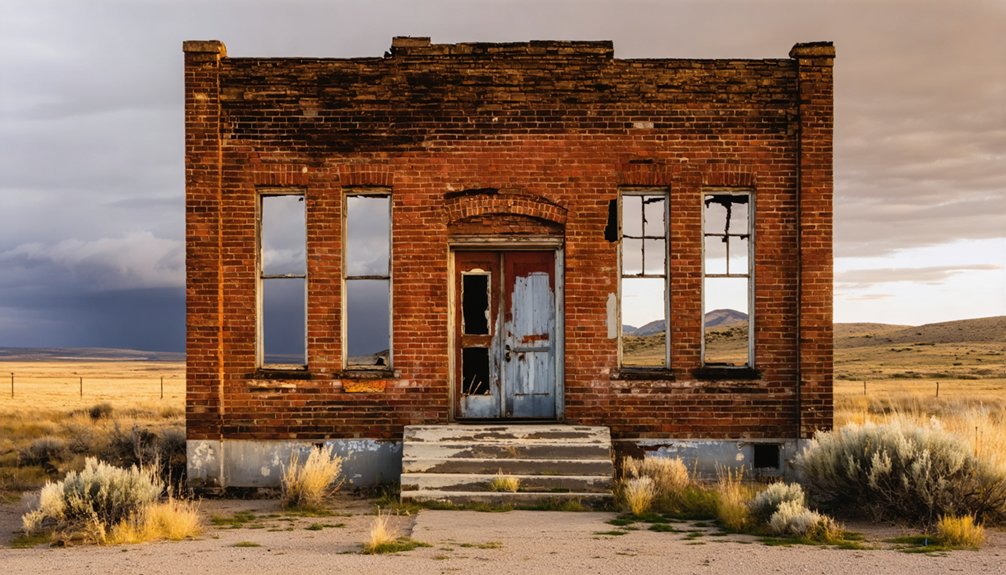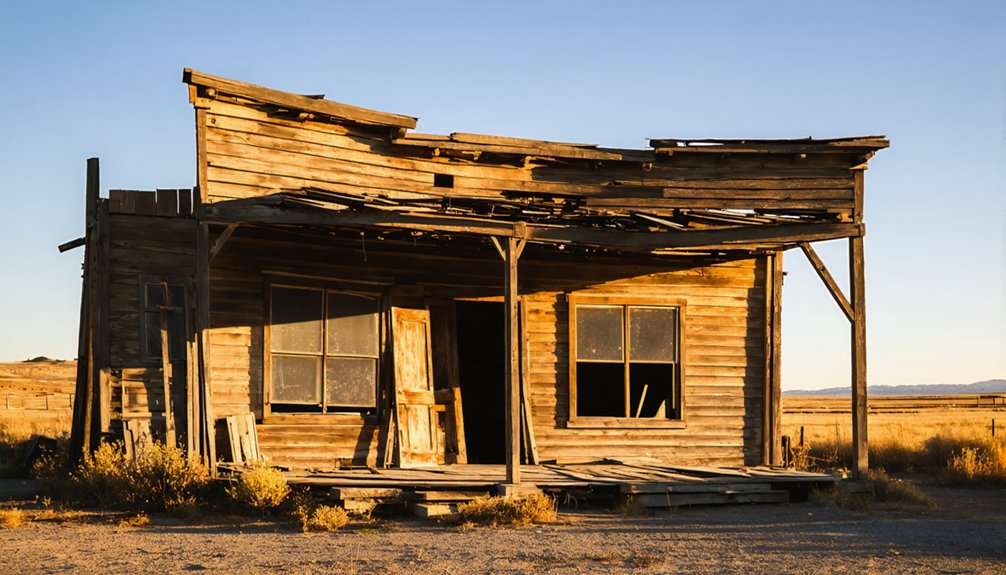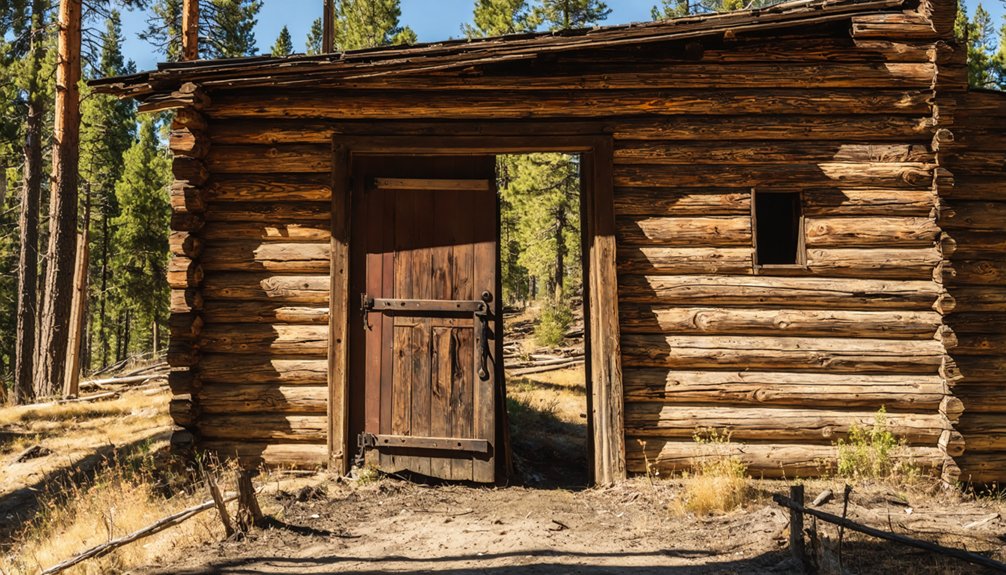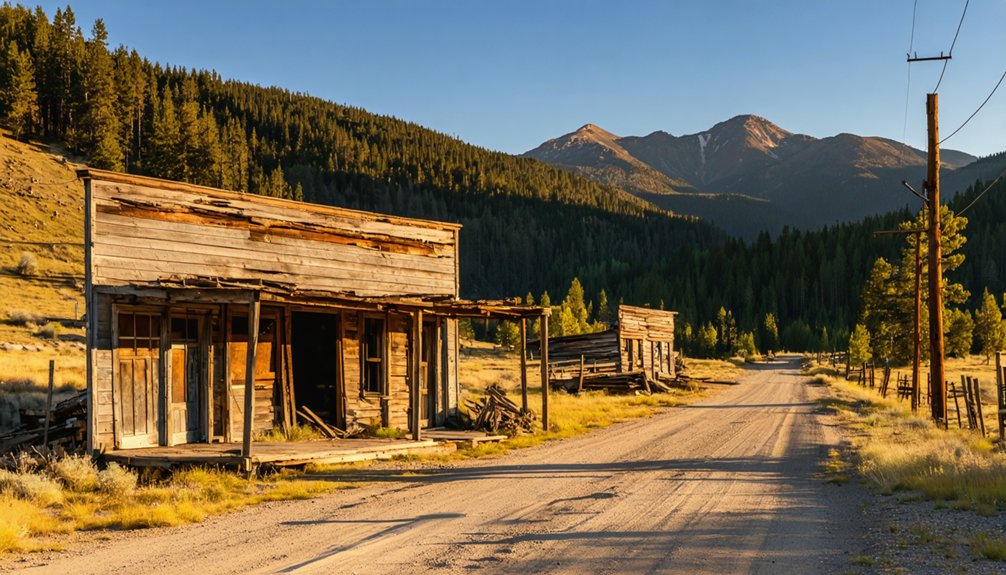
Tucked within a 24-mile radius north of Boise, the ghost towns of Boise Basin tell a vivid story of gold rush glory and quiet collapse. You’ll want to explore Idaho City, Placerville, Centerville, and Pioneerville along scenic mountain roads best traveled from June through October. Pack water, a spare tire, offline maps, and plenty of curiosity. There’s far more history, preparation wisdom, and hidden stops waiting just ahead.
Key Takeaways
- The Boise Basin ghost town route connects Idaho City, Placerville, Centerville, and Pioneerville within a 24-mile radius north of Boise.
- September offers ideal exploration conditions with cooler temperatures, fewer crowds, and accessible mountain roads throughout the region.
- Idaho City and Placerville showcase authentic gold rush heritage, including historic cemeteries and remnants of once-thriving mining communities.
- Pack water, snacks, layers, sunscreen, a first aid kit, and navigation tools, as cell service is unreliable in mountain corridors.
- Carry vehicle essentials including a spare tire, jumper cables, extra fuel, and basic tools before embarking on rugged terrain routes.
Which Ghost Towns in Boise Basin Are Worth Visiting?
Scattered across a 24-mile radius north of Boise, the ghost towns of the Boise Basin beckon history lovers and adventure seekers alike. Each settlement tells a raw, unfiltered story of ambition, boom, and inevitable collapse rooted in mining heritage dating back to 1862.
Boise Basin’s ghost towns: raw echoes of gold rush ambition, scattered across 24 miles of untamed Idaho history.
You’ll find Idaho City’s “Boot Hill” cemetery offering walking tours through layers of ghost town history, while Placerville’s historic cemetery stands among the most distinctive in the American West.
Quartzburg, Centerville, and Pioneerville each reward curious explorers with remnants of a frenzied gold rush era. These aren’t polished museum exhibits — they’re authentic, weathered landscapes where fortune-seekers once worked day and night chasing their dreams.
Pack your curiosity and hit the road; these towns demand exploration on your own terms.
How to Plan Your Boise Basin Road Trip
Once you’ve chosen your ghost towns, it’s time to map out the route that connects them. All of Boise Basin’s key sites sit within a 24-mile radius north of Boise, making ghost town exploration surprisingly manageable in a single day.
Start in Idaho City, then wind through Placerville, Centerville, and Pioneerville along scenic mountain roads. Plan your trip during warmer months since higher elevations can make roads treacherous in winter.
Pack water, snacks, and a physical map — cell service gets spotty fast. Each stop rewards you with layers of historical significance, from pioneer cemeteries to crumbling saloon foundations.
Give yourself breathing room between destinations; you’ll want time to wander, photograph, and absorb the raw, untamed atmosphere these forgotten communities still radiate.
The Best Time to Visit Boise Basin Ghost Towns
Timing your visit to Boise Basin’s ghost towns can make or break the experience. Summer and early fall offer the best weather considerations for traversing the mountainous terrain surrounding Placerville and Idaho City. Roads open up, trails become passable, and the crisp mountain air sharpens every detail of these weathered, historic streets.
Spring brings wildflowers and rushing creeks fed by snowmelt, adding raw, dramatic beauty to your exploration. Winter, however, closes many routes and buries seasonal attractions beneath heavy snow.
Plan your road trip between June and October to maximize access and daylight hours. September hits the sweet spot — crowds thin, temperatures cool, and golden light bathes the old cemeteries and crumbling storefronts in a glow that makes history feel almost alive.
What to See at Each Stop Along the Way
As you wind through the basin’s mountain roads, two stops stand out as essential: Idaho City and Placerville, each with its own ghost town character and history to uncover.
In Idaho City, you’ll want to walk the “Boot Hill” cemetery and take a guided tour of downtown, where the streets once buzzed with over 7,000 residents making it the largest city in the Pacific Northwest.
In Placerville, the historic cemetery alone is worth the drive, but don’t overlook the remnants of a town that once boasted 13 saloons, 5 blacksmith shops, and enough bustle to serve as the region’s premier supply hub before fire and fading gold brought it to its knees.
Idaho City Historic Sites
Though Idaho City might look like a quiet mountain town at first glance, it rewards curious visitors with a surprisingly rich collection of historic sites packed into a walkable downtown core.
These historical landmarks tell the story of a community that once outgrew Portland itself. Start your exploration at Boot Hill cemetery, where weathered headstones mark the lives of miners, gamblers, and frontier dreamers.
Guided walking tours wind through downtown, connecting you to preserved buildings from the 1860s boom years. You’ll find remnants of a town that once housed 7,000 restless souls chasing fortune through the basin’s creeks.
Idaho City doesn’t just preserve history — it lets you feel it beneath your boots on every cracked sidewalk and dusty street corner.
Placerville’s Notable Attractions
From Idaho City, the road north pulls you deeper into Boise Basin’s layered past, delivering you to Placerville — a town that once rivaled its neighbor in ambition and noise.
Placerville history runs thick here; by 1863, this boom settlement packed 13 saloons, 7 restaurants, and 5 blacksmith shops into a mountain hollow humming with gold fever.
Today, Placerville attractions center on quieter but equally compelling ground. The historic cemetery stands out as one of the West’s most distinctive, its weathered markers telling stories that official records never captured.
Walk it slowly. The surrounding mountainous terrain rewards visitors who arrive during warmer months, offering hunting, fishing, and camping alongside the ghost town exploration.
Placerville doesn’t perform its history — it simply holds it, waiting for you to find it.
What Caused These Ghost Towns to Boom and Collapse
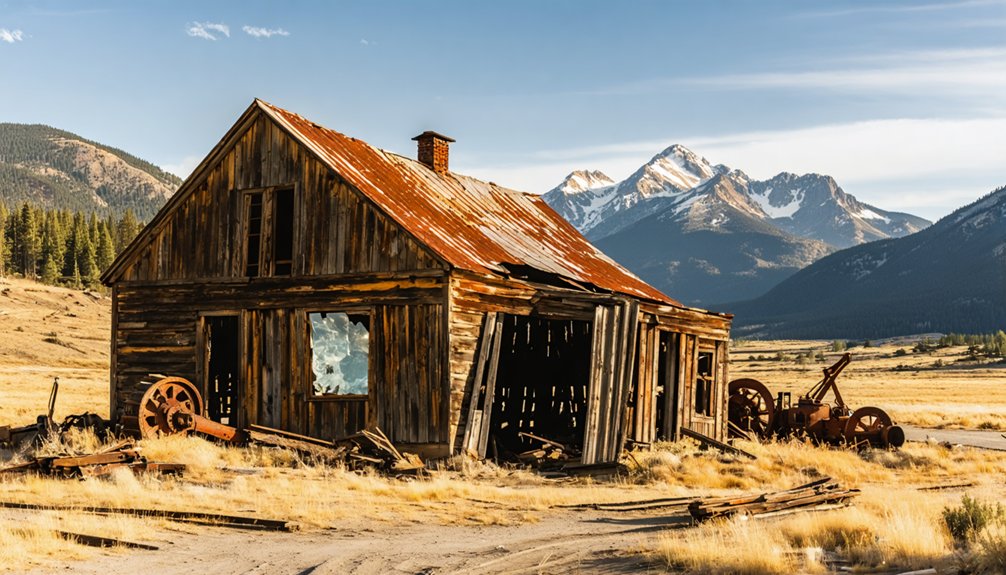
Greed, ambition, and raw luck shaped the rise and fall of every town in Boise Basin. When George Grimes struck gold along Grimes Creek in August 1862, boomtown dynamics ignited overnight. Prospectors flooded in by the thousands, transforming wilderness into thriving settlements packed with saloons, bakeries, and blacksmith shops.
Gold fever struck fast. One discovery in 1862 turned untamed wilderness into a roaring boomtown almost overnight.
Idaho City alone swelled past 7,000 residents, briefly outgrowing Portland itself.
But placer deposits don’t last forever. Once miners exhausted the richest ground, economic collapse followed swiftly and mercilessly. Populations that once numbered in the thousands shrank to hundreds.
Fires consumed what poverty left standing — Placerville burned nearly to ash in 1899. By 1915, Idaho City had gone quiet. What drew fortune-seekers by the tens of thousands ultimately scattered them just as fast.
What to Know Before Exploring the Boise Basin Ghost Towns
Before you set out on your Boise Basin ghost town road trip, timing matters — the mountainous terrain around Placerville and Idaho City is far more accessible and rewarding during the warmer months, when roads are clear and the landscape comes alive.
Pack essentials for a full day of exploration, since multiple historic sites sit within a 24-mile radius north of Boise, making it easy to cover Placerville, Idaho City, Quartzburg, and Centerville in a single run.
You’ll want sturdy footwear, a paper map as a backup, and enough fuel to roam freely, because these remote stretches won’t always offer the conveniences you’re used to back in town.
Best Visiting Seasons
The Boise Basin ghost towns sit in Idaho’s mountainous high country, so timing your visit matters.
Summer offers the clearest roads and most accessible trails, letting you push deeper into the basin’s forgotten corners.
Spring blooms transform the hillsides just as snow retreats, though some mountain roads may still carry mud or lingering ice patches.
Autumn colors ignite the canyon walls in amber and gold, creating a hauntingly beautiful backdrop against weathered timber and rusted machinery.
Winter, however, closes many access roads entirely, cutting off several sites.
Your sweet spot runs from late May through October, with July and August delivering the most reliable conditions.
Pack water, check road conditions before departing, and fuel up in Boise — services vanish quickly once you head north.
Road Trip Essential Tips
Packing smart separates a rewarding ghost town crawl from a frustrating breakdown on a forgotten dirt road.
Before you roll through Boise Basin’s 24-mile radius of forgotten history, nail your road trip essentials with this packing checklist:
- Navigation tools — Download offline maps; cell service disappears fast in Idaho’s mountain corridors.
- Vehicle gear — Carry a spare tire, jumper cables, and extra fuel; gas stations don’t haunt ghost towns.
- Comfort supplies — Pack layers, water, and snacks; mountain temperatures swing dramatically between morning and afternoon.
You’re chasing gold rush ghosts through rugged terrain that doesn’t forgive unpreparedness.
Treat every unmarked road as an adventure requiring self-sufficiency, and Placerville, Idaho City, and Quartzburg will reward your effort generously.
Frequently Asked Questions
Who First Discovered Gold in the Boise Basin in 1862?
George Grimes and Moses Splawn sparked Idaho’s gold discovery on August 2, 1862, along Grimes Creek. Their bold find launched mining history’s wildest chapter — you’d have felt the rush of pure, untamed freedom!
How Large Did Idaho City’s Population Grow During Its Peak Years?
During Idaho City’s mining boom, you’d have witnessed over 7,000 adventurous souls flooding its streets — but population decline hit hard, shrinking that vibrant, untamed community as gold grew scarce and fortune-seekers chased new horizons elsewhere.
Did Idaho City Ever Surpass Portland in Population Size?
Like a shooting star blazing past the moon, Idaho City demographics actually eclipsed Portland’s! You’d be amazed — this bold mining boomtown claimed the Portland comparison title, becoming the Pacific Northwest’s largest community during its remarkable peak years.
What Violent Conflicts Affected Idaho City During the Civil War?
During the Civil War, you’d have witnessed violent partisan clashes fueling Territorial Tensions in Idaho City, forcing brave residents to form vigilance organizations just to maintain order amid the chaos of competing loyalties.
When Did the Devastating Fire Destroy Most of Placerville’s Buildings?
Out of the ashes, Placerville’s fire history tells a grim tale — on August 17, 1899, flames devoured most buildings. You’ll find town recovery was incomplete, leaving behind the evocative ghost town you’re adventurously exploring today.
References
- https://history.idaho.gov/wp-content/uploads/2018/12/0166.pdf
- https://www.youtube.com/watch?v=AQMyV46_T1I
- https://www.worldatlas.com/cities/7-old-timey-mining-towns-in-idaho.html
- https://outerrealmz.com/the-amazing-ghost-towns-of-central-idaho/
- https://motoidaho.com/articles/gold-mining-ghost-towns-near-boise/
- https://westernmininghistory.com/towns/idaho/placerville/
- https://www.youtube.com/watch?v=qETuUsWjeW8
- https://en.wikipedia.org/wiki/Florence
- https://visitidaho.org/travel-tips/boom-or-bust-exploring-idaho-ghost-towns/