Shoshone, California, isn’t your typical ghost town — it’s a living desert community that’s been defying the odds since Ralph Fairbanks founded it during the 1910 gold rush. You’ll find it 89 miles west of Las Vegas, tucked at Death Valley’s southeastern edge, where miners once chased fortune through brutal heat. From historic dining at the Crowbar Café to endangered wildlife roaming ancient wetlands, there’s far more to this resilient outpost than first meets the eye.
Key Takeaways
- Shoshone, California, founded in 1910, is a living town—not a ghost town—offering history, dining, and desert adventure near Death Valley.
- Access Shoshone via Highway 127, traveling 89 miles west of Las Vegas, or connecting from Los Angeles via I-15 North to CA-127.
- Visit during winter for comfortable temperatures or spring for wildflower blooms; avoid summer’s dangerous 110°F+ heat.
- Explore key attractions like Badwater Basin, Zabriskie Point, Ashford Mill Ruins, and Jubilee Pass, all accessible from Shoshone’s southeastern Death Valley entrance.
- Fuel up, carry extra water, and check road conditions before venturing into desert stretches spanning 40+ empty miles.
What Makes Shoshone a Living Ghost Town Worth Visiting?
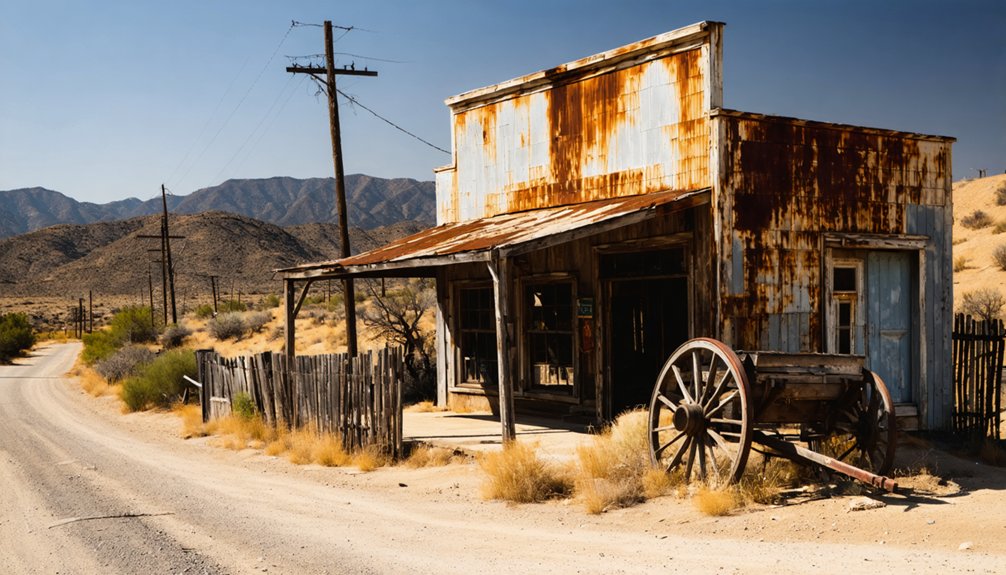
Unlike the crumbling, cobweb-draped ghost towns you’ll find scattered across California’s desert interior, Shoshone breathes. Founded in 1910 by Ralph Jacobus Fairbanks during the gold rush era, this Mojave outpost carries real Shoshone history in its bones — and it’s still writing new chapters.
What separates Shoshone from abandoned relics isn’t just survival; it’s purpose. The town’s ecotourism impact has transformed a fading mining settlement into a conservation-forward destination where endangered species like the Amargosa vole find protection alongside functioning businesses.
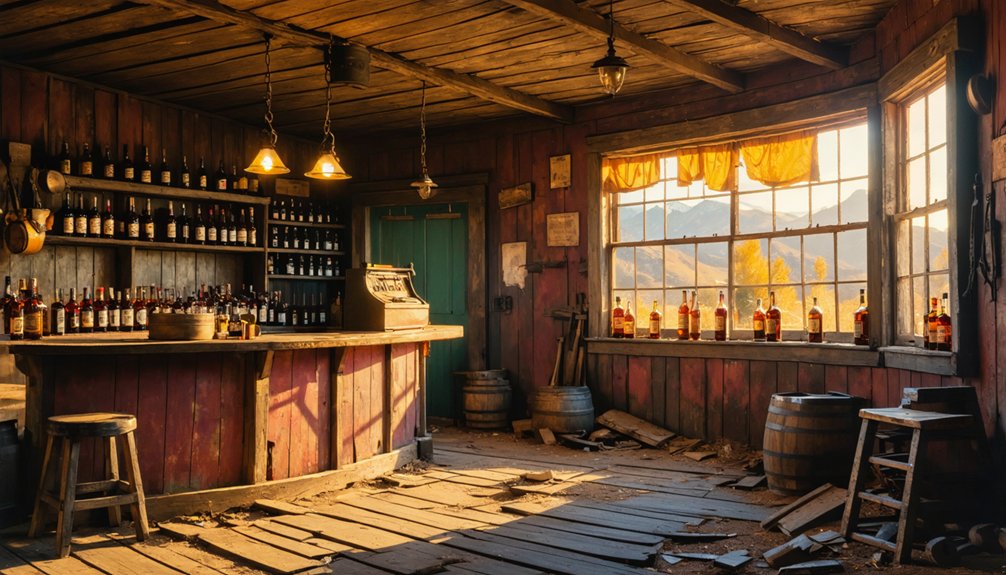
The Crowbar, built in the 1930s, still serves cold drinks to road-weary travelers.
You’re not walking through a museum here. You’re stepping into 89 miles west of Las Vegas, where the desert stays wild and the town refuses to die.
Where Is Shoshone, California, and How Do You Get There?
You’ll find Shoshone tucked into California’s high desert, roughly 89 miles west of Las Vegas, where the Mojave’s raw edges dissolve into the haunting terrain surrounding Death Valley.
To reach it, you’ll trace Highway 127 south through a landscape of dramatic clay formations and sparse desert scrub, following the same remote corridor that once lured gold seekers toward these rugged hills.
It’s a drive that feels deliberate, even ceremonial, as civilization gradually gives way to something older and wilder.
Shoshone’s Desert Location
Sitting 89 miles west of Las Vegas, Shoshone occupies a striking threshold between civilization and raw desert wilderness, perched at the edge of Death Valley’s dramatic reach.
This California desert ecosystem pulses with historical significance dating back to 1910. You’ll find yourself surrounded by ancient clay formations within protected National Conservation Lands.
Plan your approach around these four essentials:
- Position yourself within the Amargosa Basin’s fragile high-desert terrain
- Recognize the rarity of a living town, not an abandoned shell
- Embrace winter visits when desert temperatures reward bold travelers
- Navigate via major highways connecting Las Vegas and California’s interior
This isn’t a dusty relic — it’s a functioning desert outpost where wilderness and human history collide unapologetically.
Distance From Major Cities
Shoshone sits roughly 89 miles west of Las Vegas, making Nevada’s neon sprawl your most logical launchpad — though Los Angeles travelers can reach it in approximately four hours by cutting northeast through the Mojave.
Use Death Valley’s eastern entrance as one of your distance landmarks; once you’ve cleared that threshold, you’re closing in on something genuinely remote.
From Vegas, take Highway 95 south toward Amargosa Valley, then cut west on State Route 373 into California.
Travel tips worth noting: fuel up before leaving Pahrump, since desert stretches between stations can punish an unprepared tank. Baker serves as another reliable stop if you’re approaching from the south.
Either way, the highway delivers you into high desert silence — civilization fading deliberately in your rearview mirror.
Highway Routes To Shoshone
Whether you’re departing from Las Vegas or Los Angeles, two primary highway corridors funnel travelers into Shoshone — and both routes cut through landscapes that feel less like modern California and more like the frontier terrain gold prospectors crossed in 1910.
Primary Routes:
- From Las Vegas: US-95 South to CA-127 North — 89 miles through Mojave Desert flatlands
- From Los Angeles: I-15 North connecting to CA-127 — roughly 230 miles of open road
- Scenic Stops: Tecopa Hot Springs sits 8 miles south, offering natural desert immersion
- Highway Safety: Carry extra water — stretches between towns span 40+ empty miles
Both corridors reward drivers willing to embrace genuine solitude before reaching Shoshone’s surprisingly alive streets.
Best Time of Year to Visit Shoshone
Winter’s the sweet spot for your Shoshone visit, when Death Valley’s dramatic landscape draws crowds and the Crowbar hums with life as it has since the 1930s.
Come spring, the desert explodes with wildflowers, rewarding early risers who’ve made the 89-mile trek from Las Vegas with a rare, fleeting spectacle.
If you’re tempted by summer, know that the Mojave doesn’t forgive — punishing heat turns this high desert into a survival test rather than an adventure.
Winter Brings Peak Visitors
Unlike the scorching summer months that bake the Mojave into an inhospitable furnace, winter transforms Shoshone into its most welcoming version. Temperatures drop to comfortable ranges, making exploration genuinely rewarding.
Visitor amenities operate at full capacity, and the historic Crowbar buzzes with fellow road warriors sharing desert stories.
Peak winter activities include:
- Hiking dramatic clay formations through protected conservation lands
- Wildlife spotting endangered Amargosa voles and Least Bell’s vireos near the oasis
- Stargazing under unpolluted desert skies far from city light pollution
- Exploring Death Valley’s neighboring geological wonders during daylight hours
You’ll find Shoshone surprisingly alive during these cooler months — proof that this resilient desert outpost rewards those bold enough to seek authentic, off-grid freedom.
Spring Wildflower Season
When does the Mojave desert truly come alive? Spring.
After winter rains soak the ancient soil, the landscape surrounding Shoshone erupts in seasonal blooms that transform barren stretches into something almost unrecognizable. You’ll want your camera ready for wildflower photography that captures desert gold, purple phacelia, and delicate primrose pushing through earth that’s absorbed centuries of mining boots and frontier dreams.
This window doesn’t last long. The desert operates on its own timeline, indifferent to your schedule, so you’ll need to move when conditions align.
Check bloom reports before heading out, then hit the highway early. The morning light hitting those clay formations alongside fresh wildflowers creates compositions worth driving hundreds of miles for.
Shoshone rewards the traveler who respects nature’s urgency.
Summer Heat Warnings
Summer transforms Shoshone into something the old miners knew well: a crucible. Temperatures routinely exceed 110°F, demanding serious heat preparation before you venture out. This desert doesn’t negotiate.
Your summer safety checklist:
- Carry one gallon of water per person daily — the Mojave pulls moisture from you faster than you’ll notice.
- Drive with a full tank — gas stations disappear quickly in this terrain.
- Travel between 5–9 AM — afternoon heat can incapacitate within minutes.
- Tell someone your route — Death Valley proximity means cell service vanishes.
The miners who built Shoshone in 1910 earned their toughness here. You don’t need to prove yours the hard way.
Respect the heat, plan deliberately, and the desert rewards you.
What to See and Do in Shoshone on Your Road Trip
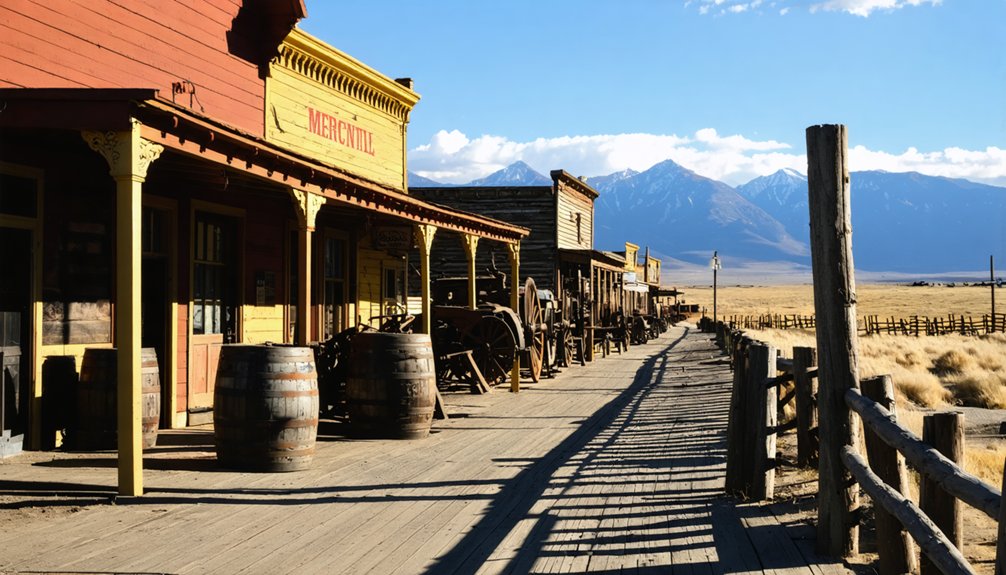
Shoshone isn’t your typical ghost town—it breathes. Its ghost town history stretches back to 1910, when Ralph Fairbanks built something real from desert dust and gold fever.
You’ll feel that legacy walking through town, where The Crowbar still serves cold drinks under desert skies.
Explore the dramatic clay formations surrounding town, where desert wildlife thrives in this protected conservation land. Keep your eyes sharp—the endangered Amargosa vole and Least Bell’s vireo call this fragile ecosystem home.
Death Valley sits just beyond your windshield, offering raw, unfiltered wilderness for those chasing something untamed.
Shoshone isn’t a relic you photograph and leave—it’s a living outpost where history, conservation, and freedom intersect on your own terms.
How to Explore Death Valley From Shoshone
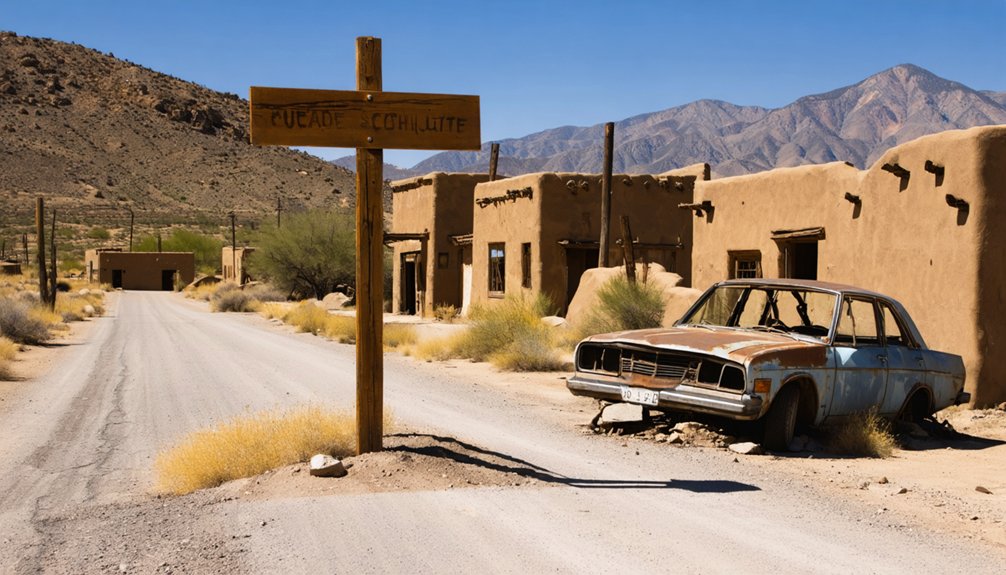
Shoshone sits at Death Valley’s southeastern doorway, putting you just minutes from one of the planet’s most dramatic landscapes.
You can enter the park via Highway 178, which cuts through the Amargosa Valley and deposits you directly into the heart of the Badwater Basin, the lowest point in North America.
From there, you’ll find branching routes leading north toward Artist’s Drive and Zabriskie Point, each corridor revealing a different chapter of the desert’s ancient, sun-scorched story.
Death Valley Entry Points
Nestled at the edge of Death Valley‘s eastern boundary, Shoshone serves as one of the most overlooked yet strategically positioned gateways into one of Earth’s most extreme landscapes.
From here, you’ll access raw wilderness steeped in mining legacy and ecological wonder.
Four Essential Entry Points From Shoshone:
- Jubilee Pass – Dramatic scenic overlooks revealing Death Valley’s geological soul.
- Badwater Basin Road – Follow paths miners once traveled toward salt flats and historical significance.
- Amargosa River Corridor – Desert wildlife corridors supporting ecotourism benefits and conservation challenges.
- Ashford Mill Ruins – Crumbling structures honoring local culture and California’s rugged heritage.
Prioritize visitor safety by carrying extra water and checking seasonal road conditions before departing.
Death Valley rewards bold, prepared travelers.
Scenic Desert Routes
Once you leave Shoshone’s desert-edge calm, the routes stretching toward Death Valley unfold like chapters from a geology textbook written in salt, stone, and silence.
Highway 178 carries you northwest through canyon walls that compress time itself, depositing you at Badwater Basin‘s salt flats — 282 feet below sea level, brutal and beautiful.
Zabriskie Point’s scenic overlooks reward early risers with golden-hour light fracturing across ancient lakebeds, making it an essential desert photography destination.
Heading north on 190, Artists Drive loops through volcanic hills painted in oxidized greens, purples, and reds.
These aren’t passive landscapes you simply pass through — they demand your full attention.
Bring extra water, check road conditions seasonally, and let Shoshone serve as your grounding base between each geological revelation.
Where to Eat, Drink, and Sleep in Shoshone
Despite its remote desert setting, Shoshone’s got a few reliable spots to fuel up, unwind, and rest your head after a day exploring the region’s stark beauty.
1. The Crowbar Café & Saloon** – Built in the 1930s, this historic landmark serves local cuisine** with genuine desert character.
Order something cold and soak in decades of mining-town history.
2. Shoshone Inn – A modest, comfortable stay steps from everything in town.
Clean rooms beat sleeping in your car.
3. The Village Market – Stock up on road-trip essentials before heading into Death Valley’s unforgiving expanse.
4. Amargosa Opera House & Hotel – Just a short drive away, this legendary desert retreat offers overnight stays unlike anything you’ve experienced.
Shoshone rewards travelers who embrace its unhurried, wild simplicity.
The Endangered Wildlife You Might Spot Around Shoshone
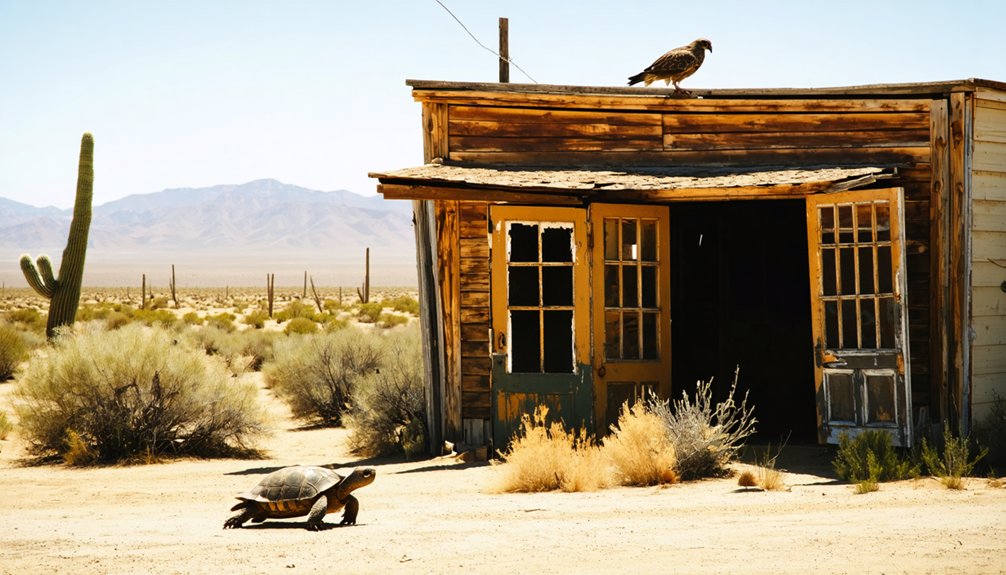
Few desert towns carry the ecological weight that Shoshone does.
You’re stepping into one of the Southwest’s most fragile desert ecosystems, where two federally endangered species call this sparse landscape home.
Keep your eyes sharp near the wetlands — the Amargosa vole, protected since the 1980s, navigates the marsh grasses here.
Overhead, listen for the Least Bell’s vireo, a small songbird fighting its way back from the edge of extinction.
Wildlife conservation isn’t just policy language out here — it’s the reason Susan Sorrells manages her 1,000 acres with such deliberate care.
Native bulrush restoration projects actively rebuild habitat throughout the oasis.
You’re not just passing through.
You’re witnessing a living experiment in keeping wild things alive.
The Gold Rush Origins That Put Shoshone on the Map
Before the endangered voles and songbirds claimed this desert oasis, gold did. Ralph Jacobus Fairbanks founded Shoshone in 1910, staking his claim during gold mining’s relentless push into California’s rugged hills.
Before gold rushes faded into memory, Ralph Jacobus Fairbanks staked Shoshone’s future into California’s unforgiving desert.
This town history reads like a classic frontier story — raw ambition carved into unforgiving desert terrain.
Here’s what shaped Shoshone’s gold rush identity:
- 1910 founding by Fairbanks during peak mining fever
- Gold deposits drew workers willing to brave brutal desert conditions
- The Crowbar establishment opened in the 1930s, anchoring the community
- Mining revenue transformed wilderness into a functioning desert settlement
You’re not visiting some abandoned shell. You’re walking ground where desperate, determined people built something real from nothing but rock, heat, and ambition.
What a National Monument Designation Would Mean for Visitors
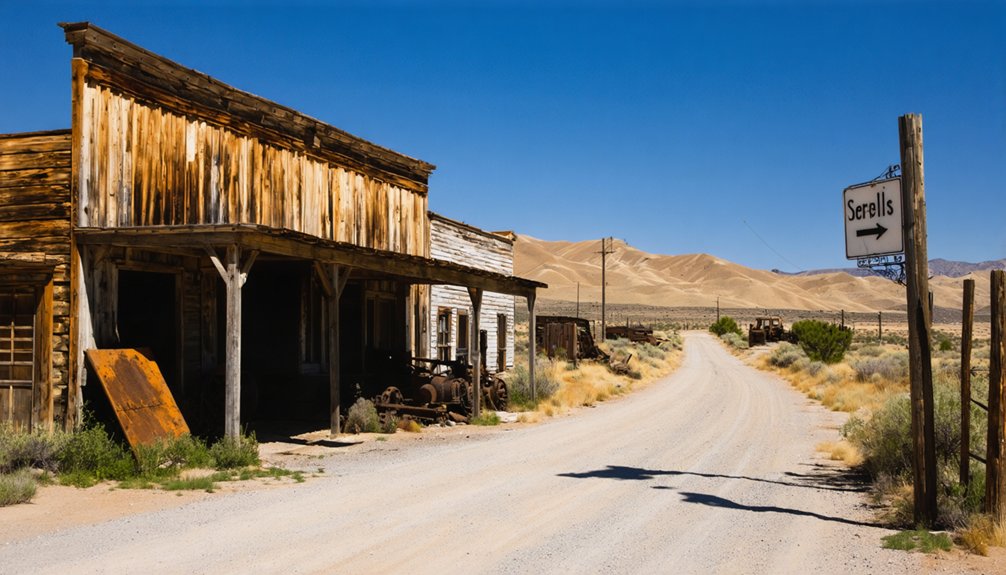
When Susan Sorrells and Robby Haines pushed for national monument designation, they weren’t just chasing a bureaucratic title — they were fighting for infrastructure that’d fundamentally transform your experience here.
Monument benefits would mean safer road access cutting through those dramatic clay formations, better-marked trails into conservation lands harboring endangered Amargosa voles and Least Bell’s vireos, and interpretive resources helping you understand what you’re actually standing inside.
The visitor impact extends beyond convenience. Designated monument status opens up federal funding that protects this fragile Amargosa Basin ecosystem while keeping it genuinely accessible — not roped off behind bureaucratic barriers.
You’d explore Death Valley’s neighboring wilderness with confidence, knowing the land you’re crossing has both legal protection and purposeful stewardship. That’s freedom with intention, exactly what desert wanderers deserve.
The Best California Ghost Towns to Pair With a Shoshone Road Trip
Shoshone sits at a natural crossroads, making it an ideal anchor for a broader California ghost town circuit that stretches across some of the West’s most dramatic abandoned landscapes.
These desert ecosystems reward curious travelers who push beyond the obvious routes:
- Bodie State Historic Park – A remarkably preserved 1800s gold camp frozen mid-abandonment
- Calico Ghost Town – A silver-mining settlement carved dramatically into Mojave hillsides
- Cerro Gordo – A remote Sierra Nevada mining outpost with breathtaking vertical scenery
- Randsburg – A still-breathing desert community where gold rush history walks the streets
Each ghost town tells a distinct chapter of California’s restless ambition.
String them together, and you’ll trace a raw, unfiltered story across landscapes most travelers never find.
Frequently Asked Questions
Can Visitors Purchase Property or Land Within Shoshone Town Limits?
Like a lone prospector who arrived too late to claim his stake, you’ll find no land availability here — Susan Sorrells owns all ~1,000 acres, making property investment in Shoshone impossible for outside buyers.
Who Manages Shoshone’s Daily Operations When Susan Sorrells Is Unavailable?
The knowledge doesn’t reveal who handles town management when Susan’s away, but Shoshone’s local governance runs deep — you’ll find this living desert outpost has resilient roots, ensuring its pioneer spirit never skips a beat.
Does Shoshone Have Reliable Cell Service and Internet Connectivity for Visitors?
Out here where civilization fades into desert silence, don’t count on cell service availability or internet connectivity options. You’re venturing beyond the grid—embrace it, disconnect from the digital world, and let Shoshone’s raw, untamed wilderness reclaim your wandering spirit.
Are Pets Allowed in Shoshone Given Its Endangered Species Conservation Status?
Shoshone’s pet policies aren’t clearly defined, but you’ll want to tread carefully. The town’s conservation efforts protect endangered species like the Amargosa vole, so leash your adventurous companion and respect this fragile desert sanctuary.
What Permits Are Required for Photography or Filming Within Shoshone?
Since Susan Sorrells owns Shoshone entirely, you’ll need her direct permission before capturing its spirit. Photography guidelines and filming regulations aren’t publicly standardized, so contact the town directly to secure your adventurous documentation rights.
References
- https://www.smith.edu/news-events/news/keeper-desert-town
- https://www.facebook.com/newyorker/posts/how-susan-sorrells-who-owns-the-california-village-of-shoshone-and-1000-acres-of/10158768603003869/
- https://en.wikipedia.org/wiki/List_of_ghost_towns_in_California
- https://freepages.rootsweb.com/~gtusa/history/ontheroad/us6g.htm
- https://en.wikipedia.org/wiki/Calico
- https://en.wikipedia.org/wiki/Bodie
- https://www.visitcalifornia.com/road-trips/ghost-towns/