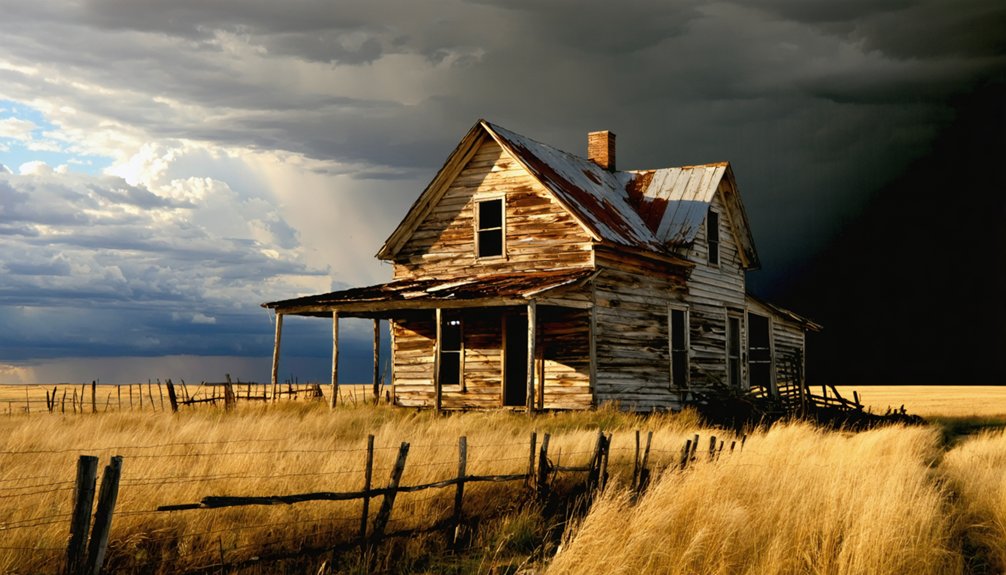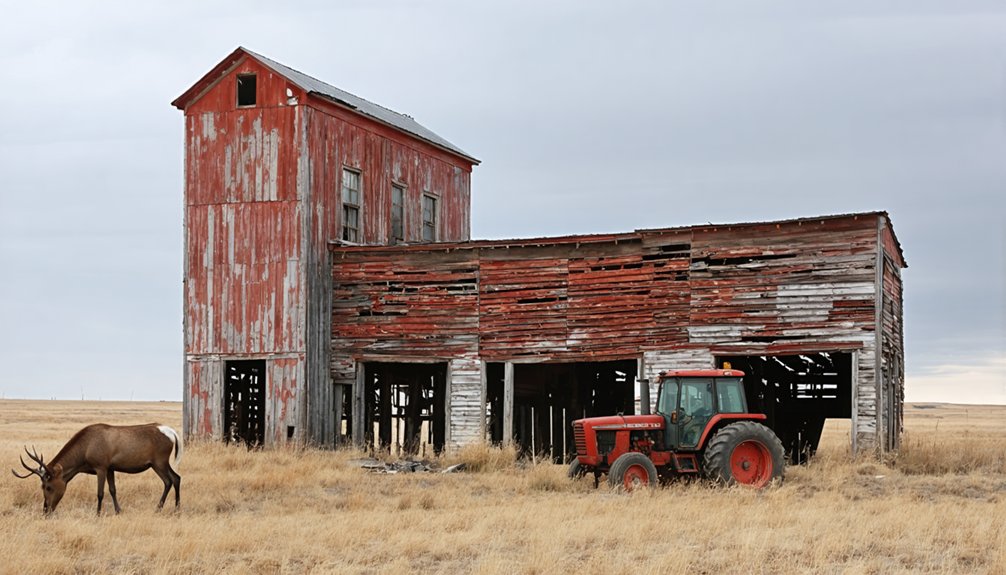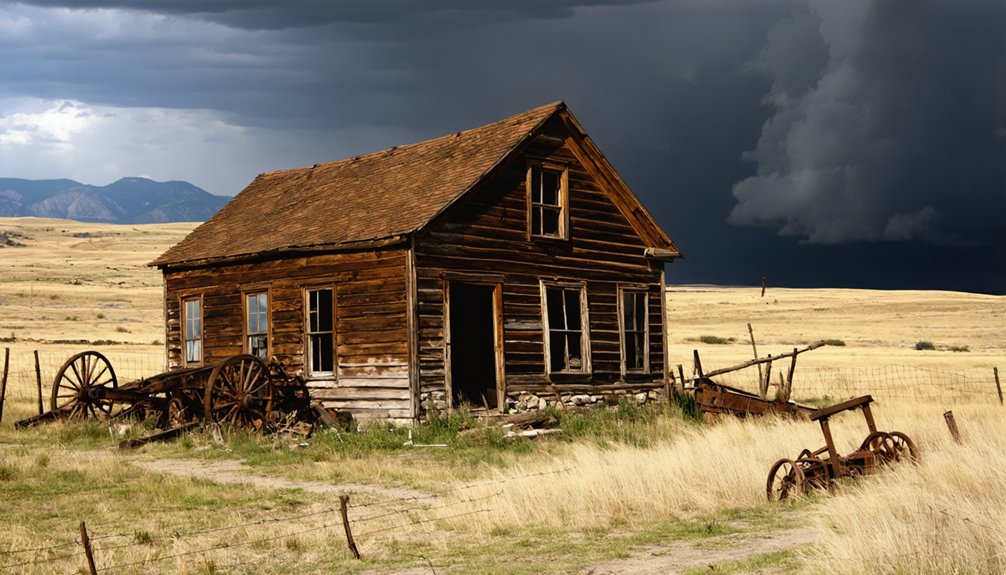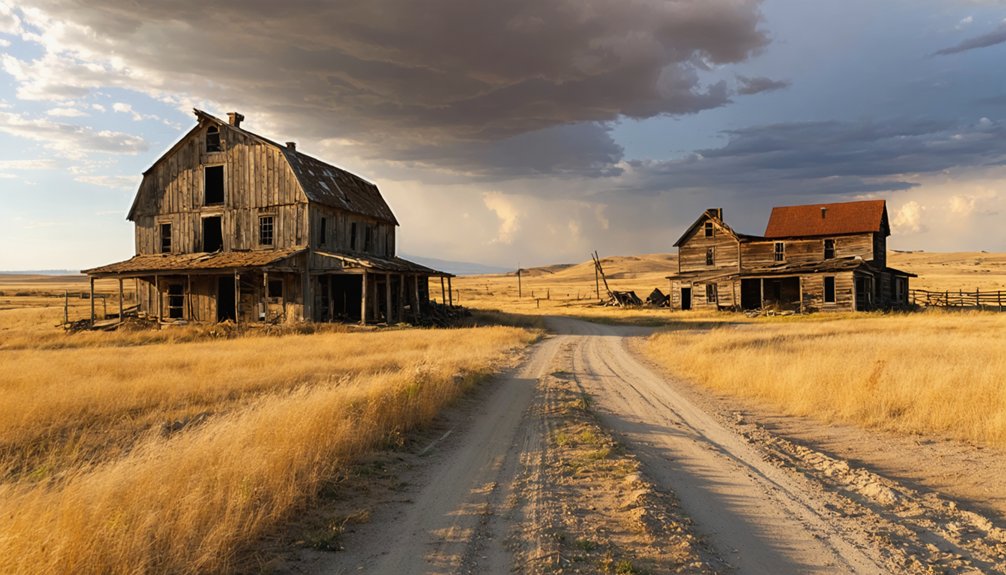
Planning a ghost town road trip to Summit, South Dakota means embracing subtlety over spectacle. You won’t find crumbling storefronts or dramatic ruins — just quiet rock foundations and earthworks whispering stories of a railroad-era past. Summit sits between Buffalo Gap and Fairburn, accessible via Highway 16 from Rapid City. It’s a small but meaningful stop on a larger Black Hills adventure. Stick around to uncover everything you need to make this road trip unforgettable.
Key Takeaways
- Summit, a ghost town between Buffalo Gap and Fairburn, is accessible via Highway 16 from Rapid City, with minimal ruins remaining.
- September is the best time to visit, offering comfortable weather, fall colors, and fewer crowds for exploring abandoned landscapes.
- Pack sturdy boots, water, sunscreen, a detailed map, camera, and a first aid kit for safe exploration of uneven terrain.
- Rapid City serves as an ideal base, with Hot Springs and Custer State Park offering nearby affordable accommodations for visitors.
- Combine Summit with nearby ghost towns like Spokane, Cascade, and Buffalo Gap to create a rewarding multi-stop road trip itinerary.
What’s Left of Summit, South Dakota Today?
What remains of Summit, South Dakota today tells a quietly humbling story. You won’t find grand ruins or preserved storefronts here.
Summit History reveals a settlement that never grew beyond a railroad siding and roughly three modest houses by 1901. The Fremont, Elkhorn and Missouri Valley Railroad once gave this spot purpose, connecting it between Buffalo Gap and Fairburn along a route that’s now largely forgotten.
At its peak, Summit claimed little more than a railroad siding and three modest houses.
Abandonment Stories here aren’t dramatic — they’re simply economic. When the railroad’s relevance faded, so did any reason to stay.
Today, you’re looking at a landscape that offers subtle traces rather than obvious landmarks. Rock foundations and faint earthworks reward the patient explorer willing to look carefully.
Summit doesn’t announce itself; it asks you to pay attention.
The Railroad History That Built and Abandoned Summit, South Dakota
Those subtle traces in the landscape connect directly to a single force that both created and erased Summit — the Fremont, Elkhorn and Missouri Valley Railroad. Railroad expansion through the Black Hills during the late 1800s demanded service points along the route, and Summit answered that call as a functioning siding between Rapid City and Hot Springs.
You can trace community development directly to that railroad presence. Where trains stopped, people followed — businesses appeared, houses went up, and a small settlement took shape between Buffalo Gap and Fairburn.
But railroad economics proved ruthless. Once the line no longer needed Summit’s siding function, the reason for staying evaporated. Residents left, structures disappeared, and the railroad that built this community simply moved on, leaving almost nothing behind.
How to Find Summit on Your Black Hills Road Trip?
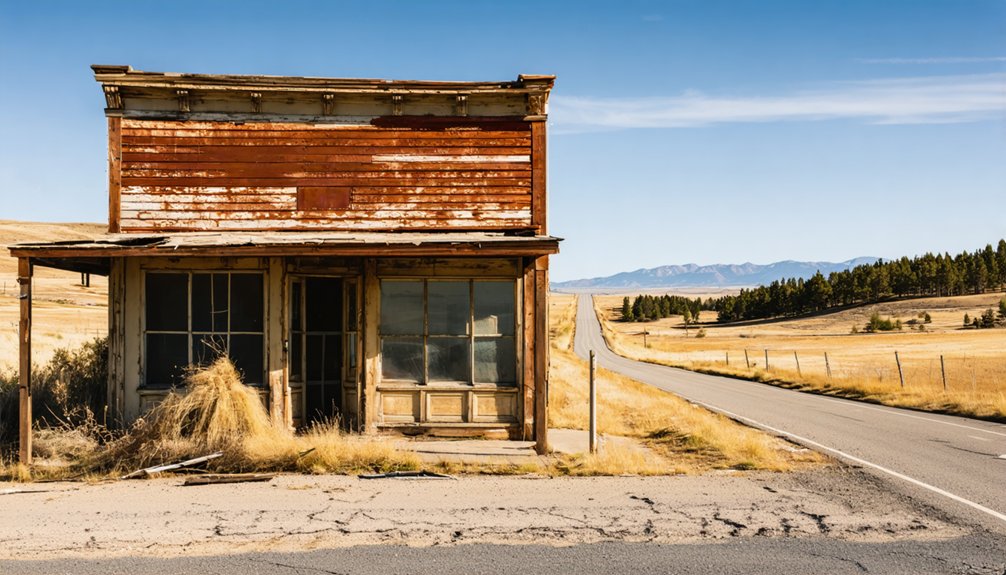
You’ll find Summit tucked between Buffalo Gap and Fairburn along the old Fremont, Elkhorn and Missouri Valley Railroad corridor in southwestern South Dakota.
If you’re starting your road trip from Rapid City, Highway 16 puts you within easy reach of the surrounding Black Hills region, where Summit and dozens of other ghost towns sit just off the main tourist corridors.
Pulling up a historical railroad map or checking South Dakota Historical Society resources before you leave will help you pinpoint Summit’s exact location and plan a route that strings together multiple sites in a single drive.
Locating Summit On Maps
Pinpointing Summit on a map takes a little detective work, but it’s worth the effort. You’ll want to search between Buffalo Gap and Fairburn along the historic Fremont, Elkhorn and Missouri Valley Railroad corridor.
This ghost town geography rewards those who look closely — Summit barely registers as a dot, reflecting its humble origins as a railroad siding.
Pull up a detailed South Dakota road map or a satellite view and trace the old railroad heritage routes southeast of Rapid City. The town sits roughly between these two small communities, so use them as your anchor points.
Once you’ve identified the corridor, cross-reference with Highway 16 for a reliable landmark. Getting this location locked in before you leave saves frustration and maximizes your exploration time.
Nearby Landmarks And Routes
Once you’ve got Summit pinned on your map, the surrounding landmarks make finding your way to it far more straightforward.
The town sits between Buffalo Gap and Fairburn along the old Fremont, Elkhorn and Missouri Valley Railroad corridor, giving you two solid historic landmarks as directional anchors.
Highway 16 serves as your primary scenic route through this stretch of the Black Hills, connecting you to broader tourism corridors without much detour.
You’re traveling terrain that once supported active railroad operations, so watch for subtle landscape evidence like old sidings and graded earth.
Rapid City works well as your base, placing you within reasonable driving distance of Summit and dozens of other ghost town sites clustered throughout the region’s back roads and highway shoulders.
Best Travel Starting Points
Where you begin your Black Hills road trip shapes how efficiently you reach Summit. Rapid City serves as your strongest launching point, offering easy access to Highway 16 and connections toward regional attractions like Mount Rushmore and Wind Cave National Park.
From Rapid City, you’ll travel southeast through the corridor linking Buffalo Gap and Fairburn, where Summit once stood along the old Fremont, Elkhorn and Missouri Valley Railroad route.
If you’re arriving from the south, Hot Springs provides an equally practical entry point.
Key travel tips include downloading offline maps beforehand and noting that Summit leaves minimal physical markers.
Building your itinerary around nearby ghost towns maximizes your exploration time. The region rewards independent travelers who prefer charting their own course through forgotten history.
Other Black Hills Ghost Towns Worth the Detour
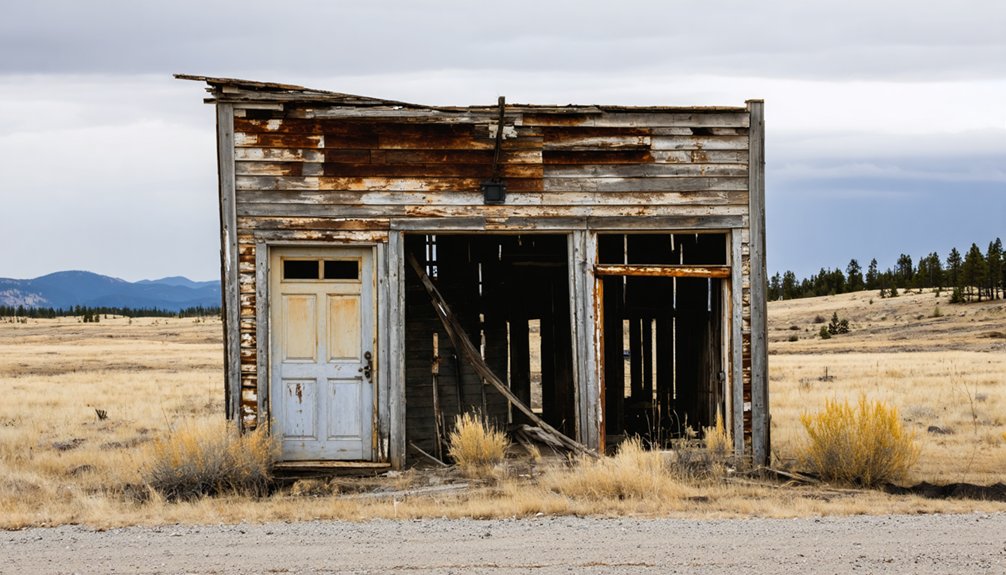
Once you’ve tracked down Summit, you’d be shortchanging yourself by not extending your route to explore the Black Hills’ other ghost towns — over 200 remain accessible to curious travelers.
You can map a multi-stop itinerary that strings together former mining camps, railroad sidings, and abandoned settlements scattered just off the region’s main highway corridors.
State historians and resources from the South Dakota Historical Society can help you pinpoint the lesser-known sites that reward the extra miles.
Nearby Ghost Towns Worth Visiting
Since you’ve made the trek out to Summit, it’d be a shame to pack up and head home without exploring a few of the other ghost towns scattered across the Black Hills.
With over 600 abandoned communities spread across the region, you’ve got plenty of options for ghost town photography and soaking up local folklore.
Nearby Spokane and Cascade sit just a short drive away, each offering crumbling foundations and weathered remnants that tell their own boom-and-bust stories.
Buffalo Gap, positioned along your route, carries rich railroad heritage worth your time.
The Black Hills rewards curious travelers who push past the main highways, so keep your camera ready, your tank full, and your curiosity sharper than ever.
Planning Your Multi-Stop Route
Planning a multi-stop ghost town route through the Black Hills means juggling distance, road conditions, and daylight—so map your stops before you leave.
Start with Summit, then work outward toward nearby sites along former railroad corridors. You’ll find ghost town photography opportunities vary dramatically by time of day, so schedule your visits around morning or late afternoon light for the best shots.
Between stops, you’ll encounter historical anecdotes posted at trailheads and roadside markers—don’t rush past them.
The Black Hills packs over 600 abandoned communities into a surprisingly compact region, meaning you can hit multiple destinations without backtracking unnecessarily.
Keep your route flexible, carry offline maps, and build in buffer time. Spontaneous detours down unmarked roads often reveal the region’s most rewarding forgotten places.
Best Time to Visit Black Hills Ghost Towns?
When should you plan your ghost town road trip to Summit and the surrounding Black Hills region? The best season runs from late May through early October, when roads stay passable and daylight gives you maximum exploration time.
Summer months bring warmer temperatures ideal for poking around ruins and railroad remnants, though crowds do increase near popular attractions. September offers a sweet spot—comfortable weather, thinner crowds, and stunning fall colors framing those abandoned landscapes.
Spring arrives unpredictably, with late snowstorms potentially cutting access to remote sites. Check local events before finalizing your dates, since Deadwood and Rapid City host history festivals that complement your ghost town itinerary beautifully.
Winter visits are possible for the adventurous, but some roads become impassable, limiting your freedom to roam freely between sites.
What to Bring When Exploring Black Hills Ghost Town Sites?
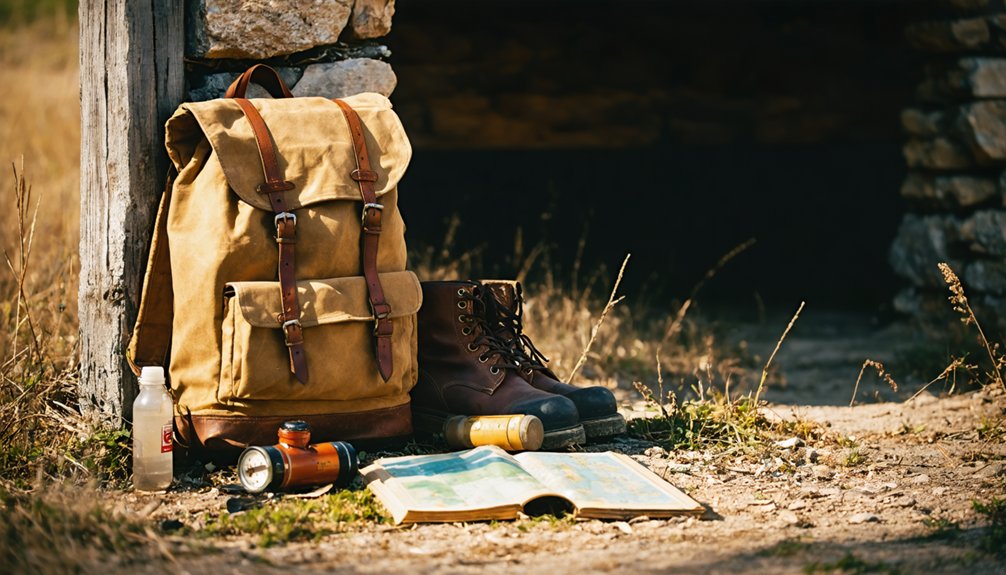
Packing the right gear separates a rewarding ghost town adventure from a frustrating one. You’ll want sturdy boots for uneven terrain, water, and sunscreen for South Dakota’s intense sun.
Bring a camera to document history artifacts like rock foundations, mine remnants, and abandoned railroad sidings without disturbing them. A detailed regional map helps you navigate between sites since cell service can disappear on rural roads.
Pack a notebook to record local folklore you’ll collect from historical markers, state historians, or fellow explorers along the way. A first aid kit is non-negotiable when you’re walking around gaping mine shafts and crumbling structures.
Keep your exploration mindset sharp by researching Summit and surrounding communities beforehand, so every ruin you encounter tells a complete, meaningful story.
Two-Day Black Hills Ghost Town Route Starting From Rapid City
With your gear packed and your research done, you’re ready to hit the road. On day one, head south from Rapid City along Highway 16, stopping at accessible ghost town sites along the way.
Each stop offers ghost town exploration opportunities that connect you directly to the region’s boom-and-bust mining heritage.
On day two, push toward Summit, positioned between Buffalo Gap and Fairburn on the old Fremont, Elkhorn and Missouri Valley Railroad corridor.
You’ll find minimal remains here, but that’s precisely the point. Historical preservation isn’t always about grand structures; sometimes it’s about standing where three houses and a railroad siding once defined a community.
The Black Hills holds over 600 ghost towns, so let Summit inspire your next detour.
Closest Campgrounds and Hotels to Summit, South Dakota
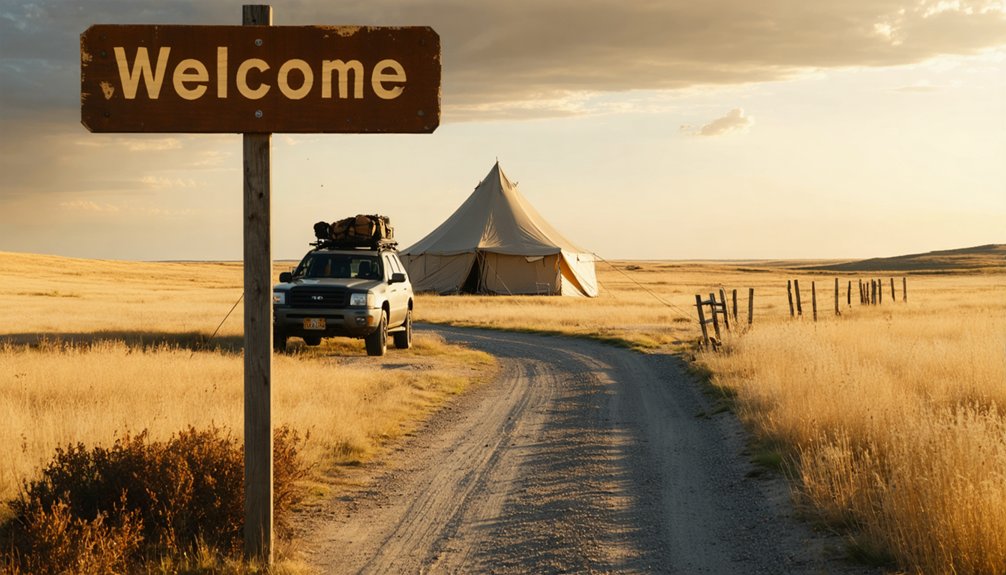
Summit’s remote railroad-siding history means you won’t find lodging directly on-site, but a handful of campgrounds and hotels within the surrounding Black Hills corridor keep you close to the action.
Buffalo Gap and Fairburn sit nearby, offering rustic campground amenities like hookups, fire rings, and trail access that suit travelers craving open-air freedom.
Hot Springs, roughly 20 miles south, delivers solid hotel recommendations ranging from budget-friendly motels to comfortable inns near Cascade Falls.
Custer State Park’s resort lodges provide a more immersive Black Hills experience if you’re extending your itinerary.
Rapid City, about 40 miles north, rounds out your options with chain hotels offering reliable amenities after a long day of ghost town exploration.
Book ahead during summer peak season.
Frequently Asked Questions
Was Summit, South Dakota Ever Officially Incorporated as a Town?
Like a fleeting spark, Summit never officially incorporated — it existed purely as a railroad siding. Its historical significance and sparse town demographics, just three houses by 1901, reveal you’re exploring a true ghost of the frontier.
How Many People Lived in Summit at Its Population Peak?
Unfortunately, you won’t find a recorded population peak for Summit — it’s a mystery woven into its local folklore. At its height, only a siding and roughly three houses marked its historic landmarks, suggesting just a handful of residents.
Are There Any Documented Ghost Sightings or Paranormal Reports at Summit?
Like whispers lost on prairie wind, Summit’s ghost stories remain unrecorded. You won’t find documented paranormal reports or officially recognized haunted locations here — but the town’s eerie abandonment itself tells a haunting tale worth exploring.
Did Summit Have a Post Office During Its Operational Years?
Summit’s post office history remains unclear in the records, but you’ll find its operational timeline was brief. The town’s minimal size — just a siding and three houses by 1901 — suggests limited postal services existed.
Can Visitors Legally Collect Artifacts or Souvenirs From Summit’s Remains?
Like a museum without walls, Summit’s remains demand respect—you shouldn’t pocket artifacts. Artifact regulations and historical preservation laws protect these sites, so you’ll want to leave everything as you find it for future explorers.
References
- https://en.wikipedia.org/wiki/List_of_ghost_towns_in_South_Dakota
- https://www.youtube.com/watch?v=k-s2-FROvw8
- https://www.blackhillsbadlands.com/blog/post/old-west-legends-mines-ghost-towns-route-reimagined/
- https://www.youtube.com/watch?v=ixU9RtyCThg&vl=ar
- https://www.sdhspress.com/journal/south-dakota-history-2-2/some-black-hills-ghost-towns-and-their-origins/vol-02-no-2-some-black-hills-ghost-towns-and-their-origins.pdf
- https://nvtami.com/2022/03/09/summit-station-ghost-town/
- https://www.powderhouselodge.com/black-hills-attractions/fun-attractions/ghost-towns-of-western-south-dakota/?2021_TAG