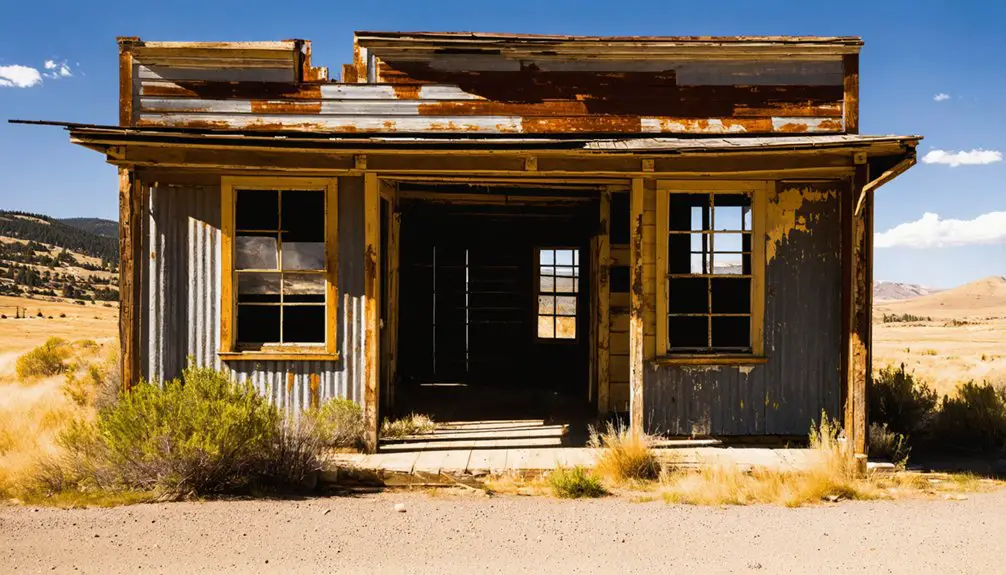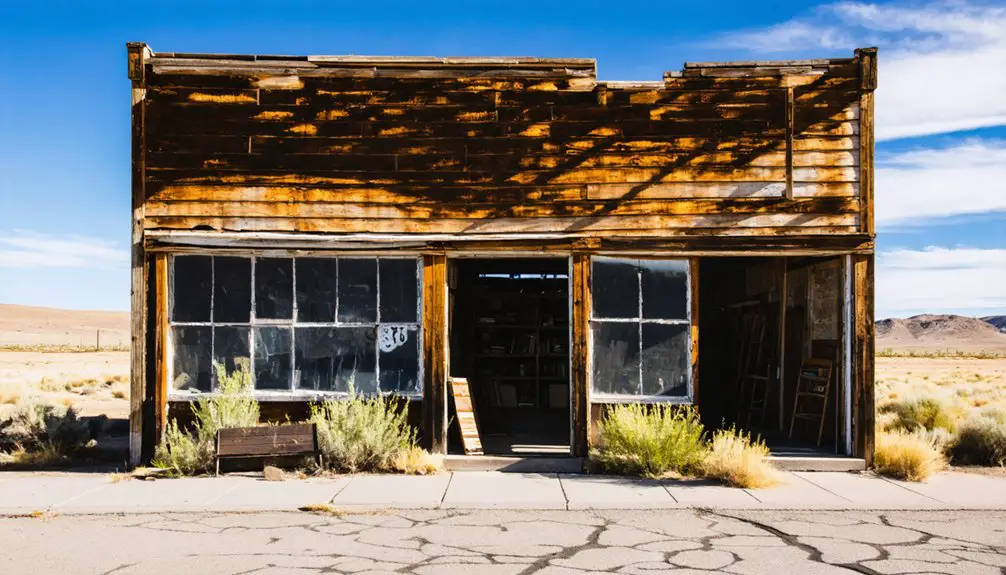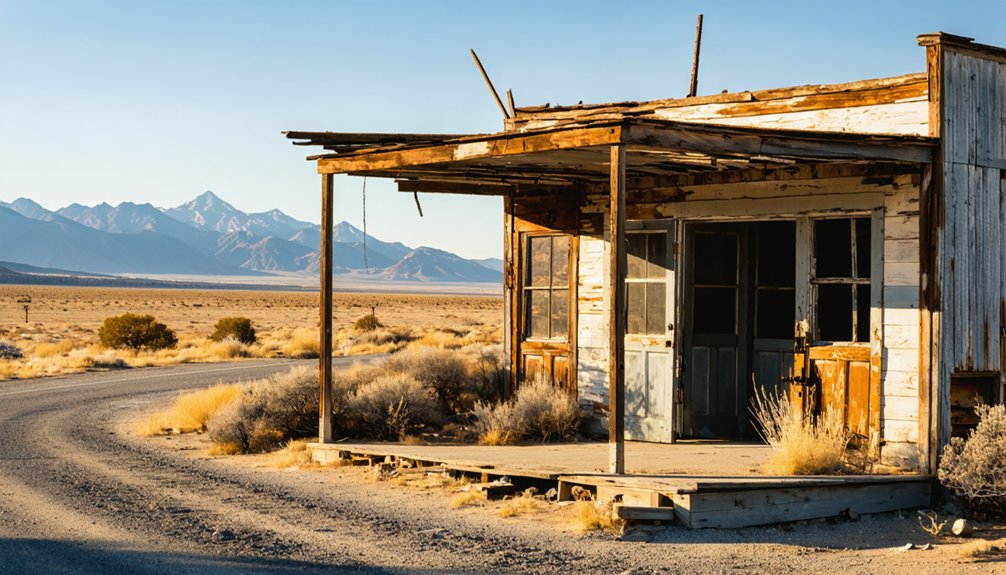
Planning a ghost town road trip to Susanville, Oregon means stepping into what’s left of a gold rush camp that once housed nearly 1,000 miners. You’ll find a collapsed mill, abandoned houses, and massive hydraulic mining tailings piles tucked into a narrow canyon along Elk Creek. Late spring through early fall offers the best access via Highway 395. Keep your boots sturdy and your camera ready — there’s far more to this forgotten town than meets the eye.
Key Takeaways
- Susanville, Oregon, began as a gold mining camp in 1864 and grew to nearly 1,000 miners before declining and closing its post office in 1952.
- Key sites include a collapsed mill, abandoned houses, and hydraulic mining tailings piles that illustrate the town’s rich gold rush heritage.
- Visit between late spring and early fall for optimal access, with September offering cooler temperatures, fewer crowds, and stunning autumn scenery.
- Highway 395 provides main access, but four-wheel drive is recommended for canyon terrain; always check road conditions with local ranger stations beforehand.
- Pack navigation tools, sturdy footwear, ample water, and a camera, while respecting ghost town etiquette by leaving all artifacts and structures untouched.
What Is Susanville, Oregon’s Ghost Town?
Nestled in the Blue Mountains of eastern Oregon, Susanville is a ghost town that got its name and official identity in 1901 when miners relocated the post office two miles up Elk Creek from what’s now the town of Galena.
Its historical significance stretches back to 1864, when prospectors first established a gold mining camp in the narrow Elk Creek canyon. The canyon’s tight geography shaped everything, limiting the town to a single main street and pushing miners to adapt their mining techniques accordingly.
Before 1900, placer mining dominated production, but hydraulic mining later transformed the landscape, leaving behind extensive tailings piles that still scar the terrain today.
Placer mining once ruled these hills, but hydraulic operations reshaped the land, leaving tailings piles that endure as silent scars.
You’ll find a collapsed mill, a handful of abandoned structures, and a powerful reminder of Oregon’s rugged gold rush heritage.
How Susanville Went From Gold Camp to Ghost Town
Susanville’s story begins in 1864 when miners established a gold camp along Elk Creek, though the settlement remained little more than a quiet outpost for decades.
Everything changed in 1901 when John Harrington and Captain DeLamar invested $140,000 to purchase 14 mining claims, transforming the sleepy camp into a boomtown drawing nearly 1,000 miners on Saturday nights.
But as the gold played out and operations shuttered through the mid-20th century, the town slowly emptied, leaving behind collapsed structures, sprawling tailings piles, and a post office that finally closed its doors in 1952.
Gold Rush Origins
When gold was discovered in the Blue Mountains of eastern Oregon in 1864, a mining camp sprang up along the narrow canyon of Elk Creek — and with it, the earliest roots of what would eventually become Susanville.
The canyon’s tight geography meant the settlement could only grow in one direction, producing a single main street lined with the essentials of frontier life.
Gold mining dominated the area for decades, though the camp’s early years are thinly documented. Its original name has been lost to history, and only scattered newspaper mentions hint at its character before 1901.
Despite limited records, the historical significance of this small camp is undeniable — it drew hundreds of prospectors chasing placer gold from Elk Creek’s streambanks, laying the foundation for everything that followed.
Mining Town’s Decline
The same forces that built Susanville ultimately unraveled it. Hydraulic mining techniques, while efficient at extracting gold, stripped the landscape and destroyed original structures, leaving behind only sprawling tailings piles.
As gold yields declined, residents drifted away. The general store burned in 1950, consuming irreplaceable photographs and records that might’ve aided historical preservation efforts. The post office closed in 1952, effectively marking Susanville’s end as a living community.
Today, you’ll find collapsed mill structures and a handful of abandoned houses standing against time. The narrow Elk Creek canyon that once concentrated activity now quietly holds these remnants.
Visiting means witnessing what happens when a resource disappears — the people, the buildings, and eventually even the memories follow.
What Can You Still See at Susanville Today?
When you arrive at Susanville today, you’ll find a collapsed mill structure standing as the most recognizable remnant of the town’s gold-processing past.
A few abandoned houses still dot the narrow canyon, offering a quiet glimpse into the lives of the miners who once packed these streets on Saturday nights.
Perhaps most striking are the extensive hydraulic mining tailings piles, which ironically consumed many of the original structures they now stand in place of.
Collapsed Mill Structure
Although time and nature have claimed most of Susanville, a collapsed mill structure still stands as one of the site’s most striking remnants.
As you explore the area, you’ll immediately recognize this ten-stamp mill’s collapsed structure as a powerful symbol of the region’s mining history. Miners once used this equipment to crush ore and extract gold from the surrounding rock, driving the district’s production through its peak years.
Today, the weathered timber and twisted metal tell that story without a single word. Standing beside it, you can almost hear the rhythmic pounding that once echoed through Elk Creek canyon.
It’s a raw, unfiltered glimpse into a vanished world — exactly the kind of discovery that makes ghost town exploration so rewarding.
Remaining Abandoned Houses
Beyond the collapsed mill, a few abandoned houses still punctuate the landscape, their weathered frames clinging stubbornly to a hillside that hydraulic mining once reshaped beyond recognition.
These remaining structures carry real historical significance, offering you a rare, tangible connection to the miners who carved out a living here during Susanville’s peak years.
Walk carefully around these deteriorating buildings, and you’ll notice how the narrow Elk Creek canyon dictated every construction decision. Space was always scarce, and builders worked with what the terrain allowed.
Unfortunately, the 1950 store fire destroyed photographs and records that would’ve deepened your understanding of daily life here.
What you’re seeing now represents nearly everything that survived both fire and time, making each weathered plank worth your careful attention.
Hydraulic Mining Tailings Piles
The tailings piles scattered across the old post office site tell Susanville’s story as clearly as any written record. When you walk through this area, you’re seeing the direct tailings impact of hydraulic mining operations that once reshaped this entire landscape.
Miners blasted powerful water jets against hillsides, washing gold-bearing gravel through sluices while pushing everything else aside into massive deposits. Those deposits swallowed original structures whole, which is why so little remains standing today.
You’ll notice how the terrain feels unnaturally sculpted, with irregular mounds stretching across ground that once supported buildings and daily life. The hydraulic mining process that generated such impressive gold yields fundamentally erased the physical settlement itself.
These piles aren’t just debris—they’re the dominant feature defining what Susanville has become.
Tips for Photographing Susanville’s Crumbling Mill and Tailings Piles
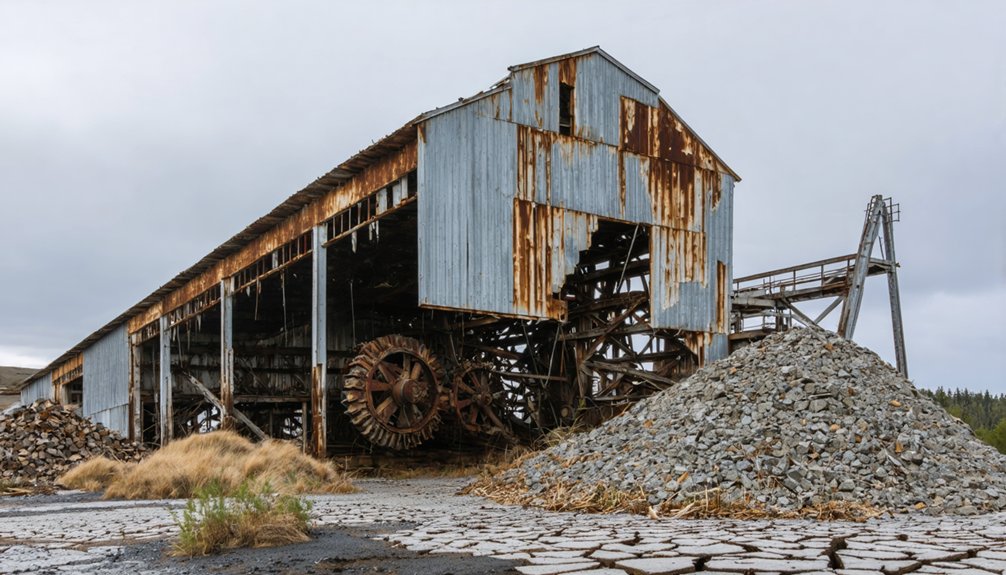
Susanville’s crumbling mill and sprawling tailings piles offer ghost town photographers a rare, textured subject that rewards patience and timing.
Arrive early morning or late afternoon when golden-hour light rakes across the collapsed timbers and mineral-stained earth, revealing dramatic shadows and rich color contrast.
Shoot wide to capture the scale of the tailings against the canyon walls, then move close to document the weathered wood grain and rusted hardware of the abandoned structures. These details matter for historical preservation, creating visual records before further decay claims what’s left.
Bring a polarizing filter to reduce glare on the creek’s surface and saturate the surrounding greens.
Watch your footing near the mill—unstable ground makes tripod placement tricky but forces creative low-angle compositions you won’t find anywhere else.
When Is the Best Time to Visit Susanville, Oregon?
You’ll find Susanville most accessible and rewarding during late spring through early fall, when snow has cleared the mountain roads and the Blue Mountains reveal their rugged beauty.
Summer days bring warm, dry conditions ideal for exploring the collapsed mill and tailings piles, though you should pack layers since temperatures in the Elk Creek canyon can drop sharply by evening.
Highway 395 stays open year-round, but the secondary roads leading to the ghost town site can become impassable mud traps during spring thaw or after heavy rainfall, so check local road conditions before you head out.
Ideal Visiting Seasons
Since Susanville sits tucked in the narrow Elk Creek canyon within Oregon’s Blue Mountains, the weather plays a significant role in how accessible and enjoyable your visit will be.
Late spring through early fall offers your best window, when mountain roads are clear and you can freely explore the collapsed mill, tailings piles, and abandoned structures while soaking in the ghost stories tied to this once-booming mining settlement.
Summer brings long daylight hours, giving you maximum time to absorb the historical significance of every crumbling remnant.
Avoid winter visits, as snow and ice make canyon roads treacherous and limit exploration.
September strikes a particularly sweet balance, offering cooler temperatures, fewer crowds, and stunning mountain scenery that frames the ghost town’s haunting atmosphere perfectly.
Weather Conditions To Expect
Tucked inside the narrow Elk Creek canyon, Susanville experiences the kind of mountain weather that can shift quickly and catch unprepared visitors off guard.
The Blue Mountains drive seasonal variations that keep conditions unpredictable year-round. Summers bring warm, dry days perfect for exploring, though afternoon thunderstorms roll in fast. You’ll want layers regardless of the season.
Spring thaws can leave access roads muddy and difficult to navigate, while autumn delivers crisp air and stunning foliage that rewards the adventurous traveler.
Winter weather patterns bring heavy snowfall that can effectively cut off access entirely.
Pack rain gear, sturdy boots, and extra supplies no matter when you visit.
The canyon geography amplifies temperature swings, so mornings can feel sharp even during July’s warmest weeks.
Road Access Considerations
Planning your visit around road conditions can make the difference between a memorable adventure and a frustrating turnaround.
Susanville sits in the Blue Mountains of eastern Oregon, accessible via Highway 395, but the final stretch along Elk Creek canyon demands respect. Spring thaws and winter storms can render unpaved sections impassable, cutting you off from ghost town legends and mining artifacts waiting at the site.
Summer and early fall offer the most reliable access, giving you dry, stable roads and maximum daylight for exploration. Always check current conditions with local ranger stations before heading out.
Four-wheel drive is strongly recommended, as the canyon terrain doesn’t forgive unprepared vehicles. Carry extra water, fuel, and a paper map — cell service out here is unreliable at best.
What to Pack Before You Visit Susanville
Visiting a remote ghost town in the Blue Mountains means you’ll want to prepare carefully before hitting the road.
Susanville’s narrow Elk Creek canyon offers remarkable historical significance, with remnants of early mining techniques still visible across the landscape. Pack smart so you can explore freely.
- Navigation tools: Carry paper maps and a GPS device since cell service is unreliable near Highway 395’s remote stretches.
- Camera and notebook: Document collapsed mill structures, tailings piles, and abandoned houses before weather erases what remains.
- Sturdy footwear and water: Uneven terrain from hydraulic mining operations makes ankle support essential, and no supplies exist nearby.
You’re stepping into living history, so arrive self-sufficient and ready to spend real time exploring.
How to Get to Susanville From Highway 395
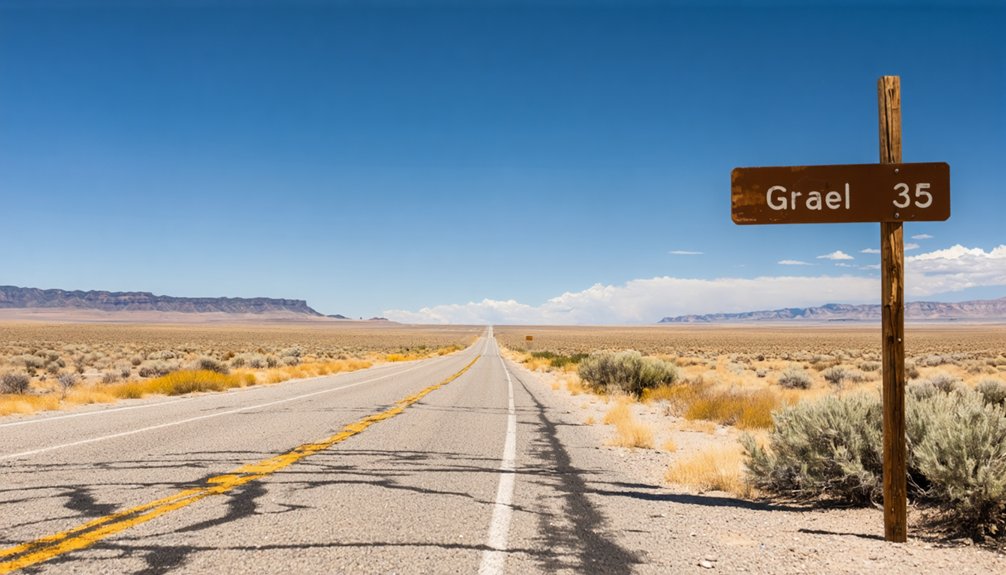
Highway 395 cuts through eastern Oregon’s high desert like a ruler, and it’s your main artery for reaching Susanville. From the highway, you’ll navigate toward Elk Creek canyon, where the narrow terrain explains why this town developed along a single main street.
The geography itself shaped Susanville history, forcing miners to stack their lives vertically rather than spread outward.
Watch for the turnoff that brings you roughly two miles from Galena, the original settlement predecessor. As you drive in, you’re retracing routes that once carried men hauling equipment for placer operations and hydraulic mining techniques that permanently scarred the hillsides.
Those techniques literally washed away buildings and history alike. The road rewards patience, delivering you to tailings piles and collapsed structures that make the journey worthwhile.
Is the Road to Susanville Paved or Rough?
Once you’ve left Highway 395 behind, the road quality becomes your next concern, and it’s worth knowing what you’re getting into before you commit your vehicle. The route follows Elk Creek through the Blue Mountains, and road conditions change as you travel deeper into the canyon.
The road doesn’t stay smooth for long — commit your vehicle wisely before Elk Creek pulls you deeper into the canyon.
Here’s what to expect:
- Paved sections shift to graded gravel as you approach Susanville, so high-clearance vehicles handle the terrain best.
- Seasonal road conditions matter greatly — spring runoff and winter weather can make sections impassable.
- Scenic viewpoints along Elk Creek reward your patience, offering glimpses of canyon walls and mountain terrain between rough patches.
Check current road conditions before departing, and you’ll arrive ready to explore without surprises slowing you down.
Ghost Towns Worth Visiting Near Susanville and Galena
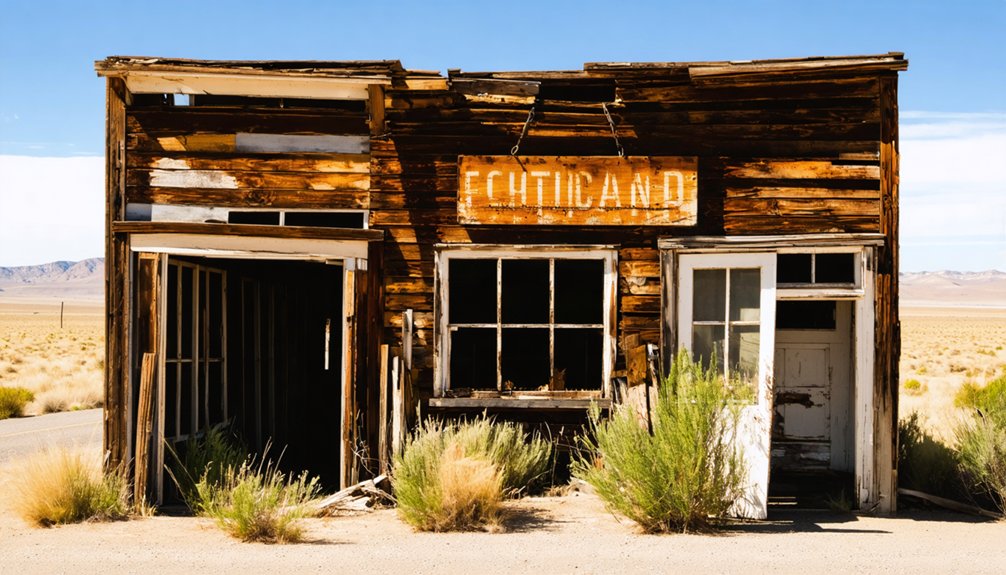
Susanville and Galena sit within Oregon’s Blue Mountains, a region that sheltered dozens of mining settlements during the gold rush era — and several of those ghost towns remain within reach if you’re already making the drive.
Whitney, Sumpter, and Greenhorn all carry deep ghost town history and sit within reasonable driving distance along Highway 395 and connecting back roads.
Sumpter’s dredge is particularly striking — a massive machine frozen in time, surrounded by mining artifacts and tailings ponds that tell the story of industrial-scale gold extraction.
Greenhorn, one of Oregon’s highest incorporated towns, offers an eerie stillness that serious ghost town hunters appreciate.
Grouping these stops into a single loop lets you cover serious ground without backtracking, maximizing your time across this historically rich stretch of eastern Oregon.
How to Visit Susanville Without Disturbing the Ruins
Reaching Susanville means traversing the narrow Elk Creek canyon, so you’ll want to come prepared with a detailed map and genuine respect for what’s left standing.
Ghost town etiquette and historical preservation go hand-in-hand here, protecting what little remains after the 1950 store fire destroyed irreplaceable photographs and records.
Follow these simple guidelines:
- Leave everything untouched — collapsed mill structures and tailings piles are fragile remnants, not souvenirs
- Stay on established paths — the canyon’s tight geography means foot traffic easily damages surviving foundations
- Photograph freely, take nothing — document the abandoned houses and hydraulic mining scars for others to appreciate
You’re visiting someone else’s story. Treat Susanville’s ruins with the same freedom-loving independence you’d want others to extend toward something precious to you.
Frequently Asked Questions
Was Susanville, Oregon Ever Officially Incorporated as a Town?
Susanville never officially incorporated — it’s practically a ghost before it even became a ghost town! Explore its town history, and you’ll uncover local legends of a mining camp that thrived wildly without formal recognition.
Are There Any Guided Tours Available at Susanville Ghost Town?
No official guided tours exist at Susanville, but you’ll love exploring its ghost town history independently. Embrace guided exploration at your own pace, discovering collapsed mills, tailings piles, and abandoned houses that whisper tales of Oregon’s golden past.
Can You Legally Pan for Gold Near Susanville Along Elk Creek?
You’ll need to check current gold panning regulations before prospecting along Elk Creek. Given Elk Creek history’s rich placer mining legacy, it’s worth researching land ownership and permits to freely pursue your golden adventure!
Is Camping Permitted Overnight Near the Susanville Ghost Town Site?
Like a blank map waiting to be written, camping regulations for the Susanville ghost town site remain unclear, but you’ll find nearby campgrounds along Highway 395 that’ll fuel your freedom-seeking adventure perfectly.
Are There Any Historical Markers or Signs Identifying Susanville’s Remaining Structures?
You won’t find formal historic preservation markers identifying Susanville’s remaining structures. However, you’ll discover the collapsed mill and tailings piles yourself, letting local legends guide your exploration of this hauntingly raw, unmarked ghost town.
References
- https://pnwphotoblog.com/ghost-town-of-susanville-oregon/
- https://kids.kiddle.co/Susanville
- https://westernmininghistory.com/towns/oregon/susanville/
- https://nvtami.com/2023/10/09/highway-395-explorations/
- https://hisandhersphoto.com/ghost/hhghosto_005.htm
- https://www.youtube.com/shorts/BlaeCvv1Wt0