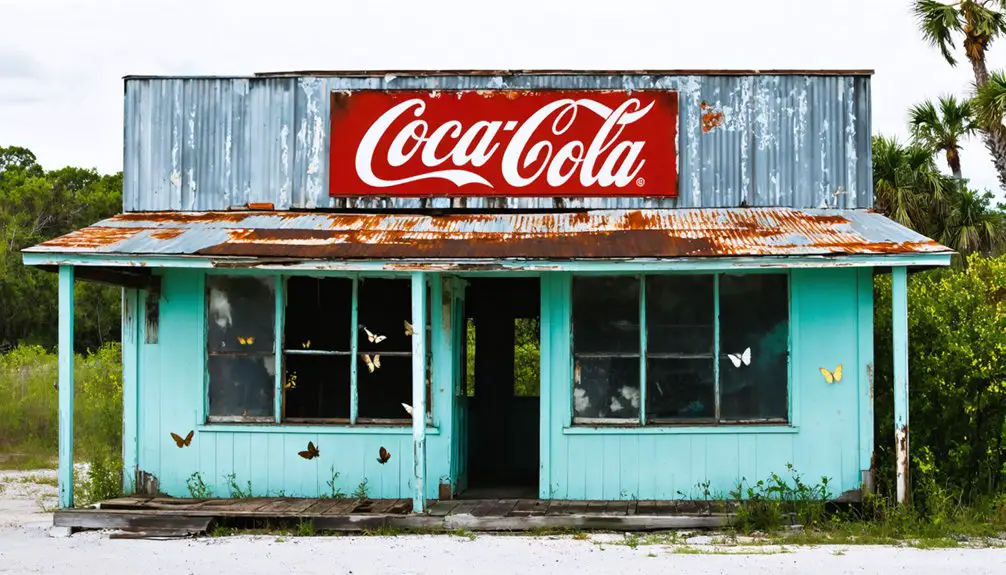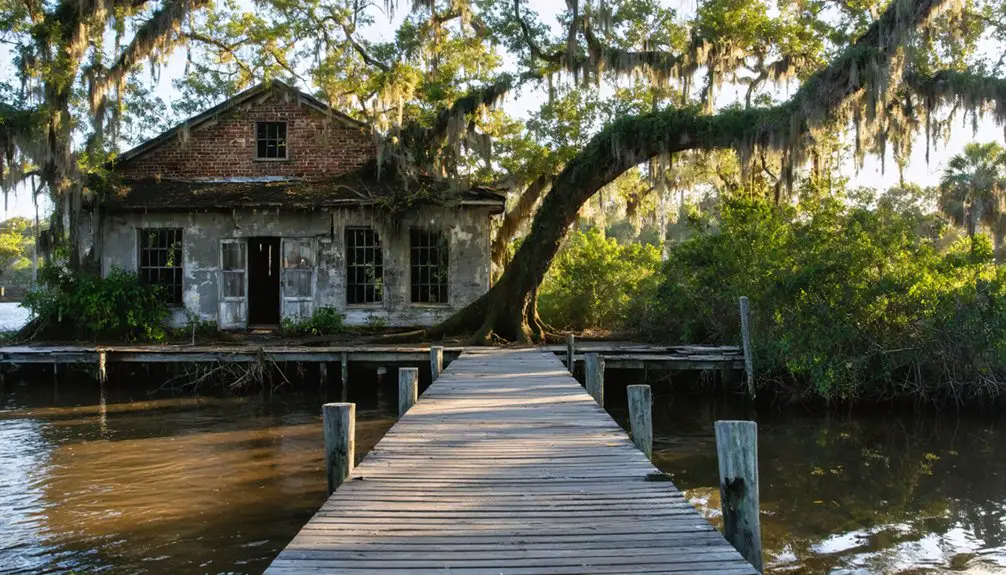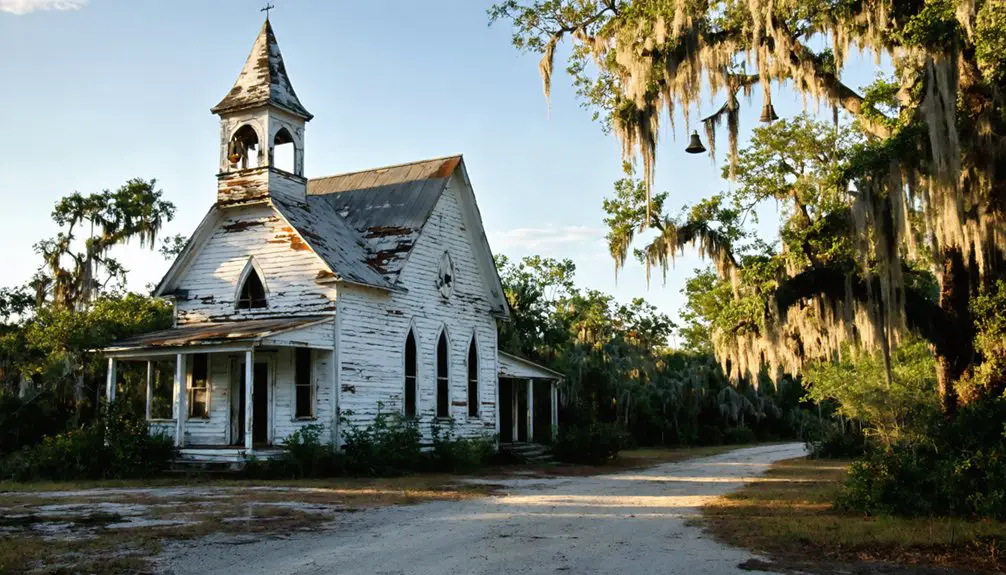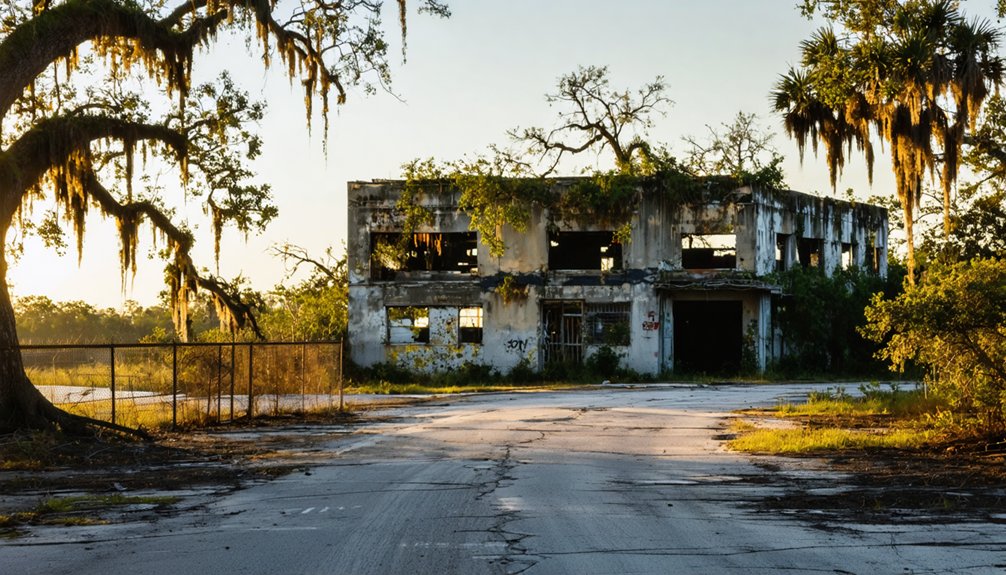
Sweetwater, Florida almost became a ghost town after the 1920s land boom collapsed, but its story is far stranger than that. You’ll discover a city founded by circus performers, shaped by hurricane devastation, and transformed by vibrant cultural communities near the Everglades’ edge. Plan your road trip between November and April for the best weather, and take the Tamiami Trail from Miami for a scenic, history-rich drive. There’s much more to this remarkable little city than you’d expect.
Key Takeaways
- Sweetwater, near the Everglades, nearly became a ghost town after the 1926 hurricane devastated the 1920s land boom development known as “Sweetwater Groves.”
- In 1940, a troupe of “Royal Russian Midgets” purchased 100 acres, planning a tourist attraction before World War II halted their ambitious vision.
- Visit between November and April during the dry season, when temperatures hover in the comfortable mid-70s and flooding risks are minimal.
- From downtown Miami, take the Tamiami Trail (US 41) West toward Sweetwater, using the Palmetto Expressway (SR 826) as a key navigation landmark.
- Key historical sites include the original Sweetwater Groves plat, the former Midget Colony grounds, and remnants of the early town hall.
Sweetwater, Florida Was Almost a Ghost Town: Here’s What Actually Happened
When you hear “ghost town road trip,” you probably picture dusty ruins and tumbleweeds — but Sweetwater, Florida has a far stranger story.
This city nearly vanished before it even started. The 1920s land boom brought ambitious developers platting “Sweetwater Groves,” only for a devastating 1926 hurricane to kill the dream entirely.
Sweetwater nearly never existed — a 1920s boom dream wiped out entirely by a single catastrophic hurricane.
Then came the truly unexpected twist: a troupe of “Royal Russian Midgets” purchased 100 acres in 1940, planning a tourist attraction that never materialized.
Yet instead of becoming abandoned, Sweetwater incorporated as a city in 1941 with just 25 residents. Its historical significance lies in that stubborn survival.
Today, rich cultural influences from Nicaraguan communities and Florida International University have transformed what almost became forgotten ruins into a thriving, living destination worth exploring.
Sweetwater’s Stranger-Than-Fiction Origins in the 1920s Land Boom
During the roaring 1920s, Florida’s land boom turned swampy wilderness into paper fortunes overnight, and Sweetwater was no exception. The Miami-Pittsburgh Land Company platted “Sweetwater Groves,” envisioning a thriving community carved from the Everglades edge.
Then reality hit hard — the catastrophic 1926 hurricane and a collapsing real estate market buried those dreams fast.
But Sweetwater’s story gets wilder. In 1940, a troupe of “Royal Russian Midgets” — actual circus performers — purchased 100 acres, planning a tourist attraction that never materialized as World War II approached.
The Royal Russian Midgets Who Founded Sweetwater, Florida
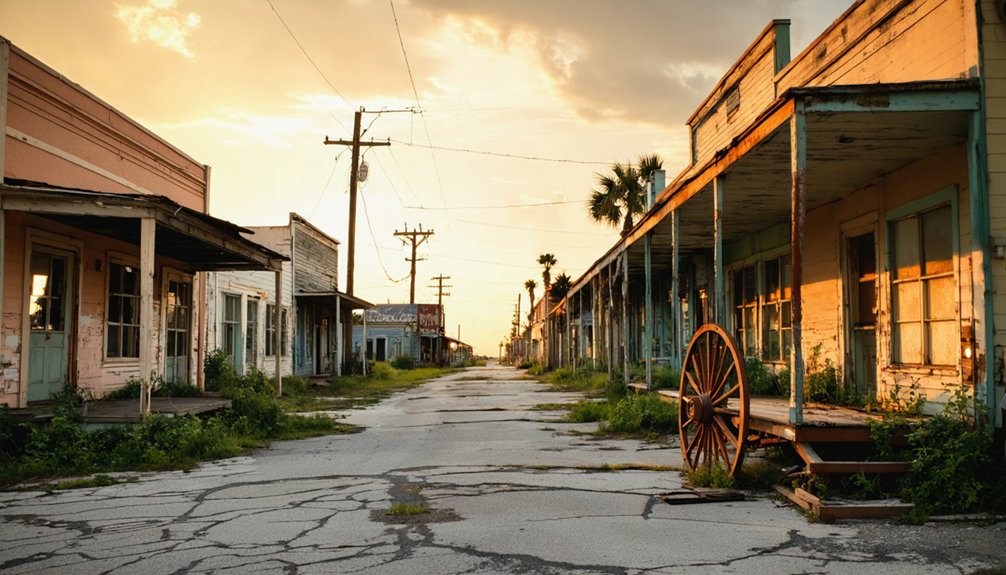
Few chapters in Florida history are stranger than the story of the Royal Russian Midgets, a troupe of circus performers who purchased 100 acres of Sweetwater’s swampy land in 1940 and nearly transformed it into a full-blown tourist attraction.
Developer Clyde H. Anderson sold them the plot, and the troupe’s manager, Joe Sanderlin, became Sweetwater’s first mayor when the city incorporated in 1941 with just 25 residents.
Their Midget Colony vision promised something wildly original — a destination unlike anything Florida had seen.
But World War II killed those plans before they launched.
What remains is a fascinating footnote in Florida history, one you’ll want to explore as you walk the same ground these extraordinary performers once called home.
When Is the Best Time to Road Trip to Sweetwater?
Planning your road trip to Sweetwater means picking the right season, and that decision matters more here than in most Florida destinations.
Sitting on the Everglades’ edge, this city floods easily, making weather considerations critical before you hit the Tamiami Trail.
The best seasons for your visit are November through April, when South Florida’s dry season keeps roads clear and temperatures comfortable in the mid-70s.
You’ll explore historic sites and Nicaraguan cultural spots without battling oppressive humidity or sudden downpours.
Avoid May through October entirely if you can.
Summer’s relentless rain turns low-lying streets into shallow rivers, limiting your freedom to roam.
Hurricane season peaks September through October, adding genuine risk to any adventure.
Pack light, drive early, and let the dry season reward your curiosity.
How to Get to Sweetwater From Miami Along the Tamiami Trail
Tamiami Trail—US 41—is your direct corridor from Miami to Sweetwater, a drive that takes roughly 20 to 30 minutes heading west.
Tamiami Trail—US 41—connects Miami to Sweetwater in under 30 minutes, heading straight into Florida history.
This historic road cuts through the Everglades‘ edge, delivering you straight into layers of Sweetwater history.
Follow these three navigation points for a smooth ride:
- Merge onto US 41 West from downtown Miami, keeping the Everglades on your southern flank.
- Watch for the Palmetto Expressway (SR 826) interchange as a landmark confirming you’re closing in.
- Exit toward Sweetwater’s core, where the Tamiami Trail deposited settlers, circus performers, and Nicaraguan immigrants across decades.
You’re not just driving a road—you’re tracing a living timeline.
Every mile westward peels back another chapter of this surprisingly layered Florida ghost town.
The Best Historic and Scenic Stops on the Tamiami Trail Route
Once you’re rolling west on US 41, the route itself becomes part of the experience. The Tamiami Trail cuts through raw Everglades terrain, offering scenic overlooks where sawgrass prairies stretch endlessly toward the horizon.
Pull over and breathe it in — this wilderness shaped everything Sweetwater became.
Watch for markers near Florida International University, where the city’s growth story connects directly to education and opportunity. The surrounding neighborhoods carry deep cultural influences, particularly Nicaraguan heritage that transformed this once-tiny settlement into a vibrant community worth exploring.
Keep your eyes open for remnants of pioneer-era structures and the original Sweetwater Groves footprint.
Every mile along this historic corridor layers natural beauty with human ambition, making the drive itself as rewarding as the destination you’re chasing.
The Surviving Pioneer Remnants You Can Actually Visit in Sweetwater
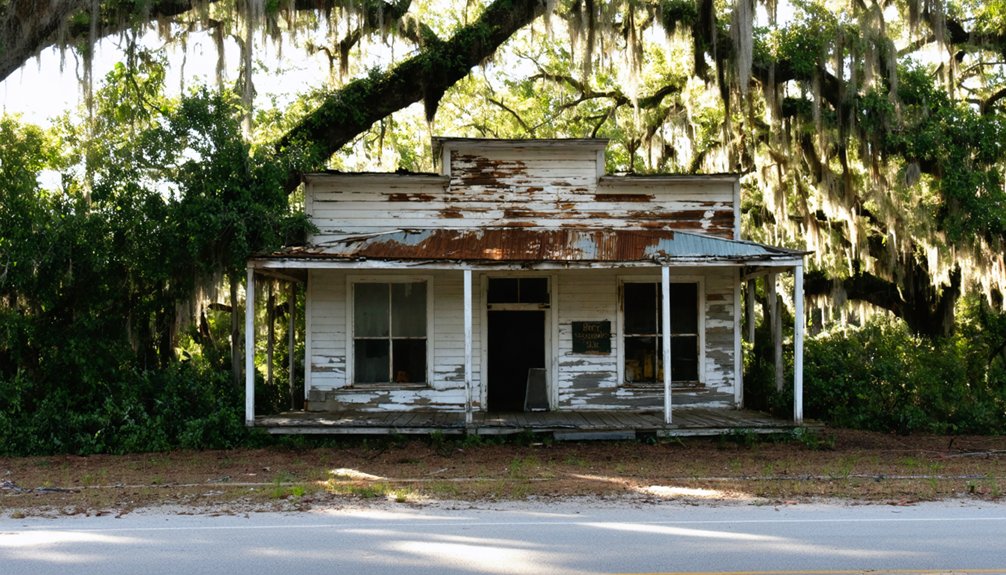
Few ghost towns offer tangible proof of their past, but Sweetwater delivers scattered pioneer remnants that reward curious visitors willing to dig beyond the modern strip malls.
You’ll find authentic connections to early Florida life if you know where to look.
Prioritize these three stops for genuine Pioneer Heritage:
- The original Sweetwater Groves plat site, where 1920s land boom ambitions collapsed dramatically.
- The former “Royal Russian Midgets” colony grounds, a genuinely bizarre chapter in Historic Preservation.
- Early town hall remnants, echoing Sweetwater’s 1941 incorporation story.
You’re not chasing polished museum exhibits here.
These are rough, real fragments of a community built by circus performers, Vietnam veterans, and Nicaraguan immigrants who collectively transformed a flood-prone Everglades edge into something surprisingly resilient.
Why Sweetwater Sits Right on the Everglades’ Doorstep
Beyond those pioneer fragments lies the reason Sweetwater exists where it does—perched stubbornly on the Tamiami Trail where Miami’s western edge bleeds directly into Everglades wilderness.
You’re literally standing at civilization’s boundary here. The Everglades Ecosystem begins fundamentally at Sweetwater’s backyard, making every drive west along US 41 an immediate plunge into sawgrass prairies and open water sloughs.
Step west on US 41 and civilization simply ends—sawgrass prairies swallow the road whole.
That proximity comes with a price. Flood risk shaped everything about how this town developed, why early settlers fought so hard just to stay, and why the streets sometimes resembled shallow rivers after heavy rains.
You’ll feel that vulnerability driving through today. The Everglades don’t negotiate—they simply remind you who owned this land first.
That tension between human stubbornness and wild nature gives Sweetwater its restless, untamed energy.
Day Trips Worth Adding: Everglades, Coral Gables, and Beyond
While you’re in Sweetwater, you’re perfectly positioned to push deeper into the wild Everglades, where sawgrass prairies and hidden wildlife reward anyone willing to explore past the Tamiami Trail’s edge.
A short drive east drops you into Coral Gables, where Mediterranean Revival architecture and tree-lined boulevards offer a striking contrast to Sweetwater’s rough-and-tumble pioneer roots.
Beyond both destinations, Miami’s cultural neighborhoods, Florida International University’s campus, and the Palmetto Expressway corridor open up a full day’s worth of discoveries that stretch well beyond any ghost town itinerary.
Everglades Day Trip Essentials
Since Sweetwater sits right on the edge of the Everglades, you’d be missing out if you didn’t extend your road trip deeper into this iconic wilderness.
The Tamiami Trail cuts straight through raw, untamed landscape where Everglades wildlife thrives around every bend.
Here’s how to make your day trip count:
- Drive deeper west along the Tamiami Trail to spot alligators, herons, and sawgrass prairies stretching endlessly.
- Stop at Shark Valley for a tram tour or bike ride through the heart of Everglades National Park.
- Absorb Tamiami culture by visiting roadside Miccosukee villages offering airboat rides and authentic storytelling.
Pack water, sunscreen, and bug spray — the Everglades rewards bold explorers who come prepared for its unfiltered, magnificent wildness.
Coral Gables Historic Highlights
Coral Gables sits just a short drive from Sweetwater, and it’s a historic detour that punches well above its weight.
You’ll find Mediterranean Revival Coral Gables architecture lining streets canopied by ancient banyan trees, creating an atmosphere that feels worlds away from the Everglades edge you just left behind.
Swing through the Venetian Pool, a stunning quarry-turned-swimming hole carved from coral rock in 1923.
Wander the Coral Gables gardens at Fairchild Tropical Botanic Garden, where rare palms and exotic blooms reward every curious explorer.
The Biltmore Hotel rises majestically nearby, a towering reminder of Florida’s roaring 1920s ambitions — the same era that birthed Sweetwater itself.
This detour connects history, beauty, and adventure into one compact, memorable stop.
Beyond Sweetwater Worth Exploring
Sweetwater’s position on the Tamiami Trail puts you at the doorstep of some of South Florida’s most compelling destinations, and the surrounding region rewards every extra mile you’re willing to drive.
Extend your adventure beyond city limits with these essential stops:
- Everglades National Park — paddle through primeval wilderness and spot wildlife that’s roamed these wetlands for centuries.
- Coral Gables — immerse yourself in cultural experiences among Mediterranean-inspired architecture, vibrant art scenes, and local cuisine that ranges from Cuban cafecitos to upscale dining.
- Florida International University — explore the campus that helped transform Sweetwater’s growth and catch rotating cultural exhibitions.
Each destination adds genuine depth to your journey, turning a simple ghost town visit into an unforgettable South Florida expedition worth every detour.
Before You Go: Safety at Abandoned Sites
Ghost town structures have stood without maintenance for decades. Floors, stairs and roof timbers fail without warning, and a building that looks solid from outside may not hold your weight. Stay out of standing structures unless the site is actively maintained and open to visitors.
Mine workings are the more serious hazard. Vertical shafts can be hundreds of feet deep, are often unfenced, and may be hidden by brush or capped with rotted boards. Never enter an adit, tunnel or shaft: abandoned workings can hold oxygen-poor or toxic air that gives no warning before you lose consciousness.
Enclosed spaces with rodent droppings carry a risk of hantavirus, which is contracted by breathing contaminated dust. Do not sweep or stir up dust inside old cabins and outbuildings.
Cell coverage at these sites is usually poor or absent. Tell someone your route and expected return time, and carry more water than you think you need.
Frequently Asked Questions
What Was Sweetwater’s First Mayor’s Connection to the Circus Performers?
You’ll love discovering that Joe Sanderlin, the mayor’s legacy tied to circus history, served as the Royal Russian Midgets’ manager, directly connecting Sweetwater’s first leader to those fascinating performers who shaped the town’s quirky origins.
How Did Nearby Expressways Contribute to Sweetwater’s Rapid Population Growth?
You’ll discover that the Palmetto and Dolphin expressways fueled a massive population surge, doubling Sweetwater’s residents in the 1970s. This expressway impact opened floodgates, drawing Vietnam GIs and Nicaraguan immigrants seeking affordable freedom in $85-a-month duplexes.
Is the Hardee County Ghost Town Related to Modern Sweetwater, Florida?
They’re not related! The Hardee County ghost town’s ghost town origins date back to the late 1800s, while modern Sweetwater’s historical significance began in the 1920s. You’ll discover two entirely separate settlements sharing only a name.
What Cultural Community Became Dominant in Sweetwater During the 1970S?
You’ll discover that Nicaraguan immigrants became Sweetwater’s dominant cultural community during the 1970s. Their vibrant cultural influences transformed the area, and you can still experience rich community events celebrating this freedom-seeking group’s lasting, adventurous legacy today.
How Did Vietnam War Veterans Influence Sweetwater’s Early Residential Development?
Those who served found refuge in Sweetwater’s affordable veteran housing, with $85-a-month duplexes welcoming returning GIs. Their community impact helped transform this wild frontier town, doubling its population and fueling an adventurous spirit of freedom throughout the 1970s.
References
- https://www.mpnod.org/2017/03/sweetwaters-colorful-history-features-russian-midgets/
- https://usghostadventures.com/haunted-stories/americas-most-haunted-south/sweetwater-mansion-and-her-ghosts/
- https://www.miamiherald.com/news/local/community/miami-dade/west-miami-dade/article4453739.html
- https://www.ghosttowns.com/states/fl/sweetwater.html
- https://www.sweetwaterliving.com/blog/posts-by-date/2016/march/the-history-of-sweetwater/
- https://en.wikipedia.org/wiki/List_of_ghost_towns_in_Florida