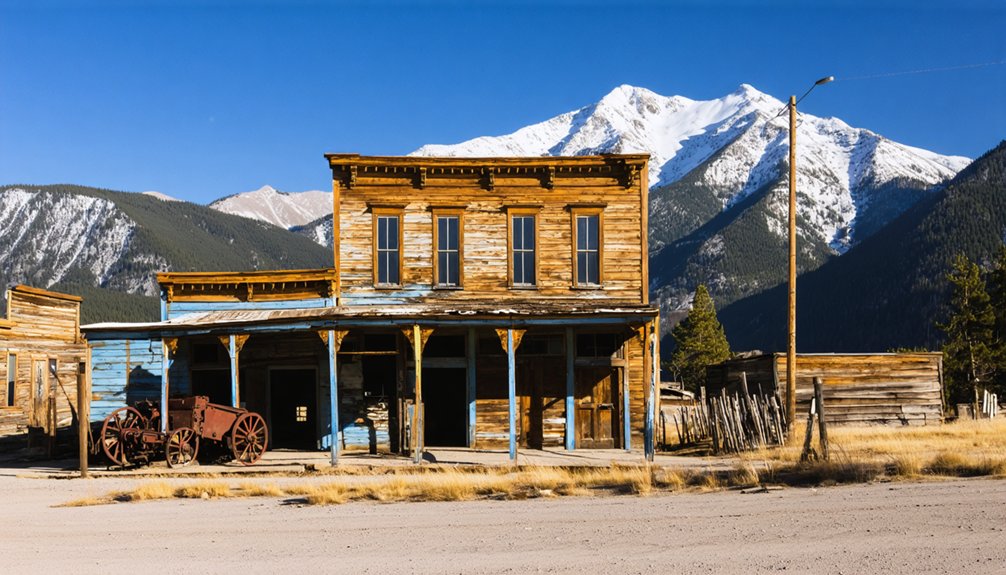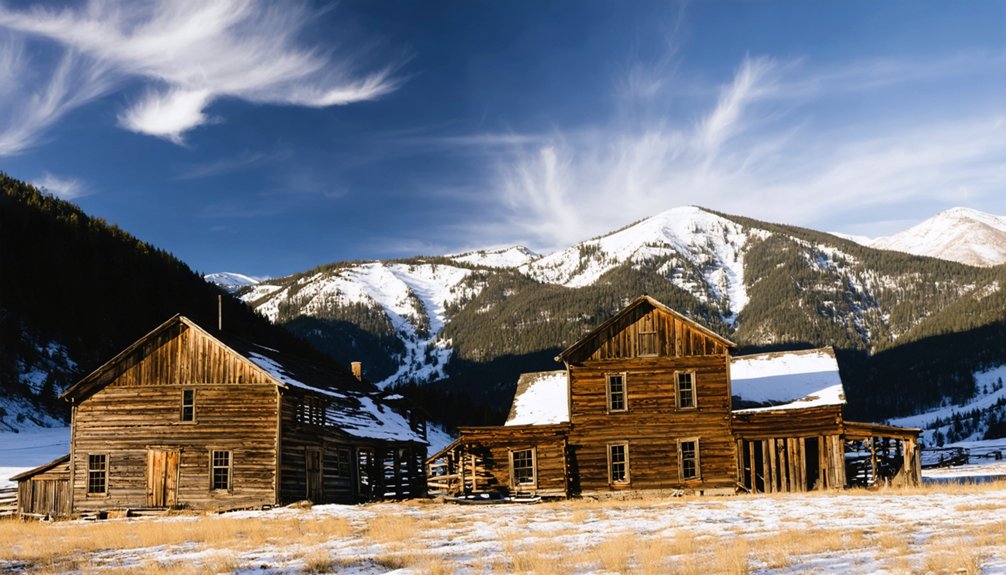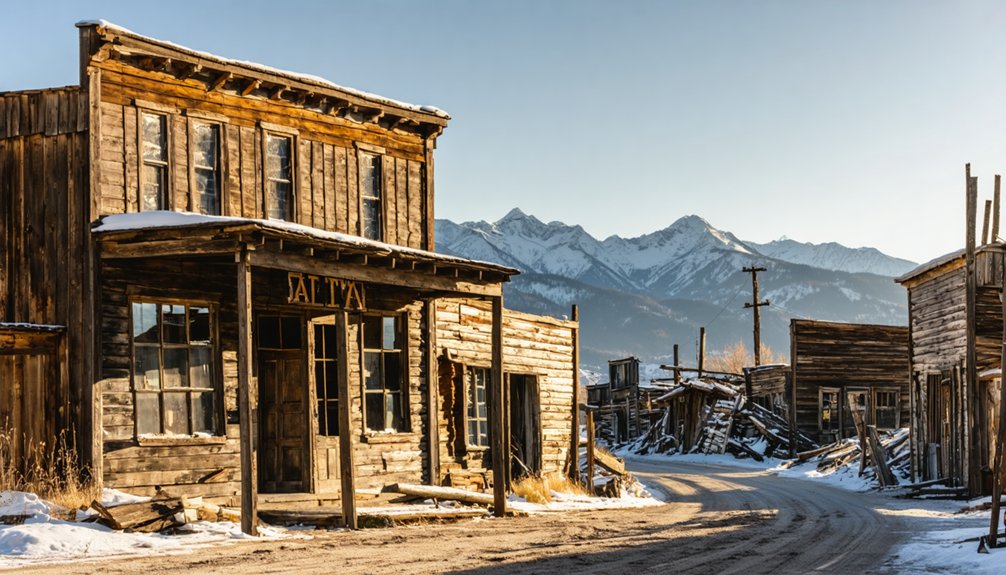
Ten miles from Telluride, Alta’s ghost town sits at nearly 11,800 feet, where roughly 20 structures from an 1877 gold rush still stand against jagged San Miguel County peaks. You’ll reach it via Alta Lakes Road off CO-145, though you’ll need a high-clearance vehicle and should plan your visit between late May and October. Summer brings wildflowers and wildlife, while fall offers golden foliage and crisp mountain air. There’s far more to this remarkable site than first meets the eye.
Key Takeaways
- Alta, Colorado, a historic ghost town near Telluride, sits at 11,800 feet elevation and features approximately 20 preserved mining-era structures.
- Reach Alta by driving south on CO-145 from Telluride, then turning onto Alta Lakes Road, totaling roughly ten miles.
- Visit between July and September for optimal road conditions, wildflower blooms, wildlife sightings, and clear mountain weather.
- Pack layered clothing, sturdy hiking boots, water, sunscreen, and binoculars to safely explore the townsite and surrounding trails.
- Respect preservation guidelines by avoiding unstable structures, staying on established paths, and leaving all historical artifacts undisturbed.
What Makes Alta, Colorado Worth the Drive From Telluride
Though it’s only 10 miles from Telluride, Alta, Colorado feels worlds removed — a high-alpine ghost town sitting at nearly 11,800 feet in San Miguel County, where the remnants of a once-active mining settlement still stand against a backdrop of rugged peaks and towering pines.
Founded after gold discoveries in 1877, Alta sustained a population of several hundred before its mine and mill closed, capped by a reported 1948 fire.
Today, roughly 20 historic structures remain, including original cabins and a 1939 boardinghouse listed on the National Register of Historic Places.
You’ll share the landscape with local flora adapted to extreme elevation and mountain wildlife moving freely through terrain that once hummed with industrial ambition.
That contrast — raw wilderness reclaiming human history — is exactly what makes Alta worth your time.
What’s Left of Alta’s Mining Past
When you walk through Alta’s townsite, you’re stepping into a mining era that stretched from 1877 to the late 1940s. The era ended with a reported mill fire in 1948.
The site’s roughly 20 surviving structures — including original cabins, a boarding house built in 1939, and an outhouse building — earned Alta a well-deserved spot on the National Register of Historic Places.
You’ll find these weathered log buildings remarkably intact, offering a rare, tangible connection to the gold-driven boom that once drew hundreds of residents to this 11,800-foot perch in the San Juan Mountains.
Historic Structures Still Standing
Unlike many ghost towns that have faded to little more than foundation stones and scattered debris, Alta still holds roughly 20 historic structures standing against the alpine elements. You’ll find original log cabins, an outhouse building, and a boardinghouse constructed in 1939 that remains one of the site’s most commanding landmarks.
These weathered structures frame scenic viewpoints of the surrounding peaks, rewarding photographers and history enthusiasts alike. As you explore between buildings, stay alert for wildlife encounters — the high-alpine terrain attracts marmots, deer, and occasionally elk.
Alta’s placement on the National Register of Historic Places reflects the site’s genuine historical significance. The structures are deteriorating, so keep your distance from unstable walls and resist the urge to enter — your restraint helps preserve what future visitors can still discover.
National Register Recognition
Alta’s inclusion on the National Register of Historic Places isn’t just a bureaucratic footnote — it’s the clearest signal that what you’re standing among carries genuine cultural weight. This designation affirms Alta’s cultural significance as a survivor of Colorado’s silver and gold rush era, a place where miners lived, worked, and eventually walked away for good.
Historical preservation efforts here aren’t abstract — they’re visible in every weathered cabin wall and sagging roofline still holding its ground at 11,800 feet. The National Register listing means Alta met strict federal criteria for historical integrity and importance.
For you as a visitor, that recognition carries responsibility. You’re not just sightseeing — you’re moving through protected history. Treat it accordingly, and it’ll remain standing for the next traveler who finds their way up Alta Lakes Road.
Mining Era Timeline
From 1877 through the late 1940s, Alta ran on gold and grit — a high-alpine mining settlement that grew fast, worked hard, and collapsed just as decisively.
At its peak, a few hundred residents built real town infrastructure around the Gold King operation: cabins, a boarding house, and working facilities that kept the mine productive for decades. Mining equipment powered the mill, and the whole operation sustained daily life at nearly 12,000 feet.
Then a reported fire in 1948 ended it. Workers left, structures weathered, and Alta quietly became a ghost town.
When you walk the site today, you’re stepping through the physical remains of that arc — boom, labor, abandonment — preserved just enough to make the timeline feel immediate rather than distant.
How to Get to Alta From Telluride
Getting to Alta from Telluride is straightforward: head south on CO-145, then turn onto Alta Lakes Road (Forest Road 632), which carries you roughly four miles up to the townsite. The road is seasonal, typically opening late May or early June. Plan accordingly:
- Bring a high-clearance vehicle, especially after rain when the unpaved road turns unforgiving.
- Time your drive during summer for peak wildflower blooms coloring the alpine slopes and prime wildlife sightings along the corridor.
- Check current road conditions before departing, as mountain weather closes access fast.
The entire drive from Telluride runs about ten miles, making Alta an easy half-day escape. You’re trading pavement for rugged freedom and raw history the moment you leave town.
What to Know Before Driving Alta Lakes Road
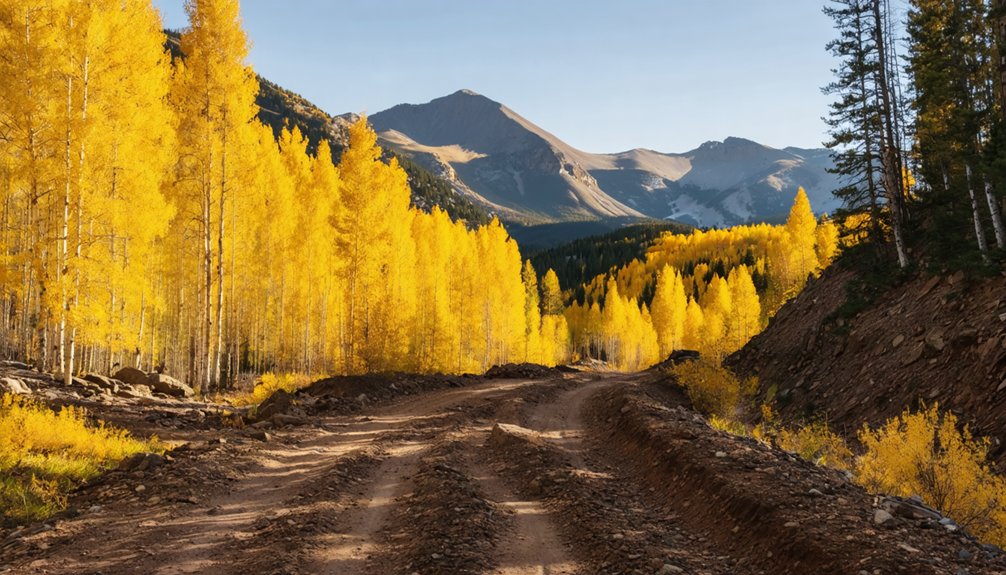
Before you turn onto Alta Lakes Road / Forest Road 632, you’ll want to know that this route demands a high-clearance vehicle, particularly when wet weather or lingering snow makes the rocky surface unpredictable.
The road stays seasonal, typically opening late May or early June and closing by October, so timing your visit matters as much as your choice of vehicle.
Plan your trip for summer through early fall to catch the clearest conditions and the fullest access to both the ghost town and the Alta Lakes recreation area beyond it.
Road Conditions And Accessibility
Reaching Alta demands respect for the road itself. Alta Lakes Road / Forest Road 632 is seasonal, typically opening late May or early June and closing by October. You’ll want a high-clearance vehicle, especially after rain softens the terrain. Winter visits mean snowmobile-only access — the mountain doesn’t negotiate.
Plan around these three realities:
- Conditions shift fast — mountain weather turns without warning, so check forecasts before you leave Telluride.
- Wildlife spotting is common — slow down, stay alert, and yield to whatever crosses your path.
- Local folklore earns its place here — miners’ stories haunt these switchbacks, and the road’s isolation makes them feel believable.
Respect the road, and it’ll deliver you somewhere genuinely wild.
Best Time To Visit
Alta Lakes Road earns its reputation in summer. The seasonal window runs from late May or early June through October, when snowmelt finally clears the route and opens the high country to independent travelers.
You’ll drive through dense stands of towering pines bursting with mountain flora — wildflowers pushing through rocky soil, alpine meadows briefly alive before the cold returns. Local wildlife moves freely across these elevations, so stay alert.
High-clearance vehicles handle the four-mile stretch on Forest Road 632 far better when conditions turn wet or unpredictable. Mountain weather shifts without warning, so check forecasts before you leave Telluride.
Early fall offers crisp air and golden foliage, making it another strong option. Winter predominantly closes the road to everything except snowmobiles.
When Is Alta, Colorado Actually Accessible?
Because Alta sits at nearly 11,800 feet, the mountain snowpack dictates when you can actually drive in. The road typically opens late May or early June and closes by October. Outside that window, you’re looking at snowmobile-only access.
Plan your visit around these seasonal realities:
- Late May to June – Snow’s retreating, but expect muddy, soft conditions requiring high-clearance vehicles.
- July through September – Peak accessibility, ideal for combining ghost town exploration with Alta Lakes recreation.
- October – Shoulder season brings stunning fall color but unpredictable early snowfall.
Wildlife encounters are common throughout summer, and local legends surrounding the 1948 mill fire add atmosphere to every visit.
Check road conditions before you go — the mountain won’t wait for you.
How to See the Ghost Town and Alta Lakes in One Day
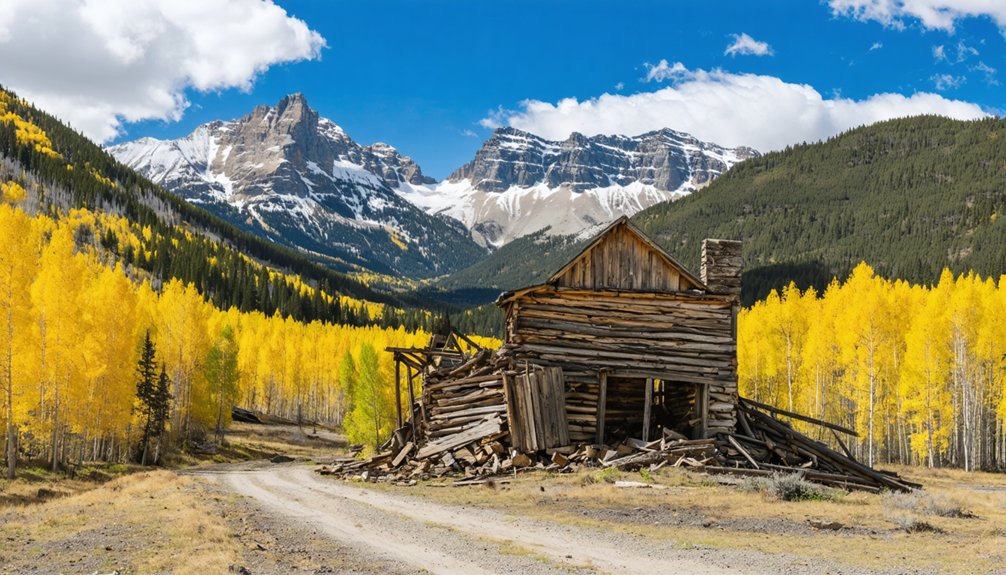
Since Alta sits just 10 miles from Telluride, you can comfortably cover both the ghost town and the lakes in a single half-day outing. Head south on CO-145, turn onto Alta Lakes Road, and drive roughly four miles to the historic townsite.
Spend time exploring the surviving cabins and the 1939 boardinghouse, structures that echo Alta’s mining era spanning 1877 through the late 1940s.
From there, continue up the road to Alta Lakes, where scenic viewpoints open across rugged alpine peaks. You’ll likely encounter local wildlife along the trail edges, so move quietly and stay alert.
Camping is dispersed and free on National Forest land, but even a few hours here rewards you with photography, solitude, and genuine mountain freedom.
What Should You Bring for Alta’s Elevation and Conditions?
Reaching 11,800 feet, Alta demands respect for its alpine conditions even during summer months. Weather shifts fast here, and you’ll want to be ready before you leave the truck.
Pack these three essentials:
- Layered clothing — morning temperatures bite hard, even when wildflower blooms carpet the meadows below the peaks.
- Sturdy hiking boots — the terrain around the townsite and Alta Lakes is uneven, rocky, and occasionally muddy after afternoon storms.
- Binoculars — wildlife spotting opportunities are real here; marmots, elk, and raptors frequent the high country.
Carry more water than you think you need, since altitude dehydrates you faster.
Sun exposure intensifies above treeline, so bring sunscreen and a hat.
Prepare well, and Alta rewards you completely.
How Do You Visit Alta Without Damaging What’s Left?
Gearing up right keeps you comfortable on the mountain, but it’s only half the equation—what you do once you arrive shapes whether Alta survives another generation of visitors.
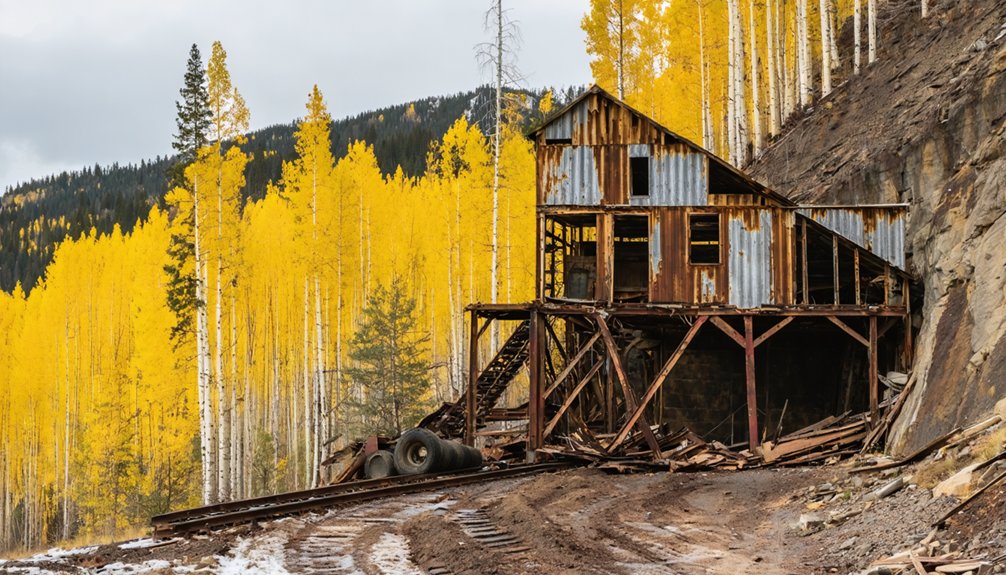
These structures have weathered decades of harsh alpine winters, but foot traffic and careless handling accelerate their deterioration fast. Stay out of unstable buildings, don’t remove artifacts, and resist the urge to carve your name anywhere.
Walk established paths through wildflower blooms rather than trampling vegetation that took years to establish at 11,800 feet. Keep noise down—birdwatching opportunities here reward patience, and wildlife doesn’t need the disruption.
Pack out everything you bring in. Alta’s listing on the National Register of Historic Places reflects its irreplaceable value. Treat it accordingly, and it’ll remain worth visiting for everyone who follows you.
Frequently Asked Questions
Is There Cell Phone Service Available Near Alta Ghost Town?
Don’t count on reliable cell service near Alta’s remote wilderness. Cell service limitations are real at 11,800 feet—remote connectivity’s nearly nonexistent. Embrace the freedom, disconnect fully, and let Alta’s rugged, historic isolation transport you back to 1877.
Are Pets Allowed at the Alta Ghost Town and Alta Lakes?
Totally rad news — you can bring your pets! Keep them leashed for pet safety, as wildlife encounters with mountain critters are real. Alta’s vast, free-roaming National Forest land welcomes your furry trail companions.
Can You Enter Any of the Remaining Historic Buildings at Alta?
You shouldn’t enter Alta’s historic structures. Historic preservation depends on your respect for building accessibility limits — these deteriorating cabins, the 1939 boardinghouse, and surviving outbuildings are fragile. Admire them from outside; they’re yours to protect, not disturb.
Is There a Restroom or Toilet Facility Available for Visitors at Alta?
Don’t expect modern restroom facilities or visitor amenities — Alta’s a raw ghost town. One surviving outhouse building stands as your only option, echoing the miners’ rugged, self-reliant life. You’re free here, but come prepared.
Are There Any Guided Tours Offered at Alta Ghost Town?
No formal guided tours exist at Alta, but you’ll embrace true freedom through independent guided exploration of its historically preserved cabins and boardinghouse, where the town’s rich 1877–1940s mining legacy powerfully speaks for itself.
References
- https://www.colorado.com/articles/colorado-ghost-towns
- https://www.uncovercolorado.com/ghost-towns/alta/
- https://www.clarabush.com/ghost-towns-colorado-alta/
- https://www.youtube.com/watch?v=8sKqi1ku6N8
- https://outboundfolk.com/colorado/alta-ghost-town-in-colorado/
- https://evendo.com/locations/colorado/telluride/attraction/alta-colorado-ghost-town
- https://www.theoutbound.com/colorado/photography/explore-alta-ghost-town
- https://2gypsiesinthewind.com/northamerica/united-states/colorado/colorado-usa-alta-lakes-and-ghost-town-and-scenic-san-juan-skyway-driving/