Planning a ghost town road trip to Bayhorse, Idaho means heading to a real silver mining relic that peaked at 300 residents in the 1870s and went completely quiet by 1958. You’ll drive Highway 75 near Challis, cross a historic truss bridge over the Salmon River, and follow four miles of hard-packed dirt road straight into history. Pack water, a spare tire, and your camera. Everything you need to make the most of this unforgettable trip is just ahead.
Key Takeaways
- Bayhorse, Idaho, is a historic silver mining ghost town founded in 1877, featuring preserved buildings, charcoal ovens, and mining artifacts.
- Travel Highway 75 from Challis, heading 16 miles south, then turn onto a gravel road and cross the Salmon River bridge.
- The site is open daily from 9:00 AM to 5:00 PM, with a $7 per vehicle fee paid via drop box.
- Pack water, a spare tire, sunscreen, and a paper map, as cell service is limited and roads can be rough.
- Plan 30 to 45 minutes on-site, camp nearby at Bayhorse Campground, and stop at Sunbeam Hot Springs along Highway 75.
What Makes Bayhorse Idaho Worth the Drive?
Why make the trek out to a forgotten silver mining town in the middle of Idaho? Because Bayhorse delivers something most roadside stops can’t — raw, unfiltered history sitting exactly where it fell.
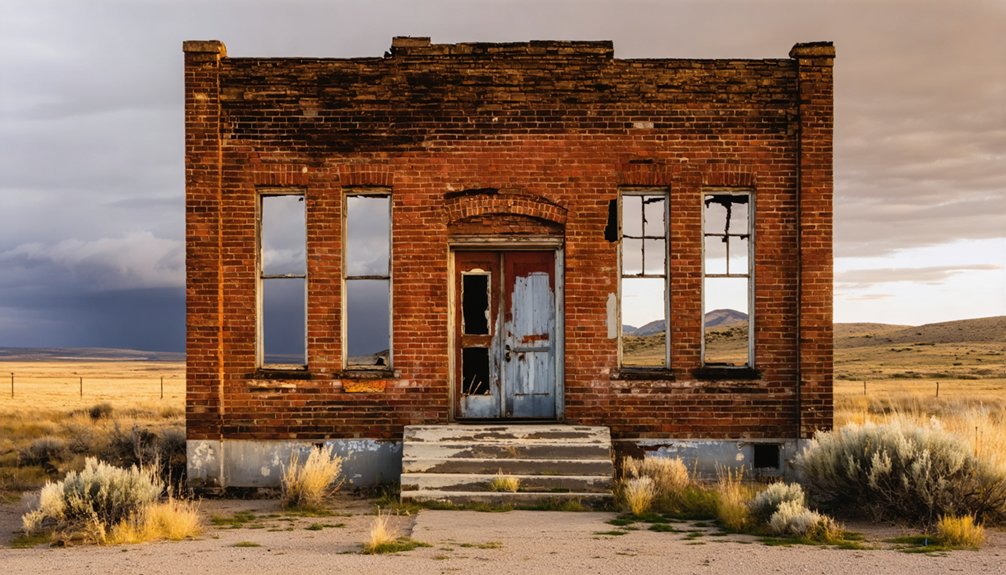
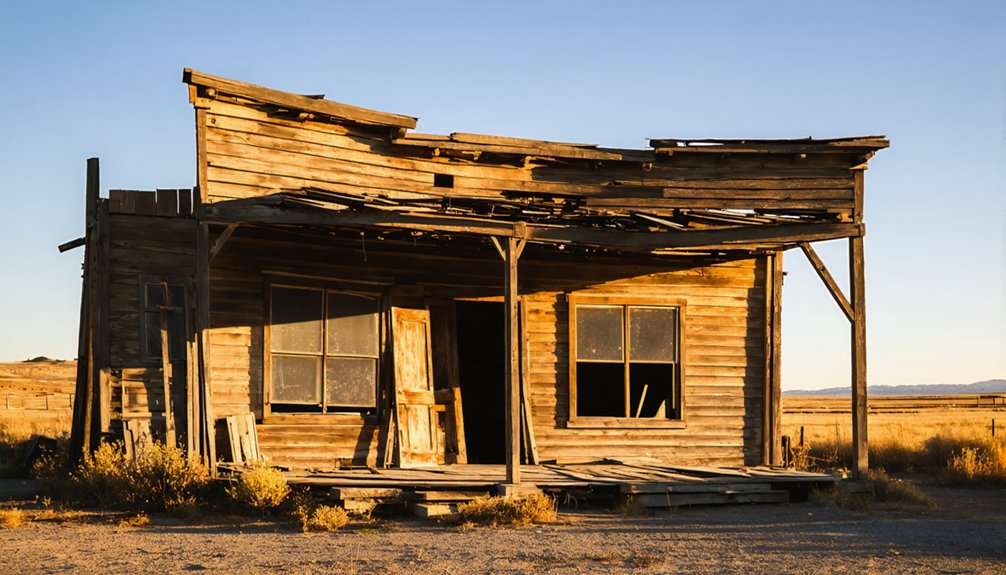
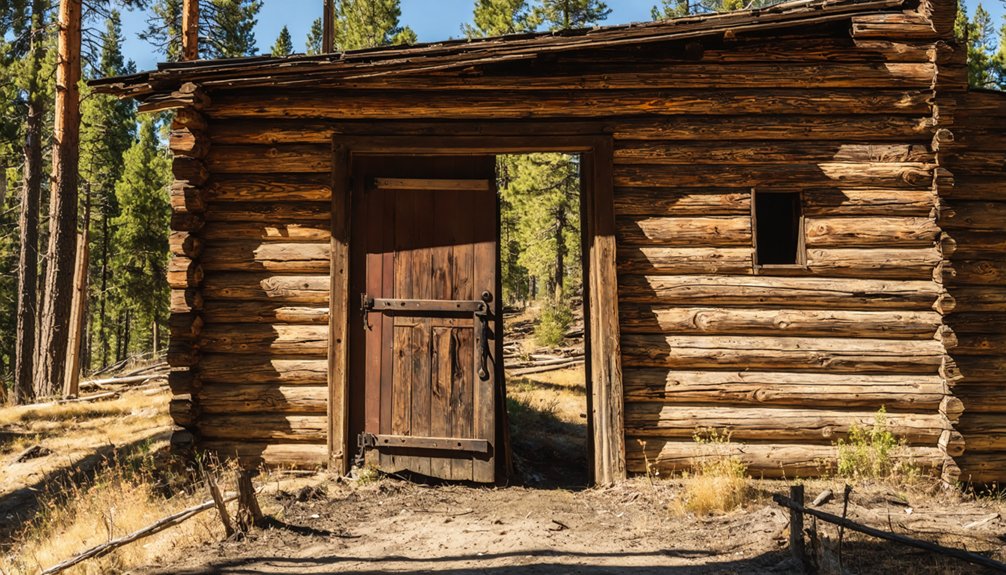
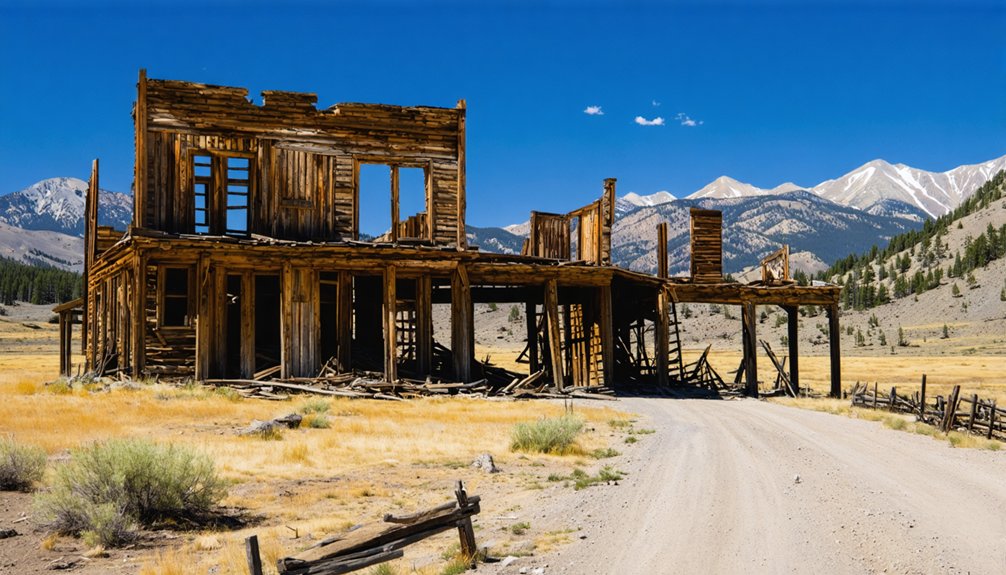
You’ll walk past well-preserved buildings, ghost town curiosities, and standing charcoal ovens that once fueled a thriving smelter operation. Mining artifacts scattered across the site tell the story of a community that boomed, busted, and quietly disappeared by 1958.
Idaho State Parks maintains the grounds without over-sanitizing the experience, so what you see feels genuinely untouched.
Add surrounding trails for hiking, biking, and ATV riding, and Bayhorse becomes more than a quick photo stop — it’s a full afternoon of exploration on your own terms, deep in the Salmon River country.
The Silver Mining History That Built and Abandoned Bayhorse
When you walk through Bayhorse, you’re stepping into a story that began in 1877, when silver prospectors flooded Custer County and built a thriving community from the ground up.
At its peak, the town supported around 300 residents, with charcoal ovens firing up smelters and miners pulling significant quantities of silver and gold from the surrounding hills.
But by the 1890s, the ore dried up, the people left, and Bayhorse fell silent — a process that stretched until 1958, when the last resident finally walked away.
Silver Mining Origins
Silver brought Bayhorse to life. In 1877, prospectors pushed into the rugged terrain of Custer County, Idaho, chasing rich silver deposits buried beneath the mountains. The town grew fast, drawing miners, merchants, and families until the population hit roughly 300 residents at its peak.
The silver mining techniques used here shaped every structure you’ll still see standing today. Workers extracted ore, processed it through smelters, and fired charcoal ovens that remain on-site as striking historical artifacts of that industrial era. The landscape still carries the weight of that ambition.
But the boom didn’t last. By the 1890s, silver production collapsed, and residents drifted away one by one. What they left behind tells a story worth the drive to witness firsthand.
Boom To Abandonment
Bayhorse didn’t collapse overnight — it bled out slowly over decades. During the mining boom of the late 1870s and 1880s, the town swelled to nearly 300 residents, all chasing silver pulled from the surrounding mountains. It felt unstoppable. Mills hummed, smelters burned charcoal day and night, and money moved fast through the valley.
Then the silver thinned out. By the 1890s, the ore wasn’t worth chasing anymore, and people quietly packed up and left. The exodus wasn’t dramatic — it was just finished.
The last resident walked away in 1958, and Bayhorse became official: a ghost town frozen in the high desert of Custer County. What you’ll find today are the bones of that ambition, still standing, still worth seeing.
How to Get to Bayhorse From Challis and Stanley
Getting to Bayhorse requires just a few key turns, and the route itself is part of the adventure.
Whether you’re coming from Challis or Stanley, you’ll travel Highway 75, one of Idaho’s most rewarding stretches of road packed with scenic views and historical landmarks.
From Challis, head roughly 16 miles south on Highway 75.
Near Sunbeam, turn left onto the gravel road and cross the Salmon River truss bridge — watch the weight limits.
From there, you’ll navigate about four miles of hard-pack dirt before reaching the town site.
From Stanley, simply travel Highway 75 north toward Sunbeam and follow the same turn.
No jeep required, but a vehicle with solid tires handles the dirt road best.
Budget extra time to soak in the drive.
What to Expect on the Dirt Road Into Town
Once you cross the Salmon River truss bridge, pay close attention to posted weight limits and take it slow.
The four-mile hard pack dirt road beyond the bridge demands careful navigation, with uneven surfaces that can catch drivers off guard.
You don’t need a Jeep to make it through, but a vehicle with solid off-road tires and four-wheel drive will make the ride noticeably smoother and safer.
Navigating The Truss Bridge
Before you reach the ghost town itself, the journey in sets the tone for the whole adventure.
Crossing the old Salmon River truss bridge is one moment you won’t forget. It’s sturdy but demands respect — truss bridge safety starts with slowing down and checking posted weight limits before you roll across.
Follow these driving tips to cross confidently:
- Reduce your speed well before approaching the bridge
- Check posted weight limit signs and confirm your vehicle qualifies
- Cross one vehicle at a time — no passing on the structure
Once you’re across, four miles of hard-packed dirt road lead you straight into history.
Stay alert, keep your speed controlled, and let the landscape pull you deeper into Idaho’s wild interior.
Hard Pack Road Conditions
After crossing the truss bridge, you’ll trade pavement for four miles of hard-packed dirt road that winds its way directly into Bayhorse.
Don’t let the unpaved surface intimidate you — you don’t need a Jeep or serious off-road rig to make it through. Most standard vehicles handle it comfortably when driven with care.
Road safety matters here, so keep your speed steady and stay alert for loose gravel patches, especially after recent rain.
For navigation tips, stick to the main track and avoid veering onto unmarked side paths that lead nowhere useful. The road narrows in spots, so yield to oncoming traffic when necessary.
Give yourself extra time for this stretch — rushing it defeats the purpose of embracing the raw, unhurried spirit of the journey itself.
Four-Wheel Drive Recommendations
Most standard vehicles handle the dirt road into Bayhorse without issue, so you don’t need a four-wheel drive truck or a rugged off-road setup to make the trip.
That said, smart vehicle preparation makes the journey smoother and stress-free.
Keep these four wheel drive tips in mind before heading out:
- Check your tire pressure and tread depth before leaving pavement.
- Drive at a controlled speed across the old truss bridge, respecting posted weight limits.
- Watch for loose gravel patches on the final four-mile stretch near the river crossing.
If you’re pulling a trailer or driving a low-clearance sedan, reconsider your vehicle choice.
The road rewards drivers who come prepared, giving you the freedom to focus on the adventure ahead.
What Vehicle and Gear to Bring for the Drive
Getting to Bayhorse doesn’t demand a rugged off-road beast, but you’ll want a vehicle with decent ground clearance and reliable tires before tackling that nine-mile dirt road.
SUVs, trucks, and crossovers handle the terrain comfortably, making them smart vehicle types for this adventure. Standard sedans risk scraping bottom on rougher sections, so leave yours at home.
Pack essential gear that gives you confidence and freedom on remote roads. Bring extra water, a basic tool kit, a spare tire in good condition, and a paper map since cell service disappears fast out here.
Bring extra water, a spare tire, and a paper map — cell service vanishes quickly on remote roads.
Sunscreen and sturdy walking shoes matter once you arrive. The hard-pack stretch crossing the Salmon River truss bridge demands attentiveness, so stay alert and respect posted weight limits throughout your approach.
Bayhorse Ghost Town Hours, Entry Cost, and On-Site Rules
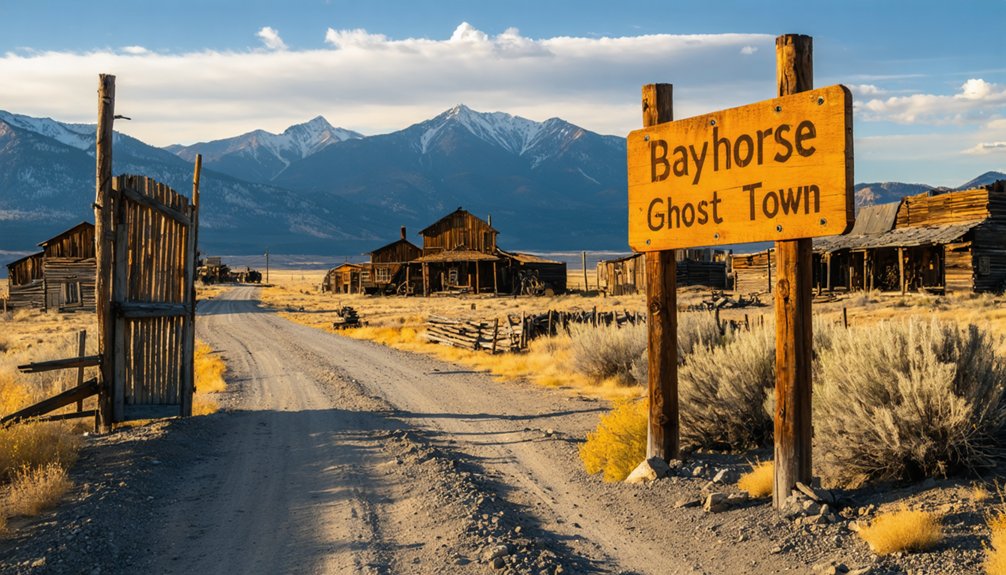
Bayhorse operates daily from 9:00 AM to 5:00 PM, and you’ll want to plan your arrival accordingly since the gate closes promptly at five.
Entry costs $7 per vehicle, paid via an on-site drop box — no ranger booth, no hassle. The visitor guidelines are straightforward, giving you genuine freedom to explore while respecting the preserved site.
Here are the core entry rules to remember:
- You can walk the main roads freely but can’t enter any buildings.
- Park rangers are on-site to answer questions and guarantee safety.
- Bathrooms and a designated parking lot are available for your convenience.
Stick to these simple guidelines, and you’ll have an unhurried, rewarding experience wandering through one of Idaho’s most authentically preserved ghost towns.
What You Can See and Do at the Bayhorse Site
Once you’ve paid your $7 and parked, the real reward begins. You’re free to walk the main roads and soak in the atmosphere of a town frozen in time.
Exploring history here means reading the landscape itself — weathered structures, rusted remnants, and the remarkable charcoal ovens that once fueled the smelter still standing strong against the Idaho skyline.
You can’t enter the buildings, but that restriction barely limits your experience. Photography opportunities are everywhere, with aged wood, mountain backdrops, and dramatic textures rewarding every angle.
Rangers are on-site if you have questions.
Beyond the town, nearby trails invite you to hike, bike, or ride ATVs through open terrain.
Plan roughly 30 to 45 minutes on-site, then decide whether the surrounding wilderness pulls you deeper in.
Where to Camp Near Bayhorse Idaho
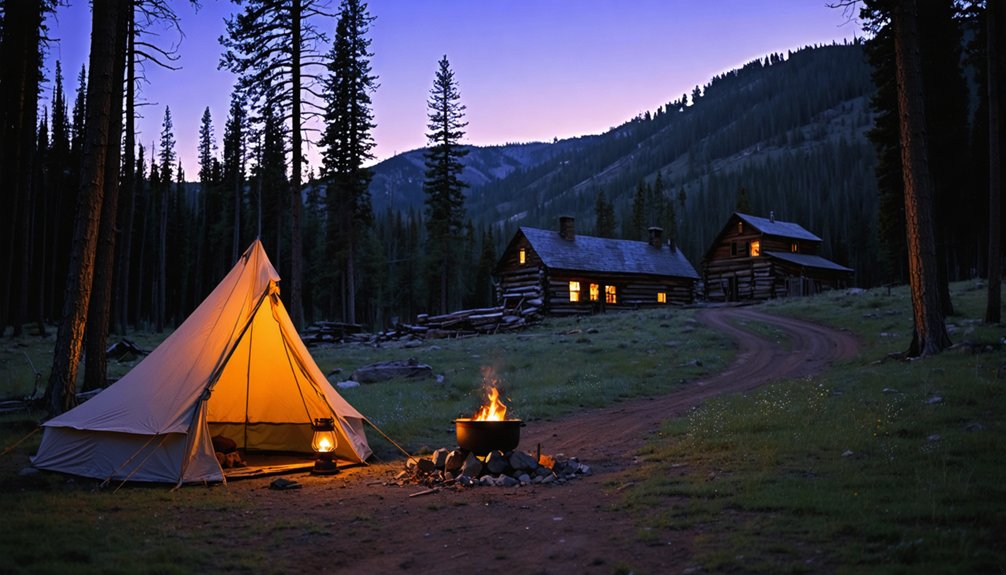
If you’re planning to spend more than an afternoon at Bayhorse, two campgrounds put you within easy reach of the site.
Bayhorse Campground and Little Bayhorse Lake Campground both deliver solid bases for exploring the area on your own terms.
Here are three quick camping tips to maximize your stay:
- Arrive before dark since the town gate closes at 5:00 PM sharp.
- Check campground amenities in advance, as remote sites offer limited facilities.
- Pack extra supplies since Challis, 16 miles away, is your nearest resupply point.
Staying overnight lets you hit Bayhorse at opening time and tackle the surrounding hiking, biking, and ATV trails without rushing.
You’re out here for freedom, so take full advantage of it.
Nearby Stops Worth Adding to Your Bayhorse Trip
While you’re making the drive along Highway 75 between Challis and Stanley, you’d be shortchanging yourself by not building in a few extra stops.
The Salmon River corridor offers stunning canyon scenery perfect for ghost town photography backdrops beyond Bayhorse itself. Sunbeam Hot Springs sits right along the highway, giving you a free natural soak before or after your visit.
Stanley serves as an excellent base with restaurants, fuel, and jaw-dropping Sawtooth Mountain views. Keep your eyes open for local wildlife throughout the corridor — elk, deer, and eagles frequently appear along this stretch.
The Yankee Fork area near Custer, another ghost town, adds historical depth to your road trip without significant detour. This entire region rewards explorers who slow down and look around.
Frequently Asked Questions
Can Visitors Bring Pets to the Bayhorse Ghost Town Site?
Like a loyal shadow, your pet’s welcome status at Bayhorse isn’t confirmed in available ghost town amenities details. You’ll want to contact Idaho State Parks directly to clarify their pet policies before heading out.
Is the $7 Entry Fee Charged per Person or per Vehicle?
You’ll pay the $7 entry fee per vehicle, not per person, making vehicle access incredibly budget-friendly! Simply drop your payment in the on-site box, and your entire group explores these entry fee details together.
Are Park Rangers Available Every Day or Only on Weekends?
You’ll find park rangers available every day during operating hours, not just weekends! They’re on-site to enhance your ghost town history experience, with ranger availability ensuring you’ve got expert guidance for your freedom-filled Bayhorse adventure.
Does the Drop Box Accept Credit Cards or Only Cash?
The knowledge doesn’t specify drop box security payment options, so you’ll want to call ahead to confirm. However, bringing cash is always a smart, freedom-friendly move when you’re exploring remote ghost towns like Bayhorse!
Are There Cell Phone Signal or Wi-Fi Options Near Bayhorse?
Like stepping into 1877 itself, you’ll find no cell coverage or internet access at Bayhorse — the remote 9-mile dirt road strips away modern connectivity, freeing you completely from the digital world.
References
- https://www.tripadvisor.com/Attraction_Review-g35409-d7334275-Reviews-Bayhorse_Ghost_Town_and_Trails_System-Challis_Idaho.html
- https://www.youtube.com/watch?v=zoHnaJarvt8
- https://idaho.for91days.com/the-ghost-town-of-bayhorse/
- https://talesfromthebackroad.com/bayhorse-ghost-town-idaho/
- https://www.youtube.com/watch?v=Xip3R2ekvgM
- https://visitidaho.org/things-to-do/ghost-towns-mining-history/bayhorse-ghost-town-trails-system/
- https://americafromtheroad.com/ghost-towns-in-idaho/
- https://www.youtube.com/watch?v=c-ao9HFGl2A
- https://downtheroadwithsteveanddebbie.blogspot.com/2018/09/bayhorse-ghost-town-idaho.html
- https://butfirstgiftshop.com/bayhorse-idaho-ghost-town-idaho-essential-guide-what-to-see-and-do/