You’ll find Carthage crumbling three miles north of Olancha on US-395—a four-hour drive from Los Angeles through the windswept Owens Valley. This silver-mining ghost town produced $1.6 million in ore before the 1893 collapse left over 400 abandoned homes, adobe walls, and rusted equipment scattered across the desert. Visit during winter’s mild 70°F days, pack a gallon of water per person, sturdy boots, and offline GPS maps for exploring hazardous shafts and toxic tailings. The complete story of Carthage’s boom-and-bust cycle awaits below.
Key Takeaways
- Carthage sits 3 miles north of Olancha off US-395, requiring a 4-hour, 220-mile drive from Los Angeles through Owens Valley.
- Visit December through February for mild 70°F weather and smaller crowds; arrive before 12:30 PM for optimal exploration conditions.
- Bring sturdy footwear, wide-brimmed hat, high-SPF sunscreen, and 1 gallon of water per person to combat desert conditions.
- Navigate crumbling adobe walls, hazardous vertical shafts, and over 400 abandoned homes carefully due to toxic tailings and unstable structures.
- Extend your trip to nearby ghost towns including Ballarat, Keane Springs, Ibex Springs, and Greenwater District for additional exploration.
Getting to Carthage: Routes and Travel Tips

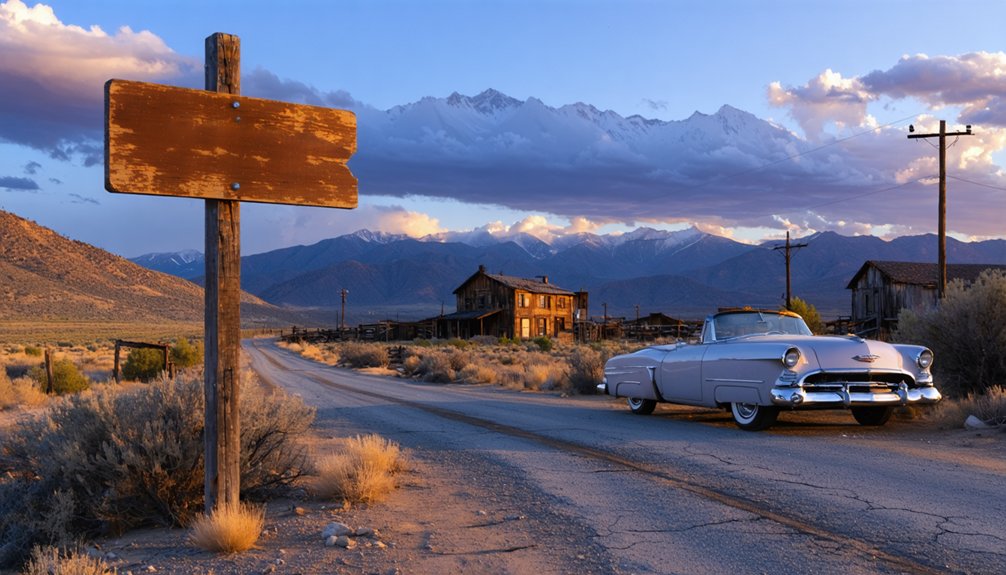
Nestled along the desolate western shore of Owens Lake, Carthage (officially known as Cartago) sits at coordinates 36°18′44″N 118°01′34″W, a windswept speck in California’s vast Inyo County. You’ll find this forgotten census-designated place three miles north-northwest of Olancha via US-395, the legendary Eastern Sierra highway that cuts through America’s loneliest valleys.
From Los Angeles, it’s a 220-mile, four-hour pilgrimage northward through Owens Valley. Lone Pine sits just 20 miles north—a quick 25-minute drive. Come prepared: this remote high-desert terrain demands full fuel tanks and water reserves.
Wind-driven dust storms sweep across the dry lakebed without warning. Visitor parking options remain informal along dusty roadside pullouts. Keep your eyes sharp for local wildlife observations—coyotes, kit foxes, and golden eagles thrive in this harsh, beautiful emptiness.
The Mining History That Built and Abandoned Carthage
You’ll find Cartago’s story mirrors countless Western boomtowns—silver built it overnight, then left it to crumble just as fast. When John Baptiste Daneri established his landing in 1872, silver-lead ingots from Cerro Gordo’s mines transformed this lakeside outpost into a pivotal shipping hub, with steamers like the Bessie Brady ferrying fortunes across Owens Lake to waiting mule teams.
Silver Rush Boom Era
When prospectors Waterman and Porter struck rich silver veins in the Silver Ridge Hills sometime after 1880, they ignited a boom that would pull $1.6 million from the earth before the decade ended.
You’re looking at technology innovations that transformed desert wilderness—ten-stamp mills powered by Mojave River water, steam hoists hauling ore downhill while crews carted water uphill, and riverbank trees fueling the entire operation.
By 1885, the California Southern Railroad reached Waterman Junction, connecting mines to markets and solving labor issues that plagued remote operations.
This wasn’t some flash-in-the-pan gold rush. Hardrock silver mining meant decades of extraction, not months. Nearby Calico exploded with over sixty mines producing $20 million in silver, proving the Silver Rush offered something rare: sustained opportunity.
Economic Collapse and Exodus
The Sherman Silver Purchase Act’s 1893 repeal gutted Carthage overnight. You’ll find parallels to California’s modern economic collapses when examining what destroyed this mining camp. When federal policy shifted, silver prices crashed, triggering immediate population decline as miners abandoned their claims within weeks.
The exodus unfolded through predictable stages:
- Mines shuttered as operating costs exceeded silver’s plummeted value
- Merchants fled when their customer base evaporated
- Saloons and boardinghouses closed their doors permanently
- Infrastructure decay accelerated once maintenance ceased entirely
Today’s crumbling foundations mirror larger California patterns—government intervention creating boom-bust cycles that devastate communities. You’re walking through economic wreckage caused by distant bureaucrats, where buildings collapsed after their purpose vanished, leaving only weathered remnants of broken promises.
What Remains: Structures and Ruins to Explore
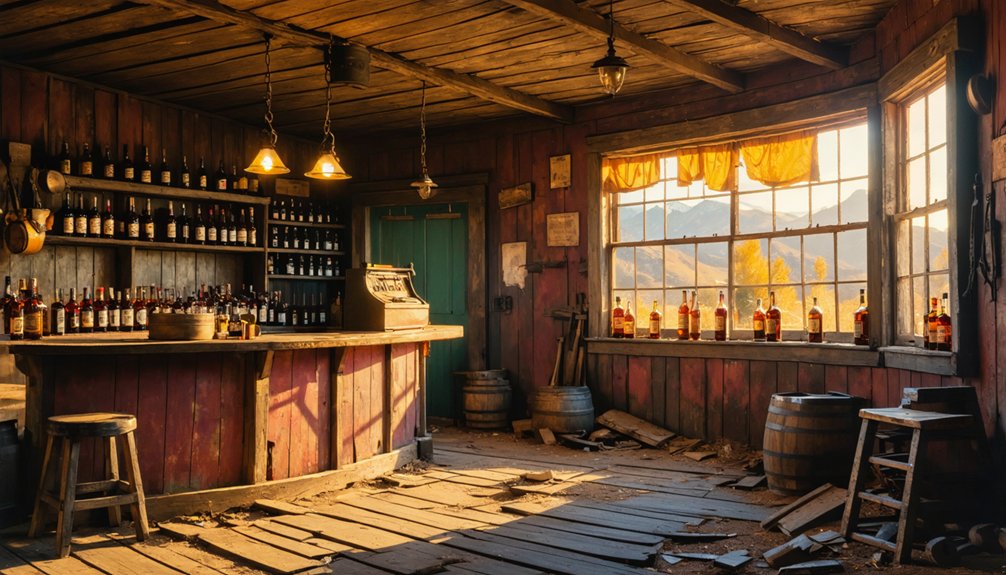
You’ll find Cartago’s skeletal remains scattered across the desert floor—crumbling foundations where miners once slept, and rusted equipment that hauled precious ore from the earth.
The evening light transforms weathered adobe walls and concrete remnants into golden monuments, their shadows stretching long across the sagebrush.
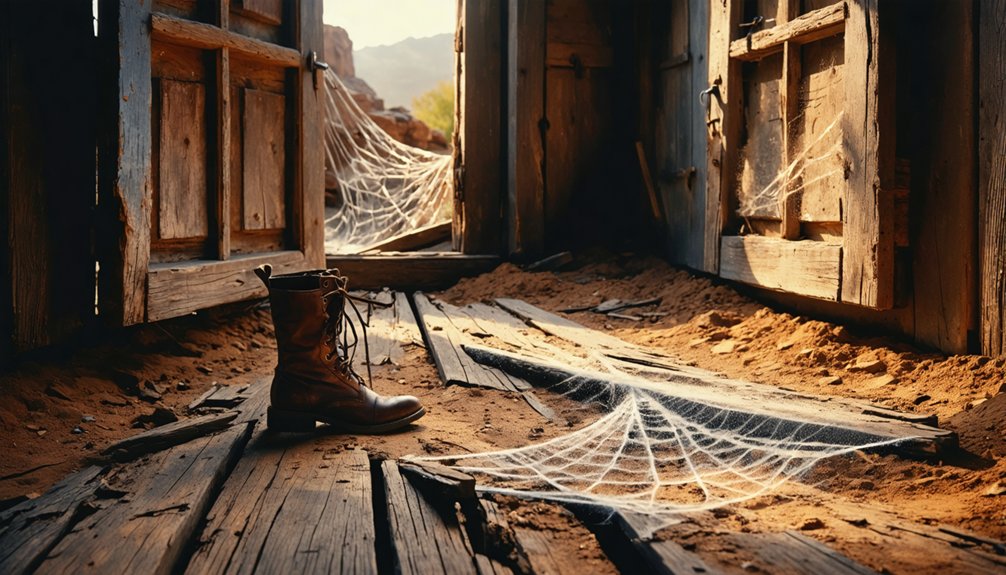
Walk carefully through derelict residential sites where floors have collapsed into basements, exposing layers of wallpaper and personal artifacts that hint at the families who called this harsh landscape home.
Historic Mining Infrastructure Remnants
Scattered across Carthage’s sun-bleached landscape, hundreds of mining relics stand as weathered monuments to California’s extractive past. You’ll discover authentic infrastructure that modern regulations would never permit, offering unfiltered glimpses into frontier industry.
Key remnants you can explore:
- Vertical shafts plunging 240+ feet deep, some revealing flooded tunnels below
- Concrete foundations from ore crushers and cyanide extraction vats
- Historic headframe preservation structures towering over abandoned pits
- Mining tailings disposal sites spanning acres, their toxic legacy still visible
The concrete vats, deteriorating headframes, and miles of waste piles require careful navigation. You’re free to photograph these industrial artifacts, but hazardous openings and unstable ground demand respect. These aren’t sanitized museums—they’re raw, unrestored chronicles to California’s wild mining era.
Abandoned Residential Building Foundations
Before the 1983 evacuation, over 400 single-story homes housed nearly 4,000 residents along tree-lined streets that stretched across Eagle Mountain’s company town. Today, you’ll find those same houses standing empty—stripped of furniture, filled with dust, their identical layouts now blueprints of decay.
Concrete foundations and cracked slabs mark where families once lived, while rusted exteriors frame the desert sky.
Structural stability concerns make interior exploration risky; many buildings are partially demolished or near collapse. Yet the sheer scale reveals adaptive reuse potential—these weren’t temporary shelters but permanent residences designed for mine workers and their families.
Dormitories supplemented the housing stock, creating a complete community infrastructure. Now owned privately, these 400 explorable ruins stand frozen between industrial past and uncertain future.
Best Times to Visit This Desert Ghost Town
Planning your visit to this Mojave Desert ghost town means weighing comfort against crowds, and winter emerges as the clear winner. December through February brings mild 70°F days and smaller crowds, especially before 12:30 PM. You’ll explore remnants of historical mining operations without battling extreme heat or masses of tourists.
Winter visits deliver the perfect formula: comfortable temperatures, fewer crowds, and full access to Calico’s mining history.
Optimal visiting windows include:
- February – Civil War re-enactments enliven the town while pleasant weather makes exploring comfortable
- First week of October – Calico Days Festival celebrates mining heritage with burro races and miner’s triathlons
- Early mornings year-round – Beat the crowds arriving before noon
- Saturday nights – Ghost Tours at 6:00 PM and 7:30 PM (book ahead—they sell out fast)
Seasonal weather variations demand preparation. Spring brings unpredictable cold gusts, while summer’s brutal heat limits exploration. The park operates 9 AM to 5 PM daily except Christmas.
Essential Gear and Supplies for Your Visit
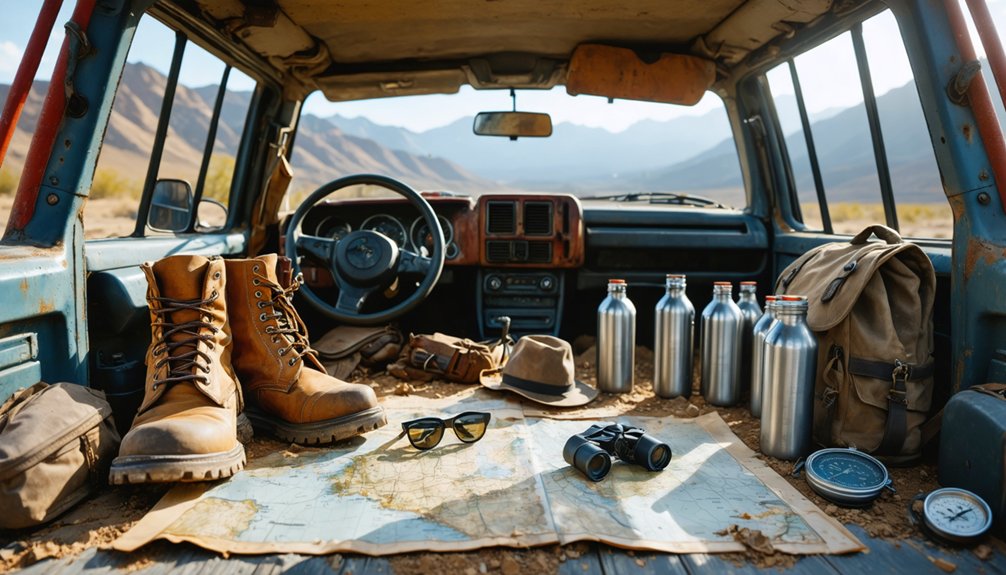
Surviving the Mojave Desert’s unforgiving conditions requires more than enthusiasm—you’ll need the right equipment to transform this ghost town adventure from miserable to memorable. Your general packing lists should include sturdy closed-toe shoes for rocky trails, wide-brimmed hats, and high-SPF sunscreen reapplied every two hours. Pack at least one gallon of water per person daily—dehydration hits fast here.
Layer breathable long-sleeves over tank tops since temperatures plummet after sunset. For suggested day trip activities like exploring Maggie Mine or photographing the Bottle House, bring offline GPS maps (cell service vanishes), headlamps for dark tunnels, and a fully charged power bank. Don’t forget cash for attraction fees, dust masks for windstorms, and your camera to capture these weathered relics of California’s wild mining past.
Nearby Attractions and Other Ghost Towns to Explore
While Carthage offers haunting remnants of California’s mining heritage, the surrounding desert landscape conceals dozens of equally alluring ghost towns within a two-hour drive. These nearby ghost towns showcase remarkable regional historic significance through their preserved structures and mining legacies.
The desert’s silent witnesses stand ready to reveal their stories to those willing to venture beyond Carthage’s weathered walls.
Consider exploring these exceptional destinations:
- Ballarat – Twenty miles north features adobe ruins and weathered shacks from its 1898 gold rush peak of 500 residents, complete with former hotels and saloons
- Keane Springs – Northeast Death Valley’s 1906 settlement that supported major mining operations before decline
- Ibex Springs – Extensive site with stamp mill and smelter remains from 1880s copper, silver, and gold operations
- Greenwater District – Death Valley’s copper mining hub from 1905, combining three original townsites into one fascinating exploration
Each location offers unique discoveries for adventurous travelers.
Photography Opportunities and Landmarks
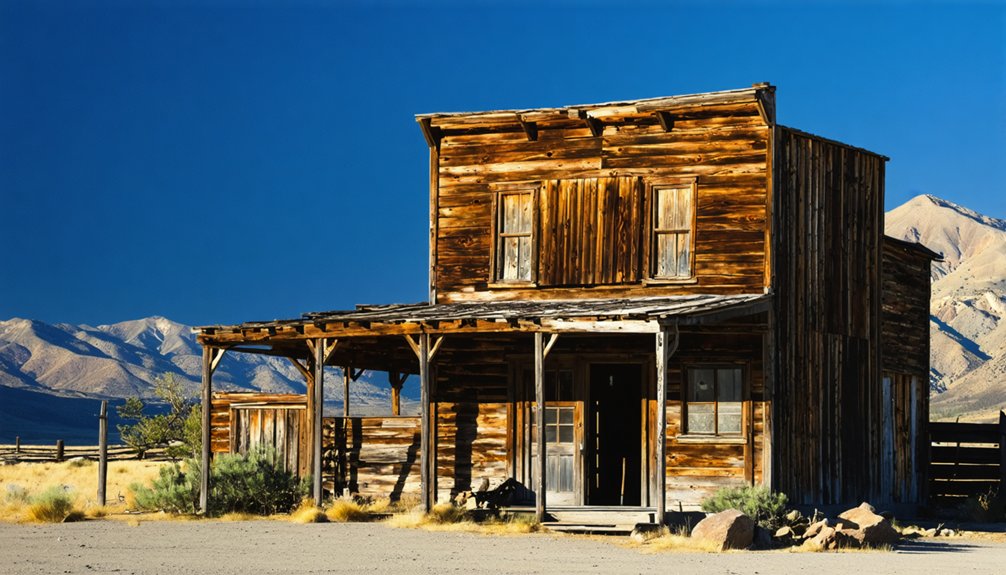
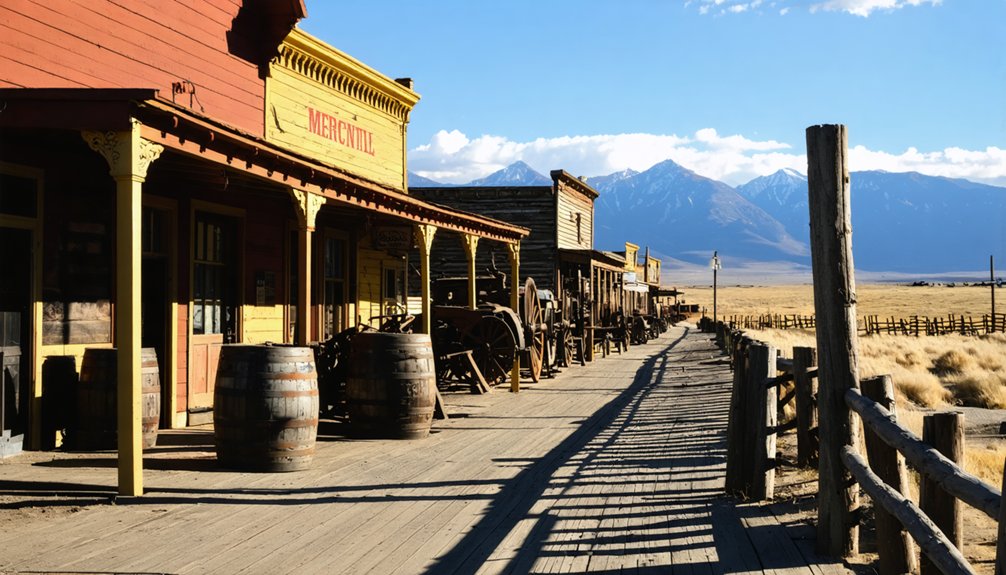
Carthage’s sun-bleached ruins and weathered structures present extraordinary photographic subjects that capture the raw essence of California’s abandoned mining frontier. You’ll find isolated decay shots along Highway 395, where environmental decay effects have transformed early 20th-century buildings into textured canvases of peeling paint and rusted metal. The remote Inyo County setting provides dramatic mountain backdrops that frame abandoned town structures in golden hour light.
Focus your lens on the Lemon House ruins, where nature’s reclamation creates compelling contrasts between human construction and desert resilience. With fewer than 100 residents remaining in the surrounding area, you’ll shoot undisturbed compositions without tourist interference. The post office closed in 1980 and railroad tracks vanished by 1999, leaving authentic deterioration that tells California’s mining decline story through visual narrative.
Safety Considerations in Remote Desert Areas
Those stunning photographs come with real risks that demand preparation before you venture into Carthage’s isolated terrain. Power grid unreliability and risks of road isolation make this area unforgiving for unprepared travelers.
Carthage’s remote beauty demands respect—inadequate preparation in this isolated desert can quickly turn adventure into emergency.
Essential safety protocols:
- Communication backup – Cell service disappears west of Owens Lake; share your itinerary with contacts and carry satellite communication devices
- Vehicle readiness – Pack spare tires, recovery gear, and tools since breakdowns strand you miles from Lone Pine’s nearest services
- Weather monitoring – Flash floods and dust storms strike suddenly; download NOAA alerts and evacuate washes immediately during rain
- Resource independence – Carry one gallon of water per person daily, emergency food, and extra fuel since Carthage’s 100 residents offer no facilities
Inyo County SAR handles desert rescues, but self-reliance determines survival here.
Where to Stay and Dining Options in the Region
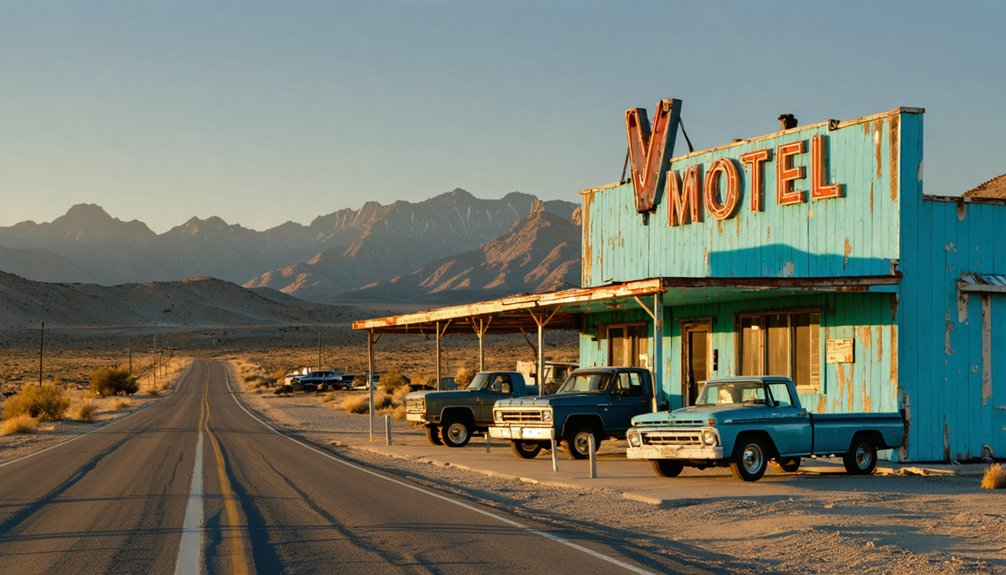
Given Carthage’s ghost town status, you won’t find lodging or restaurants within the abandoned settlement itself—accommodation planning centers on Cartago, the nearest inhabited community seven miles south along Highway 395. This small desert town offers budget-friendly to mid-range hotels with free Wi-Fi and spacious rooms, perfectly positioned between the Mojave Desert and Sierra Nevada mountains. Verified reviews guide your selection through platforms like Hotels.com and Expedia.
For those seeking more space, cabin rentals near the region provide essential cabin amenities including AC and parking—crucial after dusty explorations. The location’s proximity to lakes and trails makes it ideal for extending your ghost town visit with outdoor activities like hiking and stargazing. Pack provisions before arriving, as dining options remain limited in this remote high-desert landscape.
Frequently Asked Questions
Can I Legally Camp Overnight Within the Boundaries of Carthage Ghost Town?
No, you can’t legally camp overnight at Carthage Ghost Town due to private property concerns and historical preservation issues. You’ll need to find nearby dispersed camping on public lands or book established campgrounds that respect your freedom while protecting history.
Are There Any Guided Tours Available for Carthage Ghost Town?
No guided walking tours or private group tours operate at Carthage—you’ll explore this remote ghost town independently. That freedom means discovering crumbling structures and desert-worn relics at your own pace, creating your own adventure through California’s forgotten past.
Is Cell Phone Service Available in or Near Carthage?
You’ll be off the grid—cell phone coverage quality drops to nearly nothing in remote Carthage. Don’t count on cellular data speeds for navigation or emergencies. Download offline maps beforehand and embrace the digital detox adventure ahead.
Do I Need a Special Permit to Visit Carthage Ghost Town?
You won’t need special permits to explore Carthage’s scattered ruins. However, check local tourism information before heading out, since parking regulations and land access can vary. Always respect private property boundaries while adventuring through this remote desert ghost town.
What Wildlife Should I Watch Out for in the Carthage Area?
Watch for rattlesnakes basking on sun-warmed rocks and listen for coyotes howling at dusk. You’ll spot jackrabbits darting between sagebrush while red-tailed hawks circle overhead. Stay alert, keep your distance, and you’ll explore safely.