Cisco, Utah isn’t your typical ghost town — it’s a crumbling, artistic time capsule rising from Utah’s high desert. You’ll exit I-70 at Exit 214, but fill your tank in Moab or Green River first since fuel’s scarce out here. Bring water, download offline maps, and plan for unreliable cell service. Whether you’ve got an hour or a full afternoon, Cisco rewards curiosity. Stick around to uncover everything this strange, revived desert ruin has to offer.
Key Takeaways
- Exit Interstate 70 at Exit 214, west of the Colorado border, and fill your fuel tank beforehand in Moab or Green River.
- Cell service is unreliable in Cisco, so download offline maps and bring essential supplies including water, snacks, and sun protection.
- Plan at least an afternoon to explore abandoned railroad-era buildings, rusting vehicles, murals, and a skatepark.
- Photography during golden hour dramatically enhances the visual appeal of Cisco’s weathered structures and desert surroundings.
- Cisco sits 45 miles from Moab, making it an ideal stop on a broader Utah desert road trip.
Why Cisco, Utah Survives as a Ghost Town Worth Visiting
Most ghost towns fade into complete obscurity, but Cisco, Utah holds on — literally and figuratively.
You’ll find abandoned buildings, rusting vehicles, and decades of desert decay creating an unmistakable ghost town allure that few places can match. What makes Cisco genuinely different is its artistic revival, sparked when Eileen Muza purchased the town in 2015 and began transforming ruins into something unexpected — murals, a skatepark, and an artist residency space built from salvaged materials.
Cisco isn’t frozen in amber, and that’s exactly what keeps it interesting.
It’s part ruin, part reinvention. You’re not walking through a sanitized museum exhibit — you’re stepping into a place still figuring out what it wants to become. That tension between decay and renewal is what makes Cisco worth your time.
Getting to Cisco: What to Know Before You Leave
Getting to Cisco requires a bit of intentional planning, and that’s part of what makes the visit feel earned.
You’ll exit Interstate 70 at Exit 214 in eastern Utah, just west of the Colorado border. Road conditions are generally manageable, but you’re heading into remote desert terrain, so check conditions before you go.
A few things worth handling before you leave:
- Fuel availability is limited near Cisco, so fill your tank in Moab, Green River, or Grand Junction beforehand.
- Supplies matter — bring water, snacks, and sun protection since there’s nothing on-site.
- Cell service is unreliable, so download offline maps ahead of time.
You’re trading convenience for freedom out here, and arriving prepared means you can actually explore without distraction.
What’s Left Standing in Cisco and What It Tells You
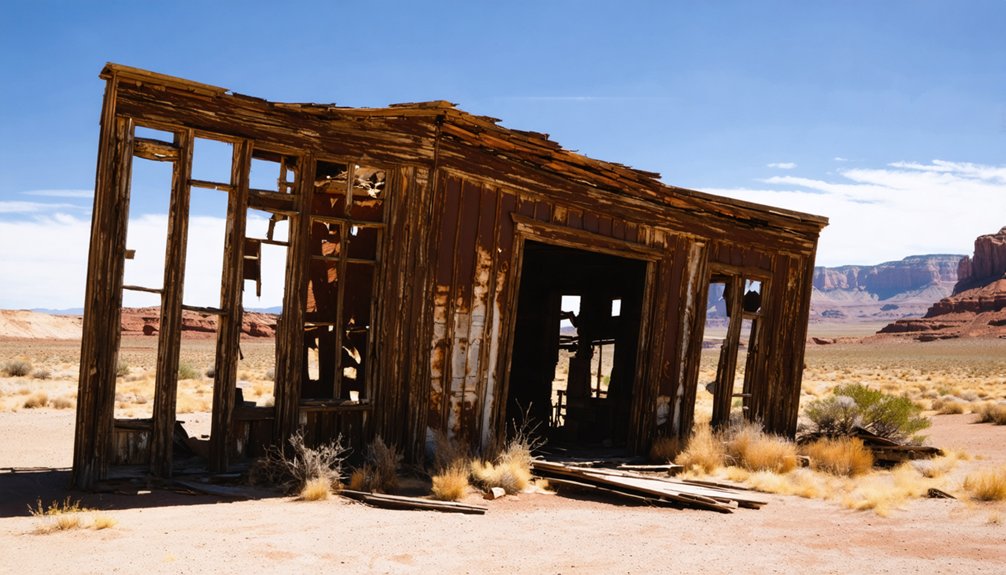
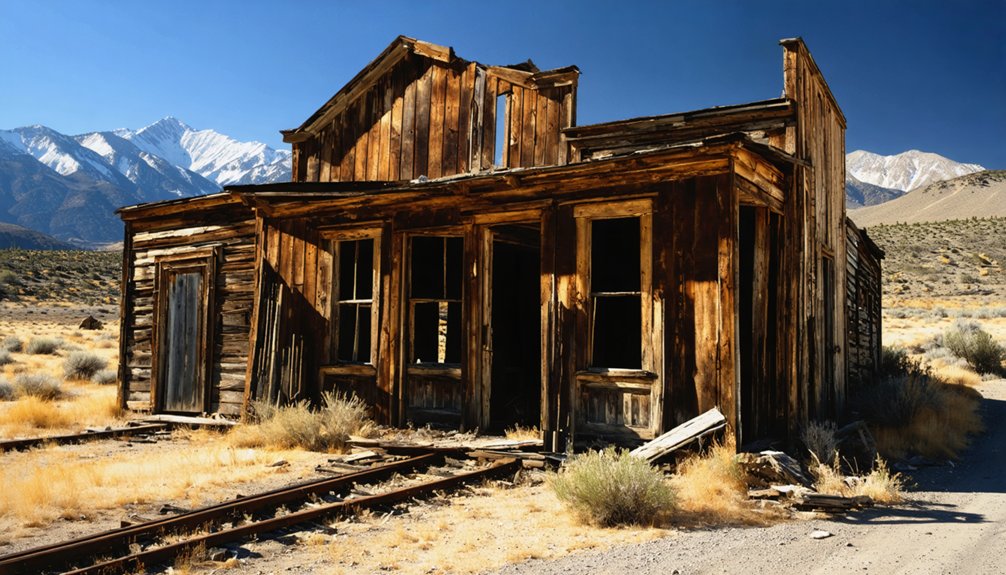
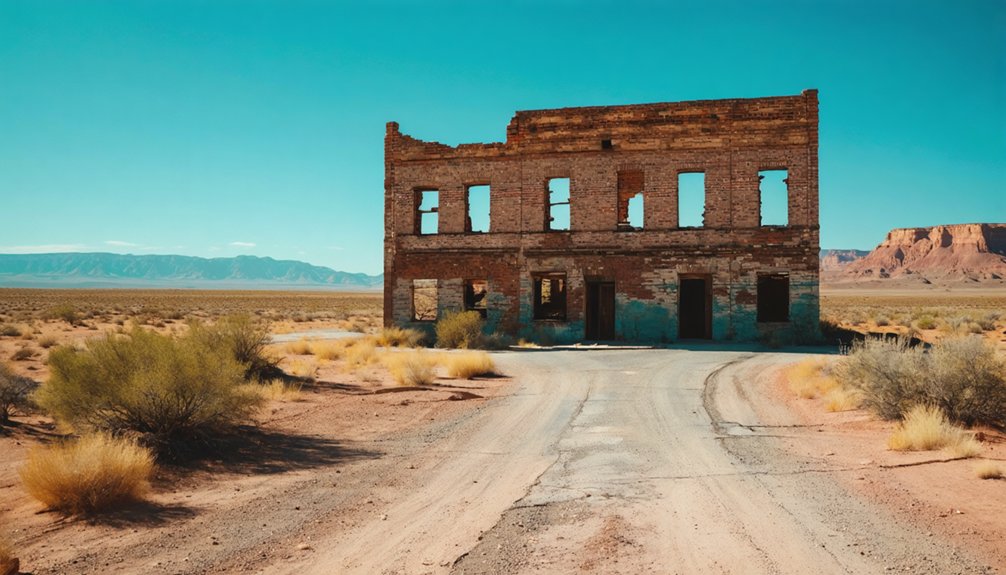
Cisco doesn’t hide what happened to it — the evidence is scattered across every lot and leaning structure you pass. Abandoned structures tell the full arc: railroad-era buildings, a weathered post office, collapsed storefronts, and rusting vehicles slowly surrendering to desert decay. Each one marks a different chapter — the water-stop years, the oil boom, the slow bleed after Interstate 70 bypassed the town entirely.
But Cisco isn’t frozen in pure ruin. Look closer and you’ll spot a mural, a skatepark, a converted shed.
Eileen Muza’s ongoing restoration project layers something unexpected over the wreckage — proof that the town still has a pulse, however faint. You’re not just walking through collapse here. You’re reading a place that refuses to disappear quietly.
How to Spend an Hour or an Afternoon in Cisco
How you spend your time in Cisco depends almost entirely on what pulls you there — ruins, photography, or just the raw curiosity of standing somewhere most people drive past without stopping.
An hour gives you enough time to walk the main stretch, absorb the decay, and leave with solid shots. An afternoon lets you slow down and dig into the historical insights embedded in every collapsed wall and rusted frame.
Make the most of your visit:
- Shoot during golden hour for photography tips that actually pay off — harsh midday light flattens everything
- Read the structures, not just photograph them; each building reflects a different economic era
- Wander the edges where oilfield debris and railroad junk tell stories the center doesn’t
Pairing Cisco With Moab, Canyonlands, and the I-70 Corridor
Once you’ve walked Cisco’s main stretch and soaked in the decay, the natural next move is getting back on the road — and where you go from here matters.
Moab connections are easy, sitting roughly 45 miles south, making it a natural anchor for Canyonlands exploration and canyon country highlights.
Head west on I-70 and you’ll find scenic routes cutting through dramatic desert terrain, with I-70 attractions including sweeping canyon views that rival better-known stops.
East takes you toward Grand Junction, useful for fuel and resupply.
Cisco sits at a crossroads that rewards flexibility — pair it with a Moab base camp, build it into a full I-70 corridor run, or treat it as a launchpad into Utah’s broader backcountry.
The choice is yours.
Frequently Asked Questions
Who Currently Owns Cisco, Utah, and When Did They Purchase It?
Like a desert bloom, Eileen Muza breathed new life into Cisco’s ghost town history when she purchased it in 2015. You’ll find her ownership shifts transformed this forgotten ruin into a thriving artistic sanctuary.
Can Visitors Stay Overnight in Cisco, Utah?
You can explore ghost town accommodations by renting a shed that Eileen Muza has restored on-site. Overnight camping isn’t formally established, but you’ll find this remote desert escape perfectly suits your free-spirited adventure.
Is There a Fee to Explore Cisco, Utah?
Freely forging forward, you’ll find no formal exploration fees for Cisco’s town accessibility. Simply drive in, wander the weathered ruins, and soak up the desert decay — but always respect any private property you encounter.
What Natural Resources Were Discovered Near Cisco in 1924?
In 1924, you’ll find that oil and natural gas were the mineral discoveries near Cisco, giving the town its historical significance as Utah’s largest producer of both resources, fueling a dramatic boom era.
How Many People Currently Live in Cisco, Utah?
You’ll find that Cisco’s population trends between one and three residents, depending on the season. Despite its historical significance as a once-thriving railroad town, you’re fundamentally stepping into a beautifully desolate, nearly abandoned desert escape.
References
- https://welovetoexplore.com/ghost-town-cisco-utah/
- https://www.legendsofamerica.com/ut-cisco/
- https://www.placesthatwere.com/2016/02/spending-night-in-abandoned-ghost-town.html
- https://www.onlyinyourstate.com/experiences/utah/cisco-ut
- https://roadtrippers.com/magazine/cisco-ghost-town-utah/
- https://southwestcontemporary.com/the-birth-death-and-resurrection-of-a-ghost-town-artist-residency/
- https://moabsunnews.com/2021/11/04/the-story-of-cisco-the-rise-fall-and-rise-again-of-a-small-utah-town/
- https://www.facebook.com/groups/americansouthwest/posts/1302774180352053/
- https://www.youtube.com/watch?v=dRu1qQFVKmc
- https://www.youtube.com/watch?v=u1ZlwjVT52U