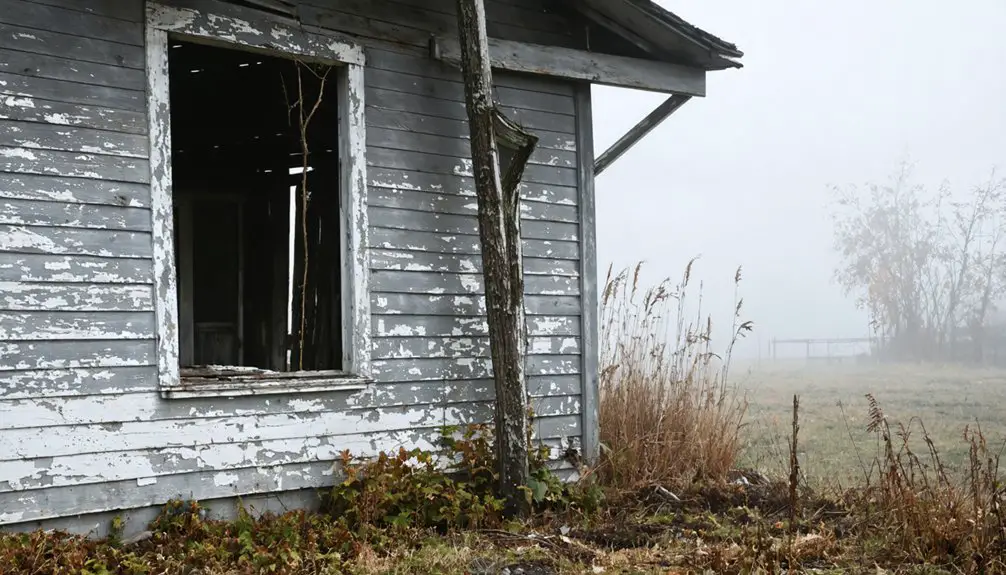
To visit Crescent, Michigan, you’ll ferry from Leland to car-free North Manitou Island, where this eerily quiet ghost town sits frozen since 1917. Once a thriving logging settlement built by European immigrants, it’s now a hauntingly beautiful stretch of wilderness within Sleeping Bear Dunes National Lakeshore. Scattered remnants, overgrown foundations, and ancient apple trees are all that remain. Pack sturdy boots, arrive early, and stay cautious — there’s far more to this abandoned town than first meets the eye.
Key Takeaways
- Crescent is a ghost town on North Manitou Island, accessible via seasonal ferry from Leland, Michigan; reservations are strongly recommended.
- The island has no cars or crowds, offering a true wilderness experience with trails leading directly to the historic townsite.
- Look for old apple trees, soil depressions, and unusual plant clusters as clues to former homesteads and structures.
- Watch for hidden hazards like overgrown wells and shafts, which can drop 25 feet, and avoid unstable buildings.
- Pair your visit with nearby ghost towns like Fayette, Singapore, and Glen Haven to enrich Michigan’s industrial history exploration.
What Makes Crescent, Michigan Worth the Trip?

Tucked away on the west shore of North Manitou Island, Crescent isn’t your typical road trip destination — it’s a ghost town you’ll actually have to earn. You’ll take a ferry from Leland, cross open water, and step onto an island that traded its logging empire for quiet wilderness.
Crescent’s legacy stretches back to the 1860s, when European settlers carved a booming mill town from the island’s forests.
By 1917, the mills went silent, and the town followed. What remains today are scattered remnants, old apple trees, and trails cutting through the former townsite.
The island mysteries draw curious travelers who crave something raw and unscripted.
Protected within Sleeping Bear Dunes National Lakeshore, Crescent rewards those bold enough to seek it out.
How to Reach North Manitou Island From Leland
Getting to Crescent means crossing water, and that journey starts in Leland, Michigan, where you’ll board a ferry bound for North Manitou Island.
Check ferry schedules in advance, as crossings run seasonally and seats fill quickly during summer months. The ride itself rewards you with sweeping views of Lake Michigan and the Leelanau Peninsula fading behind you.
Once you dock, you’re stepping into protected wilderness. The island’s trails lead you toward the former townsite, and along the way, island wildlife makes its presence known — white-tailed deer, nesting birds, and the occasional fox cross your path freely here.
No cars, no crowds, just open land and quiet history waiting ahead. That sense of unfiltered freedom begins the moment you leave the mainland behind.
The Rise and Fall of Crescent’s Logging Era
When European immigrants arrived on North Manitou Island in the 1860s, they didn’t come for scenery — they came for timber. They built Crescent from raw ambition, using logging techniques that stripped the island’s forests with relentless efficiency.
The industrial impact transformed a wilderness into a working town, complete with mills, workers, and purpose.
For decades, Crescent thrived. Then 1917 arrived, the mills shut down, and everything stopped. Workers left almost immediately, taking their livelihoods with them and leaving buildings to the elements.
No gradual decline softened the blow — the town simply ended.
What you’ll find today are echoes of that era: trails cutting through former worksites, a handful of preserved structures, and a landscape still quietly recovering from the forces that once defined it.
What’s Left to See at the Crescent Ghost Town Site?
When you make your way to the former townsite, you’ll find that very little of Crescent’s once-bustling community remains standing, as most structures were torn down in the decades following the 1917 mill closures.
A network of trails cuts through the island, guiding you directly to the historic site where park rangers preserve the few artifacts and buildings that survived.
Keep your eyes open as you walk — remnants like old apple trees planted by early settlers offer quiet but compelling glimpses into the lives of those who once called this ghost town home.
Remaining Structures Still Standing
Only a handful of structures remain standing at the Crescent ghost town site, and they offer a quiet but powerful glimpse into what was once a thriving lumber community.
You’ll find these remaining structures managed by National Park Service rangers, preserved as historical artifacts within Sleeping Bear Dunes National Lakeshore.
Don’t expect a fully intact ghost town — most buildings were torn down years after the mills closed in 1917.
What’s left carries real weight, though. Walking through the former townsite, you’ll feel the absence of everything that once stood there.
Trails guide you directly to the area, so you can explore at your own pace.
Approach deteriorated buildings with caution, as structural instability makes them genuinely dangerous despite their weathered appeal.
Trails Accessing Former Townsite
Trails on North Manitou Island cut directly through the former townsite, giving you a clear path to what little remains of Crescent. The trail accessibility here makes exploring straightforward, even as the forest reclaims the land around you.
You’ll walk ground where loggers once lived, worked, and built an entire community from scratch.
The historical significance of these trails goes beyond simple sightseeing. They connect you directly to a vanished world, letting you move freely through a landscape shaped by industry and then swallowed by silence.
Watch for subtle clues along the way — old foundation lines, clearings that once held buildings, and hardy apple trees marking former backyards.
Park rangers maintain these routes, so you can explore confidently while staying within designated areas.
Historic Artifacts Under Preservation
What you’ll actually find standing at the Crescent ghost town site is remarkably sparse, but that scarcity tells its own story. Most structures were demolished after the mills shut down in 1917, leaving behind only a handful of remnants with genuine historical significance.
Park rangers actively manage what survives, ensuring artifact conservation keeps these fragments of the past intact for future visitors.
You’ll notice the remaining structures carry a quiet, weathered dignity that no museum replica can replicate. These aren’t polished exhibits — they’re raw survivors of a vanished industry.
The National Park Service protects them under Sleeping Bear Dunes National Lakeshore guidelines, so you’re free to observe but not disturb. Let the ruins speak without interference, and you’ll leave understanding exactly why preservation matters.
Old Apple Trees and Other Clues the Townspeople Left Behind
As you wander the former townsite, keep your eyes open for old apple trees scattered across the landscape — they’re one of the most telling clues the residents left behind.
Townspeople planted these hardy fruit trees in their backyards as a reliable food source, so finding them today marks where families once lived and children once played.
Identifying Old Apple Trees
Hidden among the overgrowth of Crescent’s former townsite, old apple trees stand as quiet witnesses to the lives once lived there. Their apple tree identification isn’t difficult once you know what to look for.
Unlike wild trees, these survivors grow in clusters near where homes once stood, their gnarled trunks twisted with age but still producing fruit each fall.
Look for unusually thick bark, low-spreading branches, and fruit that’s smaller than modern varieties. Their historical significance goes beyond aesthetics — these trees mark where families gathered, where children climbed branches, and where neighbors shared harvests.
They’re living maps of a vanished community.
When you spot one, you’re standing in someone’s backyard. Let that sink in as you explore the silence around you.
Reading the Land’s History
Beyond the apple trees, the land itself holds a deeper story if you know how to read it. The townspeople left subtle clues embedded in the earth, and recognizing them enriches your understanding of Crescent’s historical significance.
Watch for these telling signs:
- Depressions in the soil — These mark former cellar holes where homes once stood.
- Unusual plant clusters — Lilacs and roses signal old homestead gardens, planted with intention.
- Flattened clearings — These indicate where mills or outbuildings once dominated the landscape.
Land preservation efforts by the National Park Service protect these quiet markers from disturbance.
You’re fundamentally walking through an open-air archive. Move slowly, observe carefully, and let the terrain speak — it’s telling you exactly who lived here and how.
What to Watch Out for Before You Start Walking
Before you take your first steps into the former townsite of Crescent, you’ll want to keep a few important safety considerations in mind.
Exploring responsibly means watching where you walk — overgrown vegetation can conceal open wells and shafts dropping 25 feet straight down. These hidden hazards aren’t marked with bright warning signs, so you’ll need to stay alert.
Overgrown vegetation hides open shafts dropping 25 feet down — watch every step and stay alert.
Respect posted “Private Property” and “Keep Out” signs without exception. If you’re uncertain about access, contact the Michigan Department of Natural Resources before proceeding.
Any remaining structures are structurally unstable, so don’t enter them regardless of how sturdy they appear from outside.
Taking these safety precautions seriously doesn’t limit your freedom — it protects it. Stay aware, move deliberately, and you’ll explore Crescent’s haunting landscape with confidence.
Michigan Ghost Towns Worth Pairing With a Leelanau Road Trip
Once you’ve explored Crescent’s quiet shoreline, Michigan rewards you with several ghost towns worth folding into a broader Leelanau road trip. Each stop deepens your ghost town experiences while honoring historical preservation across the state.
- Fayette – Walk among standing iron furnaces and workers’ houses in one of Michigan’s best-preserved industrial ghost towns.
- Singapore – Discover a legendary lumber port completely swallowed by shifting sand dunes, leaving almost nothing visible above ground.
- Glen Haven – Wander this peaceful, quietly atmospheric town that retains genuine nostalgic character without heavy crowds.
These three destinations complement Crescent beautifully. You’ll move through different eras of Michigan’s industrial past, each site telling its own story of boom, collapse, and the landscape reclaiming what people left behind.
Planning Your North Manitou Island Day Trip
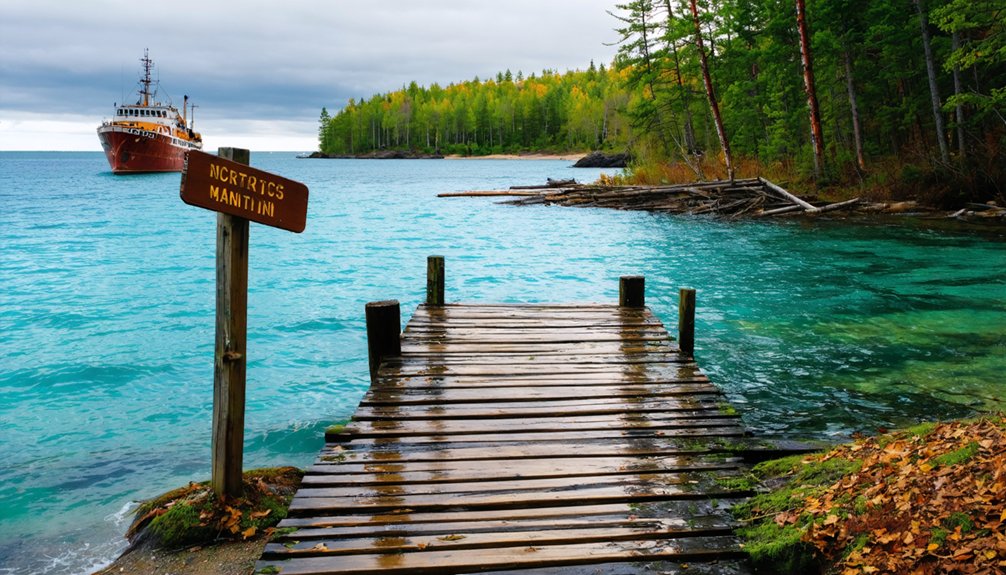
Visiting mainland ghost towns like Fayette and Glen Haven sets the stage well, but North Manitou Island demands a bit more logistics before you can walk Crescent’s shoreline.
Catch the ferry departing from Leland, Michigan, and plan your arrival around the schedule since boats don’t run continuously. Pack everything you’ll need for the day — water, food, and sturdy footwear for trail hiking.
Once ashore, follow the island’s trails toward the former townsite for your Crescent Exploration. You’ll encounter Island Wildlife along the way, so stay alert and move quietly.
The National Park Service manages the remaining structures, meaning you’ll respect posted boundaries throughout your visit. Arrive early, maximize daylight, and let the island’s raw, preserved atmosphere reward your extra planning effort.
Frequently Asked Questions
Can Visitors Camp Overnight on North Manitou Island During Their Trip?
Yes, you can camp overnight on North Manitou Island! You’ll embrace true freedom amid stunning island wildlife, but you must follow the National Park Service’s camping regulations to protect this remarkable, untamed wilderness.
Are Pets Allowed on the Ferry to North Manitou Island?
Like a gatekeeper guarding a wild kingdom, ferry pet policies vary, so you’ll want to confirm with the Leland ferry directly. Practice island pet etiquette by keeping pets leashed and respecting the protected National Lakeshore environment.
What Months Is the Ferry Service to North Manitou Island Operational?
The ferry schedule for North Manitou Island follows seasonal operations, typically running from mid-May through mid-October. You’ll want to confirm exact dates with the Manitou Island Transit in Leland before planning your adventure!
Is There Any Cell Phone Service Available on North Manitou Island?
Like stepping back in time, you’ll find cell service limitations turn North Manitou Island into a digital detox. Island communication challenges are real here, so download maps, inform someone of your plans, and embrace the freedom of disconnection.
Are There Restroom Facilities Available Near the Crescent Ghost Town Site?
The knowledge doesn’t confirm restroom options or visitor amenities near Crescent’s ghost town site. You’ll want to contact the National Park Service directly before your trip, as they manage the island’s infrastructure and can guide your adventure planning.
References
- https://www.youtube.com/watch?v=3U827a9Ag1s
- https://enjoyer.com/port-crescent-michigan-ghost-town-burned/
- https://www.onlyinyourstate.com/trip-ideas/michigan/ghost-town-road-trip-mi
- https://en.wikipedia.org/wiki/List_of_ghost_towns_in_Michigan
- https://en.wikipedia.org/wiki/Crescent
- https://www.nps.gov/slbe/learn/historyculture/ghosttowns.htm
- https://www.awesomemitten.com/web-stories/5-ghost-towns-in-michigan-with-eerie-vibes/
- https://99wfmk.com/13-michigan-ghost-towns/
- https://www.youtube.com/watch?v=7f8uXHNowq8
- https://www.youtube.com/watch?v=zFa8wx2yUpk