Planning a ghost town road trip to Crofton, Michigan puts you in the heart of the Keweenaw Peninsula’s haunting copper mining history. You’ll follow US-41 through dense forests to reach this vanished community, where two forgotten cemeteries and crumbling church ruins hide beneath overgrown woodland. There are no trails, so you’ll need waterproof boots and offline maps for the marshy terrain. Keep exploring to uncover everything this remote Upper Peninsula destination has to offer.
Key Takeaways
- Crofton, in Michigan’s Upper Peninsula, is a copper mining ghost town with no remaining buildings, but two cemeteries and three church ruins survive.
- Access Crofton via US-41 through the Keweenaw Peninsula, studying maps beforehand as unmarked turnoffs and unreliable cell coverage complicate navigation.
- Gas up and download offline maps before visiting, as remote areas lack services and cell coverage quickly becomes unreliable outside larger towns.
- Wear waterproof boots and bring a walking stick, as marshy terrain, soft earth, and unexpected water pockets make careful movement essential.
- Nearby ghost towns Clifton, Central Mine, and Gay offer additional copper industry history, ruins, and unique industrial remnants worth including in your trip.
What Is Crofton, and Why Did It Disappear?
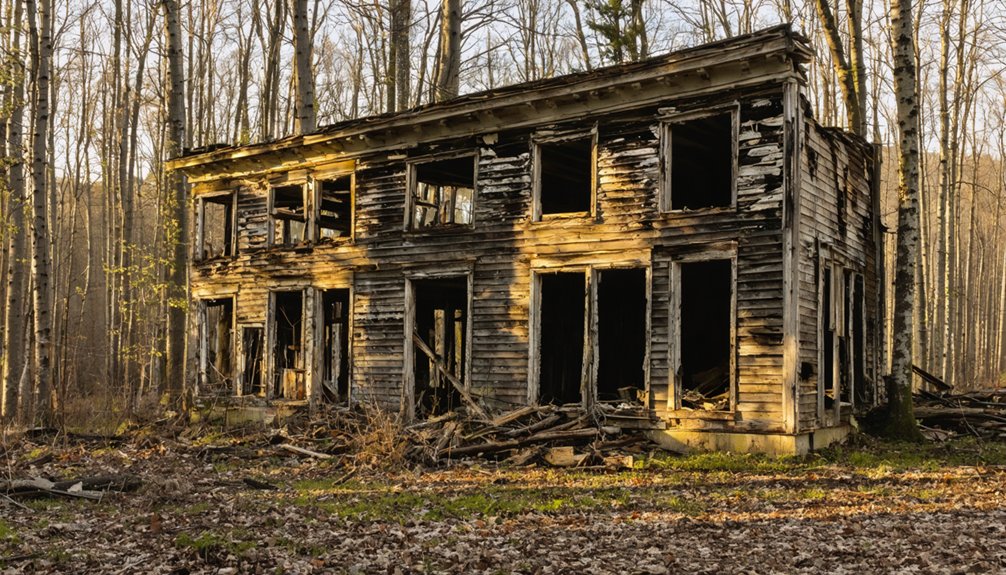
Tucked away in Michigan’s Upper Peninsula, Crofton is one of nearly 100 ghost towns born from the region’s copper mining boom and left behind when the industry collapsed.
Like its neighbors, Crofton’s history follows a familiar arc: resource extraction drew workers in, built a community, then abandoned it when the copper ran dry. Rising operational costs, a devastating 1913 miners’ strike, and the Great Depression all accelerated the region’s decline.
Copper brought workers, built communities, then vanished — leaving only silence where industry once thrived.
Today, Crofton’s ghost town significance lies in what it represents — a raw, unfiltered chapter of American industrial history.
You won’t find buildings or roads here. What remains are traces of lives once fully lived, now swallowed by overgrown terrain. It’s a place where you can feel history without anyone curating it for you.
The Copper Mining Boom That Built and Buried Crofton
To understand why Crofton vanished, you need to understand what built it in the first place. America’s first copper boom erupted across Michigan’s Keweenaw Peninsula after an 1840 discovery that ultimately generated ten times the wealth of California’s Gold Rush. That copper legacy drew thousands of workers, built towns overnight, and carved entire communities out of wilderness.
But mining challenges eventually crushed what the boom created. Rising operational costs made extraction increasingly unprofitable. The brutal 1913 miners’ strike fractured communities and drove workers away.
Then the Great Depression delivered the final blow. When the copper ran out or became too expensive to reach, towns like Crofton had no reason to exist. People simply left, nature reclaimed the land, and freedom-seekers today find only silence where industry once roared.
What’s Left to See at Crofton Today?
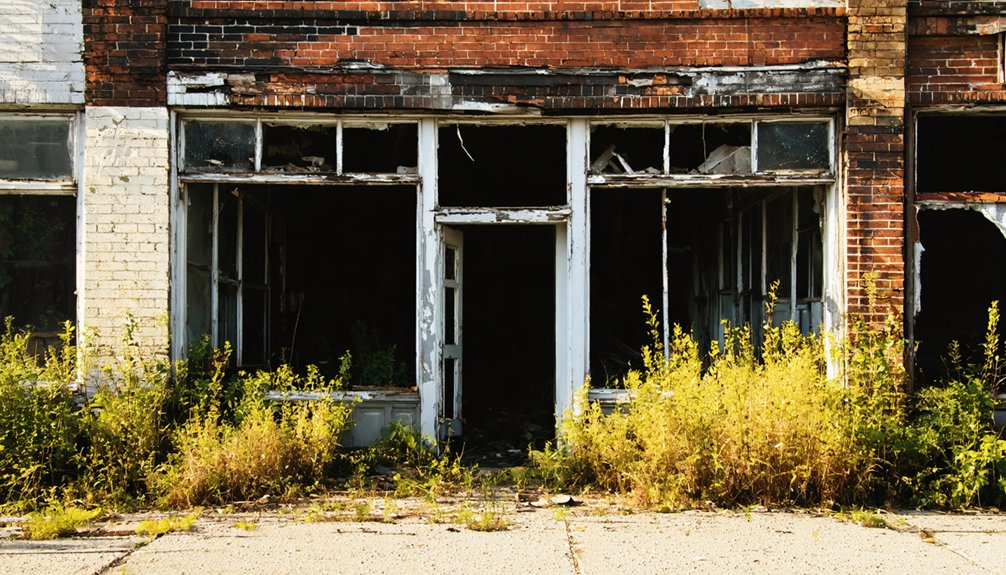
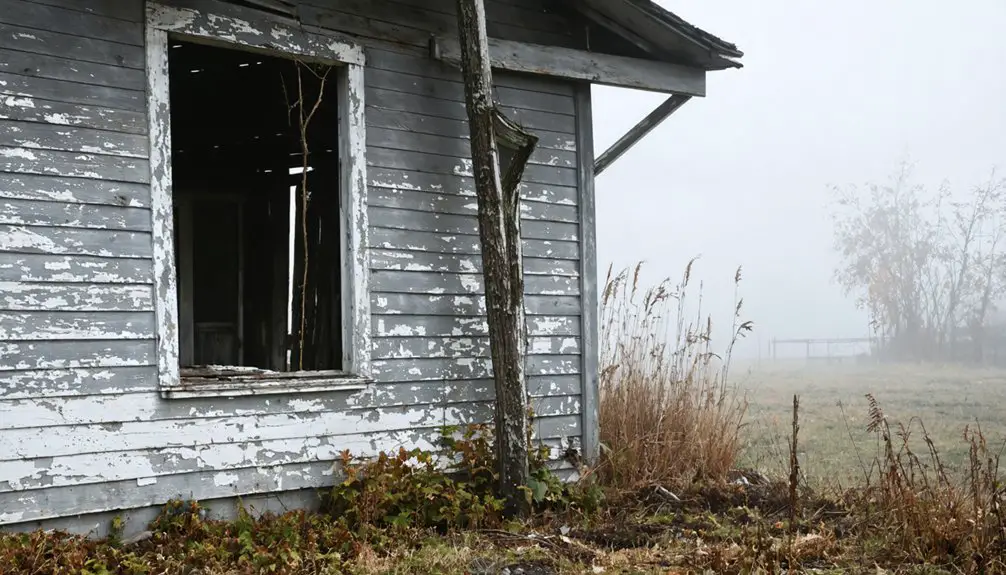
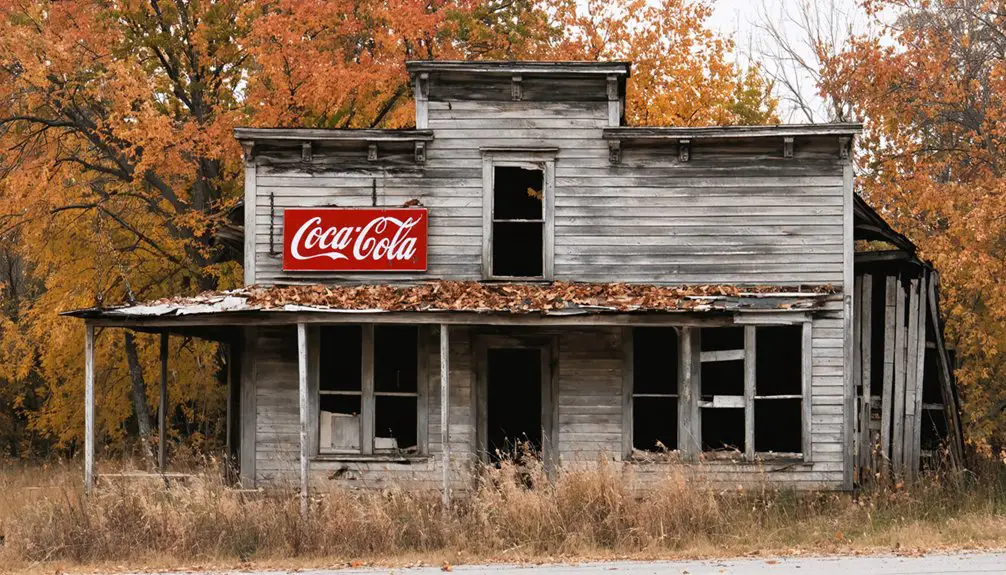
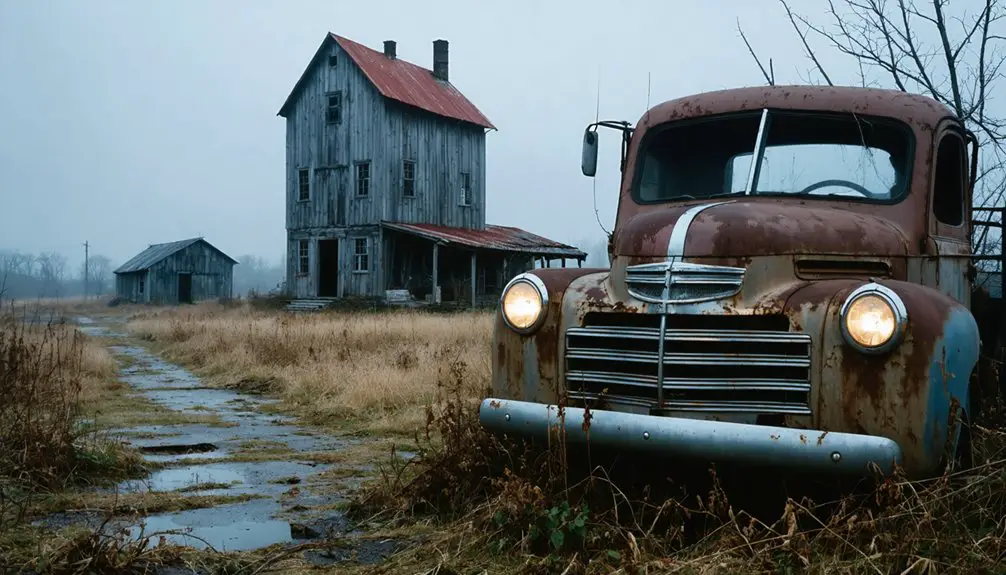
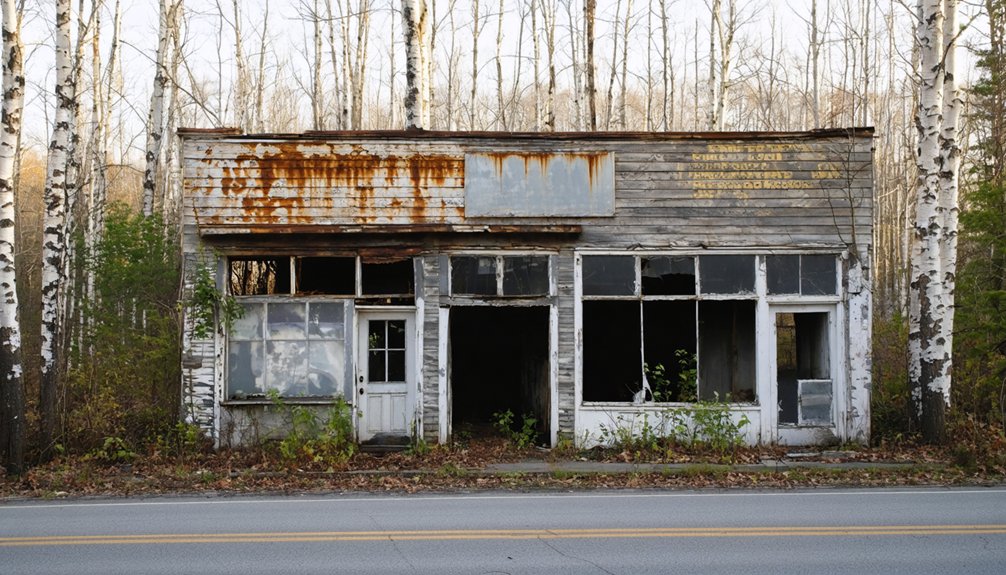
What remains at Crofton today is, honestly, almost nothing — and that absence is the point. You won’t find buildings, roads, or any skeleton of its former self.
Yet Crofton remnants still reward those willing to wander. Ghost town exploration here means reading the land itself.
Here’s what you can actually find:
- Two cemeteries — one at the cliff’s base, one beyond the old railroad tracks
- Weathered gravestones — offering genuine historical insight and striking photography
- Three church ruins — hidden deep in remote, overgrown woodland
- Overgrown terrain — where grass has reclaimed what was once a living community
Walk carefully — the ground gets marshy.
But if you crave unfiltered history, Crofton delivers it raw.
Clifton Ghost Town and Cliff Mine: The Story Right Next Door
Just a short distance from Crofton, Clifton and its famous Cliff Mine tell a richer, more documented chapter of the same copper-driven story.
Clifton history stretches back to 1845, when workers and families settled here to support mining operations. By 1877, 700 residents called it home, attending churches, speaking English, French, and German, and grabbing a cold one from the Clifton Bottling Works brewery.
The Cliff Mine opened in 1844 and ran for 35 productive years before copper depletion shut everything down by the 1890s.
Today, two cemeteries survive, quietly marking where a vibrant community once stood. No buildings remain, but the gravestones reward curious explorers willing to push through overgrown terrain.
You’ll find the whole area accessible along US-41, making it a natural stop on your route.
Clifton, Central Mine, and Gay: Nearby Ghost Towns Worth the Stop
While you’re exploring Crofton, you’d be doing yourself a disservice to skip the neighboring ghost towns scattered across Keweenaw Peninsula’s copper country.
Clifton sits just down US-41, its two cemeteries and ruined churches quietly marking where 700 residents once built a thriving community around the Cliff Mine.
Round out your road trip with stops at Central Mine, which offers a well-preserved ruins site and visitors center, and the small lakeside town of Gay, each adding another vivid layer to copper country’s fascinating, tragic story.
Neighboring Ghost Towns Explored
Once you’ve explored Crofton’s quiet remnants, a handful of equally compelling ghost towns lie within easy reach along the Keweenaw Peninsula. Each site carries its own abandoned structures and local legends worth discovering:
- Clifton – Founded in 1845 to support Cliff Mine, this settlement once housed 700 residents before copper depletion erased nearly every trace.
- Cliff Mine – Opened in 1844, this operation fueled a copper boom generating ten times California Gold Rush wealth before closing in the 1890s.
- Central Mine – Explore standing ruins alongside an active visitors center offering deeper historical context.
- Gay – A coastal stop featuring unique industrial remnants along Lake Superior’s shoreline.
Pack sturdy boots, embrace the freedom of open roads, and let each crumbling site tell its story.
Must-Visit Copper Country Stops
Beyond Crofton’s silent fields, three ghost towns reward curious travelers willing to push a little further into Copper Country‘s forgotten corners.
Clifton once housed 700 residents supporting the Cliff Mine before copper depletion silenced everything by the 1890s. You’ll find two cemeteries still standing where buildings no longer exist.
Central Mine offers ruins and a visitors center where ghost town legends breathe through copper artifacts and recovered history.
Gay sits quietly along Lake Superior‘s shoreline, carrying its own haunted industrial past. Each stop layers your understanding of how completely Michigan’s copper boom collapsed.
Drive US-41 through Keweenaw Peninsula’s remote stretches, combining these visits efficiently. You’re not just sightseeing — you’re tracing an economic catastrophe that erased nearly 100 communities from Michigan’s living map.
How to Get to Crofton on the Keweenaw Peninsula
To reach Crofton, you’ll follow US-41, the main artery cutting through the remote Keweenaw Peninsula between Calumet and Eagle Harbor.
The route winds through dense forests and past relics of Michigan’s copper boom, so keep your eyes open for historical markers and turnoffs.
Once you’re on the peninsula, the landscape itself signals your arrival in ghost town territory — isolated, wild, and stripped of the industrial energy that once defined it.
Winding through the remote upper reaches of Michigan’s Keweenaw Peninsula, US-41 serves as your primary lifeline to Crofton, threading between the copper-rich landmarks of Calumet and Eagle Harbor.
This legendary route connects you to ghost town legends buried beneath overgrown wilderness.
Navigate US-41 effectively with these essentials:
- Mark your US-41 landmarks — Calumet and Eagle Harbor bookend your journey, keeping you oriented along this historic corridor.
- Watch for unmarked turnoffs — Crofton’s access points aren’t well-signed, so study your maps beforehand.
- Expect marshy terrain — Wear sturdy footwear; the ground shifts unpredictably near abandoned sites.
- Combine stops strategically — Central Mine’s ruins and visitor center sit conveniently nearby, maximizing your exploration time.
Freedom-seekers thrive on roads like this.
Keweenaw Peninsula Access Points
Reaching Crofton means committing to Michigan’s Keweenaw Peninsula, a narrow finger of land jutting into Lake Superior where civilization thins and wilderness thickens fast.
US-41 is your primary artery, threading north through Calumet toward Eagle Harbor, cutting through landscapes shaped by Keweenaw history’s copper-boom legacy.
You’ll find no crowded tourist corridors here. Gas up before heading deep, because services disappear quickly once you leave larger towns behind.
Cell coverage gets unreliable, so download offline maps beforehand.
Pair your ghost town exploration with nearby Central Mine, which offers a visitors center providing essential regional context.
The peninsula rewards self-reliant travelers willing to navigate remote, sometimes marshy terrain.
Embrace the isolation — it’s exactly what makes discovering Crofton feel like genuine discovery rather than packaged tourism.
Marsh Terrain and No Trails: How to Visit Crofton Without Getting Stuck
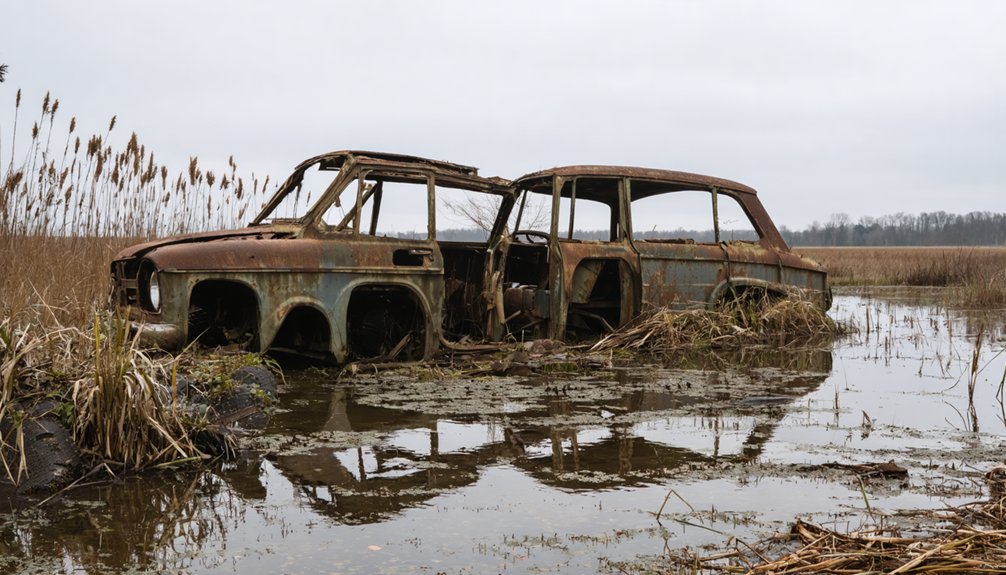
Visiting Crofton means stepping into terrain that doesn’t forgive careless footwear or a casual attitude. There are no trails, no markers, and no maintained paths guiding you through this forgotten landscape.
Master your marsh navigation with these essential terrain tips:
- Wear waterproof boots — soggy ground swallows regular shoes instantly.
- Move slowly and test each step — soft earth hides deceptively deep patches.
- Bring a walking stick — it stabilizes your footing on uneven, overgrown ground.
- Stay alert for sudden water pockets — marshy depressions appear without warning beneath tall grass.
You’re exploring land that’s reclaimed itself completely. Respect that wildness, stay aware of your surroundings, and you’ll navigate Crofton’s challenging terrain confidently while uncovering its ghostly, overgrown remnants.
Frequently Asked Questions
Are Pets Allowed When Exploring Crofton and Nearby Ghost Town Sites?
The knowledge doesn’t specify pet policies, but you’ll want to follow ghost town etiquette—keep pets leashed on marshy terrains. Research pet-friendly accommodations nearby, and you’re free to explore Crofton’s hauntingly beautiful ruins responsibly with your furry companion!
What Is the Best Time of Year to Visit Crofton, Michigan?
Summer’s your golden window — you’ll find the best weather for exploring Crofton’s overgrown ruins and seasonal activities like hiking its marshy terrain. Avoid winter’s harsh Upper Peninsula grip; it’ll swallow your adventure whole.
Is There an Entrance Fee to Access Crofton or Surrounding Ghost Towns?
You’ll find no entrance fees to explore Crofton’s ghost town history or surrounding sites! These open lands welcome you freely, though understanding each location’s entrance policies guarantees you’re respecting the remote, untamed spirit of Michigan’s abandoned communities.
Can Visitors Legally Take Artifacts or Souvenirs From Crofton’s Grounds?
You shouldn’t take artifacts from Crofton’s grounds. Artifact preservation laws protect these historic remnants, and souvenir ethics remind you that leaving items guarantees future visitors enjoy the same authentic, untouched experience you’re treasuring today.
Are There Guided Tours Available Specifically for Keweenaw Peninsula Ghost Towns?
You won’t find dedicated guided tours, but you can explore Keweenaw Peninsula’s ghost town history independently, uncovering local legends at your own pace while visiting sites like Clifton, Central Mine, and Copper Harbor freely.
References
- https://99wfmk.com/clifton-ghost-town/
- https://www.visitkeweenaw.com/things-to-do/museums-history/ghost-towns/
- https://en.wikipedia.org/wiki/List_of_ghost_towns_in_Michigan
- https://enjoyer.com/fayette-u-p-ghost-town-story-new-world/
- https://www.youtube.com/watch?v=7-vjuqiGWJU
- https://mtu-vpol.github.io/ghosttowns/